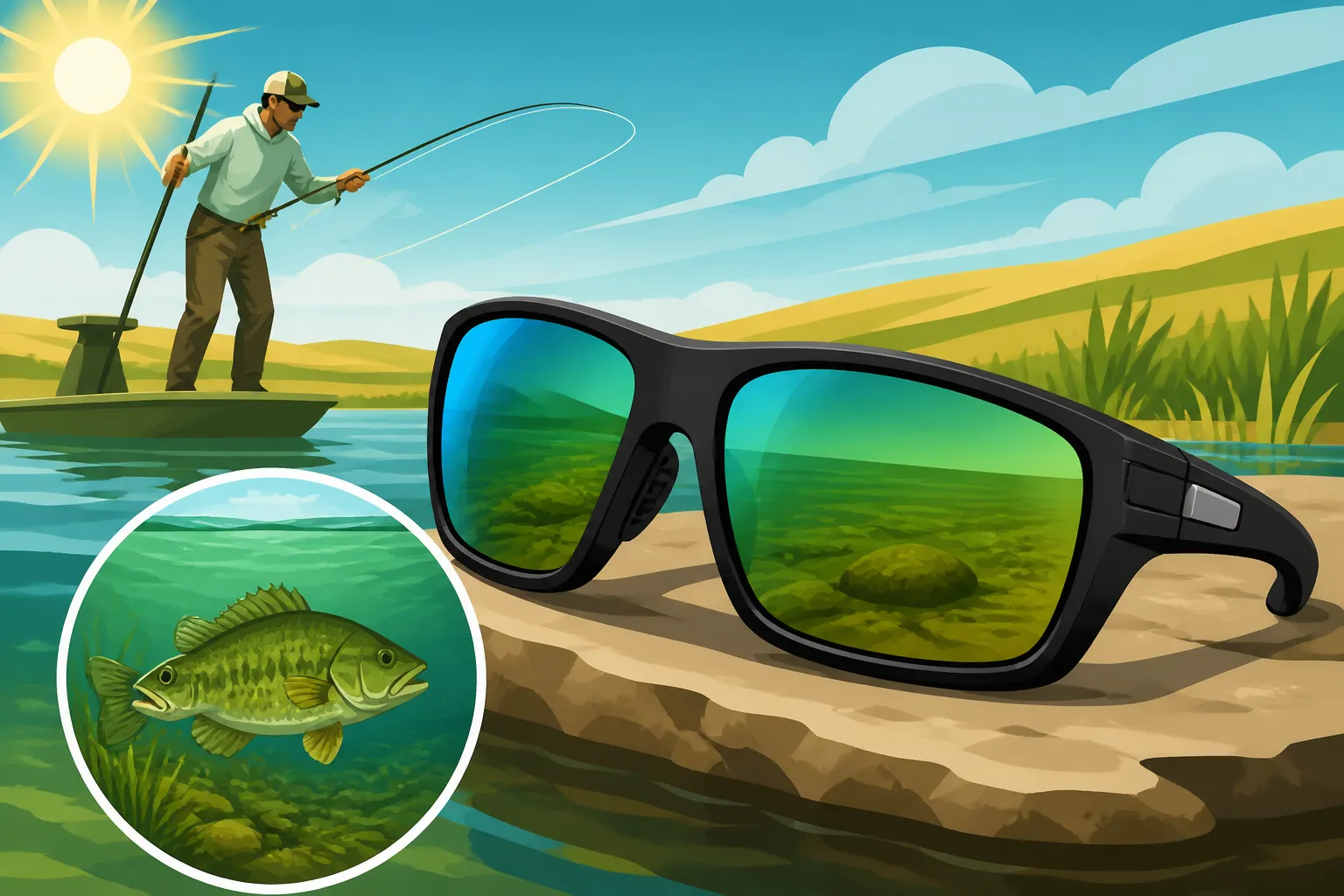
Best Sunglasses for Kansas Sight Fishing
There’s nothing quite as frustrating as being out on a beautiful Kansas lake or river, knowing the fish are there, but being utterly blinded by the sun’s glare bouncing off the water. It’s a common scenario for many anglers, making it nearly impossible to spot those subtle movements, submerged structures, or even the fish themselves. This guide is here to cut through that watery haze, helping you choose the best sunglasses specifically designed for sight fishing in the diverse waters of Kansas, turning frustration into clear, focused success.
Why Good Sunglasses Are Essential for Kansas Sight Fishing
You wouldn't head out onto Milford Lake with a dull hook or a frayed line, right? Your vision is just as critical a tool, especially when you're trying to outsmart those wily Kansas fish. The right pair of sunglasses isn't just a fashion statement or a way to protect your eyes from the sun – it's a vital piece of gear that directly impacts your success on the water.
The Battle Against Glare on Kansas Waters
Kansas summers can be absolutely brutal, with bright, intense sunshine beating down on our reservoirs and rivers. That sunshine hits the water's surface, and what happens? Glare. It's like a shimmering, impenetrable barrier that hides everything beneath. You might know there’s a rocky drop-off where walleye like to hang out, or a submerged tree where crappie are schooling, but without the right eyewear, all you see is a blinding reflection. This isn't just an inconvenience; it can be a major impediment to finding and catching fish. Imagine trying to follow your line, spot a subtle bite, or even navigate safely when your vision is compromised by constant bright flashes.
This glare isn't just about direct sunlight either. Overcast days can still produce significant surface reflection, especially on larger, open bodies of water like Cheney Reservoir or Wilson Lake. The way light scatters and bounces off the water can obscure everything from subtle ripples indicating baitfish to the shadow of a big channel catfish cruising the shallows. It’s a constant visual battle, and your eyes will pay the price in strain and fatigue if you’re not properly equipped. Plus, who wants to spend a beautiful day squinting when they could be spotting fish?
Enhanced Visibility and Fish Spotting
The magic of high-quality fishing sunglasses truly comes alive when they transform that blinding glare into a crystal-clear window into the aquatic world. Suddenly, you’re not just guessing; you’re seeing. That faint flicker under the surface? It’s a school of white bass chasing shad. That dark spot near the lily pads? It’s a largemouth bass patiently waiting in ambush. The ability to spot these subtle details is what separates a good day of fishing from a great one. You can anticipate strikes, cast more accurately to specific targets, and react quicker to a fish taking your bait.
Think about shallow water fishing, whether you're wading a small stream for panfish or cruising the flats of El Dorado Lake for bass. Being able to literally see the fish, their movements, and the structure they relate to is a game-changer. It allows you to refine your approach, choose the right lure, and present it precisely where it needs to be. For instance, if you're trying Kansas Walleye Fishing Techniques, spotting those golden predators hugging the bottom contours before you even cast gives you a huge advantage. It's not just about seeing the fish, but also understanding their behavior and environment in real-time, which is invaluable for any angler.
Key Features of Sight Fishing Sunglasses
When you're serious about sight fishing, not just any pair of shades will do. There are specific technologies and design elements that make certain sunglasses superior for cutting through glare and enhancing your underwater vision. Understanding these features is crucial to making an informed decision that will elevate your time on the water.
Polarization: The Non-Negotiable Feature
If there's one feature that absolutely cannot be compromised for fishing sunglasses, it's polarization. Non-negotiable, folks. So, what exactly is it? Imagine light waves traveling in all directions. When sunlight hits a flat surface like water, a lot of those light waves become horizontally polarized, creating that harsh, blinding glare we all despise. Polarized lenses have a special filter that blocks these horizontal light waves while allowing vertical light waves to pass through. The result? That surface glare is dramatically reduced, almost magically disappearing.
Many folks mistakenly think that any dark lens will do the trick, but that’s simply not true. Non-polarized sunglasses merely darken your field of vision, making everything dimmer, including the glare. It's like turning down the brightness on your TV when the sun is hitting the screen; it doesn't solve the reflection problem, it just makes the whole picture harder to see. With truly polarized lenses, you’ll experience an almost immediate clarity, allowing you to peer beneath the surface and into the fish’s world. This is especially vital when you're trying to discern a subtle movement in a shadow or the shimmer of a fish's scales in the depths of one of the Best Fishing Lakes in Kansas. Always confirm that any sunglasses you consider are indeed polarized; it's the foundation of effective sight fishing eyewear.
Lens Material, Coating, and UV Protection
Beyond polarization, the material your lenses are made from, the coatings applied to them, and their UV protection capabilities are equally important for both performance and eye health. Let's break it down. For lens material, you'll generally find two main types: polycarbonate and glass. Polycarbonate lenses are incredibly lightweight and impact-resistant, making them a popular choice for active anglers who might drop their glasses or take a stray lure to the face. They're generally more affordable, too. However, glass lenses offer superior optical clarity and are far more scratch-resistant, which is a huge plus for maintaining pristine vision over time. The trade-off is they are heavier and more prone to shattering if dropped. Considering how rough we can be on our gear, the durability aspect is a serious consideration.
Then there are the coatings, which can truly enhance your experience. An anti-reflective (AR) coating on the back of the lens reduces glare reflecting into your eye from behind, which can be just as distracting as surface glare. Hydrophobic coatings repel water, causing droplets to bead up and roll off, making them easier to clean and improving vision in light rain or spray. Oleophobic coatings resist oils and smudges from sunscreen and fingerprints, keeping your lenses clearer with less effort. Finally, and perhaps most critically for your long-term eye health, always ensure your sunglasses provide 100% UV-A and UV-B protection. Spending long hours under the relentless Kansas sun, especially with UV rays amplified by water reflection, can lead to serious eye damage over time. Protecting your eyes from these harmful rays is just as important as protecting your skin, making full UV protection an absolute necessity for any serious angler hitting the waters during the Kansas Summer Fishing Guide.
Understanding Lens Colors and Their Applications
Choosing the right lens color is like selecting the right lure for the conditions – it's all about maximizing your advantage. Different lens tints are designed to excel in various light conditions and environments, optimizing contrast and depth perception to help you spot fish that might otherwise go unnoticed.
The Science of Color and Contrast
It might sound overly technical, but there's a real science behind why certain lens colors work better than others in specific situations. Each color filters different wavelengths of light, and by doing so, it can either enhance or diminish contrast. For sight fishing, enhancing contrast is key. We're talking about discerning the subtle outline of a fish against a mottled bottom, or a slight change in depth that indicates a hidden drop-off. A lens color that boosts contrast can make those indistinct shapes pop, giving you a crucial advantage.
The goal isn't just to make everything darker; it's to filter out the distracting elements of light while highlighting the visual information you need to see fish. Think about how a gray, overcast day flattens out the landscape, making it harder to judge distances. The right lens color can reintroduce that contrast, making structures and fish more apparent. The sun's intensity, the water's clarity, and even the color of the bottom (rock, sand, mud) all play a role in how effectively a particular lens tint will perform. This is why having a couple of different lens options can be incredibly beneficial for any angler who fishes various Kansas waters and in changing conditions.
Matching Lens Color to Kansas Fishing Conditions
Now, let's talk practical application for your Kansas adventures. Here’s a breakdown of the most common lens colors and when they shine:
-
Amber, Brown, or Copper Lenses: These are arguably the most popular and versatile choices for freshwater sight fishing, especially in Kansas. They excel in bright, sunny conditions and tend to enhance contrast dramatically, making it easier to spot fish against varying backgrounds – from the sandy flats of a shallow reservoir to the rocky edges of a river. They are fantastic for those bright, clear days when you're trying to pick out a Kansas Bass Fishing Guide cruising through submerged grass or spotting a channel catfish lying low in a clear river bend. They also work well in partly cloudy conditions, cutting through glare while still offering good light transmission. Many anglers find these tints provide excellent depth perception, which is crucial when casting to visible targets. If you're only going to have one pair, a good copper or brown polarized lens is a solid bet for most of the Kansas Fishing Seasons Guide.
-
Gray or Green Lenses: Gray lenses offer true color perception, meaning they don't alter the colors you see, making them great for general-purpose use and intensely bright conditions. They reduce overall light without enhancing specific colors, which some anglers prefer for comfort during long days on the water under a blazing sun. Green mirror lenses, often built on a gray or amber base, offer similar benefits but with an added layer of glare reduction and a bit more contrast enhancement, particularly good for bright, open water situations. These are excellent choices if you find yourself fishing offshore for wipers or stripers on larger reservoirs, or if you simply prefer a more natural view of your surroundings. While they may not offer the extreme contrast boost of a copper lens, they provide excellent glare reduction and are very comfortable for your eyes, especially on those endless bright Kansas afternoons.
-
Yellow or Rose Lenses: These tints are your secret weapon for low-light conditions, overcast days, or early morning and late evening fishing. They might seem counterintuitive at first – yellow lenses actually brighten your field of vision – but they do so by filtering out blue light, which significantly enhances contrast. This makes them ideal for cutting through haze or fog and making objects appear sharper. If you're a fan of chasing crappie at dawn or dusk, or you frequently fish on heavily overcast days, a pair of yellow or rose-tinted polarized sunglasses can make a world of difference. While they aren't suitable for bright, sunny conditions (they'll be too intense), having a pair for those dim, "should I even bother?" days will often lead to you spotting fish that others miss. They can transform a seemingly unproductive low-light situation into a successful fishing trip, letting you pick out structures and fish that blend into the gloom with other lens colors.
Frame Design, Fit, and Durability for Anglers
Once you've zeroed in on the right lenses, don't overlook the frame. The best lenses in the world won't do you much good if the frames are constantly slipping, pinching, or falling apart. The frame design, how it fits your face, and its overall durability are critical for comfort, performance, and longevity, especially given the active nature of fishing in places like the Kansas River Fishing Guide.
Secure Fit and Comfort for Long Days
A comfortable and secure fit is absolutely paramount for fishing sunglasses. Imagine you're making a crucial cast, or quickly turning to follow a jumping fish, and your glasses slide down your nose or, worse, fly off into the water. Frustrating, right? That’s why features like rubberized nose pads and temple tips are so valuable. These soft, grippy materials help keep the frames firmly in place, even when your face is sweaty, or you're moving vigorously. A snug fit also helps prevent light leakage from the top, sides, or bottom, ensuring that you're getting maximum glare protection and uninterrupted vision.
Beyond just staying on your face, the frames need to be comfortable for hours on end. Heavy frames can create pressure points on your nose and behind your ears, leading to headaches and fatigue. Look for lightweight materials and a design that distributes pressure evenly. Wrap-around styles are often preferred by anglers because they provide maximum peripheral vision and block stray light from entering from the sides, reducing eye strain and increasing your overall field of view. This design ensures that whether you're scanning the horizon for bird activity or looking directly into the water, your eyes are fully protected and your vision optimized. A good fit means you can practically forget you're wearing them, allowing you to focus entirely on the fishing.
Robust Frame Materials and Construction
Fishing gear takes a beating, and your sunglasses are no exception. They’ll endure splashes, sweat, sun, and maybe even a few accidental drops or bangs against the boat console. Therefore, robust construction and durable materials are essential. Many quality fishing sunglasses feature frames made from tough, lightweight materials like nylon or TR90, which are known for their flexibility and resistance to breakage. These materials can withstand temperature fluctuations and exposure to the elements without becoming brittle or degrading quickly. While Kansas fishing is primarily freshwater, the materials used should still resist corrosion from sweat and splashes, which can contain salts and other minerals.
Another sign of quality construction is the hinge mechanism. Spring hinges, for example, offer a bit more flexibility and durability, helping the frames maintain their shape and reducing the risk of snapping if they’re stretched slightly beyond their normal opening range. Secure lens retention is also key; you want to make sure the lenses are firmly seated in the frame and won't pop out unexpectedly. Investing in a pair of sunglasses with well-thought-out construction means they'll last longer and continue to perform optimally, giving you peace of mind that your essential sight fishing tool is up to the task. Looking for brands that specifically cater to outdoor sports often leads you to well-engineered frames that consider these rigors. If you're browsing online, checking out customer reviews on sites like Amazon or a dedicated outdoor retailer like Bass Pro Shops can offer insight into the real-world durability of various models.
Caring for Your Investment
You've spent your hard-earned money on a quality pair of sight fishing sunglasses, so treating them right is crucial. Proper care and maintenance will not only extend their lifespan but also ensure they continue to perform at their best, giving you that clear, glare-free vision for years to come. Think of it as protecting another valuable piece of your fishing arsenal, like your rods and reels.
Cleaning and Storage Best Practices
It might seem obvious, but proper cleaning is vital. Resist the urge to wipe your lenses with the corner of your shirt, especially if they're dry. Dust, dirt, and dried salt or grit can act like sandpaper, scratching those precious polarized coatings. The best practice is to always rinse your lenses thoroughly with fresh water first, removing any loose particles. A mild soap, like dish soap, can be used for a deeper clean, gently rubbing with your fingers. After rinsing, pat them dry with a clean, soft microfiber cloth specifically designed for eyewear. Avoid paper towels, which can also be abrasive due to wood fibers. Consistent cleaning will prevent mineral buildup and keep your vision crystal clear, whether you're spotting a big channel catfish on the bottom or trying to judge the depth of a Kansas Walleye Length Limits fish.
When you're not wearing your sunglasses, proper storage is equally important. Never just toss them onto the dashboard of your truck or into a tackle box where they can get crushed or scratched. Always store them in a hard case. This protects them from impacts, dirt, and extreme temperatures. Speaking of temperatures, avoid leaving your sunglasses in direct sunlight on a hot dashboard. Excessive heat can warp plastic frames and, more importantly, can damage or delaminate the delicate polarized and anti-reflective coatings on the lenses, severely compromising their performance. Treating your sunglasses with care means they'll be ready to perform whenever you hit the water, rather than being a scratched, hazy liability.
Recognizing When to Replace or Upgrade
Even with the best care, sunglasses don't last forever. There comes a time when it's smart to consider replacing or upgrading your pair. One of the most obvious signs is significant scratches on the lenses. While minor scuffs might be tolerable, deep scratches directly in your line of sight will create distortions and distractions, making it harder to see clearly and defeat the entire purpose of sight fishing. Another red flag is when the polarized coating starts to peel or bubble, which can happen over time, especially with cheaper lenses or if exposed to extreme conditions. This will lead to inconsistent glare reduction and a frustratingly uneven field of vision.
Beyond physical damage, loose hinges or a frame that no longer fits securely can also be a reason for replacement. A wobbly pair of glasses is not only annoying but can also be distracting and even fall off. Finally, consider the advancements in technology. Lens technology, in particular, is always improving. Newer models might offer enhanced clarity, lighter materials, more durable coatings, or even new lens tints optimized for specific conditions that weren't available when you bought your current pair. If you're a serious angler who demands the best performance, periodically evaluating your eyewear and considering an upgrade can give you a fresh edge. For those just starting out, even a basic, well-made polarized pair can dramatically improve your experience. You can often find a good selection and read up on the latest tech by visiting an outdoor specialty store like Bass Pro Shops or browsing a wide array of options on Amazon.
Comparison of Popular Lens Colors
To help you make an informed decision, here's a quick comparison of the most popular lens colors and their ideal fishing scenarios in Kansas. Remember, conditions can vary widely, so having a couple of options might be your best bet for truly versatile sight fishing.
| Lens Color | Best Conditions | Glare Reduction | Contrast Enhancement | Ideal for |
|---|---|---|---|---|
| Amber/Brown/Copper | Bright sun, partly cloudy, shallow to medium depth | Excellent | High | Spotting fish in clear, shallow water; rocky/sandy bottoms; general all-around use on most Kansas lakes and rivers. |
| Gray/Green | Bright sun, open water, deep water | Excellent | Moderate | Offshore fishing for stripers/wipers; all-day comfort; true color perception. Versatile for varied light conditions. |
| Yellow/Rose | Low light, overcast, dawn/dusk, hazy | Good | Very High | Targeting Kansas Crappie Fishing Techniques in low light; cutting through haze; early morning or late evening fishing. |
This table offers a quick overview, but remember that individual preferences and specific water conditions will always play a role. Some anglers might prefer the heightened contrast of copper lenses even on slightly overcast days, while others might stick to gray for its natural color rendition. The key is to find what works best for your eyes and the type of fishing you do most often. If you frequently fish diverse locations or times of day, consider having more than one pair. When coupled with your Kansas Fishing License Guide, the right eyewear is truly a powerful tool.
Disclaimer
This article is for general informational purposes only and does not constitute professional advice. Laws, prices and regulations vary by location and change over time. Consult a qualified professional for guidance on your specific situation.