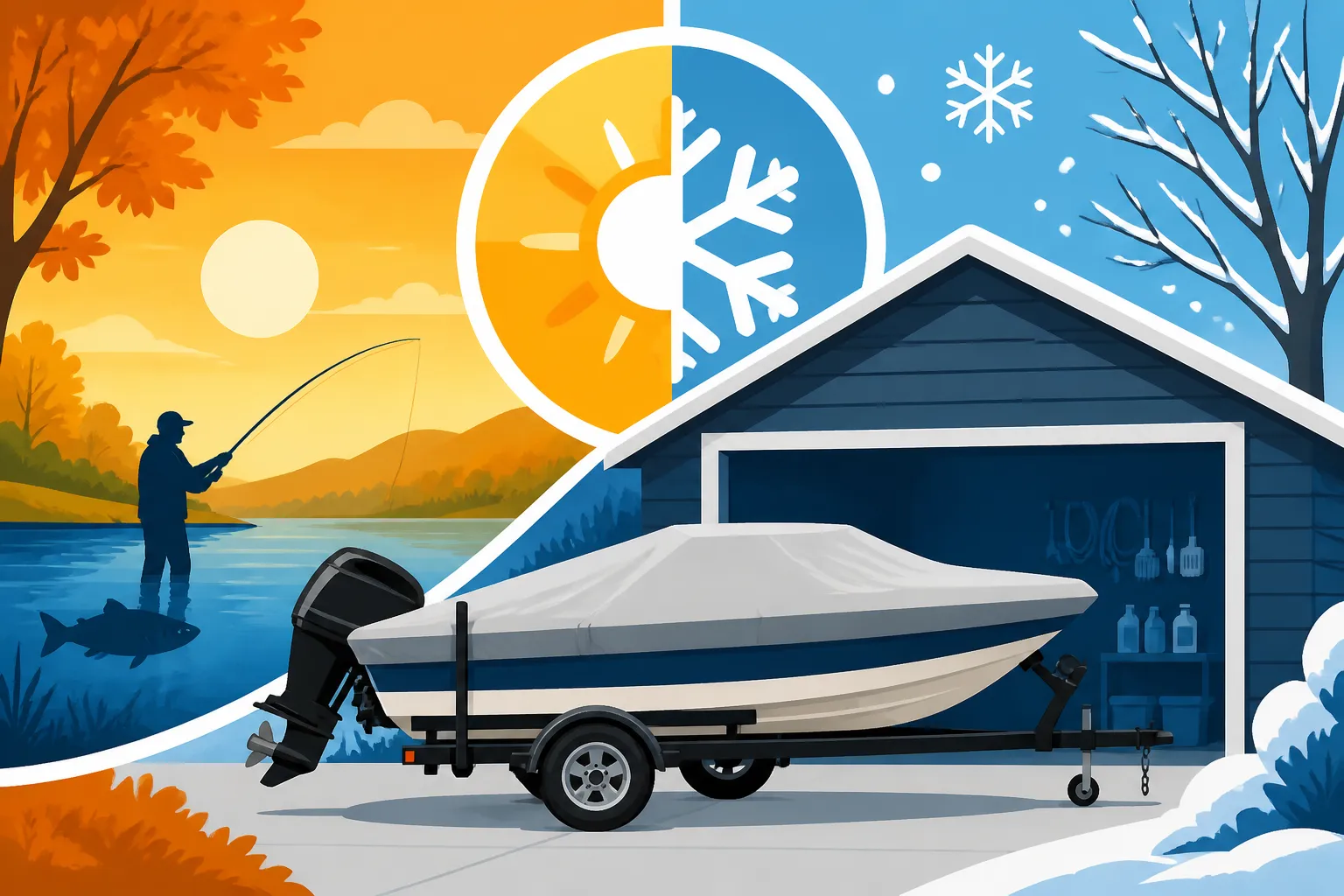
Best Time to Winterize a Kansas Boat
You've just wrapped up another fantastic season on the water, maybe pulling in some lunker catfish from Tuttle Creek Lake or chasing wipers at Cheney Reservoir. But now, as the leaves turn and that crisp autumn air starts to bite, a familiar dread might creep in: winterizing the boat. It's a chore, yes, but ignoring it can lead to far greater headaches—and expenses—when spring rolls around. This guide is all about helping you nail down the best time to winterize your Kansas boat, so you can protect your investment and be ready for action the moment ice-out hits.
Understanding Kansas Winters and Their Impact on Boats
Kansas winters aren't for the faint of heart, and they're certainly not kind to unprepared boats. We don't always get those picturesque, gentle snowfalls; sometimes it's brutal cold, relentless wind, and icy conditions that can sneak up on you faster than a cold front. Understanding these unique challenges is the first step to knowing when and how to winterize your vessel properly.
The Freezing Point Fallacy
Many boat owners make a critical mistake by waiting until they see consistent freezing temperatures in the forecast. "Oh, it's only dropping to 30 degrees overnight, it'll be fine," they might think. But here’s the harsh reality: water can freeze and expand even when the air temperature hovers just above freezing for a sustained period, especially in protected areas of your boat's engine or plumbing. Think about those hidden pockets, lines, and pumps that might not drain completely. A night or two just below freezing can cause enough expansion to crack engine blocks, damage pumps, and burst hoses. It's not about one deep freeze; it's about the cumulative effect and the unexpected dips.
Beyond the immediate damage, repeated freeze-thaw cycles are incredibly destructive. Imagine tiny ice crystals forming, melting, and reforming inside your engine. This stress can weaken components over time, leading to leaks, gasket failures, and other issues that might not surface until you're already out on the water in the spring. You don't want to be staring down an expensive repair bill just because you thought you had a few more days before the "real" cold set in. Kansas weather is notoriously fickle; one week it's Indian summer, the next you're scraping ice off your windshield.
Beyond the Obvious: Other Winter Threats
Freezing water isn't the only enemy your boat faces during a Kansas winter. The cold itself, combined with lack of use, can wreak havoc in other ways. Batteries left unattended in the cold lose charge faster and can freeze if fully discharged, leading to permanent damage. Fuel sitting in tanks without stabilizer can degrade, separate, and form gunk that clogs your fuel lines and carburetor, turning your springtime start-up into a nightmare. Rodents and other pests, desperate for warmth and shelter, view an unsealed boat as a five-star hotel, chewing through wiring, upholstery, and anything else they can get their teeth on.
Then there's the less thought-about aspect of general wear and tear. UV rays, even in winter, can degrade covers and upholstery. If your boat isn't properly stored, even a heavy snow load can strain or damage the cover, allowing moisture to seep in and cause mildew, rot, or even structural damage to the interior. It’s a whole ecosystem of potential problems that winterization aims to combat. It’s not just about avoiding frozen water; it’s about preparing your boat for a long slumber in a challenging environment.
Key Indicators: When to Start Your Winterization Process
So, if waiting for a deep freeze is a bad idea, how do you know the best time to roll up your sleeves and get your boat ready for winter? It’s less about a specific date and more about a combination of environmental cues and your own usage patterns. Think of it as a strategic retreat before the harsh weather descends.
The Calendar Isn't Always King
While some folks might mark October 31st or Thanksgiving weekend as their "boat winterization day," relying solely on the calendar can be risky, especially in Kansas. Our fall weather can be unpredictable. You might have a stretch of warm, sunny days well into November, tempting you for one last glorious fishing trip. Conversely, an early cold snap in late September or early October can catch you completely off guard, leaving you scrambling to drain water lines when temperatures are already dipping dangerously low at night. The goal is to finish before consistent overnight freezing temperatures become a real possibility, not during them.
This means being proactive. If you typically stop fishing by late October, then plan to have your winterization process completed by mid-October. If you're a die-hard angler who pushes the season as long as possible, then you need to be extra vigilant with weather monitoring and have your supplies ready to go at a moment's notice. It’s better to winterize a little early than a little late and risk irreparable damage. Remember, you can always go out for that "one last trip" in a properly winterized boat, but you can't undo freeze damage once it's happened. For more on getting your boat officially ready for the season, check out our Kansas Boat Registration Guide.
Monitoring Water and Air Temperatures
The most reliable indicators for when to winterize your boat come from the weather itself. Pay close attention to both air and water temperatures. Once overnight air temperatures consistently drop into the mid-30s Fahrenheit (around 2-3°C) or lower, even if daytime highs are warmer, it's time to act. These sustained cooler nights increase the risk of water in your engine or other systems reaching freezing point. Even better, monitor local water temperatures if you can. As lake and river temperatures begin to drop into the 40s Fahrenheit (4-9°C), the risk of equipment freezing increases significantly.
Many weather apps and local news channels provide detailed hourly forecasts, including overnight lows. Keep an eye on the extended forecast for any signs of a cold snap or a sustained period of below-freezing temperatures. This is your cue. Don't wait until the first hard freeze is forecast. Instead, aim to have your winterization done a week or two before those temperatures become a regular occurrence. This buffer gives you time to handle any unexpected delays, gather supplies from places like Bass Pro Shops or even online through Amazon, and ensure the job is done thoroughly without rushing.
The "Last Trip" Mindset
For many anglers, the "best time" to winterize your boat is simply after your absolute last trip of the season. This might seem obvious, but it requires a bit of planning. Decide when you genuinely intend to put the boat away. If you're hoping for one more late-season walleye run, make sure you have everything ready before that trip, so you can perform the winterization immediately upon returning to shore. Don't let the boat sit for weeks after your last outing, especially if the weather is turning.
Consider the practicalities. If you store your boat at a marina or a storage facility, they might have specific dates for winterization services or limited availability as the season winds down. Booking ahead can save you a lot of stress. For those who do it themselves, having all your antifreeze, fogging oil, and other supplies on hand means you can complete the process efficiently. This "last trip" approach ensures your boat doesn't sit idle and vulnerable for any longer than necessary, minimizing the risk of unexpected cold weather damage. It also ties into your broader Kansas Fishing Seasons Guide considerations.
The Winterization Checklist: What Needs to Be Done
Winterizing a boat isn't just one single task; it's a series of crucial steps designed to protect every vulnerable system. Skipping a step can be just as detrimental as skipping the entire process. Here’s a detailed breakdown of what needs your attention, often a full day's project to ensure everything is covered. If you want a more detailed step-by-step, check out our guide on How to Winterize a Boat in Kansas.
Engine Care: The Heart of Your Boat
The engine is arguably the most critical component to winterize, as it's the most expensive to repair if damaged by freezing. For inboard and sterndrive engines, this typically involves circulating antifreeze through the cooling system after flushing out all raw water. You'll need to remove the raw water intake hose and use a funnel to pour marine-grade non-toxic antifreeze into the engine until it comes out the exhaust. For outboard motors, the process is slightly different but no less important, usually involving flushing with fresh water, then running antifreeze through a "muff" attachment.
Beyond antifreeze, fogging the engine cylinders is essential. This involves spraying a special fogging oil into the air intake while the engine is running (for a short period) or directly into the spark plug holes. This oil coats the internal components, preventing rust and corrosion during months of inactivity. Don't forget to change the oil and filter before storage; fresh oil protects internal components better than old, contaminated oil. This also applies to the lower unit gear oil in outboards and sterndrives – check for water intrusion, which can be a sign of a failing seal.
Fuel System Protection
Modern fuels, especially those containing ethanol, can be a real headache during storage. Ethanol can absorb moisture from the air, leading to phase separation where water and ethanol separate from the gasoline, sinking to the bottom of the tank and causing corrosion or fuel delivery issues. To combat this, add a high-quality marine fuel stabilizer to your tank, following the manufacturer's instructions for the correct ratio. Then, run the engine for 10-15 minutes to ensure the stabilized fuel circulates throughout the entire fuel system, including the fuel lines, filter, and carburetor or injectors.
The choice of whether to leave the tank full or empty is often debated. Many experts recommend filling the tank completely with stabilized fuel to minimize condensation inside the tank. However, if your boat will be stored for a very long period, some prefer to drain it completely. For typical Kansas winter storage, filling and stabilizing is usually the preferred method. Remember to replace any old fuel filters; a clean filter ensures a smooth start in the spring.
Water Systems and Plumbing
Any water system on your boat – livewells, washdowns, bilge pumps, freshwater tanks, sinks, showers, and heads (toilets) – must be completely drained and then flushed with non-toxic marine antifreeze. This isn't just about the main tanks; it's about every single line, pump, and faucet. Run the pumps until antifreeze comes out of every outlet. This prevents any residual water from freezing and bursting pipes or damaging pumps. It’s easy to overlook a small drain plug or a hidden line, but that one oversight can lead to a costly repair.
For example, if you have a built-in baitwell, ensure its pump and associated hoses are completely clear of water. If you have a portable toilet, empty and clean it thoroughly. For more permanent heads, ensure the macerator pump and all plumbing are winterized with antifreeze. Don't forget the bilge pump and its discharge hose – make sure that entire system is clear. This meticulous attention to detail is what separates a smooth spring launch from a frustrating one.
Battery and Electrical Systems
Batteries left in a boat through winter can quickly become dead, or worse, permanently damaged. Cold temperatures reduce a battery's capacity and can cause a discharged battery to freeze and crack. The best practice is to remove your boat's battery or batteries, clean the terminals, fully charge them, and store them in a cool, dry place where they won't freeze. Periodically check their charge throughout the winter, or connect them to a trickle charger or battery maintainer.
While the batteries are out, inspect all electrical connections for corrosion or loose wires. Spray exposed electrical connections with a marine-grade corrosion inhibitor to protect them from moisture and oxidation. If you have a fish finder, GPS, or other expensive electronics, it’s a good idea to remove them and store them in a climate-controlled environment, protecting them from extreme cold and potential theft. This also extends the lifespan of sensitive electronic components. For safety, ensure your Kansas Boating Safety Equipment Requirements are met, even in storage.
Hull and Exterior Preservation
Your boat's hull and exterior also deserve attention before winter. Thoroughly clean the hull, deck, and interior, removing all dirt, grime, and especially any algae or marine growth. Use a good boat soap and consider applying a coat of wax or sealant to the hull to protect the gelcoat from the elements. This also makes spring cleaning much easier. Cover all sensitive equipment like electronics with tarps or dedicated covers if they remain on board.
For fiberglass boats, inspect for any cracks or chips that could worsen with freeze-thaw cycles. Repair them now, or at least note them for spring. Remove any drain plugs to allow accumulated moisture to escape the bilge – after you've confirmed all water systems are antifreeze-protected. Speaking of protection, a good quality boat cover is non-negotiable. It needs to be securely fitted to prevent snow, ice, and debris from accumulating, while also allowing for air circulation to prevent mildew. Consider investing in one of the Best Boat Cover for Kansas Winters that is specifically designed for harsh conditions.
Storage Considerations
Where and how you store your boat makes a big difference. Indoor storage, especially in a heated facility, offers the most protection, but it can be expensive. Outdoor storage is common but requires extra vigilance. If storing outside, ensure your boat is on a sturdy trailer or block system, slightly tilted to allow for water drainage. Use strong, secure tie-downs to prevent the cover from flapping in the wind, which can cause chafing and damage.
Consider rodent control measures around your boat. Mothballs, dryer sheets, or commercially available rodent repellents can deter pests. Seal any openings into the boat's interior. You might also want to remove cushions, life jackets, and other soft goods to prevent them from becoming damp and mildewed, or from becoming nesting material for critters. If you have any questions about registration or titling your boat for storage, consult our Kansas Boat Titling Rules or Kansas Boat Registration Cost and Renewal guides.
Common Mistakes and How to Avoid Them
Even with the best intentions, it's easy to make mistakes during boat winterization. These blunders can range from minor inconveniences to major, wallet-emptying catastrophes. Knowing what to watch out for can save you a lot of grief.
Procrastination's Peril
This is perhaps the most common and most damaging mistake: waiting too long. "Just one more weekend," you tell yourself, only for an unexpected cold front to sweep through Kansas, dropping temperatures well below freezing overnight. By then, it might be too late. The damage could already be done to your engine's cooling system, livewells, or freshwater lines. The cost of a cracked engine block or a burst water heater far outweighs the pleasure of that extra fishing trip you might have taken.
To avoid this, be proactive. As soon as you see consistent overnight lows dipping into the mid-30s on the forecast, or if you know your fishing season is realistically coming to an end, start the winterization process. It's always better to be a little early than a little late. If you're really committed to extending your season, at least have all your winterization supplies on hand and a plan ready to execute immediately after your final outing. This also applies to general boat upkeep, much like keeping up with your Kansas Boat Registration Guide.
Overlooking Small Details
Winterization is all about the details. It's not enough to just add antifreeze to your engine. Did you remember the livewell pump? What about the washdown hose? The head's flushing system? Even small amounts of water left in a line or pump can expand and cause damage when frozen. Many boat owners focus so heavily on the engine that they neglect these secondary water systems, leading to nasty surprises in the spring.
Create a comprehensive checklist and follow it meticulously. Don't rely on memory. Go through every single system that carries water and ensure it's either completely drained or properly treated with marine-grade non-toxic antifreeze. A quick walk-through after you think you're done can often reveal a forgotten faucet or a missed drain plug. Think about where your fishing gear might be stored too – a forgotten bucket with some water can also cause issues. Consider what we've covered in our Kansas Fishing Gear Guide for storage ideas.
DIY vs. Professional Service
Deciding whether to winterize your boat yourself or hire a professional is another point of common concern. Many mechanically inclined boat owners prefer the DIY route, which can save money and offers the satisfaction of doing the work yourself. However, if you're unsure about any step, lack the proper tools, or are uncomfortable working on your engine's complex systems, attempting a DIY winterization can lead to costly errors. For instance, using the wrong type of antifreeze (automotive antifreeze is toxic and should never be used in marine applications) or not completely draining all water can result in severe damage.
A professional marine mechanic has the expertise, specialized tools, and often, guarantees for their work. They know the common pitfalls for different boat types and engine models. While it costs more upfront, the peace of mind and protection against expensive damage can be well worth the investment, especially for larger, more complex boats. If you do opt for professional service, book it early in the fall to ensure you get a slot before the prime winterization rush. For those who want to tackle it themselves, remember that you can find many of the necessary supplies, from fogging oil to engine muffs, at your local Bass Pro Shops or on Amazon.
Conclusion
Winterizing your Kansas boat isn't just an option; it's a critical annual ritual that protects your investment and ensures countless more seasons of enjoyment on our beautiful lakes and rivers. By understanding the unique challenges of our unpredictable winters, recognizing the key indicators for when to act, and following a thorough checklist, you can confidently tuck your boat away for its long winter's nap. Don't fall prey to procrastination or overlooked details. A little effort in the fall means a lot less headache (and expense!) when you're itching to get back out there in the spring.
Disclaimer
This article is for general informational purposes only and does not constitute professional advice. Laws, prices and regulations vary by location and change over time. Consult a qualified professional for guidance on your specific situation.