Best Youth Fishing Rod for Kansas Ponds
There's nothing quite like introducing a child to the joys of fishing, watching their eyes light up with anticipation, or witnessing their pure excitement with the first tug on the line. However, many well-meaning parents make the mistake of handing their child an old, heavy adult rod, or a cheap, flimsy toy that quickly leads to frustration rather than fun. This guide is dedicated to helping you choose the perfect, age-appropriate fishing rod and reel combo specifically designed for young anglers tackling the fantastic pond fishing opportunities all across Kansas, ensuring their first experiences are memorable for all the right reasons.
Why a Specialized Youth Rod is a Game Changer for Kansas Ponds
Handing a child an adult fishing rod is a lot like giving them oversized shoes to run a race – they might try, but they're going to stumble. Kids need gear that fits their smaller stature, developing motor skills, and attention spans. A dedicated youth rod isn't just a marketing gimmick; it's a crucial tool for fostering a positive and lasting relationship with fishing.
Avoiding Frustration with Oversized Gear
Imagine trying to cast a heavy, seven-foot rod when you're only three feet tall, or attempting to reel in a small bluegill with a stiff rod designed for a trophy catfish. It's awkward, uncomfortable, and frankly, not much fun. Many adult rods are simply too long and too heavy for small hands to grip properly, let alone cast with any accuracy or control. The reels can be complicated, requiring fine motor skills that many young children haven't quite developed yet. They might struggle to open the bail, deal with tangles, or even hold the rod steady, leading to dropped gear, snagged lines, and ultimately, disappointment.
These initial struggles can quickly extinguish a child's budding interest in fishing. Instead of focusing on the thrill of the bite or the beauty of the pond environment, they're constantly battling their equipment. This can turn what should be a relaxing and exciting outdoor activity into a source of stress. A lightweight, appropriately sized rod and a simple, easy-to-use reel are essential for minimizing these frustrations, allowing kids to concentrate on the experience itself rather than wrestling with their gear.
Fostering Confidence and a Lifelong Love for Fishing
When a child can easily hold, cast, and reel their own fishing rod, their confidence soars. A successful cast, even if it's just a few feet, feels like a major accomplishment. Feeling that first fish tug on a line they’re actively managing themselves is an incredible moment that builds self-esteem. This empowerment is priceless. It teaches them independence, patience, and perseverance – valuable life lessons learned right there on the bank of a tranquil Kansas pond.
With the right gear, fishing becomes an engaging and rewarding activity, not a chore. They'll be more eager to go, more willing to learn, and more likely to develop a lifelong passion for the outdoors and the sport of angling. Think about all the quiet moments by the water, the stories shared, and the memories created. A proper youth rod is an investment in those experiences and in nurturing a love for nature and fishing that can last a lifetime. For more tips on getting started, check out our Kansas Fishing Techniques for Beginners guide.
Essential Features to Consider When Choosing a Youth Rod
When you're sifting through the options, it's easy to get overwhelmed by all the specifications. But for youth rods, especially for pond fishing, a few key features stand out. These aren't just about catching fish; they're about making the experience enjoyable and accessible for your child.
Rod Length, Power, and Action
For young anglers, particularly those targeting the typically smaller species found in Kansas ponds like bluegill, sunfish, and small bass, rod length is paramount. A rod between 4.5 and 5.5 feet is generally ideal. This length allows for easier casting without hitting surrounding brush or trees, and it's much more manageable for a child to handle. A shorter rod also makes it easier for them to feel the subtle nibbles of smaller fish, which keeps them engaged.
Look for a rod with a "light" or "ultralight" power rating. Rod power refers to how much force it takes to bend the rod. A light power rod will bend easily, which is crucial for fighting smaller fish without overpowering them or ripping the hook out of their delicate mouths. Paired with a "fast" or "moderate-fast" action, meaning the rod bends closer to the tip, it provides the sensitivity needed to detect those light bites and enough backbone to set the hook. This combination ensures that every panfish feels like a trophy, maximizing the excitement.
Reel Type: Spin-Cast vs. Spinning
The reel is where many parents get stumped. For young beginners, especially those under 8-10 years old, a spin-cast reel is almost always the best choice. These reels are incredibly user-friendly, featuring an enclosed spool and a simple push-button release for casting. The line doesn't tangle easily, and the operation is intuitive: push button, cast, release button, reel. There's no complex bail to worry about, making it perfect for developing basic casting mechanics without the frustration of constant bird's nests. Most youth combos you'll find, especially at stores like Bass Pro Shops or even online at Amazon, will feature a spin-cast reel for this very reason.
As children get a bit older, typically around 8-12, or once they've mastered the spin-cast reel and show a genuine interest in more advanced techniques, you can consider graduating them to a spinning reel. Spinning reels offer greater versatility in terms of line capacity, lure weight, and casting distance. They require a bit more coordination to operate the bail and manage line twist, but they open up a wider world of fishing opportunities. For pond fishing, a small 1000 or 2000 size spinning reel paired with a light action rod is a great next step.
Durability and Comfort
Let's be real: kids are tough on their gear. A youth rod needs to withstand being dropped, stepped on, and occasionally dragged through the dirt. Look for rods made from durable materials like fiberglass, which is more forgiving than graphite. While fiberglass might be a bit heavier, its resilience is a major advantage for children's equipment. Graphite rods are lighter and more sensitive but are also more brittle and prone to breaking with rough handling.
Comfort is also key. The handle should be made from EVA foam or cork that's appropriately sized for small hands, allowing for a secure and comfortable grip. An ergonomic design will prevent fatigue and allow them to enjoy longer fishing sessions. The reel seat should be robust and securely hold the reel in place, even if it gets knocked around a bit.
Overall Weight and Balance
A heavy or poorly balanced rod can quickly tire out a child's arms, turning a fun outing into an endurance test. The ideal youth rod and reel combo should feel light in their hands, allowing them to cast repeatedly and hold the rod comfortably while waiting for a bite. Test the balance by holding the rod with the reel attached at the handle; it shouldn't feel significantly tip-heavy.
A lightweight setup makes casting much easier, which directly translates to more successful casts and less frustration. It also allows them to feel the fight of even small fish more intensely, enhancing the thrill. When you're browsing for options, pick up a few different combos and imagine your child using them. Does it feel unwieldy or just right? This simple test can make a big difference in their fishing experience.
Top Rod and Reel Combos for Kansas Pond Adventures
Finding the right rod and reel combo doesn't have to be a monumental task. Many manufacturers specialize in gear designed specifically for younger anglers, making it easier than ever to equip your child for success on those productive Kansas ponds.
Beginner-Friendly Spin-Cast Combos
For the youngest aspiring anglers, or those just getting their feet wet, spin-cast combos are the undisputed champions. These setups are designed for ultimate simplicity and durability. Brands like Zebco have been a staple for generations, offering reliable push-button reels pre-spooled with line, often paired with a fiberglass rod that can take a beating. They come in various fun colors and themes, which can add to a child's excitement. You'll find a wide array of these at most sporting goods stores, including major retailers like Bass Pro Shops, or with a quick search on Amazon.
When choosing one, look for models that are clearly marked for youth. They'll typically have shorter rods (4-5 feet) and smaller handles. The reel should have a smooth, easy-to-press button and a comfortable crank handle. Some popular options even feature cartoon characters or bright, eye-catching designs, which can be a great way to pique a child's initial interest. Remember, the goal here is ease of use and immediate gratification to build that early confidence. For tips on where to fish, check out our guide on Kansas Farm Pond Fishing Tips.
Stepping Up to Spinning Gear
Once your child has mastered the basics with a spin-cast reel and is ready for a bit more challenge and versatility, a light spinning combo is the logical next step. These are suitable for older children (say, 8 and up) or those who have shown a quick aptitude for the sport. A good youth spinning combo will feature a short, light-action spinning rod (around 5 to 5.5 feet) paired with a small spinning reel (size 1000 or 2000).
Look for reels with a smooth drag system, which is important for fighting bigger fish they might encounter in ponds, such as largemouth bass or even a decent channel catfish. Many reputable fishing brands offer excellent entry-level spinning combos that are both affordable and durable enough for youth use. These combos will give them a better feel for casting and retrieving, allowing them to experiment with a wider range of lures and baits. They might also begin to understand different line types and how they perform, a great step towards becoming a more accomplished angler.
Beyond the Rod: Complementary Gear
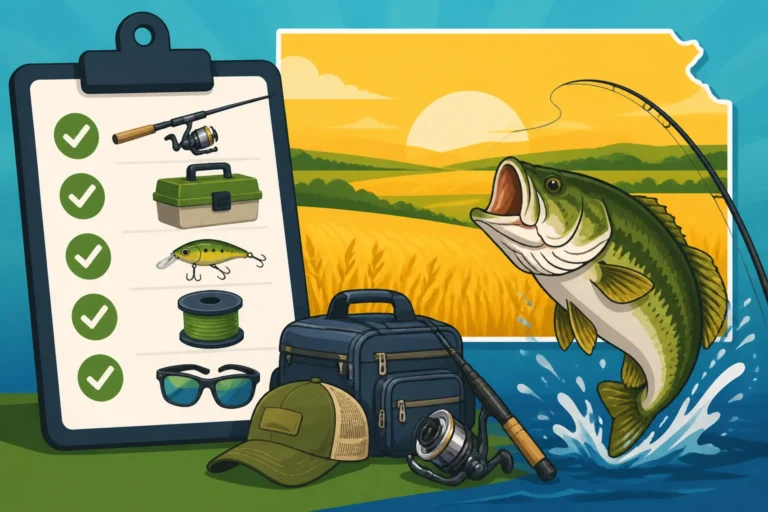
While the rod and reel are the stars of the show, a few other accessories can greatly enhance a child's fishing experience. A small, simple tackle box filled with basic essentials is invaluable. This could include:
- Bobbers: Small, easy-to-see bobbers are perfect for pond fishing. Slip bobbers are great, but a simple clip-on bobber is even easier for kids.
- Hooks: Size 8 or 10 Aberdeen hooks are ideal for panfish.
- Sinkers: Small split shot weights are all you'll typically need.
- Pliers/Forceps: Essential for safely removing hooks.
- Bait: Live bait like worms or crickets are often irresistible to pond fish. Check out Best Bait for Bluegill Ponds for more ideas.
- Sun Protection: A hat and sunscreen are crucial for any outdoor adventure in Kansas.
- Small Net: Helps land fish safely and adds to the excitement.
Having a dedicated, kid-friendly tackle box makes them feel like a genuine angler and encourages them to organize their own gear, fostering responsibility.
| Feature | Young Beginner (Ages 3-7) | Intermediate Youth (Ages 8-12) |
|---|---|---|
| Rod Length | 3-4.5 feet | 4.5-5.5 feet |
| Rod Power | Ultralight to Light | Light to Medium-Light |
| Rod Action | Slow to Moderate | Moderate to Fast |
| Reel Type | Spin-Cast (Push-Button) | Small Spinning (Size 1000-2000) |
| Material | Fiberglass (Durable) | Fiberglass or Composite |
| Grip Type | EVA Foam (Comfortable) | EVA Foam or Cork |
| Line Pre-Spooled | Yes (often 4-6 lb mono) | May be pre-spooled (4-8 lb mono) |
| Key Benefit | Simplicity, Durability | Versatility, Skill Development |
Setting Up for Success: Getting Your Child Ready to Fish in Kansas Ponds
Getting the right gear is just the first step. The real magic happens when you teach them how to use it and create an environment where learning and fun are prioritized. Kansas ponds, often stocked with easy-to-catch species, are fantastic training grounds for young anglers.
Simple Pond Rigs for Easy Catches
When you're fishing with kids, simplicity is your best friend. Overly complicated rigs lead to tangles and frustration. For most Kansas pond species, two basic rigs will cover nearly all your needs:
- Bobber Rig: This is the quintessential kid-friendly setup. Tie a small hook (size 8 or 10) to your line, add a split shot weight a few inches above the hook, and then attach a bobber about 1-2 feet above the weight. The bobber serves two purposes: it keeps your bait suspended at a desired depth, and it acts as a visual strike indicator. When it dips or darts, a fish is biting! This rig is fantastic for bluegill, sunfish, and small crappie, and it’s especially effective when using live bait like worms or corn.
- Bottom Rig: If you're targeting species like channel catfish or prefer to fish directly on the bottom, a simple bottom rig is effective. Tie a hook (a slightly larger size 6 or 4 might be appropriate for catfish) directly to your line, then add a small sinker (like a 1/4 oz egg sinker) above the hook, allowing it to slide freely on the line. Place a small swivel between the sinker and the hook to prevent line twist. This rig is great for fishing with cut bait, stink baits, or even large worms, letting the bait rest on the pond floor where catfish often feed. Remember to verify local rules, as some private pond fishing might have different regulations, but generally, Is a License Required to Fish Farm Ponds in Kansas? depends on ownership.
Teaching Basic Casting Techniques
Casting can be the most daunting part for a young angler, but with a good youth rod and patient instruction, they'll be slinging lines in no time.
- Start on Land (Without a Hook): Begin by tying a practice plug or even a small washer to the line instead of a hook. This eliminates the danger and stress of snagging. Find an open area in your yard or a park.
- The "Clock Face" Method: For spin-cast reels, teach them the "10 o'clock to 2 o'clock" motion. Have them hold the rod up, pointing the tip behind them towards 10 o'clock, then smoothly sweep it forward to 2 o'clock, pressing and releasing the button at the right moment. For spinning reels, explain opening the bail, hooking the line with their finger, sweeping, and releasing.
- Focus on Smoothness: Emphasize a smooth, controlled motion rather than a jerky, powerful one. Short, easy casts are more effective than wild, long ones that often result in tangles.
- Practice Makes Perfect: Set up targets like a hula hoop or a bucket. Make it a game! Celebrate every successful cast, no matter how short.
Always supervise closely, especially when hooks are involved. Teach them about safety, like looking behind them before casting, and how to properly handle fish. For information on specific age requirements, consult resources like Do Kids Need a Fishing License in Kansas? and Age Cutoff for Free Kids Fishing in Kansas.
Prioritizing Fun and Learning Over the Catch
While catching fish is exciting, it shouldn't be the sole focus of a youth fishing trip. The true value lies in the experience: spending time outdoors, learning about nature, and making memories together. Teach them about the fish they catch (you can refer to our Kansas Panfish Guide), the bugs they see, and the sounds of the pond. Point out a heron wading nearby or the dragonflies buzzing over the water.
Patience is a huge part of fishing, and it's a valuable lesson for kids. If the fish aren't biting, don't let it become a source of frustration. Use it as an opportunity to observe, explore, or simply enjoy the quiet moments. Pack snacks, tell stories, and keep the atmosphere light and positive. The goal is to cultivate a love for the outdoors and the simple joy of being by the water. A successful trip is one where everyone had fun, regardless of the size or number of fish caught.
Disclaimer
This article is for general informational purposes only and does not constitute professional advice. Laws, prices and regulations vary by location and change over time. Consult a qualified professional for guidance on your specific situation.