Best Bait for Bluegill Ponds
There's nothing quite like the simple joy of catching bluegill from a quiet Kansas pond. Yet, for all their supposed eagerness to bite, sometimes those little sunfish can be surprisingly finicky, leaving you scratching your head, wondering if you're using the right bait. It's a frustration many of us have faced, especially when trying to introduce kids to the sport. This guide is here to cut through the confusion and get you reeling in those vibrant bluegill, breaking down the very best baits and techniques to ensure your next pond adventure is a resounding success.
Understanding Bluegill Behavior in Ponds
Before we even talk about hooks and worms, it's crucial to understand what makes a bluegill tick. These charming panfish aren't just swimming around aimlessly; they have distinct preferences and behaviors that dictate what, when, and how they eat. Knowing this is your first step to consistent success in any Kansas pond.
Bluegill's Natural Diet in Kansas Ponds
Bluegill are opportunistic feeders with relatively small mouths, meaning they're not going to be chasing down huge chunks of bait. Their natural diet in most Kansas ponds consists largely of insects, small crustaceans like scuds and freshwater shrimp, tiny minnows, and even some plant matter. Think about what falls into the water from overhanging trees – ants, grasshoppers, small beetles – or what lurks just beneath the surface, like aquatic insect larvae. This natural preference for small, protein-rich morsels is why certain baits perform so well. They are often found lurking around submerged cover such as weed beds, fallen timber, or dock pilings, waiting to ambush any small invertebrates that wander by.
Seasonal Changes and Bluegill Feeding Habits
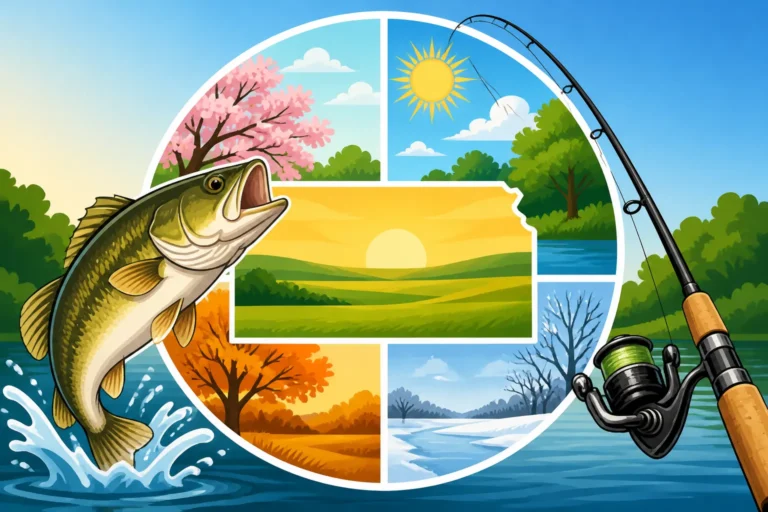
Just like us, bluegill's appetites fluctuate with the seasons. In spring, when the water warms up, they become incredibly active. This is often when you'll find them moving into shallower areas to spawn, and they'll aggressively hit a wide variety of baits. As we move into the heat of a Kansas summer, bluegill might become a bit more lethargic during the day, seeking deeper, cooler water, but they'll still feed actively, especially in the early mornings and late evenings. You can dive deeper into these patterns with our comprehensive guide on Kansas Summer Fishing Guide. Fall brings another burst of feeding activity as they try to fatten up for winter, often moving back to shallower flats before retreating to deeper water when the ice starts to form. During winter, their metabolism slows significantly, and while they'll still bite, presentations often need to be much slower and baits smaller to tempt them.
Top Natural Baits for Bluegill in Kansas
When it comes to bluegill, sometimes the simplest, most natural options are the absolute best. These tried-and-true baits have been catching panfish for generations, and for good reason—they mimic exactly what bluegill are accustomed to eating.
Worms: The Unbeatable Classic
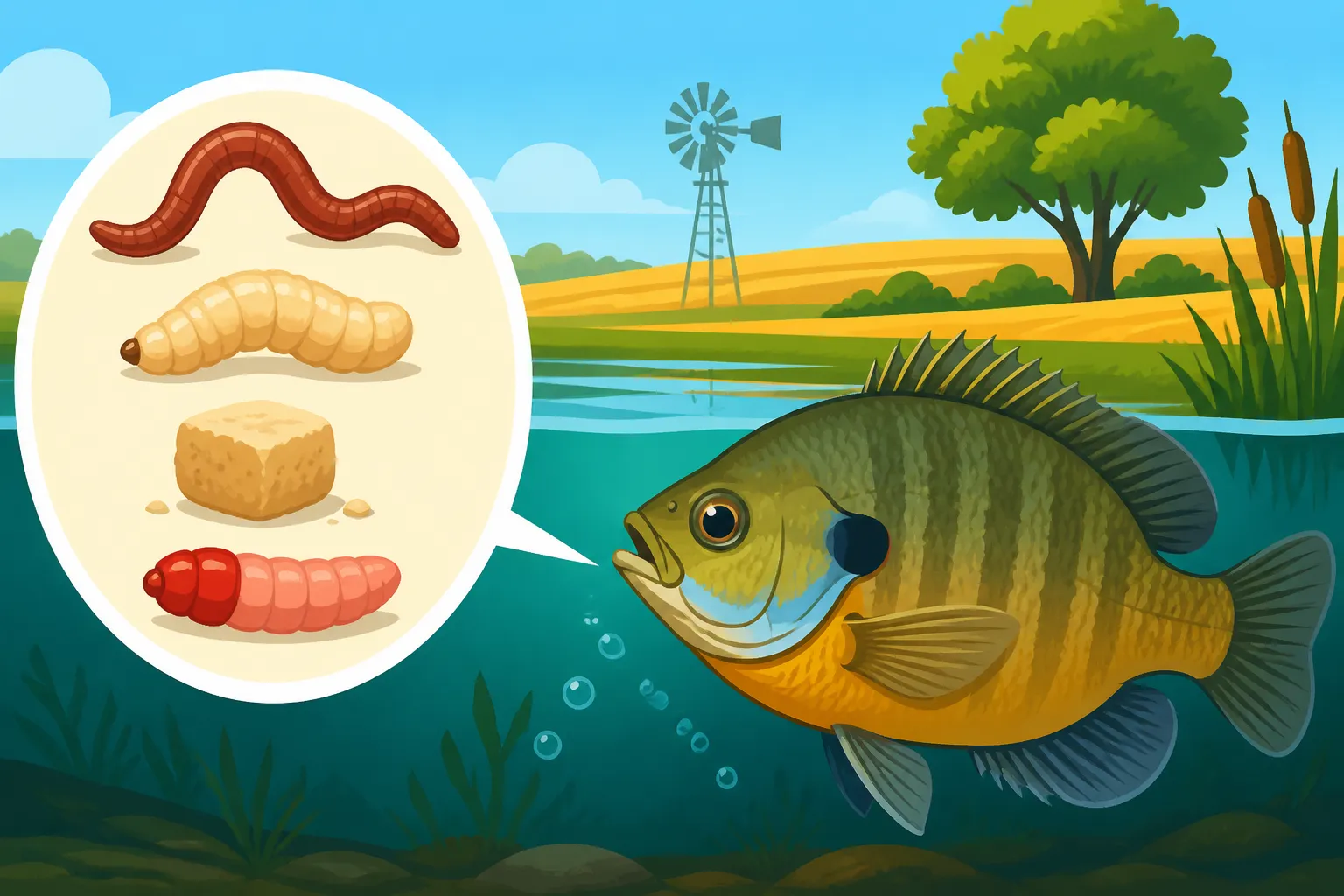
You simply cannot talk about bluegill fishing without mentioning worms. They are, without a doubt, the king of natural baits for bluegill in Kansas. Red wigglers are particularly effective because of their lively action and scent, but even pieces of a regular nightcrawler will do the trick. The key is to use a small piece, just enough to cover your hook, leaving a bit wiggling to attract attention.
Imagine casting a small piece of worm near a brush pile at a community fishing lake, like those managed by the KDWP. The scent disperses, the worm wiggles, and it’s an irresistible call to any nearby bluegill. You can often dig up red wigglers in your own compost pile or garden, or easily pick them up at almost any local bait shop in Kansas, like those you'd find near Milford Lake or Cheney Reservoir. They're inexpensive, easy to keep, and almost guaranteed to get bites. When discussing easy baits for beginners, worms are a frequent topic in guides like Kansas Fishing Techniques for Beginners because of their universal appeal.
Crickets and Grasshoppers: Live Action
For an exciting, visual bite, especially during the warmer months, crickets and grasshoppers are fantastic bluegill baits. These insects are a staple in a bluegill's diet in ponds with grassy banks. The frantic kicking and buzzing on the surface or just below can trigger aggressive strikes from larger bluegill.
You can often catch your own grasshoppers in fields or buy crickets by the dozen at bait shops. Hook them gently through the collar or just under the head to keep them alive and kicking. A simple bobber rig with a live cricket allowed to dangle tantalizingly near some lily pads can lead to some truly explosive takes. This live action is often what sets them apart, making them a fantastic choice when the fish are a bit more active. Just be sure to handle them carefully; they can be fragile!
Bread and Corn: Budget-Friendly Options
Sometimes, you're on a budget, or you've forgotten to pick up live bait. That's when household staples like bread and corn can save the day. While not always as effective as worms or crickets for consistent catching, they can definitely entice bluegill, especially in heavily fished ponds where the fish are accustomed to unusual offerings.
To use bread, simply pinch off a small piece and roll it into a tight ball around your hook. It will soften and create a scent trail in the water. Canned corn kernels can be threaded onto a small hook, and their bright color can be quite appealing. These baits are particularly useful for kids, as they're easy to handle and readily available. They might not catch the biggest fish in the pond, but they offer a very accessible way to get bites. For anglers looking for similar budget-friendly options for other panfish, our guide on Best Bait for Kansas Crappie also explores cost-effective alternatives.
Effective Artificial Baits and Lures for Bluegill
While natural baits are hard to beat, artificial lures offer an exciting and often more active way to catch bluegill. They also eliminate the need to constantly re-bait, letting you cover more water.
Micro Jigs and Soft Plastics
For the serious panfish angler, micro jigs are an absolute game-changer. These tiny jigs, often weighing 1/64 to 1/32 ounce, mimic small insects, minnows, or aquatic larvae. They come in a dazzling array of colors and are usually paired with equally tiny soft plastic bodies, like grubs, tubes, or micro-shiners.
Popular brands offer these versatile baits. For instance, you can find a huge selection of tiny soft plastic grubs and jig heads on Amazon, which allows you to experiment with different sizes and colors to see what the bluegill in your specific pond prefer. Chartreuse, white, black, and pink are often excellent starting points. Fish them under a bobber for a slow, controlled descent, or cast them out and retrieve them with a super slow, subtle jigging action. The key is to make them look as natural and alive as possible, almost like a tiny insect struggling in the water. They are especially effective when bluegill are schooled up on structure.
Small Spinners and Flies
If you're looking for a more aggressive presentation, or targeting larger bluegill, small spinners and flies can be incredibly effective. Spinners, like a tiny Rooster Tail or Panther Martin, create flash and vibration that can call in bluegill from a distance. Their spinning blade mimics a fleeing baitfish or insect, often provoking a strike purely out of aggression.
For the fly angler, bluegill offer endless fun. Small poppers fished on the surface during warm evenings can lead to spectacular, splashy strikes. Wet flies and nymphs can be fished subsurface, mimicking insect larvae. Even a simple dry fly can be deadly if there's a hatch occurring. Brands like Mepps and Worden's offer excellent small spinners perfect for bluegill, and many fly shops around Kansas City or Topeka will have a good selection of panfish flies. The exhilarating surface strike on a popper is something every angler should experience, and it’s a perfect way to expand your Kansas Fishing Techniques for Beginners.
| Bait Type | Effectiveness for Bluegill | Cost | Ease of Use | Best Conditions | Where to Buy/Find |
|---|---|---|---|---|---|
| Natural Baits | |||||
| Red Wigglers/Worms | Excellent | Low | Very Easy | All seasons, especially good when slow bites | Garden, compost, bait shops |
| Crickets | Excellent | Med | Easy | Warm months, active fish, surface bites | Bait shops, catch your own |
| Grasshoppers | Excellent | Free | Easy | Warm months, active fish, surface bites | Fields, grassy areas |
| Bread/Corn | Good | Very Low | Very Easy | Opportunistic, when other baits fail, budget-friendly | Grocery store, your kitchen |
| Artificial Baits | |||||
| Micro Jigs | Excellent | Low-Med | Med | All seasons, subtle presentation, deeper water | Tackle shops, outdoor retailers, online (Amazon) |
| Small Spinners | Good-Excellent | Med | Med | Active fish, covering water, aggression bites | Tackle shops, outdoor retailers, online (Amazon) |
| Flies (Poppers/Nymphs) | Excellent (with fly gear) | Med | Med-Hard | Surface action, matching hatches, specific technique | Fly shops, online (Amazon) |
Rigging and Presentation Tips for Bluegill Success
Having the best bait is only half the battle. How you rig it and how you present it to the bluegill makes a massive difference. Bluegill, despite their size, can be surprisingly discerning.
Simple Bobber Rigs for Beginners
For newcomers, especially kids, the classic bobber rig is king. It's incredibly simple, effective, and visually exciting when that bobber dips below the surface. A basic setup includes a small bobber, a few split shot weights (just enough to make the bobber stand upright), and a small hook (size 8 or 10 is usually perfect). This setup allows the bait to suspend at a specific depth, which is great for fishing over submerged cover or in areas where you know the bluegill are holding.
When setting up your bobber, ensure the depth is appropriate for the water you're fishing. If you're near lily pads, you might only need to set your bait a foot or two deep. In deeper water or over brush piles, you might go several feet down. This setup is forgiving and provides that iconic visual cue of a bite that brings so much joy. You can easily find affordable bobber and split shot assortments on Amazon, making it simple to get started.
Stealthy Approaches for Finicky Bluegill
Sometimes, bluegill in clear, heavily fished ponds can be incredibly wary. They've seen it all, and a big, brightly colored bobber splashing down might send them scurrying. In these situations, a stealthier approach is needed. This often means going with lighter line (2-4 pound test monofilament or fluorocarbon), smaller hooks, and minimal or no weight.
Consider fishing without a bobber, letting a tiny jig or a small piece of worm slowly flutter down naturally. This "tight-lining" approach requires a bit more feel, as you'll detect bites by watching your line or feeling faint tugs, but it can be incredibly effective on pressured fish. For more advanced anglers, fly fishing for bluegill with unweighted flies is the ultimate stealth play, offering a natural presentation that's hard for even the most cautious bluegill to resist. Remember, bluegill have excellent eyesight, so a natural, subtle presentation can often turn a slow day into a productive one. When fishing for smaller fish like bluegill, understanding your line choices is critical, and we cover similar topics in Best Line Weight for Kansas Crappie.
Where to Find the Best Bluegill Ponds in Kansas
Kansas is dotted with fantastic bluegill ponds, from small private farm ponds to larger public community lakes. The Kansas Department of Wildlife and Parks (KDWP) manages numerous community fishing lakes across the state, many of which are specifically stocked and managed for panfish like bluegill and crappie. Places like Lake Shawnee in Topeka, Veterans Memorial Park Lake in Wichita, and dozens of smaller city and county lakes are prime bluegill territory. Many of these lakes even have accessible fishing piers, making them great for families or anglers with mobility challenges.
Don't overlook private farm ponds if you have permission! These smaller, often less-pressured bodies of water can hold some surprisingly large bluegill. Always remember to check the current Kansas Fishing Regulations Explained for any specific rules pertaining to the waterbody you plan to fish, including daily creel limits and length limits, though bluegill often have very generous limits. Knowing where to go and what rules apply will make your trip both enjoyable and legal.
Disclaimer
Please note that fishing conditions and regulations in Kansas can change. Always consult the latest Kansas Department of Wildlife and Parks (KDWP) regulations guide before heading out on your fishing trip. This guide is for informational purposes only and does not constitute legal advice.