Kansas Farm Pond Fishing Tips
Navigating the vastness of Kansas's large reservoirs can sometimes feel overwhelming, leaving many anglers longing for a simpler, more intimate fishing experience. Public access points can be crowded, the fish patterns complex, and the sheer scale of the water intimidating, especially if you're just starting out or looking for a relaxing day. But tucked away across the rolling Kansas landscape are thousands of private farm ponds, offering an often-untapped world of fantastic fishing opportunities for those willing to seek them out. This comprehensive guide will walk you through everything you need to know to successfully fish these secluded havens, from understanding their unique ecosystems to mastering techniques and respecting landowner relations.
Why Farm Ponds Are Hidden Gems for Kansas Anglers
Many anglers overlook farm ponds, often because they focus solely on larger, more well-known public fishing destinations like Milford Lake or Cheney Reservoir. However, these smaller bodies of water offer a completely different, often more rewarding, fishing experience that can be perfect for beginners, families, or seasoned pros looking for a change of pace. They represent a significant portion of Kansas’s angling potential, providing a distinct set of advantages that large lakes simply can’t match.
The Appeal of Seclusion and Simplicity
One of the most immediate benefits of farm pond fishing is the undeniable sense of peace and quiet. You won’t typically contend with roaring bass boats, jet skis, or crowded shorelines. Instead, you’ll often find yourself in a serene, natural setting, surrounded by the sounds of birds and rustling leaves. This tranquility makes farm ponds ideal for escaping the hustle and bustle, allowing you to truly relax and focus on the fishing without distractions. It’s a fantastic environment for introducing children to fishing, as they can enjoy the sport in a safe, less intimidating space.
Beyond the calm, there's a simplicity to pond fishing that many find refreshing. You don't necessarily need a fancy boat or a vast array of high-tech electronics to locate fish. The smaller scale means you can often explore an entire pond by foot, making it accessible for bank anglers. This straightforward approach can reduce the stress associated with planning a major fishing expedition, turning it into a spur-of-the-moment outing whenever the mood strikes.
Abundant Fish and Faster Action
Don’t let their size fool you; Kansas farm ponds are often teeming with fish. Due to their smaller confines, fish populations tend to be more concentrated than in sprawling reservoirs. This means less searching and often faster, more consistent action. It’s not uncommon to pull out several bass or a stringer full of bluegill in a relatively short amount of time, which can be incredibly encouraging for new anglers or those looking for a quick fix of fishing excitement. Many ponds are managed by their owners, who might stock them with desirable species like channel catfish or largemouth bass, ensuring a healthy and thriving fishery.
Common species you'll encounter in Kansas farm ponds include largemouth bass, various panfish like bluegill and crappie, and several types of catfish, primarily channel catfish, but sometimes bullheads too. These ponds serve as crucial habitats for a variety of aquatic life, making them lively ecosystems. For a broader look at what swims in our state, check out our guide on Kansas Fish Species Guide. The concentrated nature of these fisheries also means fish might be less wary than their counterparts in heavily pressured public waters, making them more receptive to a wider range of baits and techniques.
Learning Opportunities and Skill Building
For both beginners and experienced anglers, farm ponds offer an excellent environment for honing fishing skills. The compact nature of the water allows you to observe fish behavior more closely. You can experiment with different lures, baits, and presentation styles in a relatively controlled setting, quickly learning what works and what doesn’t. This hands-on learning can build confidence and a deeper understanding of fish habits and habitat preferences.
If you're new to fishing, starting with a farm pond can be far less daunting than tackling a large lake. The techniques are often simpler, and the chances of success are higher, which is crucial for fostering a lifelong love of the sport. Even experienced anglers use farm ponds as a testing ground for new gear or advanced tactics before applying them to larger, more challenging waters. It's a fantastic place to perfect your casting, improve your hook sets, and understand how various factors like water depth and cover influence fish location.
Understanding Kansas Farm Pond Ecosystems
To consistently catch fish in a farm pond, you need to think like a fish. That means understanding the pond’s unique ecosystem, from its physical structure to its water quality and the food sources available. Unlike massive reservoirs with complex hydrological systems, farm ponds often present more decipherable patterns, making it easier to predict where fish might be holding.
Pond Structure and Fish Shelters
Every pond has a “personality,” defined by its structure. Fish, being creatures of comfort and survival, will always relate to structure for protection from predators, ambush points for prey, or simply a comfortable spot to rest. When you approach a farm pond, take a moment to “read” the water. Look for visible signs of structure such as fallen trees, brush piles, rocky areas, or defined weed lines. These are prime locations where fish will congregate.
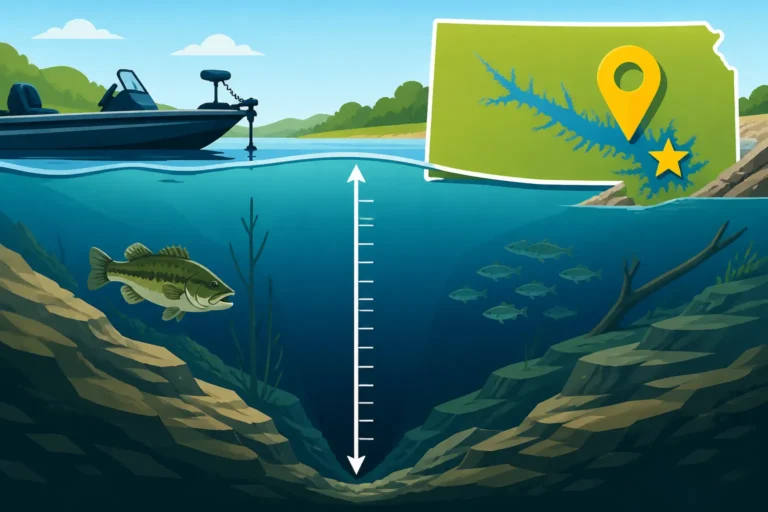
Below the surface, there might be even more to discover. Old creek channels, subtle drop-offs, and submerged humps can be fantastic fish magnets. Inlets where water flows into the pond, especially after a rain, can carry in food and oxygen, drawing fish. Outlets where water leaves the pond can also create current breaks that fish utilize. The deepest part of the pond, often near the dam, can be a crucial refuge for fish during extreme temperatures, both hot and cold. Understanding these structural elements is key to locating concentrations of fish, rather than just casting blindly.
Water Quality and Its Impact on Fish
Water quality is a critical factor influencing fish activity and health in any body of water, and farm ponds are no exception. Factors like water clarity, temperature, and oxygen levels play a huge role. Clear water might mean fish are more wary, requiring lighter lines and more subtle presentations. Muddy water, often caused by heavy rains or agricultural runoff, can scatter fish and make it harder for them to find your bait, but it also provides cover, making them bolder.
Water temperature dictates fish metabolism and where they'll be found. In spring, as water warms, fish move to shallow areas to spawn. In summer, they'll seek cooler, deeper water or shade. Dissolved oxygen is vital; ponds with excessive algae blooms or stagnant conditions can suffer from low oxygen, making fish lethargic or even leading to fish kills. Healthy ponds typically have good oxygen levels throughout, supporting active fish. Pay attention to the water color, clarity, and any signs of distress in the fish you observe, as these can tell you a lot about the pond's overall health.
Forage and Prey in Farm Ponds
Just like any predator, pond fish are constantly on the lookout for their next meal. Understanding what they’re eating – or *could* be eating – will significantly improve your bait selection. Common forage in Kansas farm ponds includes smaller baitfish like minnows and shad (if stocked), crayfish, frogs, and a plethora of insects and their larvae. Bluegill, for example, are a primary food source for largemouth bass in many ponds.
"Matching the hatch" means choosing a bait or lure that mimics the size, shape, and color of the natural prey in the pond. If you see dragonflies buzzing around, a topwater lure might be effective. If you notice crayfish scurrying along the bottom, a brown or green soft plastic creature bait could be a winner. Observing the pond's insect life, local minnow populations, and aquatic invertebrates can give you valuable clues about what the fish are keying in on. The more accurately your offering imitates a natural food source, the higher your chances of getting a bite.
Essential Gear for Successful Pond Fishing
You don’t need a boatload of expensive gear to have a fantastic time fishing farm ponds, but having the right tools for the job certainly helps. The beauty of pond fishing is that it often calls for simpler, more versatile tackle, making it perfect for anglers who prefer a minimalist approach or are just starting to build their arsenal. Our comprehensive Kansas Fishing Gear Guide covers a wide range of equipment, but here we’ll focus on what you’ll specifically need for those cozy farm ponds.
Rods, Reels, and Line for Ponds
For most farm pond scenarios, lighter tackle is your best friend. A medium-light to medium action spinning rod, typically 6 to 7 feet in length, paired with a 1000 to 2500 series spinning reel, is incredibly versatile. This setup allows for accurate casting of lighter lures and baits, yet still has enough backbone to handle a feisty largemouth bass or a decent-sized channel catfish.
When it comes to fishing line, a good quality monofilament or fluorocarbon line in the 6- to 10-pound test range is usually perfect. Monofilament offers good knot strength and stretch, which can be forgiving. Fluorocarbon is less visible underwater and more sensitive, which can be advantageous in clear water conditions. Braided line can also be used, especially if you're targeting bigger bass around heavy cover, but you'll often want to tie a fluorocarbon leader to it for stealth.
Go-To Baits and Lures for Farm Pond Species
The beauty of pond fishing is that fish are often less pressured and more willing to bite a variety of offerings. For panfish like bluegill and crappie, live bait is incredibly effective. Simple garden worms, red wigglers, or crickets suspended under a small bobber will almost always produce bites. Small jigs (1/32 to 1/16 ounce) tipped with a piece of worm or a tiny plastic grub are also deadly.
For largemouth bass, you'll want to diversify your tackle box a bit more. Soft plastics are king: Texas-rigged worms or creature baits, wacky-rigged senkos, and plastic craws are all excellent choices for fishing around cover. Spinnerbaits and chatterbaits are great for covering water and triggering reaction strikes. Don't forget topwater lures like poppers, frogs, and walking baits, especially during low-light conditions in spring and summer – nothing beats a bass exploding on a topwater! For catfish, nothing beats stink bait, cut bait, or good old nightcrawlers fished on the bottom. If you're looking for specifics on what tempts the whiskered ones, our Best Bait for Kansas Catfish article has you covered.
Must-Have Accessories for the Pond Angler
Beyond your rod and reel, a few key accessories will make your farm pond fishing trip much more enjoyable and efficient. A small tackle box or bag that’s easy to carry is essential for organizing your baits, lures, hooks, and sinkers. Pliers or a multi-tool are crucial for removing hooks and cutting line. Don’t forget a pair of line clippers!
Depending on the season, sunscreen and bug spray are non-negotiable for comfort. A small cooler with water and snacks will keep you hydrated and fueled. A small stringer or a cooler with ice will come in handy if you plan on keeping any fish for dinner. A basic first-aid kit is always a good idea, as is a headlamp if you plan on fishing into the evening. Finally, a pair of polarized sunglasses will help you see into the water, spot structure, and even track fish.
| Fish Species | Preferred Baits/Lures | Key Techniques | Best Pond Locations |
|---|---|---|---|
| Largemouth Bass | Soft Plastic Worms, Senkos, Spinnerbaits, Topwater, Jigs | Cast near cover, twitch/retrieve, Texas/Wacky rig | Weed lines, brush piles, fallen trees, drop-offs |
| Channel Catfish | Stink Bait, Cut Bait, Nightcrawlers, Chicken Liver | Bottom fishing with slip sinker rig, tightlining | Deep holes, near dam, inlets, muddy bottoms |
| Bluegill/Sunfish | Worms, Crickets, Small Jigs (1/32 oz), Tiny Spoons | Under a bobber, slow retrieve, light tackle | Shallow edges, lily pads, submerged timber |
| Crappie | Small Jigs (1/16 oz), Minnows, Micro Tubes | Under a bobber, vertical jigging, slow troll/retrieve | Brush piles, submerged trees, deeper structure |
Key Techniques for Catching Fish in Kansas Ponds
While the gear is important, knowing *how* to present your bait and where to cast it is what truly separates a successful angler from one who struggles. Farm ponds offer a fantastic playground to practice and refine these techniques, as the fish can often be more forgiving than those in highly pressured public waters. Mastering these core methods will dramatically increase your catch rate across different species.
Mastering Largemouth Bass in Ponds
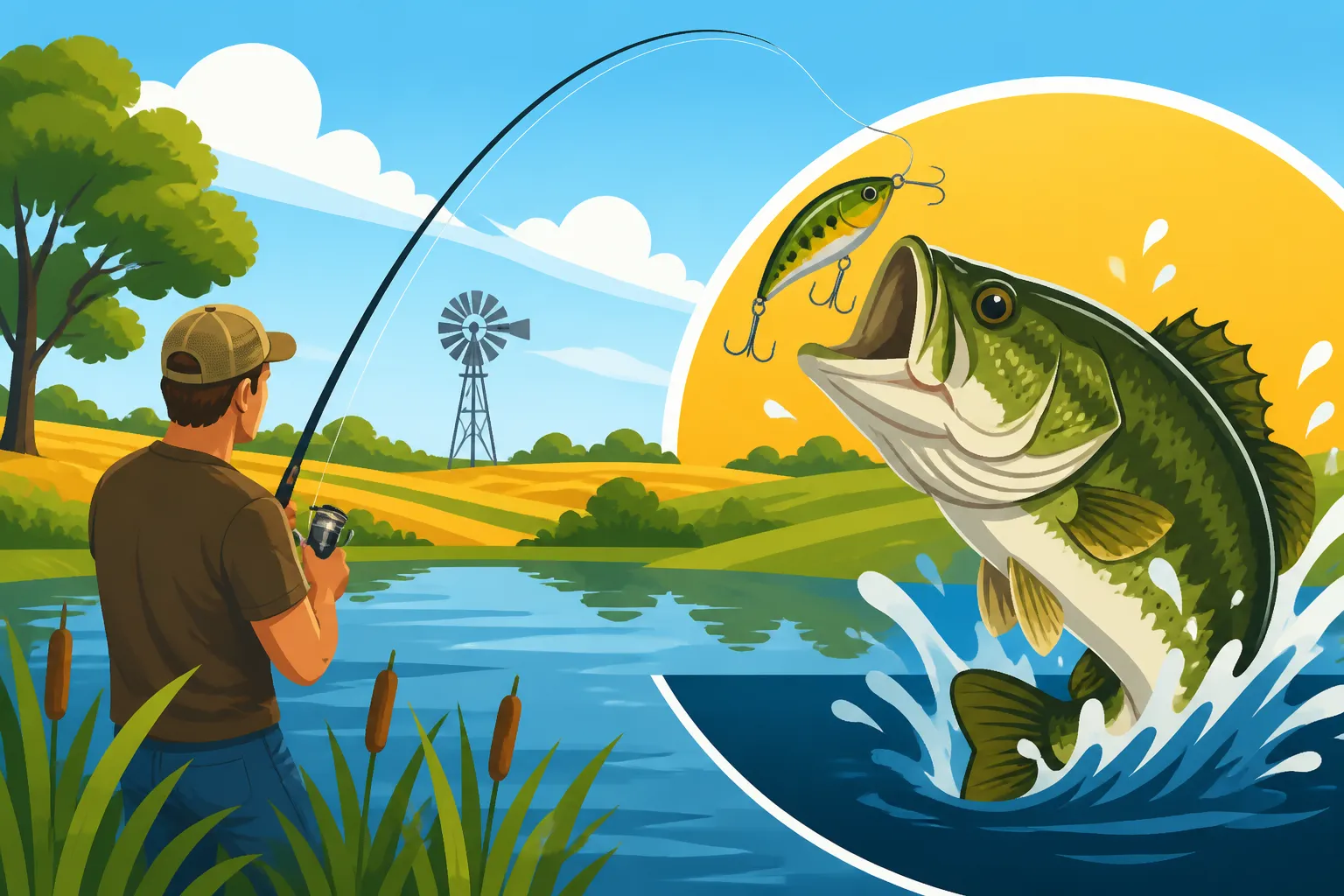
Largemouth bass are typically the apex predators in a Kansas farm pond, and they love structure. Your strategy should revolve around identifying and fishing these ambush points. Look for obvious cover like submerged logs, weed beds, lily pads, or even old tires if the pond has them. Bass will often hold tight to these areas, waiting to ambush unsuspecting prey. For a comprehensive overview of targeting these aggressive fish, be sure to check out our Kansas Bass Fishing Guide.
Techniques for bass include Texas rigging soft plastic worms or creature baits to fish through thick cover without snagging. Wacky rigging a Senko-style bait provides a subtle, irresistible fall that often triggers strikes from reluctant bass. Spinnerbaits and chatterbaits are excellent for covering water quickly and drawing strikes, especially when fish are active. During early morning or late evening, or on cloudy days, topwater lures like frogs or poppers can provide explosive, heart-pounding action as bass erupt from the surface. In spring, when bass move shallow to spawn, fishing around the perimeter of the pond can be particularly productive. For more insights on seasonal opportunities, our Best Spring Fishing Spots in Kansas might give you some extra ideas, even though it focuses on larger bodies of water, the principles still apply to ponds.
Enticing Panfish (Bluegill & Crappie)
Panfish, including bluegill, redear sunfish, and crappie, are often the most abundant species in a farm pond, making them perfect targets for consistent action, especially for kids. They’re typically less finicky than bass, but understanding their habits will lead to bigger numbers. Bluegill love shallow, warm water, especially around aquatic vegetation like lily pads or cattails. They’re often found sunning themselves in large schools.
For bluegill, a simple hook, split shot, and bobber setup with a small piece of worm, a cricket, or a corn kernel is incredibly effective. Small jigs (1/32 to 1/16 ounce) tipped with a tiny plastic grub or a piece of Gulp! bait can also be deadly. Crappie, while still panfish, tend to prefer deeper water and relate more closely to submerged structure like brush piles, submerged trees, or old creek channels. They often suspend at specific depths. Vertical jigging a small minnow or a 1/16-ounce jig near this structure is a fantastic way to catch them. For more specialized methods, our article on Kansas Crappie Fishing Techniques offers some advanced tips that can be adapted for pond fishing.
Hooking Channel Catfish and Bullheads
Catfish are another common inhabitant of Kansas farm ponds, providing excellent sport and delicious table fare. Channel catfish are typically active throughout the day, but often feed more aggressively in low-light conditions or at night. Bullheads are also common and are often easier to catch, especially by newer anglers. These whiskered bottom-dwellers are scavengers and have an incredible sense of smell.
The most effective technique for catfish is bottom fishing. A simple slip-sinker rig with a hook (circle hooks are excellent for preventing gut hooks) baited with stink bait, cut bait (like shad or hot dogs), or a big nightcrawler will usually do the trick. Cast your bait out and let it sit on the bottom, allowing the scent to disperse. For more detailed information on their preferences, consult our Kansas Catfish Species Guide. Catfish will often hold in the deepest parts of the pond, near the dam, or in any muddy-bottomed areas. Pay attention to inlets, as runoff can wash food into the pond, drawing catfish to these areas. Night fishing can be incredibly productive for larger channel catfish, as they become bolder under the cover of darkness.
Accessing Farm Ponds and Ethical Considerations
Fishing a private farm pond isn’t like heading to a public lake. The rules of engagement are different, and respecting those differences is paramount to enjoying these unique fisheries and ensuring future access. Private land means private rules, and without proper respect and courtesy, these hidden gems remain just that – hidden from you.
Gaining Permission: The Golden Rule
This is, without a doubt, the most important aspect of farm pond fishing in Kansas. Most farm ponds are on private property, and trespassing is illegal and disrespectful. You **must** obtain permission from the landowner before casting a line. This isn’t just a suggestion; it’s a fundamental principle of ethical angling on private land. Ignoring this rule can lead to legal trouble, fines, and permanently close off access for everyone.
Approaching landowners respectfully, explaining your intentions (e.g., "I'd love to do some catch-and-release bass fishing"), and offering to share any fish you catch can go a long way. Be prepared for a "no," but many landowners are surprisingly open to anglers who are courteous and promise to respect their property. Remember, the Kansas Fishing License Guide clearly states that even on private waters, a valid fishing license is generally required unless you fall under specific exemptions. For clarity, it's worth checking our article on Is a License Required to Fish Farm Ponds in Kansas? to ensure you're always legal. A good impression makes all the difference in building trust and potentially securing long-term access to a fantastic fishing spot.
Catch and Release vs. Keeping Fish
Once you have permission, discuss the landowner’s preferences regarding keeping fish. Some landowners stock their ponds specifically for harvesting, encouraging anglers to take fish to help manage the population. Others might prefer a strict catch-and-release policy, especially for trophy bass. Always clarify these expectations upfront.
Even if allowed to keep fish, practicing selective harvest is often beneficial for the pond's health. For bass, sometimes removing smaller, stunted fish can help the remaining bass grow larger. For panfish, taking a reasonable number for a meal is usually fine. For channel catfish, many ponds can sustain a good harvest. However, never over-harvest a pond, as it can quickly deplete the fishery and ruin it for future enjoyment. Always consider the pond's carrying capacity and the sustainability of your actions.
Leave No Trace Principles
Being a responsible angler on private property means adhering to “Leave No Trace” principles. This means packing out everything you pack in – and then some. Don’t leave behind any trash, fishing line, bait containers, or food wrappers. Take extra care to avoid damaging vegetation, fences, or any farm equipment. Close all gates behind you, and drive only on designated paths to avoid compacting soil or disturbing crops.
If you bring a portable boat or kayak, ensure it's clean to prevent the spread of invasive species from other waterways. Always be mindful of livestock and pets. Leave the area in better condition than you found it. This courtesy reinforces trust with landowners and ensures that these wonderful fishing opportunities remain available. Your actions reflect on all anglers, so be a good ambassador for the sport.
Seasonal Strategies for Kansas Pond Fishing
Kansas weather is notoriously variable, and fish behavior in farm ponds changes dramatically with the seasons. What works in spring might be completely ineffective in the heat of summer or the cold of winter. Adapting your approach to the time of year is crucial for consistent success. Our comprehensive Kansas Fishing Seasons Guide provides an excellent foundation, but here we’ll delve into how these seasonal shifts specifically impact farm pond fishing.
Spring: The Shallow Water Bonanza
Spring is arguably the most exciting time to fish Kansas farm ponds. As water temperatures begin to rise, fish become incredibly active. Largemouth bass move into shallow areas to spawn, often found cruising the banks or holding tight to cover in just a few feet of water. This is when topwater baits, spinnerbaits, and soft plastics fished slowly can be incredibly effective. Bass are aggressive and focused on reproduction, making them more vulnerable.
Panfish, especially bluegill and crappie, also move shallow to spawn. Look for bluegill beds in protected coves or along shallow flats, often identifiable by circular depressions in the substrate. Crappie will stage near submerged brush or trees in slightly deeper water before moving to shallower cover. Small jigs and live minnows or worms under a bobber are deadly. The cool, comfortable weather for anglers, combined with aggressive, shallow fish, makes spring a prime time for farm pond action.
Summer: Deep Water and Early/Late Bites
As summer heats up, farm pond fishing can become more challenging, but by no means impossible. The sun bakes the shallow water, driving fish to deeper, cooler sections of the pond or into dense shade. Focus your efforts on the deepest parts of the pond, around the dam, or where there’s significant overhead cover like overhanging trees or thick lily pads.
During the scorching midday, the bite will often slow down significantly. Your best bet is to fish during the early morning hours, just after sunrise, and in the late evening, leading up to and after sunset. These low-light periods offer cooler water temperatures and increased fish activity. Topwater baits can still be effective during these times for bass. For catfish, summer nights are prime time. Use strong-smelling baits like stink bait or cut bait on the bottom in deeper holes. Be prepared for longer waits between bites, but the reward of a big catfish on a summer night is well worth it.
Fall: Feeding Frenzies and Preparation for Winter
Fall brings a resurgence of activity to Kansas farm ponds, often rivaling spring in terms of fishing quality. As water temperatures begin to cool, fish sense the approaching winter and enter a feeding frenzy, trying to pack on as much weight as possible. This makes them incredibly aggressive and willing to chase down baits.
Bass will often be found cruising the entire water column, chasing baitfish. Crankbaits, spinnerbaits, and swimbaits are excellent for covering water and locating active schools. Look for concentrations of baitfish, as bass won't be far behind. Crappie will begin to school up around deeper structure, making them easier to target with vertical jigging. Catfish remain active as long as water temperatures are mild, continuing to feed heavily. Fall is also a beautiful time to be out on the water, with changing foliage adding to the serene experience.
Winter: Tougher Bites and Ice Fishing Opportunities
Winter fishing in Kansas farm ponds requires patience and a significant adjustment in technique. Fish metabolism slows dramatically in cold water, making them less active and more lethargic. They’ll often school up in the deepest, most stable temperature zones of the pond. Presentations need to be very slow and subtle, with smaller baits.
If the ice is thick enough and safe (at least 4 inches of clear ice), some farm ponds can offer excellent ice fishing. Small jigs tipped with wax worms or minnow heads are effective for panfish, while larger spoons or jigs can tempt bass and catfish. Always prioritize safety when ice fishing; check ice thickness frequently. If ice fishing isn't an option, or if the pond remains unfrozen, fishing in winter means targeting those deeper holes with slow-moving baits like jigs, spoons, or even live bait presented with minimal movement. For a deeper dive into fishing during the coldest months, check out our Kansas Ice Fishing Guide or the specific advice in How to Fish a Kansas Pond in Winter. Even when it's cold, a patient angler can still find success in a farm pond.
Disclaimer
Fishing regulations and licensing requirements are subject to change. Always consult the latest official Kansas Department of Wildlife, Parks, and Tourism (KDWPT) regulations before fishing. This guide is for informational purposes only and does not supersede state laws or landowner permissions. Always prioritize safety and ethical angling practices.