Best Tackle for Ice Fishing Panfish in Kansas
There's nothing quite like the stillness of a Kansas winter morning, the crunch of snow underfoot, and the anticipation of dropping a line through a hole in the ice. But if you've ever spent a frustrating day watching your sonar screen without a single bite, or worse, felt a whisper of a tap only to come up empty, you know the challenge of ice fishing for panfish. These finicky eaters require a special touch, and this guide is here to unravel the mystery of the best tackle to help you reel in those elusive Kansas crappie, bluegill, and perch.
The Subtle Art of Panfish Ice Fishing in Kansas
Ice fishing for panfish in Kansas is a beloved winter pastime, but it demands a different approach than open-water fishing. When the water turns to ice, the fish slow down, their metabolism drops, and their bites become incredibly subtle. This isn't the time for heavy gear or aggressive tactics. Success hinges on finesse, sensitivity, and understanding how these fish behave in their icy domain.
Why Panfish Require Specialized Tackle
Think about it: a bluegill in sub-40-degree water isn't going to aggressively chase down a big lure. They're conserving energy, and their strikes are often just a slight inhale, barely moving the bait. If your rod tip is too stiff, your line too heavy, or your lure too bulky, you simply won't feel these delicate bites. It's incredibly frustrating to know fish are there, but you can't connect with them. Standard fishing gear, designed for larger fish or warmer water, just won't cut it. You need tackle that amplifies every tiny vibration, allowing you to detect those ghostly takes. This specialized approach ensures that you're not just fishing, but truly sensing the underwater world.
Understanding Kansas Panfish Behavior Under Ice
Under a blanket of ice, Kansas panfish — like crappie, bluegill, and sometimes even yellow perch in certain northern lakes — often school up and relate closely to structure. They might congregate around deep weed lines, submerged timber, brush piles, or along sharp breaks and humps in deeper water. Their movements are typically slow, and they often hold tight to these areas for warmth and security. A common scenario involves them suspended a few feet off the bottom, or nestled right into the branches of a sunken tree. Presenting a tiny lure with minimal movement, often referred to as "dead sticking" or barely jigging, is usually the key. You'll want to remember these fish are conserving energy, so a slow, tempting meal is far more appealing than something they have to exert themselves to catch. If you want to dive deeper into the tactics, our Kansas Ice Fishing Guide has more tips.
Essential Rods and Reels for Panfish Ice Fishing
The foundation of successful panfish ice fishing tackle lies in the rod and reel. This is where sensitivity and precision truly shine. You need a setup that's light enough to feel the slightest nibble, yet strong enough to handle a healthy slab crappie or a feisty bluegill.
Ultra-Light Rods for Sensitivity
For panfish, forget those stiff, heavy rods you use for bass or catfish. You're looking for an ultra-light action ice rod, typically ranging from 24 to 30 inches in length. This shorter length is perfect for fishing inside a small shelter or jigging over a hole. The key characteristic is a super sensitive tip, often made from graphite or even a springy carbon fiber composite. This tip acts like an antenna, transmitting the faintest tap directly to your hand.
Imagine the frustration of seeing fish on your fish finder, only to feel nothing with your rod. A sensitive rod changes everything. When a bluegill just "mouths" your bait, that ultra-light tip will show a slight bend or quiver that a stiffer rod would entirely miss. This sensitivity is paramount for detecting those subtle bites that are so common in cold water. You'll find a wide variety of these specialized rods at outdoor retailers like Bass Pro Shops. When choosing, bend the tip gently; it should have a noticeable flex without feeling flimsy. For crappie specifically, getting the right rod can make a huge difference, and our guide on the Best Rod and Reel Combo for Crappie goes into more detail.
Small Spinning Reels and Micro Spool Options
Paired with your ultra-light rod should be an equally small spinning reel. We're talking about sizes 500 or 1000, which are compact and lightweight. The most crucial feature of these reels is a super smooth, adjustable drag system. You'll be using very light line, so a drag that can give line smoothly under pressure is essential to prevent break-offs when a larger panfish, or an unexpected walleye, decides to bite.
Another benefit of smaller reels is their ability to handle fine diameter line without excessive line twist. A micro spool minimizes the coils in your line, which is especially helpful when dealing with memory-prone monofilament in cold conditions. Many anglers choose reels specifically designed for ice fishing, which often feature larger arbors to reduce line memory. The goal is a balanced system: a light rod, a light reel, and a smooth operation so that nothing hinders your ability to detect and fight these delicate fish.
The Right Line and Presentation for Finicky Bites
Once you've got your rod and reel dialed in, the next critical component is your fishing line. Heavy line is a major no-no for ice fishing panfish; it's too visible, too stiff, and completely dampens sensitivity.
Ultra-Light Monofilament and Fluorocarbon
For panfish through the ice, you'll want to spool up with 2 to 4 lb test line, maximum. Your choices typically boil down to ultra-light monofilament or fluorocarbon.
- Monofilament: This is often the more forgiving option, with a bit of stretch that can act as a shock absorber. It’s generally less visible than heavier lines and is easy to tie knots with. The slight stretch can also help prevent small hooks from pulling out of a fish’s mouth. However, it can absorb water and become stiffer in extreme cold, leading to more line memory.
- Fluorocarbon: This line is nearly invisible underwater, which is a huge advantage when fish are hesitant. It also has very little stretch, offering superior sensitivity. This means you’ll feel those faint bites even better. Its density also helps small jigs sink faster. The downside is it can be a bit stiffer and sometimes more prone to knot issues in very cold temperatures if not handled carefully. Some anglers opt for a monofilament main line with a short fluorocarbon leader for the best of both worlds. Making the right choice in line can be a real game changer, especially when you're targeting specific species. Check out our guide on Best Line Weight for Kansas Crappie for more specific advice.
Spring Bobbers and Strike Indicators
Sometimes, even with the most sensitive rod, a panfish bite is so light you won't feel it directly. This is where spring bobbers and other strike indicators come into play. These are small, highly sensitive devices attached to your rod tip or line that visually signal a bite.
- Spring Bobbers: These are thin, flexible wire or plastic springs that extend from the end of your rod tip. The slightest bump or upward movement of your lure will cause the spring to twitch or straighten. They are incredibly sensitive and often detect bites even before you feel them. Many anglers prefer models that can be adjusted for tension, allowing them to fine-tune sensitivity based on lure weight.
- Other Indicators: Some anglers use small, brightly colored bobbers that float on the water's surface in the hole, or tiny clip-on indicators directly on the line. The key is that they offer minimal resistance to the fish, allowing them to take the bait without feeling immediate tension. Learning to "read" these indicators is a skill in itself, but once mastered, it dramatically increases your hook-up ratio, especially on tough days when the fish are barely breathing on your bait.
Tiny Baits and Lures That Panfish Can't Resist
The size and presentation of your lure are just as important as your rod and line. For cold-water panfish, the mantra is "small and subtle."
Micro Jigs and Plastics
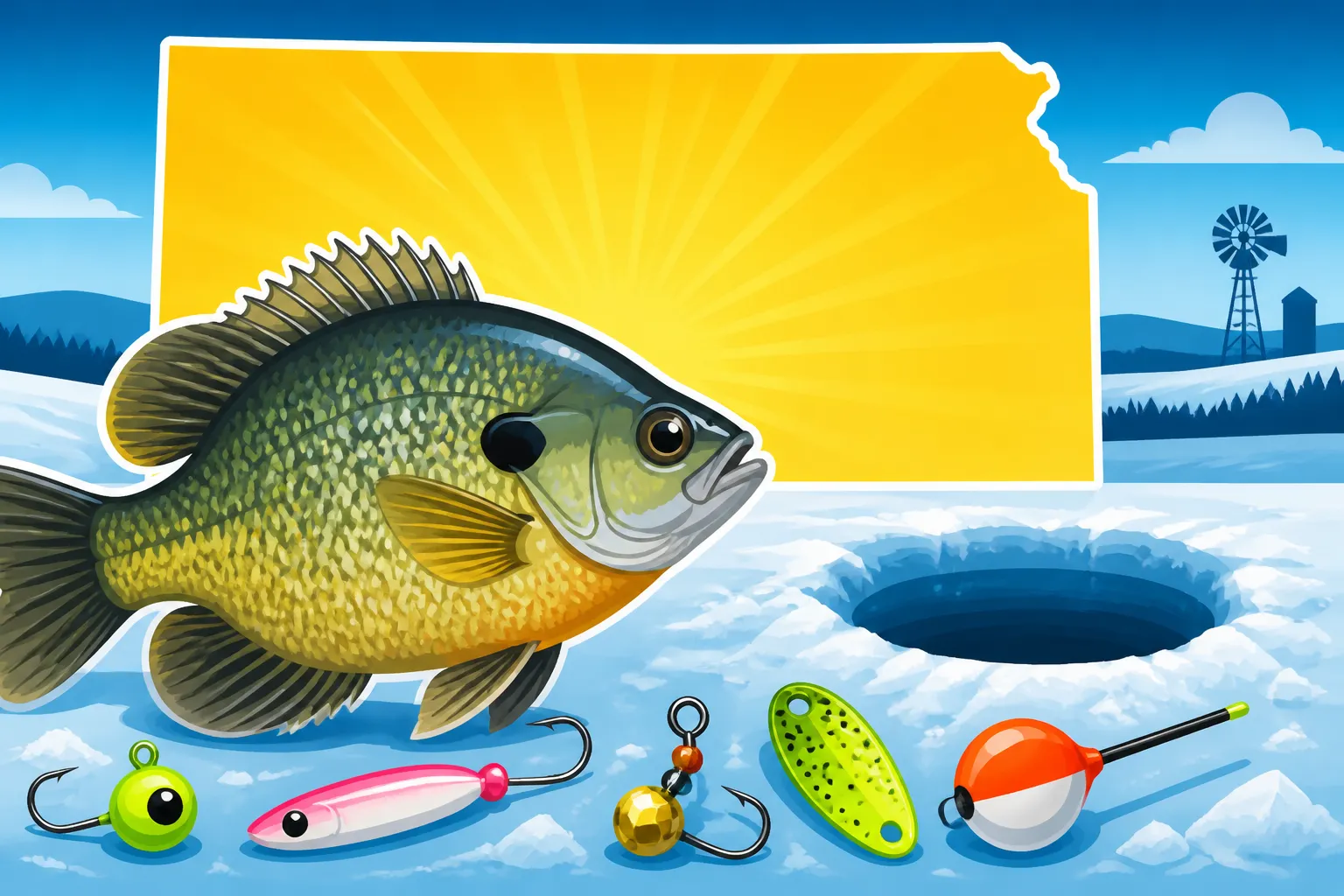
When it comes to lures for ice fishing panfish, micro jigs are your bread and butter. We're talking about incredibly small offerings, typically ranging from 1/64 to 1/16 of an ounce. These tiny jigs are often tipped with soft plastic bodies that mimic insects, larvae, or small aquatic life.
- Shapes and Styles: Common plastic shapes include small tubes, tiny grubs, minnow profiles, and especially designs that look like aquatic worms or bloodworms. The key is to present a small, easy meal.
- Colors: Natural colors like brown, green, and black often work well, but don't shy away from bright or glow-in-the-dark options, especially in deeper, darker water or on overcast days. Sometimes a chartreuse or orange jig will get an aggressive reaction.
- Jigging Action: The beauty of these micro jigs is their subtle action. A tiny twitch of the rod tip is all it takes to make them dance. Often, simply holding them still (dead sticking) or very slowly lifting and dropping is the most effective. Stores like Bass Pro Shops and online retailers such as Amazon offer an incredible array of micro jigs and plastics, perfect for building your panfish arsenal. For more on how to work these tiny offerings, check out Jigging Techniques for Kansas Crappie.
Small Spoons and Horizontal Jigs
While micro plastics excel at finesse, sometimes panfish need a little more persuasion. That's where small spoons and horizontal jigs come in. These lures offer more flash and vibration, which can be crucial for attracting fish from a distance, or for triggering a reactionary strike from less aggressive fish.
- Spoons: Look for spoons in the 1/32 to 1/16 ounce range, with holographic finishes or painted designs. A slow, short lift-and-drop motion allows them to flutter and flash, mimicking a dying baitfish or insect. Sometimes, a tiny piece of live bait on the hook will seal the deal.
- Horizontal Jigs: These jigs are designed to hang horizontally in the water, often with a small "tail" or fin that provides subtle action. They can be very effective when tipped with a waxworm or a cluster of maggots. The horizontal presentation can look more natural to weary panfish.
The trick with both spoons and horizontal jigs is to keep the action subdued. Don't violently rip them. Instead, use gentle lifts and pauses, letting the lure's natural action do the work. The flash and vibration can be just what's needed to pique their interest, pulling them in for a closer look, at which point your subtle presentation convinces them to bite.
Live Bait for Persnickety Panfish
Let's be honest, sometimes panfish are just plain stubborn. On those extra-tough days, live bait is often the ultimate persuader. It offers natural scent, taste, and movement that artificials can't always replicate.
- Waxworms and Maggots: These are staples for ice fishing panfish. Their small size and wriggling action are irresistible. Hook them gently through one end, allowing them to move freely. A single waxworm on a micro jig can be deadly.
- Tiny Minnows: For crappie and larger perch, small minnows (like fatheads) can be incredibly effective. Hook them lightly through the back, just below the dorsal fin, or through the lips, allowing them to swim naturally. Be sure to check Kansas Daily Creel Limits by Species for bait restrictions in certain areas.
- Combining with Artificials: Don't be afraid to tip your micro jigs or small spoons with a piece of live bait. The artificial lure provides the initial attraction, and the live bait closes the deal with scent and taste. This combination often leads to more consistent hook-ups when the bite is slow.
The beauty of live bait is its simplicity and effectiveness. When artificials fail, a well-presented live offering can turn a slow day into a memorable one. For more detailed insights into what bait works best, explore our guide on the Best Bait for Kansas Crappie.
Essential Accessories for a Successful Panfish Ice Trip
Beyond the core rod, reel, line, and lure setup, a few key accessories can significantly enhance your panfish ice fishing experience in Kansas, making you more efficient, comfortable, and successful.
Portable Fish Finders (Flasher or LCD)
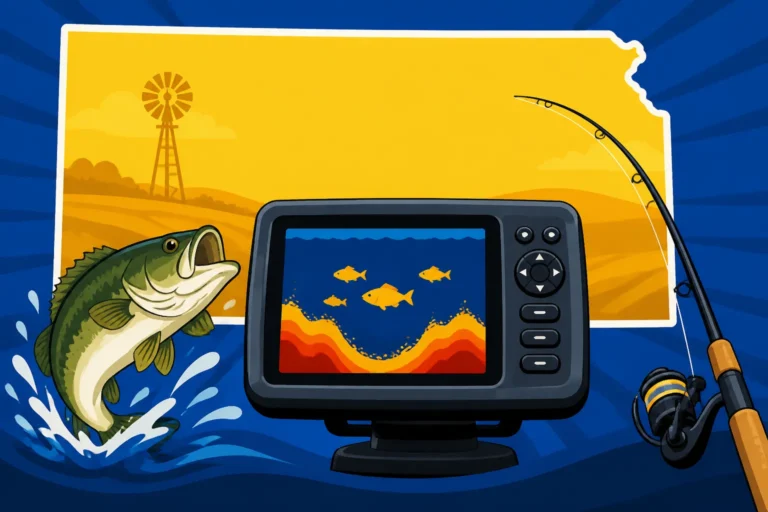
If there's one piece of technology that revolutionized ice fishing, it's the portable fish finder, specifically a flasher or an LCD unit designed for ice. You might think it's overkill for panfish, but it's not. This isn't just about finding fish; it's about seeing your lure, understanding how fish react to it, and precisely adjusting your presentation.
- Locating Fish: A good fish finder shows you depth, bottom structure, and most importantly, fish arches or signals. You can often see schools of crappie or bluegill suspended at a certain depth, or relating to a specific piece of structure. This eliminates the guesswork of drilling holes randomly.
- Reading Fish Reaction: The magic truly happens when you can drop your tiny jig down and see it on the screen alongside the fish. You'll see fish move toward your lure, shy away, or gently mouth it. This immediate feedback allows you to experiment with jigging motions, pauses, and depths until you find what triggers a bite. No more wondering if they're there; you'll know precisely what's happening beneath the ice. If you're considering an upgrade, check out our Best Fish Finder for Kansas Reservoirs guide.
Ice Skimmers, Rod Holders, and Tip-Ups
These practical tools are small but mighty in improving your comfort and efficiency on the ice.
- Ice Skimmers: Essential for keeping your hole clear of slush and newly formed ice. A clear hole is crucial for line management and for seeing light bites.
- Rod Holders: When you're fishing multiple holes or simply want to relax your hand, a good rod holder is invaluable. They keep your rod secure and positioned perfectly for quick hook-sets. Many anglers use one rod for active jigging and another "dead stick" rod in a holder with live bait, especially for crappie or bluegill that prefer a stationary meal.
- Tip-Ups: These are fantastic for covering more water, especially if you're targeting larger panfish or want to increase your chances with multiple presentations. A tip-up consists of a spool in the water and a flag that "tips up" when a fish takes the bait and pulls line. Just remember to check the Kansas Fishing Regulations Explained for rules on how many lines you can legally fish, as regulations vary by state and sometimes by specific water body. Setting a few tip-ups with minnows while you actively jig a hole can be a deadly strategy.
Shelter and Warmth
While not technically "tackle," staying warm and comfortable is absolutely crucial for success on the ice, especially when panfish bites are light and require intense focus. Your mental game, and thus your ability to detect subtle bites, diminishes rapidly when you're shivering.
- Portable Shelters: A quality portable ice fishing shelter, whether a hub-style or flip-over, provides a windbreak and can be heated, creating a comfortable environment. The warmth helps your hands stay nimble for tying knots and handling delicate tackle. It also allows you to focus solely on the fishing, not on battling the elements. Stores like Bass Pro Shops and Amazon offer a fantastic array of shelters, from compact one-person models to spacious hubs for a family. Our Best Ice Fishing Shelter for Kansas guide provides more details on choosing the right one.
- Heaters and Layering: A small, safe propane heater inside your shelter can make a huge difference. Combine this with proper layering of clothing (base layers, fleece, and waterproof outer shells), and you'll be able to endure even the coldest Kansas days. Remember, the longer you can stay out comfortably and focused, the more opportunities you'll have to connect with those subtle panfish bites.
By investing in these essential accessories, you're not just buying gear; you're buying comfort, efficiency, and ultimately, more successful and enjoyable days chasing panfish on the Kansas ice.
Here's a quick reference table for setting up your panfish tackle:
| Tackle Component | Bluegill/Sunfish | Crappie | Yellow Perch (if present) | Key Feature |
|---|---|---|---|---|
| Rod Length | 24-28 inches | 26-30 inches | 26-30 inches | Ultra-light, sensitive tip |
| Reel Size | 500 | 500-1000 | 500-1000 | Smooth drag, small spool |
| Line Weight | 2 lb test | 2-4 lb test | 3-4 lb test | Low visibility, minimal stretch |
| Lure Size | 1/64 – 1/32 oz | 1/32 – 1/16 oz | 1/32 – 1/16 oz | Tiny profile, subtle action |
| Bait | Waxworms, maggots, micro plastics | Minnows (tiny), waxworms, plastics | Minnows, maggots, spoons | Natural scent/movement |
| Indicator | Spring Bobber | Spring Bobber | Spring Bobber | Visual strike detection |
Disclaimer
This article is for general informational purposes only and does not constitute professional advice. Laws, prices and regulations vary by location and change over time. Consult a qualified professional for guidance on your specific situation.