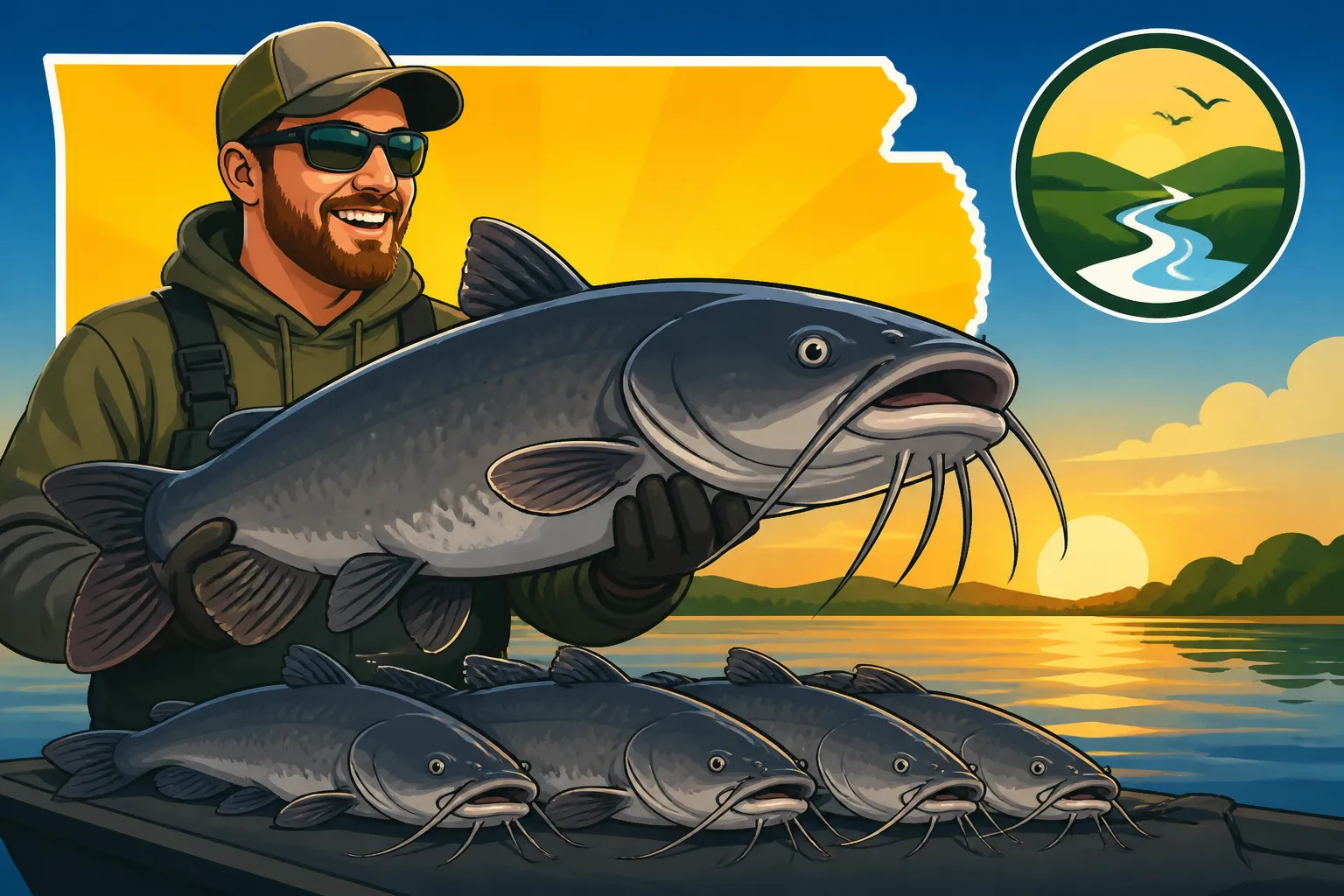
Kansas Flathead Catfish Daily Limit
It's easy to get caught up in the excitement of a good fishing day, especially when the flatheads are biting. But figuring out the exact daily limits for specific species, like the mighty flathead catfish in Kansas, can sometimes feel like trying to untangle a bird's nest of fishing line. No one wants to accidentally break the rules, especially when you're just trying to enjoy a peaceful day on the water. This comprehensive guide is here to clarify everything you need to know about the Kansas Flathead Catfish Daily Limit, ensuring you're a responsible and well-informed angler.
Unpacking the Kansas Flathead Catfish Daily Limit
Let's cut right to the chase because this is the information most anglers are looking for. The Kansas Department of Wildlife, Parks and Tourism (KDWPT) has specific rules for flathead catfish, and they differ slightly from other catfish species. Generally, in most public waters across Kansas, the daily creel limit for flathead catfish is 5 fish.
Now, here's where it can get a little tricky, so pay close attention. While flatheads have their own specific limit of 5, they are also part of a larger aggregate limit for all catfish species combined. The regulation states a daily creel limit of 10 catfish in combination of channel, blue, and flathead catfish. However, the flathead limit of 5 is a sub-limit within that 10. What this means is that while you can keep up to 10 catfish total, no more than 5 of those can be flatheads. Unlike some other species, there is generally no minimum length limit for flathead catfish in Kansas, meaning if it's legal size, it counts towards your limit.
Understanding the Aggregate Limit Nuance
This "aggregate limit" concept is super important to grasp to avoid accidental violations. It's not simply "5 flatheads plus 10 other catfish." It's a total of 10 catfish, with a maximum of 5 of those being flatheads.
Imagine you're having an incredible day on the Kansas River, known for its fantastic catfish populations.
- Scenario 1: You've landed 5 beautiful flathead catfish, each a good size. You then catch 3 channel catfish. In this case, you've reached your flathead limit (5) and are still within the overall 10-catfish aggregate limit (5 flatheads + 3 channel cats = 8 total). You could still keep 2 more channel or blue catfish.
- Scenario 2: You've caught 6 flathead catfish. Even if you haven't caught any other species, you've already exceeded the flathead-specific limit of 5, making the 6th flathead illegal to keep. This is a common mistake anglers make if they don't differentiate between the species-specific limit and the aggregate.
- Scenario 3: You've caught 2 flathead catfish, 4 channel catfish, and 4 blue catfish. You have 10 fish total. This is perfectly legal as you haven't exceeded the 5-flathead limit and are exactly at the 10-catfish aggregate limit.
Always remember that these regulations are designed to protect our fisheries and ensure sustainable angling for generations to come. It’s always a good idea to consult the official Kansas Fishing Regulations Explained for any specific rules, as local exceptions for certain water bodies or community lakes can sometimes apply, though this is less common for flatheads.
The "Why" Behind Flathead Catfish Conservation Efforts
It might seem arbitrary to have different limits for different catfish, but there's solid science and conservation strategy behind the Kansas Flathead Catfish Daily Limit. Flathead catfish are a unique and valuable part of Kansas's aquatic ecosystems, and their life history makes them particularly susceptible to overfishing if not managed carefully.
Flathead Biology and Vulnerability
Flathead catfish ( Pylodictis olivaris) are distinct from their channel and blue catfish cousins in several key ways that influence management strategies. They are generally slower-growing, longer-lived, and take longer to reach reproductive maturity. They are also primarily ambush predators, often preferring deeper, structured areas with plenty of fallen timber, rock piles, or undercut banks to hide in. This makes them relatively predictable in terms of habitat, and if overfished, their populations can be slower to rebound.
Imagine a section of the Neosho River with prime flathead habitat. If there were no limits, anglers could quickly deplete the resident population, especially of the larger, mature breeding fish. This could severely impact future generations of flatheads in that area. The KDWPT implements these limits to ensure that enough fish survive to spawn and maintain healthy, robust populations.
Maintaining Sustainable Fisheries and Trophy Opportunities
The primary goal of any creel limit is to ensure sustainable fishing. For flatheads, limiting the daily catch to 5 helps spread the harvest among more anglers and allows a greater percentage of the population to contribute to spawning. This isn't just about ensuring there are some fish; it's about ensuring there are healthy populations that can continue to thrive.
Furthermore, these regulations contribute to maintaining the opportunity for trophy-sized fish. Flatheads are renowned for their impressive size and fighting spirit, making them a highly sought-after species by many anglers. If too many large fish are removed too quickly, the chances of catching a true Kansas monster diminish significantly. By having a responsible limit, the KDWPT helps ensure that future anglers still have a shot at landing that personal best. It's about balancing recreational opportunity with ecological responsibility, giving anglers something to look forward to year after year. This commitment helps solidify Kansas's reputation for excellent catfish angling, attracting fishing enthusiasts from all over.
Practical Strategies for Staying Within Your Limits
Adhering to the Kansas Flathead Catfish Daily Limit isn't just about knowing the numbers; it's about incorporating good practices into your fishing routine. No one wants to face a Kansas Fishing Law Enforcement and Penalties situation, so a little preparation goes a long way.
Accurate Species Identification
This might sound obvious, but distinguishing between catfish species, especially for less experienced anglers or in low light conditions, can be trickier than you'd think. While flatheads have distinct features like a flattened head (hence the name), a mottled brown/yellow coloring, and a rounded tail fin, they can sometimes be confused with juvenile blue or channel catfish, particularly at certain sizes or in murky water.
- Flathead Catfish: Noticeably flattened head, lower jaw protrudes, square or slightly rounded tail fin (not deeply forked), usually yellowish-brown to olive green with dark mottling.
- Channel Catfish: Forked tail, slender body, small scattered dark spots, typically olive to grey.
- Blue Catfish: Deeply forked tail, distinct hump on their back, uniformly blue-grey color, often confused with large channel cats but lack spots.
It's a great idea to study up on these differences before you hit the water. You can find excellent visual guides in the Kansas Catfish Species Guide or even laminated fish identification cards that you can keep in your tackle box. Being confident in identifying your catch means you won't accidentally keep an extra flathead thinking it's a channel cat.
Counting, Measuring, and Safe Release Practices
When you're out on the water, keeping an accurate count of your kept fish is paramount. Don't rely on memory, especially if you're catching a lot or fishing with a group.
- Keep a Stringer or Livewell Organized: Use a clearly marked stringer or divide your livewell if you're fishing with others to ensure everyone's catch is separate and counted correctly.
- Utilize a Clicker Counter: Simple clicker counters, like those used for golf or counting reps, are fantastic for keeping track of your fish. They're inexpensive and can be found easily on Amazon or at local tackle shops.
- Practice Safe Release: If you catch a flathead that puts you over the limit, or if you simply prefer to release smaller fish, it's crucial to do so in a way that maximizes its survival. Minimize air exposure, handle the fish gently with wet hands, and use a dehooking tool if the hook is deep. Quality fish grippers, also available on Amazon, can help you control the fish without squeezing its body. Proper release ensures that those fish live to fight another day and contribute to the population.
Knowing Your Regulations: Your Responsibility
Ultimately, it is every angler's responsibility to know and abide by the fishing regulations of the state and specific water body they are fishing.
- Annual Regulation Summary: Always obtain the current year's Kansas Fishing Regulations Summary. These are available online through the KDWPT website or at any place where you can purchase a Kansas Fishing License Guide, such as tackle shops or KDWPT offices. Regulations can change year to year, so don't rely on old information.
- Specific Water Bodies: While the 5-flathead limit is general, it's always wise to check if you're fishing a specific community lake or managed fishery that might have unique rules. The KDWPT website usually has detailed information for these locations.
- Digital Access: Many anglers now keep a digital copy of the regulations on their phone, which is handy for quick reference while on the water. Just make sure your phone is charged and protected from the elements!
Understanding Catfish Limits Across Kansas Species
While our focus here is squarely on the flathead catfish, it's really helpful to understand how their limits fit into the broader picture of catfish management in Kansas. The aggregate limit for all major catfish species means you need to be aware of the individual components that make up your total catch.
Comparing Creel Limits for Kansas Catfish
As we've discussed, flathead catfish have a specific daily limit that's part of a larger sum. This table offers a quick comparison for the most popular catfish species in Kansas:
| Catfish Species | Daily Creel Limit (Most Waters) | Length Limit (Most Waters) | Aggregate Limit Note |
|---|---|---|---|
| Flathead Catfish | 5 fish | None | Part of 10-catfish aggregate |
| Channel Catfish | 10 fish (when combined with Blue/Flathead) | None | Part of 10-catfish aggregate |
| Blue Catfish | 10 fish (when combined with Channel/Flathead) | None | Part of 10-catfish aggregate |
| Bullhead Species | 50 fish | None | Separate from 10-catfish aggregate |
Note: Always verify current regulations for specific water bodies, as exceptions can apply.
As you can see, the important takeaway is the 10-catfish aggregate limit for channel, blue, and flathead, with the flathead-specific cap of 5. This is a crucial distinction. For instance, if you've been targeting big blues in the Kaw River and landed 8 impressive specimens, you could only keep 2 more channel or flathead catfish to reach your total of 10. If those two were flatheads, you'd be at 2 flatheads (well within the 5-fish flathead limit) and 10 total catfish. This aggregate limit is why understanding the individual species limits, such as the Kansas Channel Catfish Daily Limit and Kansas Blue Catfish Daily Limit, is so important.
Regional Differences and Habitat
While the daily limits are generally consistent across public waters, the prevalence and preferred habitat of each catfish species can vary significantly across Kansas.
- Flathead Catfish: Often found in rivers like the Kansas River or larger reservoirs like Milford Lake and Wilson Lake, especially in areas with deep holes, strong current, and abundant woody cover. If you're specifically targeting flatheads, you'll want to focus your efforts on these types of structures. The Kansas River Fishing Guide can offer more insights into spots known for these behemoths.
- Channel Catfish: These are truly ubiquitous and can be found in almost every body of water in Kansas, from farm ponds to major reservoirs and rivers. They are less picky about habitat than flatheads.
- Blue Catfish: While also found in larger rivers and reservoirs, blue catfish tend to prefer open water, current, and deeper channels, often congregating in large schools. They're becoming increasingly popular in lakes like Tuttle Creek Lake and Clinton Lake.
Knowing the typical habitat for each species can help you target your desired catch more effectively, and in turn, help you stay within your specific creel limits. For instance, if you're primarily fishing woody snags in a river, you're more likely to encounter flatheads, so you'll want to be extra mindful of your 5-fish limit for that species. This deeper understanding of our finned friends helps us fish smarter and more responsibly.
Remember, the goal is always to enjoy our time on the water while doing our part to protect Kansas's incredible fishing resources for everyone. Always have your Kansas Fishing License Guide in order, and be sure to check the Kansas Daily Creel Limits by Species regularly to stay informed.
Disclaimer
The information provided in this guide is for general informational purposes only and is not a substitute for official legal advice or current regulations. Fishing regulations are subject to change, and it is the sole responsibility of each angler to consult the latest official Kansas Department of Wildlife, Parks and Tourism (KDWPT) fishing regulations before engaging in any fishing activities. Compliance with all state and local laws is mandatory.