What Happens If You Fish Without a License in Kansas?
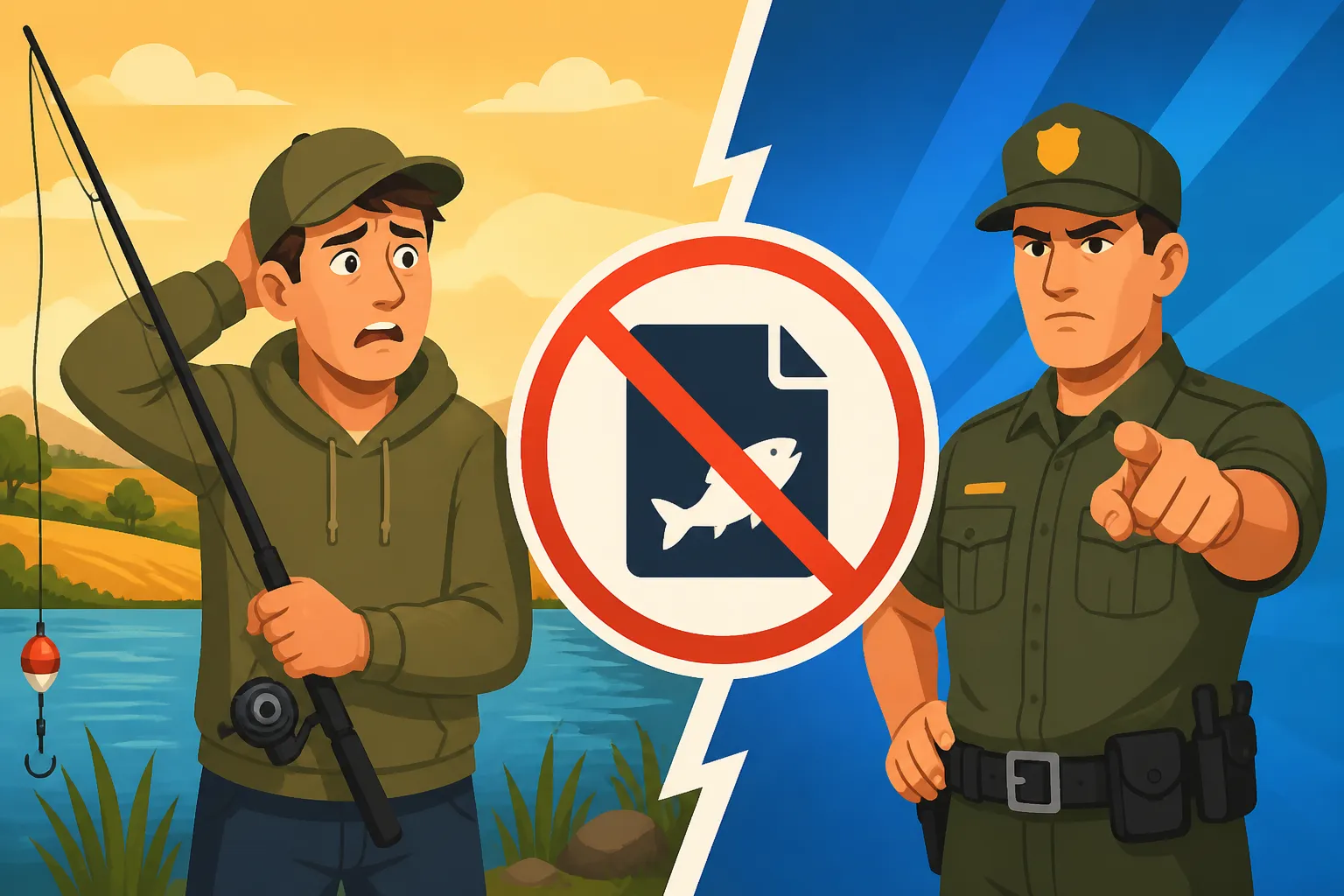
It's happened to the best of us: you're out by the water, the sun is shining, the fish are biting, and then a conservation officer approaches. Suddenly, that nagging thought pops into your head – "Did I remember to get my fishing license this year?" Or maybe you thought you were exempt, or just figured you'd risk it for a quick outing. Whatever the reason, finding yourself on the wrong side of the law when it comes to fishing without a license in Kansas can turn a peaceful day into a real headache, leading to consequences far more significant than many anglers realize. This guide will walk you through exactly what happens if you're caught fishing without proper authorization, the penalties you could face, and how to easily avoid these frustrating situations so you can enjoy the great Kansas outdoors worry-free.
The Immediate Consequences: Fines and Citations
Let's cut right to the chase: if you're caught fishing without a valid license in Kansas, the first thing you're likely to receive is a citation. This isn't just a slap on the wrist; it's a legal document that carries significant weight and can quickly escalate into a more complex issue if not handled correctly.
Understanding the Basic Fine Structure
In Kansas, fishing without a license is generally classified as a Class C misdemeanor. While that might sound minor, don't be fooled. A misdemeanor means it's a criminal offense, not just a simple traffic ticket. The fines associated with a Class C misdemeanor can range from a minimum of around $100 up to $500, plus court costs and potential surcharges. These numbers aren't set in stone and can vary depending on the specific circumstances, such as whether it's your first offense, if you were also violating other regulations (like exceeding daily limits or using illegal gear), or if you provided false information.
For instance, imagine you're out at Clinton Lake, enjoying a quiet afternoon of fishing for crappie, and you simply forgot to renew your annual license. A Kansas Department of Wildlife and Parks (KDWP) game warden stops by, asks for your license, and finds you don't have one. You'll likely be issued a citation on the spot. This isn't just a "pay it and forget it" kind of situation. The fine alone can be a sting, but the real kicker is often the associated court costs and administrative fees, which can easily double or triple the initial fine amount. Suddenly, that $25 annual license you skipped out on is looking like a bargain compared to the several hundred dollars you might have to pay in fines and fees. For more specific details, you might want to review the information on Kansas Fishing Law Enforcement and Penalties.
The Role of the Conservation Officer
The KDWP game wardens, or conservation officers as they're officially called, are the primary enforcers of Kansas fishing regulations. These dedicated men and women are highly trained law enforcement professionals with the authority to check licenses, inspect catches, and ensure compliance with all state wildlife laws. They are not just there to catch people doing wrong; they also serve to educate the public and protect Kansas's natural resources.
When an officer approaches you on the water or bank, they'll typically identify themselves and politely ask to see your fishing license and possibly your catch. If you cannot produce a valid license, they will explain the violation and proceed to issue a citation. It’s crucial to be cooperative and respectful during this interaction. Arguing or being uncooperative can lead to additional charges, making an already bad situation even worse. They may also ask for your identification to verify who you are and check for any prior offenses. If you possess a digital license on your phone, ensure it's easily accessible and you can display it clearly. It's always a good idea to have a waterproof phone case, something you can easily find on Amazon, to protect your digital license and device while out on the water.
Court Appearances and Legal Fees
Receiving a citation for fishing without a license often means more than just paying a fine; it frequently requires a court appearance. The citation will typically have a court date and location printed on it. Ignoring this date is a serious mistake, as it can lead to a warrant for your arrest and even more severe legal consequences.
When you appear in court, you'll face a judge who will explain the charges and ask for your plea. You can plead guilty, no contest, or not guilty. Pleading guilty or no contest will usually result in the fine and court costs being levied, and you'll be expected to pay promptly. If you plead not guilty, a trial date will be set, where you'll have the opportunity to present your case. This is where things can get complicated and costly. Hiring an attorney to represent you will add significant legal fees on top of any potential fines. Even if you represent yourself, the time off work and the stress of navigating the legal system can be considerable. Many people find the convenience and peace of mind of simply purchasing a license, such as the Kansas Resident Annual Fishing License Costs $25, far outweighs the potential financial and personal burden of a court case.
Broader Ramifications: Beyond the Initial Ticket
While the immediate fines and court costs are certainly unpleasant, the repercussions of fishing without a license in Kansas can extend far beyond that initial encounter. There are longer-term consequences that can affect your ability to fish, hunt, and even your overall legal standing.
License Suspension or Revocation
One of the most significant long-term consequences of fishing without a license, especially for repeat offenders or in cases involving other serious violations, is the suspension or revocation of your fishing privileges. The Kansas Department of Wildlife and Parks takes these violations seriously, as they directly impact the sustainable management of the state's natural resources.
If your license is suspended, you will be legally prohibited from purchasing a fishing license or engaging in any fishing activities for a specified period, which could range from a few months to several years. Imagine not being able to join your friends or family for the annual spring crappie spawn at Milford Lake or the summer catfish bite on the Kansas River. This can be a huge disappointment for passionate anglers. A revocation is even more severe, potentially meaning a permanent loss of fishing rights, although these are typically reserved for the most egregious or repeated offenses. The KDWP maintains a database of individuals who have had their licenses suspended or revoked, making it impossible to simply buy a new license under your name until the suspension period is over. It's a stark reminder that the privilege to fish is tied directly to following the rules.
Confiscation of Gear
In certain situations, particularly when violations are serious or involve illegal methods, a conservation officer has the authority to confiscate your fishing gear. This isn't just about taking an illegally caught fish; it can extend to your rods, reels, tackle box, and even your boat or other fishing apparatus. While it might not happen for a simple "forgot my license" situation, if you're caught fishing without a license AND using an illegal trotline, or are significantly over the Kansas Daily Creel Limits by Species, gear confiscation becomes a real possibility.
Consider the cost of your fishing setup. A quality rod and reel combo can easily run into the hundreds of dollars, and a fully stocked tackle box can be worth even more. If a boat is involved, the financial loss could be astronomical. This consequence serves as a powerful deterrent, hitting anglers where it truly hurts – their beloved equipment. The process of trying to recover confiscated gear can be lengthy, complicated, and often requires legal intervention, adding further expense and frustration to the mix. It's a risk that no angler wants to take, making compliance with regulations, like knowing your Kansas Fishing Regulations Explained, paramount.
Impact on Hunting Privileges
For many outdoor enthusiasts in Kansas, fishing and hunting go hand-in-hand. It's common to hold both a fishing and a hunting license, and the state's wildlife management system often links these privileges. What many people don't realize is that a serious violation in one area, like fishing without a license, can have a direct impact on your ability to participate in the other.
If you commit a significant fishing violation, especially one that leads to a license suspension, it's possible that your hunting privileges could also be suspended or revoked. This is particularly true if you hold a combination license, such as a Kansas Combination Hunt-Fish License, or if the nature of the offense is deemed severe enough by the KDWP. Imagine being excited for deer season or duck hunting, only to find out you're barred from participating because of a fishing infraction from months prior. This interconnectedness means that ignoring fishing regulations isn't just about losing access to the water; it could mean losing access to the woods and fields as well. It underscores the importance of being fully compliant with all KDWP regulations, whether you're chasing catfish or whitetails.
Here's a quick look at potential consequences for fishing without a license:
| Violation Type | Typical Fines (Approx.) | Potential Jail Time | License Impact | Gear Confiscation |
|---|---|---|---|---|
| Fishing without a license (First Offense) | $100 – $500 | Up to 30 days | Possible 1-year suspension | Unlikely |
| Fishing without a license (Repeat Offense) | $250 – $1,000+ | Up to 6 months | Likely longer suspension/revocation | Possible |
| License fraud | $500 – $1,000+ | Up to 6 months | Revocation | Possible |
| Other serious violations (e.g., over limit with no license) | $250 – $1,000+ | Up to 6 months | Likely suspension/revocation | Highly Likely |
Note: Fines and penalties are subject to change and can vary based on court jurisdiction and specific circumstances. This table is for informational purposes only.
Avoiding the Hassle: Easy Ways to Stay Compliant
The good news is that avoiding all these potential headaches is incredibly simple: just get your license! Kansas has made it easier than ever to purchase a fishing license and understand the regulations, ensuring you can enjoy your time on the water without worry.
How to Purchase Your Kansas Fishing License
Gone are the days when you had to drive to a specific county office during limited hours. Purchasing a Kansas fishing license is incredibly convenient now.
- Online: The easiest and most popular method is to buy your license directly through the Kansas Department of Wildlife and Parks (KDWP) website. Their online portal is user-friendly and allows you to purchase various license types, including annual, multi-year, and short-term options, in just a few clicks. You can even print a temporary copy immediately and receive an official copy by mail, or simply store it digitally on your phone. This method is perfect for those last-minute decisions to hit the water. Check out Where to Buy a Kansas Fishing License for more detailed instructions.
- KDWP Offices: You can always visit a KDWP office during business hours. Their staff can assist you with selecting the right license and answer any questions you might have about regulations.
- Retailers: Many sporting goods stores, bait and tackle shops, and even major retailers like Walmart, are authorized vendors for KDWP licenses. This is a great option if you're picking up bait or other supplies before your trip. Just make sure to ask for the fishing license counter.
Whether you're looking for a short-term permit like a Kansas One-Day Fishing License for a quick trip or planning a full season of angling, the process is streamlined to get you on the water legally and quickly.
Understanding License Requirements and Exemptions
It's common for anglers to be unsure about who exactly needs a license and if they might qualify for an exemption. Taking a few minutes to clarify this can save you a lot of trouble.
Generally, anyone age 16 through 74, who is a Kansas resident, needs a fishing license to fish in public waters. Non-residents aged 16 and older also need a license. However, there are some important exemptions that many people might overlook:
- Youth: In Kansas, children under the age of 16 are generally exempt from needing a fishing license. This is fantastic news for families looking to get their kids into the sport without added cost or paperwork. Learn more by reading Do Kids Need a Fishing License in Kansas?
- Seniors: Kansas residents 75 years of age or older also do not need a fishing license. It's a nice perk for our seasoned anglers to continue enjoying their passion.
- Private Ponds: If you are fishing on private land, in a private pond, stream, or lake that is entirely contained within that private land and does not connect to public waters, you might be exempt. However, the landowner or tenant usually needs permission from the KDWP for stocking and management, so always verify. This is a common area of confusion; for clarification, check out Fishing Rules for Private Ponds in Kansas.
- Free Fishing Days: Kansas typically offers a few "Free Fishing Days" each year, often in early June, where residents and non-residents can fish without a license. These are excellent opportunities to introduce new people to fishing. Keep an eye on the KDWP calendar for these dates, and remember to always abide by other regulations during these days. Our guide on Kansas Free Fishing Days Guide has all the details.
- Disabled Veterans: Certain disabled veterans may also be exempt or qualify for a special license.
You can find a comprehensive breakdown of all these special situations and more at Kansas Fishing License Exemptions. Always, always double-check the current regulations directly on the KDWP website or their annual fishing guide, which you can often find digitally or physically at license vendors.
Always Carry Your License and Know the Rules
Once you've secured your fishing license, the next crucial step is to carry it with you whenever you're fishing. Whether it's a physical card in your wallet, a printed copy, or a digital version on your smartphone, having immediate proof of your license is essential. Digital licenses are perfectly acceptable in Kansas, so having it on your phone is convenient. Just make sure your phone battery is charged and you can access the KDWP app or email confirmation when asked. A small, waterproof pouch (easily found on Amazon) for your wallet and phone can be a lifesaver, protecting both your license and device from unexpected splashes or a sudden downpour.
Beyond carrying your license, it's equally important to know the rules. This means understanding the Kansas Fishing Regulations Explained, including daily creel limits for various species, length limits, legal fishing methods, and any special regulations for specific bodies of water. For example, knowing the Kansas Walleye Length Limits or Kansas Crappie Length and Bag Limits before you cast a line can prevent accidental violations. Ignorance of the law is never an excuse, and officers will expect you to be familiar with the regulations. A little bit of preparation and knowledge goes a long way in ensuring a legal, safe, and enjoyable fishing experience in Kansas.
Disclaimer
The information provided in this guide is for general informational purposes only and does not constitute legal advice. Fishing regulations and penalties are subject to change by the Kansas Department of Wildlife and Parks. Always refer to the most current official Kansas Fishing Regulations Summary or consult with legal counsel for specific advice regarding fishing laws and violations.