Kansas Fishing License Rules for Kayak Anglers
It’s a common misconception among us kayak anglers that our nimble, human-powered vessels might operate under a different set of rules than big motorboats. You're out there, silently gliding over the water, feeling completely immersed in nature, and then a nagging thought pops up: "Do I actually need a different kind of fishing license for this, or even a boat registration?" It's easy to get confused by the specific regulations, but this comprehensive guide is here to clear up all the Kansas fishing license rules and related considerations specifically for those of us who love to paddle and cast.
Understanding Kansas Fishing Licenses for All Anglers
Before we dive into the specifics of kayak fishing, let's nail down the foundational requirements for fishing in Kansas. Understanding these general rules will make it much clearer how your kayak fits into the bigger picture.
The Basics: Who Needs a License and When
When it comes to fishing in the Sunflower State, the Kansas Department of Wildlife, Parks and Tourism (KDWP) has a pretty straightforward approach to who needs a license. Generally speaking, if you're 16 years old or older, you're going to need a fishing license to legally fish public waters in Kansas. This applies whether you're dangling a worm off a dock, casting from the shore, or trolling from a fully equipped bass boat. There are some specific exceptions, of course, like Do Kids Need a Fishing License in Kansas? (spoiler: generally no, if they're under 16) or certain individuals with disabilities or landowners fishing their own property, but for the vast majority of us, that license is a must-have piece of paper (or digital file!).
It’s not just about your age, though. The type of water you’re fishing can also play a role. If you’re lucky enough to be fishing a private pond or lake on land you own, or with permission from a landowner who owns the adjacent land, you might be exempt from needing a state fishing license. However, those rules can be a bit tricky, so it’s always best to double-check. For any public waters, from our sprawling reservoirs like Milford Lake to smaller community fishing lakes, that license is your ticket to legally wet a line. For a deeper dive into the overall regulations, check out our Kansas Fishing License Guide.
How Your Fishing Platform Affects License Requirements Or Doesn't
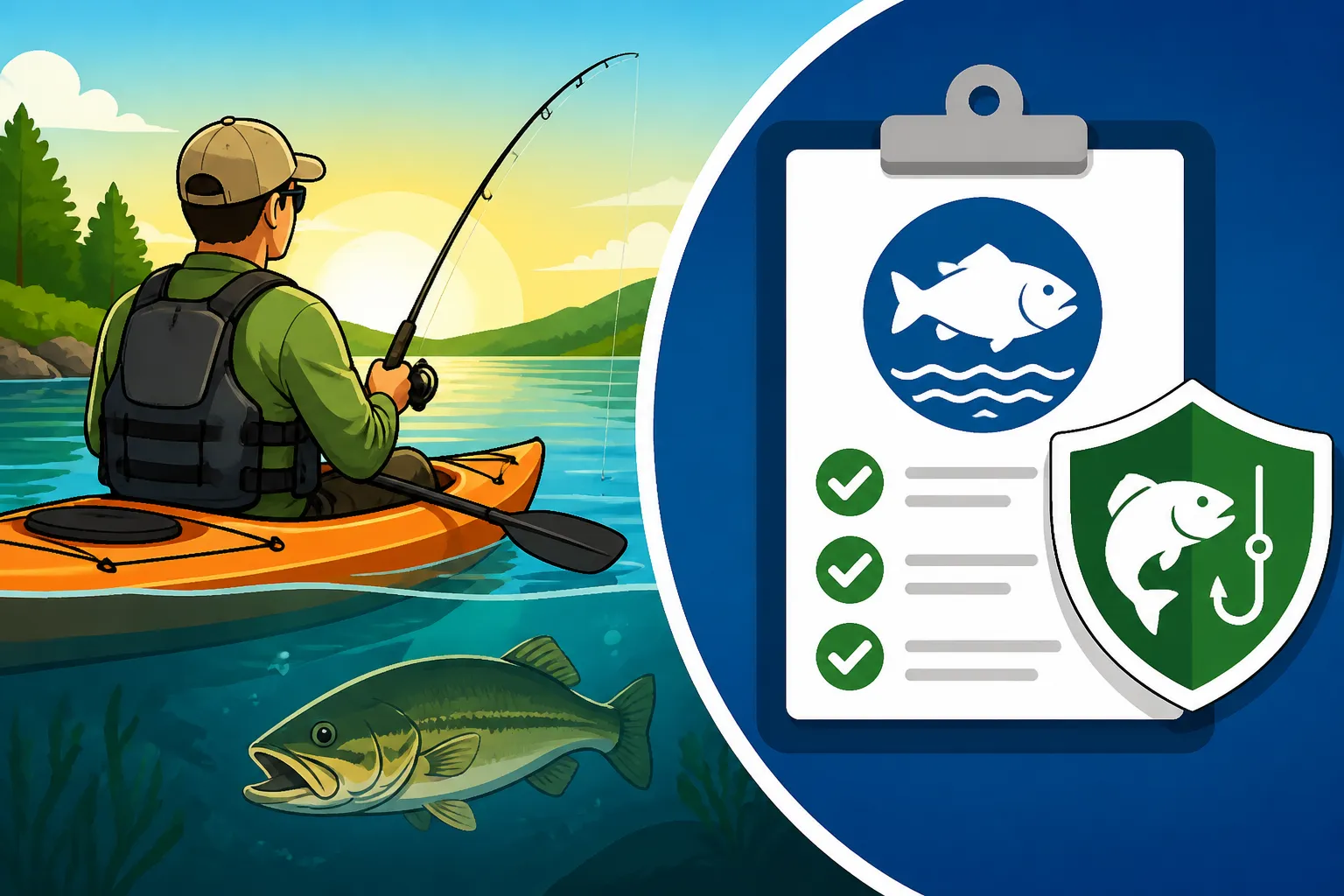
This is where many kayak anglers get hung up. We're on these smaller, often unpowered, vessels. Does that make a difference? The short answer is: no, not for your fishing license itself. The KDWP doesn't differentiate between someone fishing from the bank, a massive pontoon boat, or a kayak when it comes to the fishing license requirement. If you're 16 or older and fishing public waters, you need a license, regardless of whether you're standing on solid ground, sitting in a fancy fishing chair, or perched in your favorite 'yak.
Think of it this way: the license grants you the privilege to fish, not the privilege to use a certain type of vessel. Your fishing activity is what triggers the need for the license. So, if you're exploring the secluded coves of Clinton Lake in your kayak, chasing crappie, you'll need the same annual Kansas fishing license as the angler in a bass boat casting for largemouth nearby. Similarly, if you're targeting catfish in the slow bends of the Kansas River, your kayak simply provides the access; the fishing license requirement remains constant. This is an important distinction to make, because while your kayak might not change your fishing license needs, it can affect other aspects, which we'll get into shortly.
Specific Rules and Permits for Kayak Anglers in Kansas
So, we've established that a basic Kansas fishing license is essential for kayak anglers just like any other angler. But what about other permits or specific considerations that might pop up when you’re out on the water in your kayak?
Fishing License Specifics for Kayaks
As mentioned, the core fishing license requirement remains the same. A Kansas resident aged 16 to 64 will typically need an annual fishing license. However, Kansas offers various license options that might appeal to different kayak anglers. If you're a casual paddler who only gets out a few times a year, a Kansas One-Day Fishing License might be a perfect, cost-effective solution. These are great for those spontaneous weekend trips or when you’re just visiting a new spot.
On the other hand, if kayak fishing is your passion and you're hitting the water regularly throughout the year, an annual license makes the most sense. For residents, a Kansas Resident Annual Fishing License Costs $25 and covers you for an entire year. For the truly dedicated, a Kansas Five-Year Fishing License Savings option is available, which not only saves you a bit of money over time but also frees you from the hassle of annual renewals. Choosing the right license type often comes down to how frequently you plan to fish and how long you want your license to be valid. It's about finding what fits your lifestyle on the water best.
Additional Permits and Considerations
Beyond the standard fishing license, there are a couple of other permits or rules that kayak anglers often need to consider, depending on where they fish and what they're targeting.
One significant one is the Kansas Trout Permit. If you plan to fish in any of the waters specifically stocked with trout by the KDWP—especially during the designated trout season, which typically runs from November through spring—you'll need to purchase a separate Kansas Trout Permit Guide. This permit is required in addition to your regular fishing license. Many of these stocked waters are easily accessible by kayak, offering a unique opportunity to target these cold-water fish. Imagine paddling into a quiet bend of a trout stream or a stocked community lake, casting for rainbow or even golden rainbow trout; it’s a fantastic experience, but remember that permit!
Another often-overlooked consideration for kayak anglers, particularly those who frequent state parks, is the State Park Vehicle Permit. While this isn't a fishing permit, if you're launching your kayak from a designated boat ramp or accessing the water through a Kansas State Park, you’ll typically need to display a Kansas State Park Vehicle Permit for Anglers on your vehicle. This is distinct from your fishing license and helps support the maintenance of these beautiful recreational areas. It's a small fee that ensures you can continue to access some of the best kayak fishing spots Kansas has to offer. Always check the rules for your specific destination before you go.
Kayak Registration and Other Boating Regulations
While your kayak generally doesn't require a special fishing license, its status as a vessel on the water brings it under other regulations. This is a crucial area where kayaks differ significantly from bank fishing.
Does Your Kayak Need to Be Registered?
This is a big one, and it's a question many kayak owners grapple with. In Kansas, the general rule is that any vessel propelled by machinery (meaning an engine, electric motor, or even a trolling motor) must be registered with the KDWP. If your kayak is purely paddle-powered, you are typically exempt from state registration requirements. This is fantastic news for the purists among us who love the quiet efficiency of paddling.
However, the moment you attach an electric trolling motor, even a small one, to your kayak, it becomes a "motorized vessel" in the eyes of the law. At that point, yes, your kayak does need to be registered, just like a larger bass boat. The registration process involves applying to the KDWP, paying a fee, and displaying the registration numbers and decal on your kayak. It's an important distinction to understand, especially as many anglers are now customizing their kayaks with small motors for easier navigation and covering more water. If you’re considering adding any kind of motor, be sure to look into Do Kayaks Need to Be Registered in Kansas? to ensure you're compliant.
Essential Safety Gear for Kayak Fishing
Beyond registration, all vessels on Kansas waters, including kayaks, are subject to certain safety equipment requirements. These aren't just rules; they are there to protect you! The most critical piece of equipment is a U.S. Coast Guard-approved Personal Flotation Device (PFD), or life jacket. Every person on board a kayak must have a readily accessible PFD. For children under 13, wearing it at all times while underway is mandatory. While adults aren't always required to wear it, I can't stress enough how important it is to have it on, especially when kayak fishing, as capsizes can happen quickly and unexpectedly.
Other essential safety items for kayak anglers often include:
- Whistle or other sound-producing device: Essential for signaling other boats, especially in low visibility.
- Navigation lights: If you plan to be on the water between sunset and sunrise, you’ll need an all-around white light visible for 360 degrees, and potentially colored sidelights. Many kayak anglers use a pole-mounted light for this.
- Visual distress signals: While not always mandatory for small kayaks on inland waters, having a small signaling mirror or a brightly colored paddle can make a difference in an emergency.
- Paddle leash: So you don't lose your paddle if you capsize.
- Dry bag: To keep your phone, keys, and wallet safe and dry.
You can find a wide array of these safety essentials, from high-quality PFDs to waterproof dry bags and navigation lights, readily available on platforms like Amazon. Having the right gear not only keeps you safe but also helps you avoid potential fines during a routine safety check by law enforcement. For a more exhaustive list of requirements, you can always refer to our Kansas Life Jacket and Boating Safety Guide. Investing in your safety is never a bad idea when you're out on the water.
Practical Tips for Kayak Anglers in Kansas
Navigating the regulations might seem daunting at first, but with a little preparation, you can ensure your kayak fishing adventures are both compliant and incredibly enjoyable.
Planning Your Kayak Fishing Trip
Successful and stress-free kayak fishing starts long before you even hit the water. Your pre-trip planning should absolutely include a review of all necessary licenses and permits. First and foremost, make sure your Kansas Fishing License Guide is current and valid. If you’re heading to a specific state park, confirm whether you need a state park vehicle permit. If trout are on your target list, ensure your Kansas Trout Permit Guide is purchased. Don't assume; always verify.
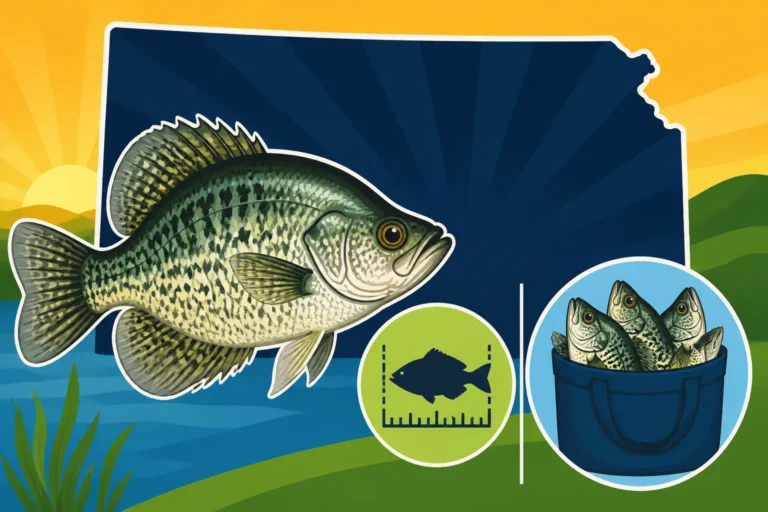
Beyond licenses, always check the specific regulations for the body of water you intend to fish. Kansas has unique length and creel limits for various species, and these can sometimes differ slightly between reservoirs or community lakes. For instance, the walleye limit on one lake might not be the same as another. A quick visit to the KDWP website or reviewing their current fishing regulations summary will give you all the details on Kansas Fishing Regulations Explained. This due diligence not only keeps you legal but also helps you target fish more effectively, knowing what you can (and cannot) keep. Also, check the weather forecast – strong winds can turn a pleasant paddle into a dangerous situation very quickly for a kayak.
Staying Compliant and Enjoying the Water
One of the easiest ways to stay compliant is to have your license readily available. The KDWP allows you to carry either a physical copy of your license or a digital version on your smartphone. Many kayak anglers opt for the digital version, keeping it saved as a photo or PDF on their phone, which is often stored in a waterproof case or dry bag. This keeps it safe from the elements and easily accessible if a game warden asks to see it. Just ensure your phone is charged! For more details on displaying your license, check out Can You Show a Digital Fishing License in Kansas?.
Always remember that fishing without a proper license or failing to follow other regulations can lead to fines and even confiscation of equipment. The penalties for What Happens If You Fish Without a License in Kansas? are not worth the risk. So, by taking a few minutes to prepare, gather your permits, and understand the local rules, you're setting yourself up for a fantastic and worry-free day on the water. Kayak fishing offers such incredible access to hidden coves and quiet stretches of water, allowing for a unique connection with nature and the fish. Embrace the preparation, and then enjoy the peace and thrill that only kayak fishing can provide! You can even stock up on essential small tackle items like jig heads, hooks, and soft plastics for your tackle box easily on Amazon before your next trip.
Here's a quick overview of key licensing and registration points for Kansas kayak anglers:
| Requirement | Applies to Kayak Anglers? | Notes |
|---|---|---|
| Fishing License | YES (if 16 or older) | Required for anyone aged 16+ fishing public waters, regardless of vessel type. Options include annual, 1-day, 5-year. |
| Trout Permit | YES (if targeting stocked trout) | An additional permit required for fishing designated trout waters during the trout season. |
| State Park Permit | YES (if launching/accessing via State Parks) | A vehicle permit is needed for entry and use of state park facilities, including boat ramps. |
| Kayak Registration | NO (for purely paddle-powered kayaks) | Only required if your kayak is propelled by any form of machinery, such as an electric trolling motor. |
| PFD (Life Jacket) | YES (one per person on board) | USCG-approved PFD must be readily accessible for all occupants. Children under 13 must wear it while underway. |
| Safety Equipment | YES (sound device, lights if night fishing, etc.) | Other items like a whistle are generally required. Lights are needed for night fishing. |
Disclaimer
Please remember that fishing regulations and laws can change. Always consult the official Kansas Department of Wildlife, Parks and Tourism (KDWP) website or their most current fishing regulations summary for the most up-to-date and accurate information before heading out on the water. This guide is for informational purposes only and should not be considered legal advice.