Trout Season Runs December to March
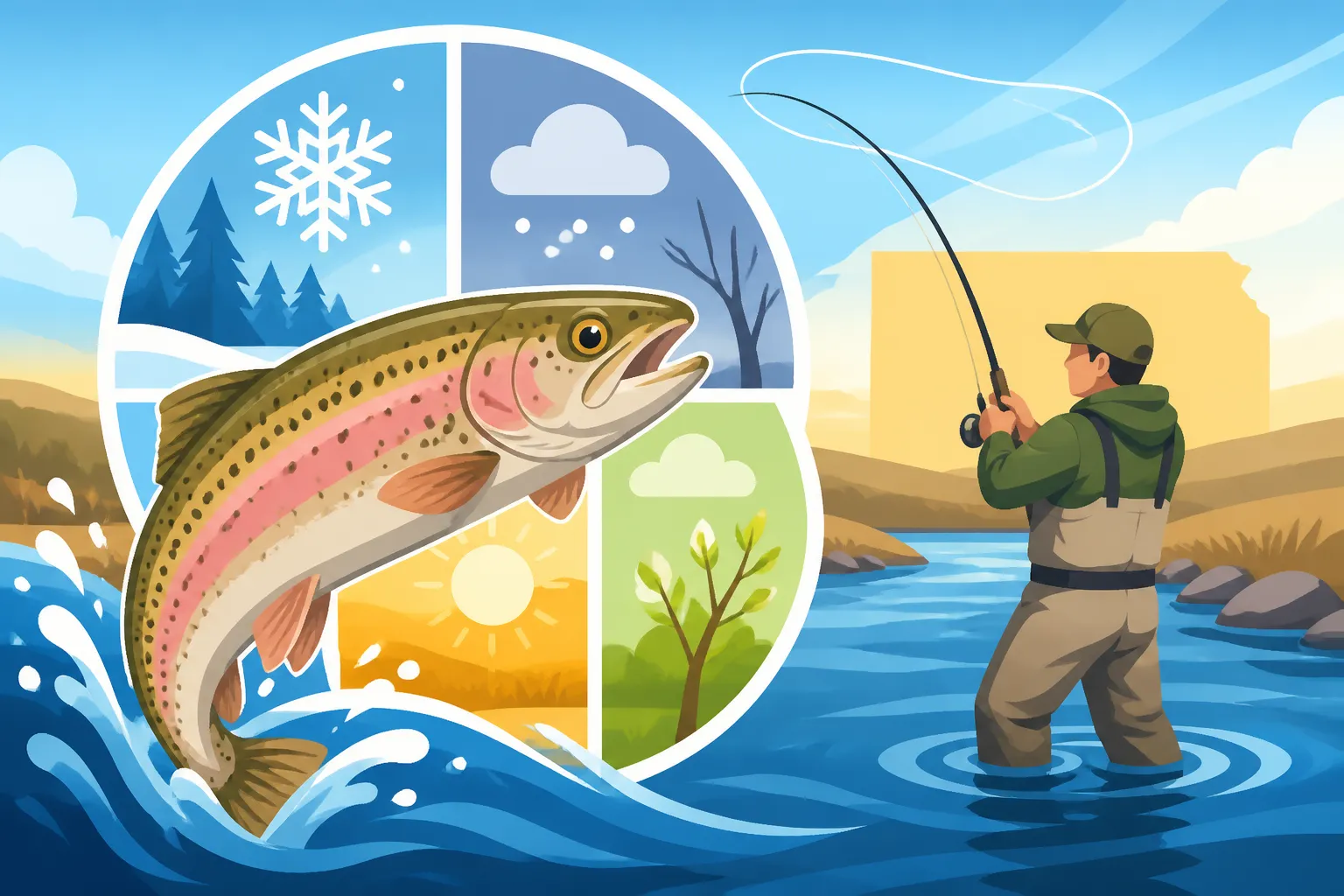
There's nothing quite like the crisp air of a Kansas winter day, and for many anglers, it means one thing: trout season! While the warmer months offer a bounty of exciting fishing opportunities, the cold snap brings a unique chance to target rainbow trout, a species that thrives in chillier waters. If you've ever felt confused about when exactly you can chase these beautiful fish in the Sunflower State, you're not alone. This guide will cut through the uncertainty, laying out everything you need to know about Kansas's dedicated trout season, which generally runs from December through March.
Understanding Kansas's Winter Trout Season Dates
For many fishing enthusiasts in Kansas, the arrival of winter signals a quiet period. Most warm-water species like bass and crappie become less active, retreating to deeper waters. But this lull is precisely when the Kansas Department of Wildlife and Parks (KDWP) steps in to offer a different kind of angling excitement: trout fishing! Unlike native fish, rainbow trout are stocked specifically for anglers to enjoy during the colder months when water temperatures are more suitable for their survival.
Official Start and End Dates for Trout Stocking
Generally, the official trout season in Kansas kicks off in early December and continues right through to March 31st. This window is carefully chosen by the KDWP because rainbow trout, being a cold-water species, thrive in water temperatures below 60 degrees Fahrenheit. Our Kansas winters, with their typically frigid temperatures, provide the ideal environment for these fish to not only survive but also to be quite active and willing to bite. It's important to remember that while the "season" formally runs until March 31st, the actual stocking events usually conclude sometime in late winter or early spring as water temperatures begin their gradual rise. However, any trout remaining in the lakes after the last stocking are fair game until the season officially closes. You can always check the KDWP website for the most current information, as specific stocking dates can vary slightly year to year based on weather and fish availability.
The Rationale Behind Winter Trout Stocking
You might wonder why Kansas focuses on trout stocking primarily during these colder months. The answer lies in the biology of the rainbow trout itself. These fish are not native to Kansas and cannot naturally reproduce in our warm-water lakes and ponds. They require cool, well-oxygenated water, conditions that are typically only met during late fall, winter, and early spring in Kansas. By stocking trout during this period, the KDWP provides a fantastic recreational opportunity when other fishing might be slow, essentially creating a "put-and-take" fishery. Anglers can enjoy catching these vibrant fish, and the fish, while thriving for a season, are not expected to establish self-sustaining populations. This strategy ensures a fresh, fun experience for anglers without impacting native fish populations or requiring extensive, long-term habitat management for a non-native species. It’s a brilliant way to keep the fishing excitement going all year long! To get a broader view of when you can fish for different species, take a look at our comprehensive guide on Kansas Fishing Seasons Guide.
Essential Permits and Licenses for Trout Fishing
One of the biggest hang-ups for new anglers, or even seasoned ones trying a new species, is understanding the licensing requirements. You don't want your exciting trout adventure cut short by an unexpected encounter with a game warden, do you? Rest assured, it's pretty straightforward, but there are a couple of key components you need to be aware of before you cast a line for trout in Kansas.
The Mandatory Kansas Fishing License
First and foremost, if you're 16 years of age or older, you absolutely need a valid Kansas Fishing License Guide to fish in Kansas waters. This applies whether you're targeting trout, catfish, crappie, or anything else. There are different types of licenses available, including annual, five-year, and short-term options, and costs vary for residents and non-residents. For example, a Kansas Resident Annual Fishing License Costs $25, while a Kansas Nonresident Annual Fishing License Costs $75. You can easily purchase these online through the KDWP website, at a licensed vendor like many sporting goods stores, or even at some Walmart locations. Make sure to check our resource on Where to Buy a Kansas Fishing License for more details. For younger anglers, it's worth noting that Do Kids Need a Fishing License in Kansas? provides specific age requirements, but generally, kids under 16 don't need a general fishing license.
Getting Your Kansas Trout Permit
Here's the critical part for trout season: in addition to your regular Kansas fishing license (if required), you must purchase a Kansas Trout Permit if you plan to fish in any designated trout waters during the December to March season. This is a separate permit that helps fund the trout stocking program, ensuring that these opportunities continue year after year. It's a small investment that makes a big difference in keeping our winter angling scene vibrant. The cost is usually around Kansas Adult Trout Permit Costs $14.50 for adults, and there's a reduced fee for youth. You can find more detailed information on specific costs and requirements in our dedicated Kansas Trout Permit Guide and Kansas Youth Trout Permit Costs $7 articles. Fishing for trout in a designated trout water without this permit, even if you have a general fishing license, can lead to fines, so it’s always best to be prepared. When in doubt about any specific rules or regulations, our Kansas Fishing Regulations Explained article is a great place to start.
Prime Locations for Winter Trout Fishing in Kansas
Now that you know when and how to legally fish for trout, the next big question is where to go. Kansas doesn't have native trout streams, so our trout fisheries are entirely managed through stocking programs. This means the KDWP strategically stocks various lakes and ponds across the state to provide diverse opportunities for anglers. Finding the right spot is key to a successful winter trout outing.
Stocked Community Lakes and Ponds
The KDWP does an incredible job of distributing trout stockings across a wide array of public waters. Many of these are smaller community lakes and urban fishing ponds, making them highly accessible even for those living in or near metropolitan areas like Wichita, Topeka, and Kansas City. These locations are chosen for their accessibility, manageable size, and water quality suitable for trout survival during winter. You might find trout in places like some of the Wichita urban fishing ponds, various city lakes in Overland Park, or state fishing lakes scattered throughout Kansas. The beauty of these community lakes is that they often feature amenities like accessible fishing piers, making them excellent spots for family outings or anglers with limited mobility. Our guide on Number of Waterbodies Stocked With Kansas Trout gives you a broader picture of the KDWP's efforts in this area. These stockings bring a burst of excitement to local waters that might otherwise be dormant in winter, creating a perfect opportunity for a fun day out.
Finding the KDWP Trout Stocking Schedule
The absolute best way to know exactly where and when trout are being stocked is to consult the Kansas Department of Wildlife and Parks (KDWP) official website. They publish a detailed trout stocking schedule that is regularly updated throughout the season. This schedule will list the specific lakes and ponds receiving trout, the dates of the stockings, and often the quantity of fish being released. It's a game-changer for planning your trip, allowing you to hit a freshly stocked lake for potentially better action. Keep an eye out for updates around late November and early December for the initial stockings. For instance, the Kansas Trout Stocking Schedule for December will give you a good idea of what to expect right at the start of the season. Many anglers will "follow" the stocking truck, so getting there shortly after a stocking can sometimes lead to immediate success. However, even a few weeks after a stocking, there are usually plenty of fish to be caught.
Effective Techniques and Gear for Winter Trout
Once you're legally ready and know where to go, the final piece of the puzzle is how to catch these beautiful winter trout. While trout can be particular, they are also quite aggressive when hungry, especially after being freshly stocked. The key is often to slow down your presentation and offer baits and lures they can't resist in the colder water.
Recommended Baits and Lures
When it comes to baits, PowerBait is often the undisputed champion for stocked rainbow trout. Available in many colors and scents, it's engineered to attract trout, and they readily take it. Green, yellow, and rainbow variations are popular choices. You can mold it onto a small treble hook or single hook, often fished off the bottom with a small split shot or an egg sinker, allowing it to float just above any muck. I always make sure to have a few jars of different colored PowerBait in my tackle box, which I usually pick up from retailers like Amazon before the season really kicks off.
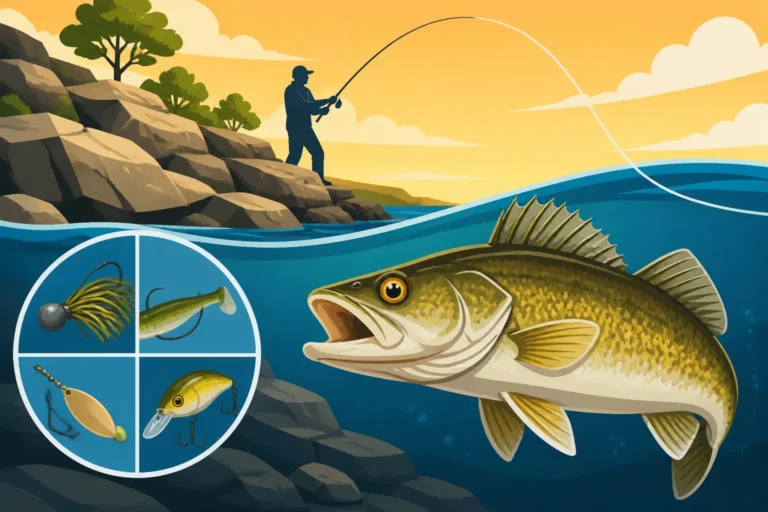
Beyond PowerBait, small live baits like wax worms, mealworms, or even small pieces of nightcrawler can be incredibly effective. Thread these onto a small hook (#8 or #10) and fish them under a bobber or on a light bottom rig. For artificial lures, small inline spinners like a Rooster Tail or Panther Martin, in sizes 0 to 2, can work wonders. Colors like silver, gold, and white, or even brighter fluorescent options, tend to catch their eye. Small spoons, micro-jigs, and even tiny crankbaits can also entice a strike. Many of these effective lures can be easily found and ordered on Amazon if your local bait shop is out of stock. For more in-depth bait strategies, check out our Best Bait for Winter Trout guide.
Rod, Reel, and Line Setup for Trout
For optimal success and enjoyment, light tackle is the way to go for Kansas trout. A lightweight spinning rod, ideally 5 to 6.5 feet long with a fast or moderate action, paired with a small spinning reel (size 1000 or 2000), is perfect. This setup allows for casting light baits and lures while providing enough backbone to handle a feisty trout.
When it comes to line, 4-6 pound test monofilament or fluorocarbon is generally ideal. Monofilament offers good knot strength and some stretch, which can be forgiving when a trout makes a sudden run. Fluorocarbon, on the other hand, is nearly invisible underwater and has less stretch, providing more sensitivity. I personally prefer a good quality monofilament like Stren or Berkley for most of my trout fishing, and I stock up on spools from Amazon at the start of the winter. Sometimes, I'll use a fluorocarbon leader with a braided main line for extra sensitivity, especially if the bites are very subtle. The key is to keep your line light enough not to spook the fish, but strong enough to prevent break-offs.
Winter Fishing Strategies and Techniques
Winter trout fishing demands a bit more finesse than your typical summer fishing. Since the water is colder, trout tend to be less energetic, so slower presentations are often more effective.
- Slow and Steady: Whether you're using bait or lures, a slow retrieve is crucial. For spinners, a gentle, consistent crank just fast enough to get the blade spinning is often all it takes.
- Bottom Fishing: Trout often cruise along the bottom in lakes and ponds, so a simple bottom rig with PowerBait or worms can be deadly. Use just enough weight to hold your bait down, or let your floating bait suspend just above the bottom.
- Under a Bobber: For suspended trout or when fishing near drop-offs, a small slip bobber rig is excellent. This allows you to present your bait at a precise depth where the trout are holding, and the visual cue of the bobber dipping is unmistakable.
- Target Structure: While Kansas lakes might not have "trout streams" in the traditional sense, stocked trout will still relate to structure. Look for drop-offs, points, submerged brush, or even the edges of weed beds. These areas provide cover and ambush points for hungry trout.
- Early Morning/Late Afternoon: Just like many fish, trout can be most active during the low-light periods of dawn and dusk, even in winter. These times often coincide with slightly warmer surface water temperatures or increased insect activity. If you're wondering How to Catch Rainbow Trout, these strategies are a great starting point.
Remember, patience is a virtue in winter fishing. The fish might not be as aggressive, but with the right approach and a little perseverance, you'll be enjoying the thrill of landing a beautiful Kansas rainbow trout in no time!
Kansas Trout Stocking Schedule and Costs Overview
To help you plan your winter trout fishing adventures, here's a quick overview of what you'll typically encounter with permits and stocking details. Keep in mind that specific stocking dates are dynamic and best checked on the KDWP website.
| Permit Type | Cost (Approx.) | Who Needs It? | Valid For |
|---|---|---|---|
| Adult Trout Permit | $14.50 | Ages 16-64 (in addition to fishing license) | Calendar Year |
| Youth Trout Permit | $7.00 | Ages 15 and younger (in addition to fishing license if 16+) | Calendar Year |
| Lifetime Fishing License | Varies | Covers general fishing license for life | Lifetime |
| General Fishing License | $25 (Res.) | Ages 16 and over (required for trout permit) | Calendar Year |
| $75 (Non-Res.) |
Trout Season Key Dates:
- Season Start: Early December (typically around December 1st)
- Season End: March 31st
- Stocking Frequency: Multiple stockings occur from December through early March. Check KDWP schedule for exact dates and locations.
- Typical Stocked Locations: Community lakes, state fishing lakes, and urban ponds across Kansas.
This table gives you a clear snapshot of the financial and temporal commitments to enjoying Kansas's winter trout season. Always double-check current regulations and stocking schedules on the KDWP's official site to ensure you have the most up-to-date information.
Disclaimer
Please note that fishing regulations, license requirements, and stocking schedules are subject to change by the Kansas Department of Wildlife and Parks (KDWP). While we strive to provide accurate and up-to-date information, it is always the angler's responsibility to consult the official KDWP website or their current regulations summary before heading out. This guide is for informational purposes only and should not be considered legal advice.