How to Catch Fish in a Reservoir During Drawdown
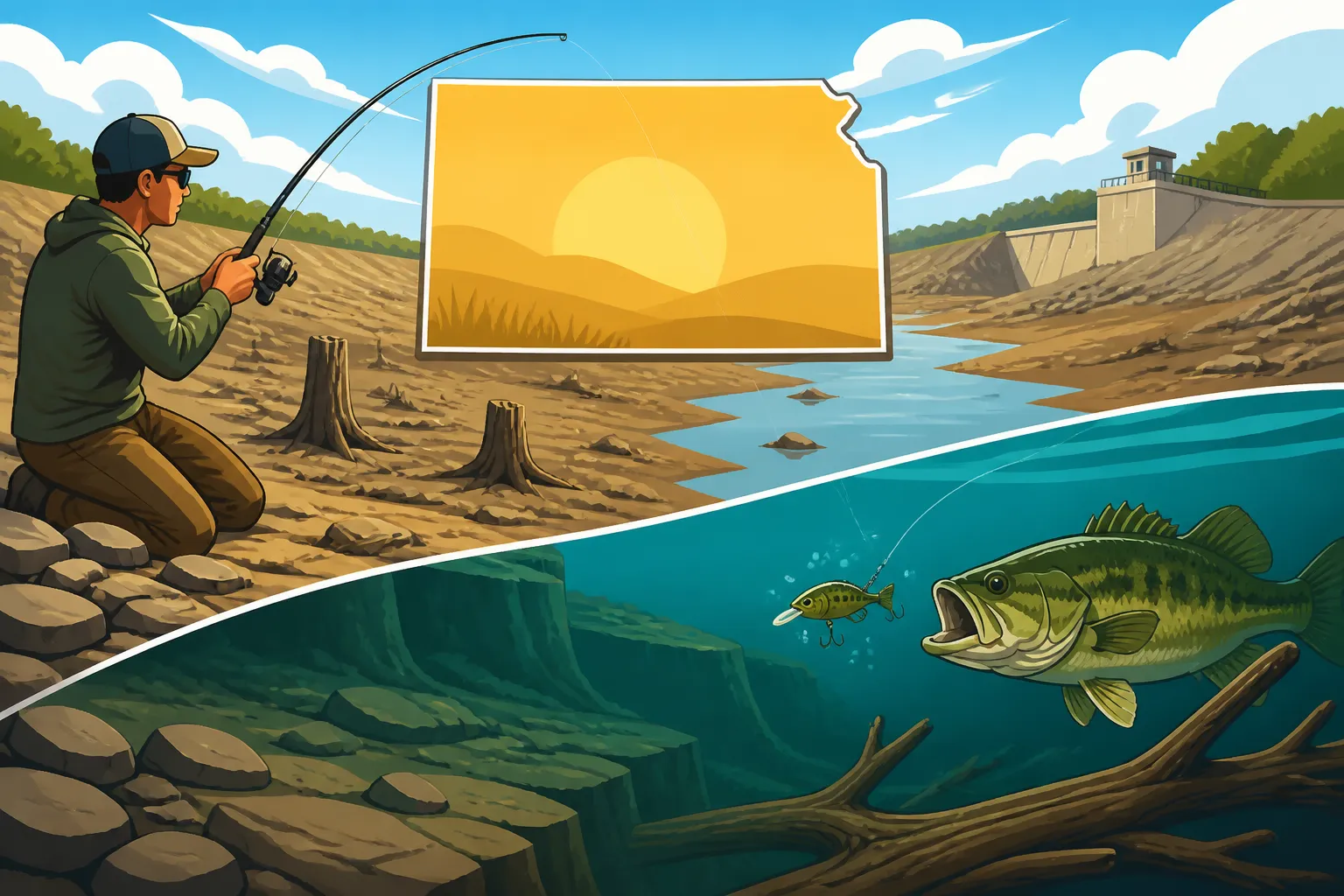
There's nothing quite like the excitement of hitting your favorite Kansas reservoir, only to arrive and find the water levels significantly lower than you expected. It can be incredibly frustrating to see familiar coves and points turn into dry land, leaving you wondering if there’s any point in even casting a line. But trust me, a reservoir drawdown isn't a reason to pack up and go home; it’s an opportunity to adapt your strategy and often discover new hotspots. This guide will walk you through how fish react to these changing conditions and, most importantly, how you can still have a successful and enjoyable day on the water, even when the lake is shrinking before your eyes.
Why Kansas Reservoirs Experience Drawdown and What It Means for Anglers
If you've spent any time fishing the big impoundments across our beautiful state, you've likely seen the tell-tale "bathtub ring" on the shoreline – that discolored band marking previous high-water levels. That's a clear sign of a reservoir drawdown, and it's a completely normal part of reservoir management here in Kansas. These drawdowns happen for a variety of reasons, from managing flood control during heavy rains, providing water for agricultural irrigation during dry spells, or even maintaining water levels for wildlife and habitat purposes during different times of the year. It’s not just an arbitrary change; it's a calculated management process that, while it can seem daunting to us anglers, actually creates predictable patterns for the fish.
Understanding the Forces Behind Lowered Water Levels
Think about Milford Lake or Cheney Reservoir, for example. These aren't natural lakes; they're man-made impoundments designed with specific purposes in mind, and water storage is a big one. During periods of drought, like what we sometimes experience in the late summer or fall, water might be released downstream to support municipal water supplies or agricultural needs. Conversely, after a spring filled with heavy rains, water might be intentionally lowered to create storage capacity for future flood events. These actions, driven by various state and federal agencies, are constant and can drastically alter the underwater landscape you’re accustomed to. The key takeaway for us is that these changes are often gradual enough that fish have time to adjust, but fast enough to force them into new locations.
The Immediate Impact on the Aquatic Environment
When water levels drop, the most obvious change is the reduction in overall water volume. This means fish habitat shrinks, and fish that were once spread out over a wide area are now concentrated into smaller, deeper pools. Shoreline cover, like submerged brush, rocks, and grass beds, often becomes exposed. What was once excellent cover for bass or crappie might now be dry land, forcing these fish to relocate. The clarity of the water can also change; sometimes it clears up as suspended sediment settles, making fish more wary, and other times it can become murkier if shallow areas are stirred up by wind or remaining currents. For us, this means we need to ditch our old assumptions about where the fish should be and start thinking about where they have to be.
Decoding Fish Behavior During Falling Water Levels in Kansas
Fish aren't just passively waiting for the water to disappear; they're actively reacting to their environment. Understanding these reactions is absolutely crucial to locating them during a drawdown. Different species will respond in slightly different ways, but there are some common themes that can help us predict their movements and feeding patterns.
How Different Species React to Shrinking Habitats
Let's consider our most popular Kansas game fish.
- Bass (Largemouth and Smallmouth): Bass are often creatures of structure and cover. As water recedes, they'll initially pull away from the exposed shorelines and move to the nearest available deeper water with cover. This could be a submerged creek channel, a steep drop-off, or remaining brush piles in deeper water. They become less scattered and more concentrated. You might find a whole school holding tight to one specific rock pile that was once a subtle humped out in the middle of a flat. Check out our Kansas Bass Fishing Guide for more on their general habits.
- Crappie: Similar to bass, crappie are drawn to cover. When shallow brush or timber goes dry, they'll often move to deeper brush piles, submerged cedar trees, or channel ledges. They'll hug these structures tightly, sometimes schooling up in incredible numbers. This is where your electronics, like a good fish finder, become invaluable to pinpoint these vertical structures.
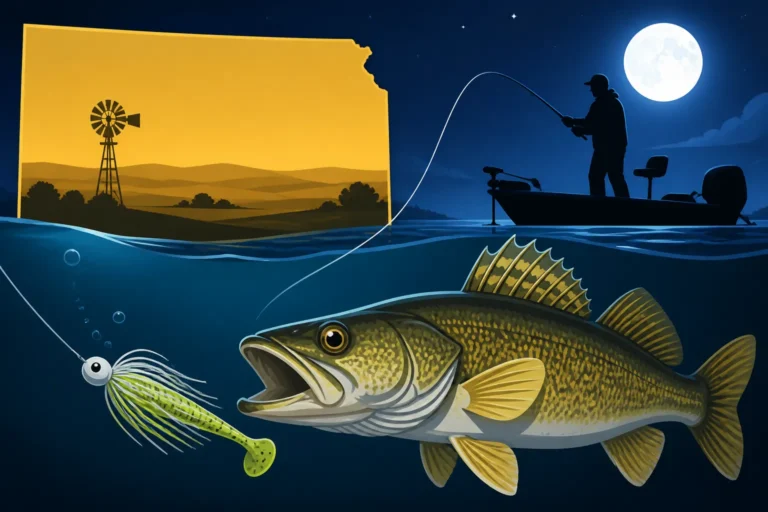
- Walleye: Walleye, being more open-water predators, will often follow baitfish into deeper basins or along the edges of submerged river channels. They'll relate to hard bottom structures like rocky points and humps that now stand out more prominently in the lower water. Their movements can be a bit more subtle than bass or crappie, but they're still seeking those prime ambush points where baitfish are forced to congregate. For specific tactics, our Kansas Walleye Fishing Techniques article is a great read.
- Catfish (Channel, Blue, and Flathead): Catfish are generally more tolerant of varying conditions. Channel catfish might move into deeper pockets of the main lake or channel, especially if there's remaining submerged vegetation or timber. Blue catfish, being big water fish, will often stay in the deepest parts of the main river channels or large creek arms, sometimes gorging on baitfish that become disoriented by the changing water. Flatheads will still seek out deep, heavy cover like log jams and rock piles in the main channels. You can learn more about these resilient fish in our Kansas Catfish Species Guide.
The Impact on Feeding Patterns and Location
The most significant behavioral change you’ll notice is how fish become much more concentrated. This can be a double-edged sword: harder to find initially, but when you do find them, the fishing can be lights out. They're often stressed by the shrinking habitat, making them either very aggressive in competition for food or incredibly lethargic and wary.
Baitfish are also impacted. They lose their shallow hiding spots, forcing them into open water or deeper concentrations. Game fish, in turn, will follow this bait. This means that instead of scattered schools of baitfish, you might find massive balls of shad compressed into a small area, making it easier for predators to ambush them. Look for signs of baitfish on your How to Use a Fish Finder on a Kansas Lake or even visible schools dimpling the surface in areas that are now deeper.
Targeting Fish in Drawdown: Where to Focus Your Efforts
So, with all these changes, where do you even start? The key is to think like a fish. Where would you go if your shallow home started drying up? You'd head for deeper water, available cover, and reliable food sources. This often means focusing on the main lake channels, steep drop-offs, and anything that offers vertical relief.
Key Structures That Become Hotspots
As water levels recede, certain structures become amplified and easier to locate, turning into prime fishing spots.
- Submerged River and Creek Channels: These are always important, but during a drawdown, they become highways and safe zones for fish. As shallow areas dry up, fish often retreat to the nearest channel. Look for bends, intersections, and irregularities within these channels using your depth finder. Fish will hold on the edges or in the deepest scour holes. If you're fishing a specific lake, like say, Milford Lake Fishing Guide, knowing where the old river channel runs is absolutely crucial.
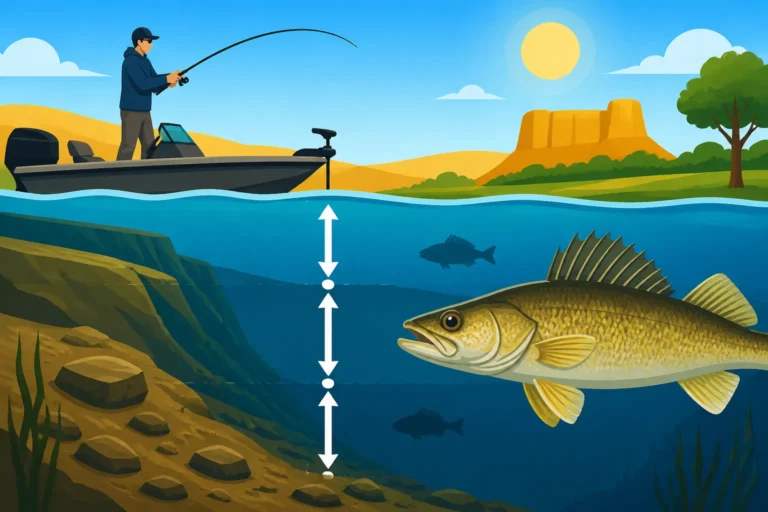
- Steep Bluffs and Rocky Drop-offs: While gradual slopes become exposed, steep bluffs and rocky drop-offs maintain their depth and provide immediate access to deeper water. Fish can move up and down these faces with ease to feed or retreat to safety. These areas often hold a mix of bass, crappie, and walleye, especially where they intersect with points or channel swings.
- Isolated Cover: Any remaining submerged timber, brush piles, or rock piles that are now isolated in deeper water become magnets for fish. With less available cover, these spots concentrate fish incredibly well. These might be spots you previously overlooked because they were surrounded by other cover. Now, they stand out.
- Main Lake Points and Humps: Points that extend far out into the lake, especially those with steep sides or rocky compositions, will hold fish. Humps or underwater islands, particularly those with hard bottoms, also become key areas where walleye and bass will ambush baitfish that are forced over them.
Reading the Shoreline and Bottom to Pinpoint Fish
Even without a boat, you can learn a lot from the exposed shoreline. The "bathtub ring" doesn't just show you where the water was; it often reveals the old contours of the lake bottom. You can see the old creek beds, submerged roadbeds, and foundations of structures that are now dry. Imagine where those features would be if the water came back up slightly, and then cast to the deeper edge of that imaginary structure.
If you're in a boat, use your electronics to scan for concentrations of baitfish or schools of game fish holding tight to structure. Often, fish will suspend just off the bottom in deeper water or hug tight to vertical cover. The key is to keep moving until you mark fish. Don't waste time casting to empty water. Focus on finding those congregations of fish that are a direct result of the shrinking habitat.
Effective Techniques and Baits for Drawdown Fishing
Once you've located some potential hotspots, it’s time to choose the right tools and tactics. Fishing during a drawdown often requires a bit more precision and a willingness to try different presentations until you find what the fish want.
Lures and Baits That Shine in Low Water
Because fish are often concentrated and sometimes more stressed, lures that offer a strong profile, vibration, or natural presentation tend to work well.
- Jigs with Soft Plastics: Jigs, whether dressed with a grub, creature bait, or a minnow imitation, are incredibly versatile. They can be fished vertically over deep structure or cast to drop-offs. The ability to control the depth and action precisely is critical when fish are holding tight to structure in deeper water. For crappie, small jigs tipped with a minnow are often irresistible.
- Deep-Diving Crankbaits: When fish are relating to steep breaks or channel edges, a deep-diving crankbait can be excellent for covering water and triggering reaction strikes. Choose colors that mimic baitfish in the reservoir. You want a crankbait that dives deep enough to actually hit the structure you're fishing.
- Carolina Rigs or Texas Rigs: For bass holding to submerged timber or rocky bottom, a Carolina rig or a Texas rig with a worm or creature bait allows you to probe the bottom slowly and feel for subtle bites. The weight gets your bait down quickly, and the slack line on a Carolina rig can make it seem more natural.
- Spoons or Blade Baits: These can be deadly for walleye and even suspended crappie or bass. Vertical jigging a spoon over a school of fish marked on your fish finder can produce aggressive strikes, especially if the baitfish are schooling tightly.
- Live Bait: Sometimes, nothing beats live bait. Minnows fished on a dropshot or under a bobber can be fantastic for crappie and walleye, especially when they are finicky. Shad or cut bait can be incredibly effective for enticing the bigger catfish that might be hunkered down in the channels.
Adapting Your Presentation to the Conditions
Your presentation needs to match the mood of the fish and the available structure.
- Slower is Often Better: While there can be times when fish are aggressive, stressed fish in reduced habitat often prefer a slower, more deliberate presentation. Work your baits slowly, letting them linger in the strike zone.
- Vertical Jigging: This is often a go-to technique in drawdown conditions, especially from a boat. If you mark fish holding vertically on a brush pile or along a channel edge, dropping a jig or spoon directly onto their heads can be incredibly effective. This is where a good Best Rods and Reels for Kansas Fishing setup for sensitivity really pays off.
- Precise Casting: With less water, your casts need to be more accurate. If fish are holding to a specific piece of timber or a small rock pile, you need to be able to hit that target repeatedly.
- Vary Your Retrieve: Don't be afraid to experiment. One day a steady retrieve might work, the next a stop-and-go retrieve might be what triggers bites. The fish's mood can change with the weather, so always be willing to adapt.
- Check the Edges: Even if the main body of water is low, check the current water's edge in deeper areas. Fish might move shallower during low light conditions to feed before retreating to deeper water.
Here’s a quick overview of how you might adapt your approach:
| Fish Species | Typical Drawdown Behavior | Go-To Locations | Recommended Baits/Techniques |
|---|---|---|---|
| Bass | Relate to nearest deep cover/structure | Deep brush, rock piles, channel edges | Jigs, Carolina Rigs, Deep-Diving Crankbaits |
| Crappie | School tight to vertical submerged cover | Deeper brush piles, timber, creek channels | Small Jigs, Minnows, Blade Baits (vertical jigging) |
| Walleye | Follow baitfish to deep basins, hard bottom | Rocky points, humps, main channel edges | Spoons, Crankbaits, Jig & Minnow (slow retrieve) |
| Catfish | Retreat to deepest channels, heavy cover | Main river channels, log jams, scour holes | Cut bait, Shad, Worms (bottom fishing) |
Remember, the goal is to be adaptable. What works on Cheney Reservoir Fishing Guide might need slight adjustments when you're on another lake, but the core principles of finding deeper water, structure, and baitfish remain the same. Don't be discouraged by low water; instead, see it as a puzzle to solve. With a little perseverance and the right approach, you'll still be reeling in some fantastic catches!
Disclaimer
This article is for general informational purposes only and does not constitute professional advice. Laws, prices and regulations vary by location and change over time. Consult a qualified professional for guidance on your specific situation.