Best Live Bait for Kansas Channel Catfish
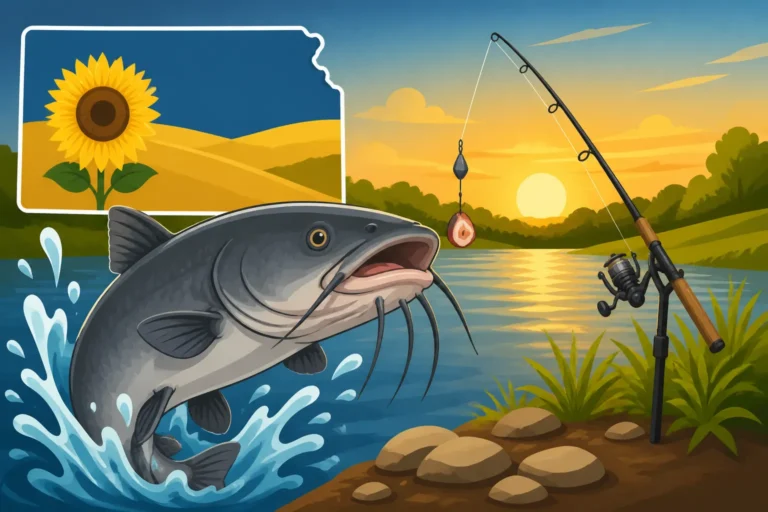
There's nothing quite as frustrating as heading out to your favorite Kansas fishing spot, fully expecting to reel in some decent channel catfish, only to spend hours staring at a still line. If you've been relying solely on prepared baits or the wrong types of natural offerings, you might be missing out on the secret weapon that truly entices these whiskered warriors: live bait. This guide will dive deep into the best live bait options for channel catfish in Kansas, helping you understand why they work and how to use them effectively to turn those slow days into memorable catches.
Why Live Bait is a Game Changer for Channel Catfish
Channel catfish are incredible predators, and while they're often portrayed as bottom feeders that will eat anything, their senses are highly tuned to detect prey. Live bait simply taps into their natural instincts in a way that artificial lures or even cut bait sometimes can't. It's about presenting something irresistible that mimics what they hunt in their natural environment.
The Olfactory Advantage
Imagine you're a channel catfish, cruising the murky depths of Milford Lake or the swift currents of the Kansas River. Your primary sense for finding food isn't sight; it's your incredible sense of smell and taste, thanks to those prominent whiskers (barbels) and taste buds spread across your body. Live bait, especially when it's stressed or injured, releases potent scent trails into the water. This isn't just a faint smell; it's a distress signal, a literal dinner bell ringing in the catfish's world. This constant, fresh release of natural odors is far more attractive than the diminishing scent of cut bait or the often artificial smell of commercial dough balls.
Furthermore, the subtle movements of live bait create water displacement and vibrations that catfish can detect through their lateral line. This combination of scent and movement creates an undeniable allure, pulling catfish in from a wider range. It’s like having a sonar ping combined with an aromatic cloud, making your offering practically invisible to ignore. This is especially crucial when you're targeting catfish in larger, diverse environments like Tuttle Creek Lake where they might be spread out.
Natural Presentation and Movement
One of the biggest advantages of live bait is its inherent naturalness. It swims, struggles, and behaves exactly like a real meal. A lively shad or a squirming worm offers constant, erratic movement that triggers a predatory response. Even if a channel cat isn't actively feeding, a well-presented live bait can often provoke a reactionary strike. This is particularly true when fish are a bit lethargic or spooky; the natural, unforced motion of a live offering can be the difference between a bite and an empty hook.
Think about fishing a river bend or a deep hole. A struggling live baitfish, perhaps hooked lightly through the back, will swim naturally, exploring the immediate area and covering a wider scent cone than a stationary piece of cut bait. This active searching on the bait's part effectively advertises your offering to any nearby catfish. It’s not just about what the bait is, but what it does in the water. This authentic behavior is something even the most realistic artificial lures struggle to perfectly replicate, making live bait superior in many situations.
Targeting Bigger Fish
While channel catfish of all sizes will readily take live bait, it often has a particular appeal to larger, more mature fish. Trophy channel cats are opportunistic but also efficient predators. They are looking for a substantial meal, and a lively, healthy baitfish or a large cluster of worms represents just that. Smaller channel cats might be more inclined to nibble at smaller offerings, but bigger cats are often after a mouthful.
Using larger live bait, such as a substantial gizzard shad or a big crawfish, is a classic strategy for weeding out smaller fish and increasing your chances of hooking into that trophy-sized channel cat. It's not uncommon to hear tales of anglers landing their biggest cats while using live bait, precisely because it appeals to the instincts and caloric needs of a larger predator. If you're hoping to set a personal best or even aim for a state record, opting for robust live bait is often your best bet.
Top Live Bait Options for Kansas Channel Cats
When it comes to live bait for channel catfish in Kansas, you'll find a few standbys that consistently produce results. Each has its own merits, and choosing the right one often depends on what's available, what the local catfish are accustomed to eating, and the conditions you're fishing in.
Gizzard Shad and Other Baitfish
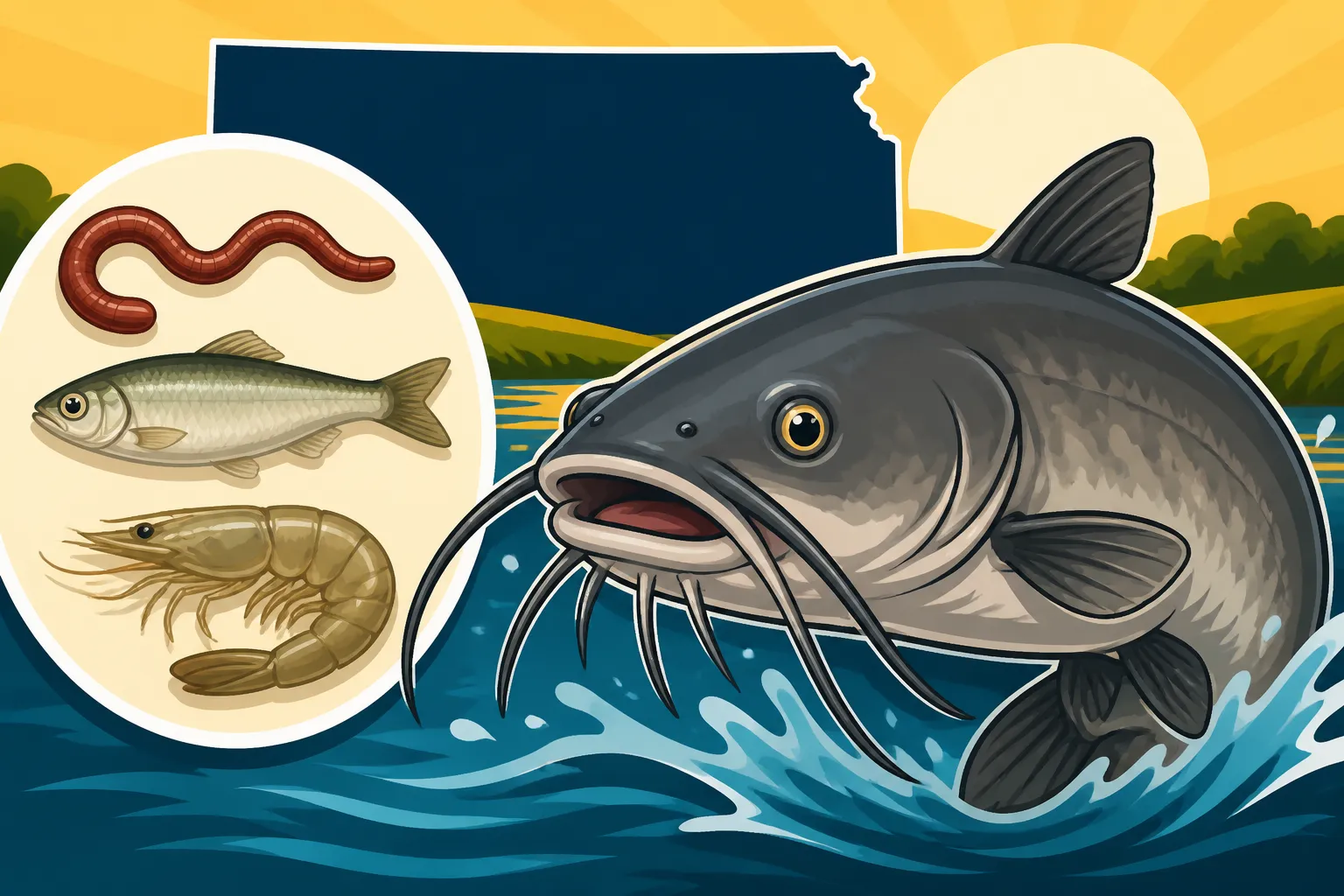
For many serious Kansas catfish anglers, live gizzard shad are the undisputed king of channel cat bait, especially on larger reservoirs like Cheney Reservoir or El Dorado Lake. These oily, silvery fish are a primary food source for many predatory species, including channel catfish. Their natural oils create an irresistible scent trail, and their frantic movements on the hook are a powerful attractant.
When fishing with live shad, size matters. For average channel cats, a 3-6 inch shad is usually perfect. For targeting larger trophy cats, don't be afraid to go bigger, even up to 8-10 inches. You can fish them whole, hooked through the back or lips, allowing them to swim naturally. The key is to keep them alive and lively. They can be delicate, so careful handling and a well-aerated bait tank are essential. Other baitfish like bluegill or small carp, where legal, can also be effective, but shad often have an edge due to their natural abundance and high oil content. Remember to always check the Kansas Fishing Regulations Explained to ensure you are using legal baitfish and adhering to any length limits or restrictions.
Crawfish: A River Monster's Delicacy
Crawfish, sometimes called crayfish or mudbugs, are another incredible live bait choice, particularly if you're fishing in rivers or rocky areas where they are naturally abundant. The Kansas River, for example, is teeming with crawfish, and channel catfish there absolutely gorge on them. Their hard exoskeletons and claw-waving defense mechanism make them a hardy bait that can withstand currents and peckish panfish, staying lively for a long time.
Hook crawfish through the tail, being careful not to pierce their vital organs, or through a tougher part of their carapace. This allows them to move around on the bottom, mimicking their natural behavior. Catfish often find their erratic scuttling and the vibrations they create irresistible. Crawfish are especially good during periods of higher water or after rains when they might be washed out of their hiding spots, making them easy prey for opportunistic catfish. They're a fantastic choice for those aiming for the hard-fighting cats found in currents.
Worms: The Universal Bait
Ah, the humble worm. While perhaps not as flashy as a struggling shad, worms remain one of the most reliable and widely accessible live baits for channel catfish across Kansas. Nightcrawlers, red wigglers, or even garden worms all work. Their constant wiggling motion and the natural scent they release are highly attractive to catfish, especially in smaller lakes, ponds, or calmer river sections. They're also incredibly easy to find and keep.
For channel catfish, don't be shy about using a substantial chunk of worm or even a whole nightcrawler. You can thread a large nightcrawler onto a hook multiple times to create a bulky, wiggling mass, or use several smaller worms bunched together. The goal is to create a compelling, active target. Worms are particularly effective when Kansas Fishing Techniques for Beginners are being explored, as they require minimal special handling and are almost universally effective. They're also a great choice for kids, who can easily gather them before a fishing trip.
Minnows and Goldfish
While smaller than shad, live minnows (like fatheads or golden shiners) can also be highly effective, especially for smaller to medium-sized channel catfish or when larger baitfish are scarce. They are readily available at most bait shops and are generally easier to keep alive than shad. Goldfish, though less common as bait, are surprisingly hardy and can be a good option in certain situations, though local regulations on using non-native species as bait should always be checked.
Hook minnows through the lips or just behind the dorsal fin, making sure the hook does not hit the spine, to allow for maximum movement. They work well under a bobber or on a Carolina rig. While perhaps not the top choice for pure trophy hunting, minnows are a consistent producer and a versatile bait that can catch a variety of fish species, including channel cats.
Tips for Acquiring and Keeping Your Live Bait Fresh
Having the right live bait is only half the battle; keeping it alive and lively until it hits the water is crucial for success. Dead or lethargic bait is far less effective, robbing you of that vital movement and scent.
Catching Your Own Bait
One of the most satisfying ways to get live bait is to catch it yourself. This not only saves money but ensures you have the freshest bait possible. For gizzard shad and minnows, a cast net is your best friend. Look for baitfish congregating in shallow coves, around submerged brush, or near dam outflows on reservoirs. Knowing Where White Bass Spawn might also reveal good baitfish concentrations. Always check local regulations regarding cast net use and baitfish possession limits. A portable aerated bait bucket, perhaps one you found on Amazon, is essential for transferring your catch to your main livewell.
Crawfish can be caught using minnow traps baited with cat food or pieces of fish. Set them in rocky creek beds or along the banks of rivers and check them periodically. For worms, a simple digging expedition in moist soil after a rain can yield a bounty of nightcrawlers. Head out with a flashlight after dark when they're on the surface. Catching your own bait adds an extra layer of adventure to your fishing trip and deepens your connection to the local ecosystem.
Buying From Local Bait Shops
If catching your own isn't feasible or you just want convenience, local bait shops are an invaluable resource. They typically stock a variety of live baits, including minnows, worms, and often shad or goldfish, depending on the season and location. Buying from a reputable bait shop ensures you're getting healthy, active bait. Don't be afraid to ask the staff for advice; they often have the latest scoop on what's biting and what local catfish prefer.
Many shops around popular fishing destinations like those near Milford Lake Fishing Guide or Cheney Reservoir Fishing Guide will have a good selection. When you buy bait, inspect it. Look for lively, uninjured individuals. A good bait shop will have well-maintained tanks with clean water and proper aeration. Don't just grab the first batch; pick the ones that look the most active and healthy.
Proper Storage at Home and On the Water
Keeping live bait alive requires a bit of effort, but it's worth it. For short trips, a well-insulated bait bucket with an aerator is critical. An aerator, which you can easily find on Amazon, pumps oxygen into the water, preventing your bait from suffocating. Change the water periodically, especially if it gets cloudy or warm. For shad, adding a bit of rock salt (non-iodized) to the water can help them shed slime and stay healthy.
For longer storage at home, a dedicated livewell or a large cooler with an aerator can work. Keep the water cool, but not icy, and aerated. For worms, store them in a breathable container filled with moist bedding (like peat moss or specialized worm dirt) in a cool, dark place like a basement or refrigerator. Avoid direct sunlight at all costs. The goal is to minimize stress on the bait, so they stay vibrant and appealing when it's time to hit the water. Remember, healthy bait equals better bites!
Rigging Your Live Bait for Success
Once you've got your prime live bait, knowing how to present it effectively is key. The right rigging setup ensures your bait stays lively, natural, and enticing to hungry channel catfish.
The Carolina Rig for Bottom Fishing
The Carolina rig is a classic and highly effective setup for fishing live bait for channel catfish on the bottom, especially in reservoirs or slower river sections. It allows your bait to move somewhat freely while keeping your weight on the bottom. Here's how to tie it:
- Main Line: Start with your main fishing line.
- Sinker: Thread an egg sinker or a no-roll sinker onto your main line. The weight will depend on the current and depth, but typically 1/2 oz to 2 oz is common.
- Bead: Slide a plastic or glass bead onto your main line after the sinker. This protects your knot from the sinker's abrasion.
- Swivel: Tie a strong barrel swivel to the end of your main line using a Palomar or improved clinch knot.
- Leader: Tie a fluorocarbon or monofilament leader (1-3 feet long, depending on conditions) to the other end of the swivel. Fluorocarbon is often preferred for its abrasion resistance and invisibility underwater.
- Hook: Tie a sharp, appropriately sized circle hook (usually 2/0 to 5/0, depending on bait size) to the end of your leader. Circle hooks are excellent for catfish as they typically hook the fish in the corner of the mouth, making for easy release if desired and preventing gut hooks.
This rig keeps your bait suspended just above the bottom, allowing it to swim and create scent without being directly weighed down. When a channel cat takes the bait, the line slides freely through the sinker, allowing the fish to run without feeling resistance. Just let the rod load up before slowly reeling to set the circle hook. You can learn more about Best Rod and Reel Combo for Catfish and proper hook sizes.
Float Fishing for Active Cats
Sometimes channel catfish aren't strictly on the bottom. They might be suspended in the water column, especially if there's baitfish schooling at a certain depth, or cruising just below the surface in calmer waters. Float fishing (using a bobber) is a fantastic way to present live bait in these situations. It allows you to control the depth of your bait and can be incredibly effective when fish are scattered or actively chasing bait.
You can use a slip bobber rig, which allows you to adjust your fishing depth easily. A simple setup involves:
- Bobber Stop: Thread a bobber stop onto your main line, followed by a small bead.
- Slip Bobber: Slide a slip bobber onto your main line.
- Weight: Attach a split shot or small sinker about 1-2 feet above your hook. The weight should be just enough to balance the bobber, allowing your bait to swim freely.
- Hook: Tie on your preferred hook, typically a circle hook.
This rig is particularly useful in areas with standing timber, submerged brush, or other snags where bottom fishing might lead to constant hang-ups. The bobber keeps your bait out of the snags while still presenting it naturally. It's also great for covering broader areas from a boat or kayak, letting the wind or a slight current drift your bait.
Hooking Your Bait for Maximum Appeal
The way you hook your live bait can significantly impact its longevity and effectiveness. The goal is to secure the bait without killing it or severely impeding its movement.
- Baitfish (Shad, Minnows, Goldfish): For larger baitfish, hook them lightly through the back, just above the lateral line and behind the dorsal fin, avoiding the spine. This allows them to swim naturally. For smaller baitfish, hooking them through both lips from the bottom up can also work, especially if you want them to struggle against a current. Always ensure the hook point is exposed for a solid hookset.
- Crawfish: Hook crawfish through the tail, running the hook through the middle segments of the tail and out. Another method is to hook them through the tough part of their carapace (shell) just behind the head, being careful not to hit any vital organs. This allows them to scuttle and wave their claws, attracting attention.
- Worms: For nightcrawlers, thread the hook through the worm several times, leaving a good portion of both ends dangling and wiggling. You can also pinch off a section and hook it through once or twice. For smaller worms, simply bunch several onto the hook. The key is to have plenty of active, squirming ends.
No matter the bait, a sharp hook is non-negotiable. Regularly check your hook points and sharpen or replace them as needed. The quicker and cleaner the hook penetration, the better your chances of landing that elusive Kansas channel cat. Understanding How to Set the Hook on a Kansas Catfish with different bait types will also be a major advantage.
Conclusion
Choosing the best live bait for Kansas channel catfish isn't just about throwing something on a hook; it's about understanding the catfish's natural instincts, the environment you're fishing in, and how to present your offering in the most appealing way possible. Whether you're cast-netting fresh gizzard shad on a reservoir, hunting for crawfish in a river, or simply digging up some juicy nightcrawlers, live bait offers an undeniable edge.
By maximizing the natural scent, movement, and predatory appeal of these offerings, you significantly increase your chances of a successful and exciting day on the water. So next time you're gearing up for a channel cat adventure in the Sunflower State, consider ditching the artificial and embracing the lively allure of natural bait. You might just find yourself reeling in the biggest catfish of your life!
Disclaimer
This article is for general informational purposes only and does not constitute professional advice. Laws, prices and regulations vary by location and change over time. Consult a qualified professional for guidance on your specific situation.