Best Time of Year for Catfish
If you've ever spent a beautiful day on a Kansas lake or river, rod in hand, only to wonder why the catfish aren't biting, you're certainly not alone. It can feel like these whiskered wonders have a secret schedule, making it tough to know when to hit the water for the best chance at a bend in your rod. This comprehensive guide will peel back the mystery, detailing the prime times throughout the year to target channel, blue, and flathead catfish across Kansas, ensuring your next trip is more productive.
Understanding Catfish Seasonal Behavior
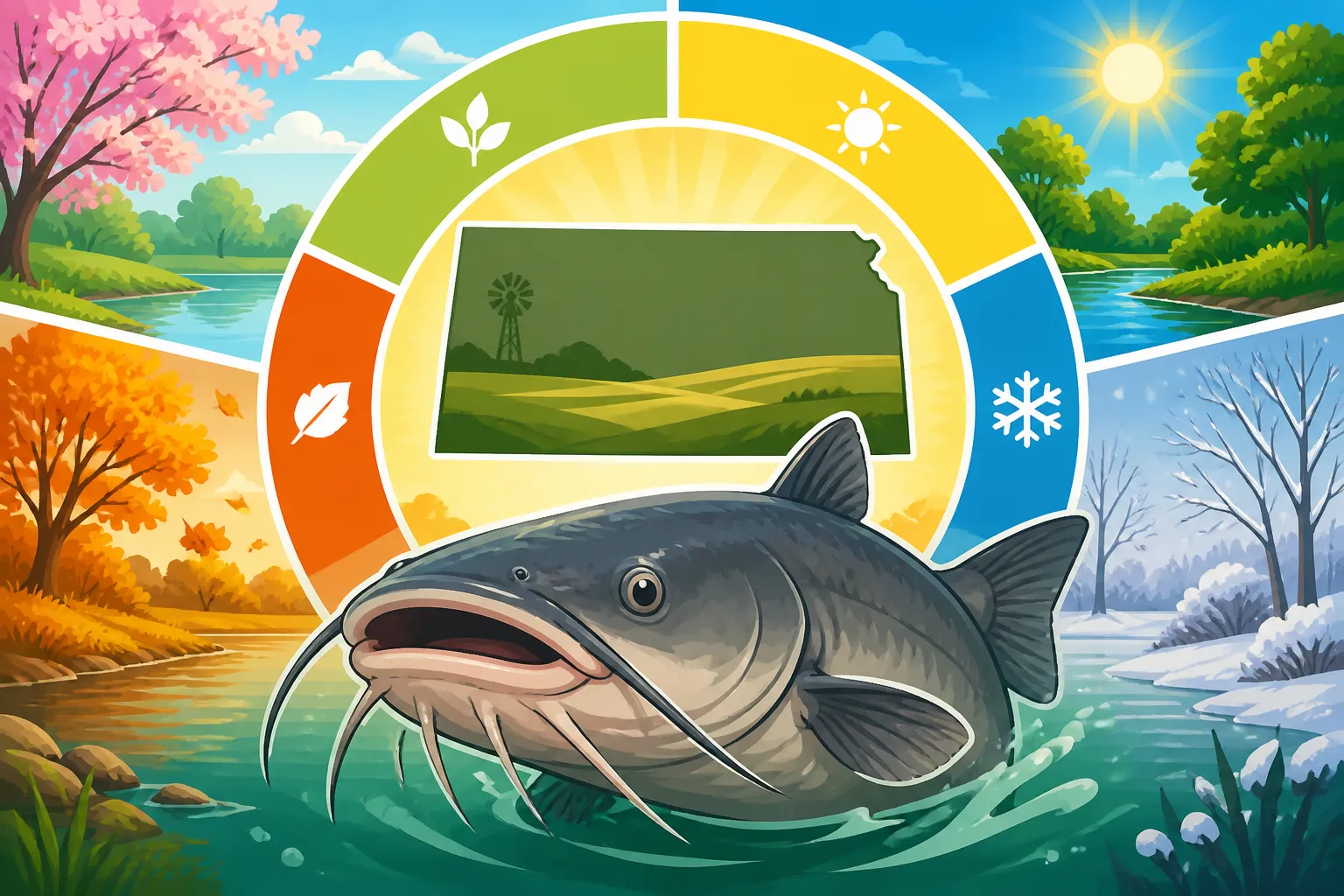
Catfish, much like us, respond to the changing seasons, primarily driven by water temperature and their natural biological urges like spawning and feeding. While you can technically catch a catfish any day of the year in Kansas, certain periods offer significantly better opportunities due to increased activity and predictable patterns. Knowing these patterns is the key to consistent success.
The Role of Water Temperature
Water temperature is perhaps the single most crucial factor dictating when and where catfish will be active. As the water warms up in spring, catfish metabolism increases, making them more aggressive feeders. Conversely, as it cools in fall and winter, their activity slows down considerably. Each species of catfish has its preferred temperature range for optimal comfort and feeding, though there's a lot of overlap. For instance, channel catfish tend to be quite comfortable and active in water temperatures ranging from the mid-60s to low 80s Fahrenheit. Blue catfish often prefer slightly cooler, deeper water but will move shallow to feed. Flatheads are ambush predators that become incredibly active in warmer temperatures, often holding tight to structure.
Thinking about the larger picture of Kansas fishing, understanding how temperature affects various species is vital. For a broader perspective on all the whiskered species swimming in our waters, check out our in-depth Kansas Catfish Species Guide.
Spawning Cycles and Their Impact on Fishing
Every fish species has a spawning season, and for catfish, this is a period of intense activity followed by recovery that directly influences their catchability. In Kansas, catfish generally spawn from late spring into early summer, typically when water temperatures are in the high 60s to mid-70s.
- Pre-Spawn: This is often an incredibly productive time! Before spawning, catfish gorge themselves, building up energy for the arduous process ahead. They become highly aggressive, feeding heavily in shallower waters. This "feast mode" can last for several weeks, making them relatively easy to locate and entice with a variety of baits.
- Spawning: During the actual spawning period, catfish (especially males guarding nests) can become very localized and less interested in feeding. They're focused on reproduction, often hiding in crevices, undercut banks, or hollow logs. Catching them during this time might require a different approach, focusing on their protective instincts rather than pure hunger.
- Post-Spawn: After spawning, both male and female catfish can be a bit sluggish and recuperating. However, this period is often short-lived, and they quickly revert to a feeding pattern to regain lost energy. Once they've recovered, they'll often resume aggressive feeding, particularly in the summer months.
Spring: The Awakening and Pre-Spawn Feast
As the Kansas landscape sheds its winter coat and green shoots emerge, the waterways begin to warm, stirring the catfish from their cold-water lethargy. Spring is an electrifying time for catfish anglers, marking the beginning of their most active feeding periods.
Early Spring: Warming Up and Moving Shallow
When the ice fully melts and water temperatures begin to climb into the 50s and low 60s Fahrenheit, usually from late March through April, catfish start to shake off the winter doldrums. They'll move out of their deep wintering holes and begin to stage in shallower areas where the sun's rays penetrate and warm the water more quickly. Think about the north-facing banks of a reservoir, shallow flats near river bends, or the upper reaches of creeks and feeder streams that run into larger lakes. These areas not only warm first but also tend to hold baitfish and other forage that the hungry catfish are seeking after a lean winter.
For those targeting channel catfish from the bank, this can be an excellent time. They'll often cruise along shorelines, especially after a good spring rain that washes new nutrients and food sources into the water. Using classic baits like cut shad, shad gizzards, or even prepared baits can be highly effective. If you're looking for more tips on shore-based angling, our guide on How to Catch Channel Catfish From the Bank offers some great insights.
Late Spring: The Pre-Spawn Power Bite
As late April melts into May and early June, and water temperatures settle into the high 60s to low 70s, you're officially in the golden age of spring catfishing. This is the pre-spawn period, where catfish are actively bulking up before they begin their spawning rituals. They are exceptionally hungry and aggressive, making them easier to locate and catch. You'll find them concentrating in areas with good cover and access to food: timbered flats, submerged brush piles, rocky points, and river channels. Blue catfish, in particular, will be making strong movements up rivers and into tributary arms of reservoirs during this time.
This is the perfect window to use heavier tackle and bigger baits, especially if you're chasing trophy-sized flatheads or blues. Fresh cut bait, like shad or carp, can be irresistible. Many anglers also find success drifting baits along channel edges or tight-lining near structure. Finding the right gear can make all the difference, and a wide selection of heavy-duty rods and reels can be found on Amazon, ready to handle these powerful fish.
Summer: Heat, Hunger, and Night Bites
Summer in Kansas brings hot days, warm water, and for many anglers, some of the best catfish action of the year, particularly after the sun goes down. Catfish don't shy away from the heat; they simply adjust their habits.
Day Fishing Strategies: Finding Cooler Water
During the scorching Kansas summer days, when surface water temperatures soar into the 80s and even 90s, catfish will seek refuge in cooler, deeper water. This means focusing your efforts on main lake channels, deep bends in rivers, beneath bluffs, or around submerged structure like old roadbeds or bridge pilings in reservoirs like Milford Lake or Tuttle Creek Lake. These deeper haunts provide not only cooler water but also often hold oxygen-rich areas and concentrated baitfish.
Even in the daytime, catfish still need to eat. Techniques like drift fishing with cut bait along deep contours, or anchoring and presenting baits on bottom in channel swings, can be very effective. Look for drop-offs and ledges using your fish finder. Sometimes, even during the hottest part of the day, a fresh piece of cut bait presented accurately can entice a strike from a big blue or channel cat.
Night Fishing: The Prime Summer Catfish Time
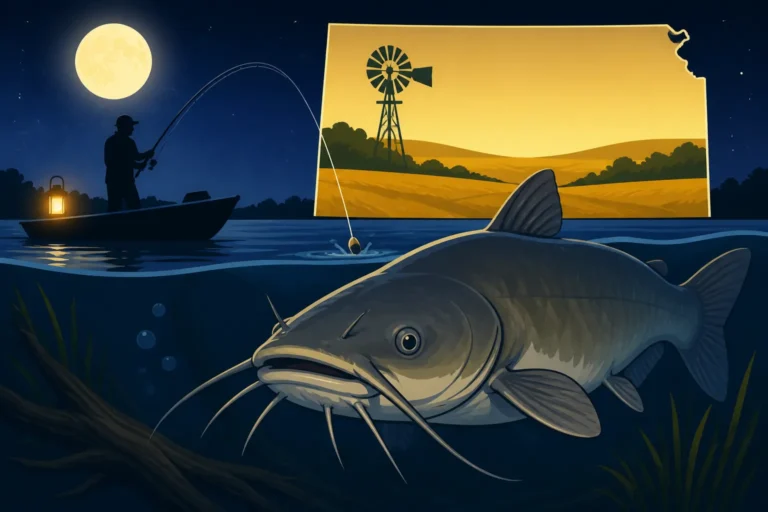
Without a doubt, summer nights are arguably the single best time of year to target catfish in Kansas. As the sun sets and air temperatures drop, the water cools, and catfish often move out of their deep-water daytime hideouts to cruise shallower flats, points, and humps in search of food. The cover of darkness provides them a sense of security, and their excellent sense of smell and touch gives them an advantage in low light conditions. This nocturnal shift makes them incredibly accessible and aggressive.
Channel catfish will be especially active, often moving into areas as shallow as 3-5 feet. Blue cats will follow baitfish into shallower parts of the main lake or river. Flatheads, known for their ambush tactics, will move from their daytime structure to patrol nearby feeding grounds. Anglers targeting flatheads at night often use live bait, like bluegill or sunfish, presented near heavy cover or along current breaks. To learn more about how to maximize your chances after dark, explore our detailed Kansas Night Fishing Guide. Don't forget to stock up on glow sticks and headlamps, which are easily available on Amazon, to help you navigate and rig baits in the dark!
Post-Spawn Recovery and Heavy Feeding
Following the spawn, which can extend into early summer, catfish quickly shift back into a heavy feeding pattern to regain lost weight and energy. This period, often from late June through August, offers fantastic fishing opportunities. They'll be found in a variety of depths, depending on the specific time of day and water temperatures. On rivers like the Kansas River, you'll find them congregated in current breaks, behind wing dams, and in deep holes. For those interested in river fishing, our Kansas River Fishing Guide provides excellent information.
Autumn: Fall Frenzy Before Winter Slump
As summer transitions into fall, the cooling water temperatures trigger another period of intense feeding for catfish in Kansas. This "fall frenzy" is a crucial time for them to build up fat reserves before winter arrives, making them highly catchable.
Early Fall: Continuing the Feast
In early fall, typically September and early October, water temperatures gradually drop from their summer highs. Catfish, sensing the impending cold, continue their aggressive feeding patterns. This period can be very similar to late spring, with fish actively moving and feeding in a variety of depths. They might still be found in some shallower areas, particularly during warmer spells, but will increasingly relate to deeper structure and channels as the water cools further.
Look for schools of baitfish, as catfish will often follow these migratory patterns. Reservoirs like Cheney Reservoir or El Dorado Lake can be hotspots as baitfish begin to school up for winter. Using larger cut baits, especially shad, can be incredibly productive. You can often find a good selection of quality circle hooks, essential for effective catch-and-release and secure hooksets, on Amazon.
Late Fall: Moving to Wintering Grounds
By late October and November, as water temperatures drop into the 50s and even 40s, catfish begin their migration to deeper wintering grounds. Their metabolism slows, and while they still feed, it's not with the same urgency as earlier in the season. During this time, you'll need to focus your efforts on the deepest parts of lakes and rivers, looking for large congregations of fish.
Successful late fall catfishing often involves finding these deep holes and presenting baits directly to the fish. Slow drifts or anchoring over known wintering spots can pay off. While the bite might be slower, the fish you catch can often be larger, as the bigger, more mature catfish are often the last to cease aggressive feeding.
Winter: Finding the Deep Holdouts
Winter catfishing in Kansas can be challenging, but it's not impossible. While certainly not the "best time" in terms of sheer numbers, dedicated anglers can still find success by understanding how catfish behave in cold water.
Slowed Metabolism and Deep Waters
When water temperatures drop below 45 degrees Fahrenheit, catfish activity slows dramatically. Their metabolism plummets, and they become lethargic, often congregating in massive schools in the deepest, most stable water available. This can be the main river channel in a large reservoir, deep holes in rivers, or even beneath ice cover. They aren't actively chasing food, but rather conserving energy.
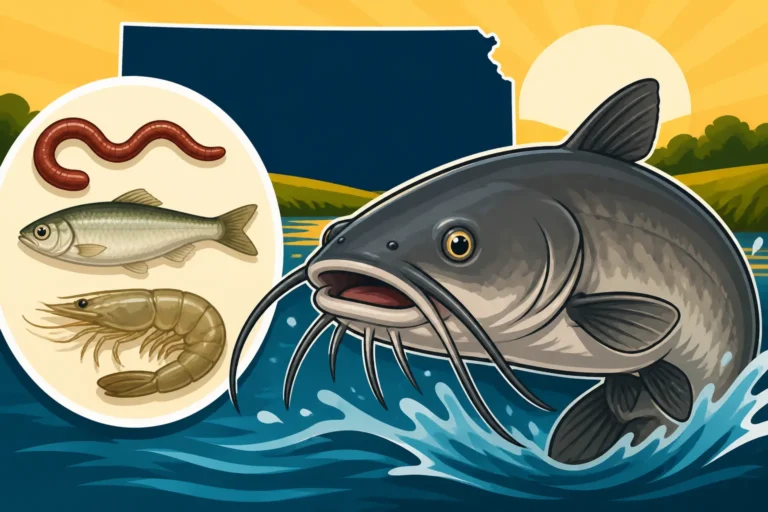
The key to winter catfishing is finding these deep aggregations of fish. Once located, presentation must be slow and deliberate. Smaller baits, like a piece of shrimp, a small chunk of cut bait, or even a nightcrawler, presented on a light Carolina rig or a three-way swivel rig, can sometimes entice a bite. The fish won't strike aggressively; instead, you might feel a subtle tap or just added weight on your line. Patience is a virtue in winter catfishing.
Ice Fishing for Catfish
For those brave enough to venture out onto the hard water, ice fishing can occasionally yield catfish, particularly channel cats. In many Kansas lakes that freeze over, like some of the Kansas State Fishing Lakes, channel catfish can be found suspended or on the bottom in deeper basins. Unlike actively cruising under the ice, they tend to hold in specific spots.
Using small jigs tipped with bait (like a piece of shad or a minnow head) or small slip-sinker rigs on tip-ups can be effective. Again, the bite will be light, so sensitive rods and a keen eye are essential. Always prioritize safety when ice fishing, ensuring the ice is thick enough, typically at least 4 inches for foot travel.
Catfish Activity by Season: A Quick Overview
Here’s a table summarizing the general catfish activity levels and recommended strategies across the seasons in Kansas.
| Season | Water Temperature (Approx.) | Catfish Activity Level | Primary Species to Target | Recommended Baits/Techniques | Key Locations |
|---|---|---|---|---|---|
| Spring | 50-70°F | High (Pre-Spawn Feast) | Channel, Blue, Flathead | Cut bait (shad, carp), prepared baits, live bait for Flatheads | Shallow flats, creek mouths, timbered areas, river bends |
| Summer | 75-85°F+ | High (Nocturnal Peak) | Channel, Blue, Flathead | Cut bait, live bait (bluegill, sunfish) | Deep channels (day), shallow flats/points (night), current breaks |
| Autumn | 55-70°F | High (Fall Feast) | Channel, Blue, Flathead | Large cut bait (shad, carp), prepared baits | Main lake channels, points, drop-offs, river holes |
| Winter | <45°F | Low (Lethargic) | Channel, Blue | Small cut bait, shrimp, nightcrawlers | Deepest holes, main river channels, thermal refuges |
This table serves as a handy reminder, but always remember that local conditions, weather fronts, and specific lake characteristics can influence these general patterns. A fresh fishing report or local bait shop advice can provide invaluable, up-to-the-minute details.
Choosing Your Catfish Target
While all three main species of Kansas catfish – channel, blue, and flathead – are active at different times, understanding their individual preferences can help you decide what to target.
Channel Catfish: The All-Season Favorite
Channel catfish are by far the most widespread and adaptable catfish in Kansas. They are the most tolerant of varying water conditions and can be found in almost every lake, pond, and river across the state. They are also the most willing to bite during the day and night, making them a fantastic target for anglers of all skill levels. While they can be caught year-round, their peak activity is undeniably in the spring, summer, and early fall. They'll readily take prepared baits, cut bait, worms, and even some artificial lures. If you're looking for consistent action, targeting channels throughout the warmer months is your best bet.
Kansas generally has generous Kansas Channel Catfish Daily Limit regulations, allowing anglers to keep a good number for the dinner table.
Blue Catfish: The Cold-Water Conquerors and River Giants
Blue catfish, known for their size and strength, often prefer slightly cooler, moving water than channel cats. While they are active throughout the warmer months, especially in major rivers like the Kansas River or in large reservoirs such as Tuttle Creek Lake, they also remain more active in colder water than flatheads. This makes them a prime target in late fall and even into mild winter periods, particularly in the deeper river channels where they congregate.
During the summer, big blues often cruise the main lake channels and deep river sections, becoming highly nocturnal. They are primarily piscivores, meaning they prefer fish, making fresh cut bait their absolute favorite. If you're serious about landing a trophy blue cat, understanding their seasonal movements in our larger waterways is paramount.
Flathead Catfish: The Warm-Water Ambush Predator
Flathead catfish are truly creatures of habit and structure. They are solitary ambush predators that prefer live bait and heavily rely on cover, such as logjams, undercut banks, and rock piles. Their activity is heavily tied to warm water, making late spring, summer, and early fall their prime time. As soon as water temperatures hit the mid-60s, flatheads become incredibly active, and they remain so until temperatures drop back down into the 50s.
When the water cools, flatheads become much more sluggish and harder to tempt. They will burrow deep into heavy cover and become almost dormant. Therefore, if a monster flathead is on your bucket list, focus your efforts during the warmest months, especially at night with live bait. For specific tactics, our guide on How to Catch Flathead Catfish at Night is an invaluable resource.
By understanding these seasonal patterns and species-specific behaviors, you can significantly increase your chances of a successful and rewarding catfishing experience in Kansas, no matter the time of year!
Disclaimer
Fishing conditions and regulations in Kansas can change. Always consult the latest Kansas Department of Wildlife, Parks and Tourism (KDWPT) regulations before heading out on the water. This guide is for informational purposes only and does not supersede official KDWPT rules and guidelines.