Best Coves for Crappie at Milford Lake
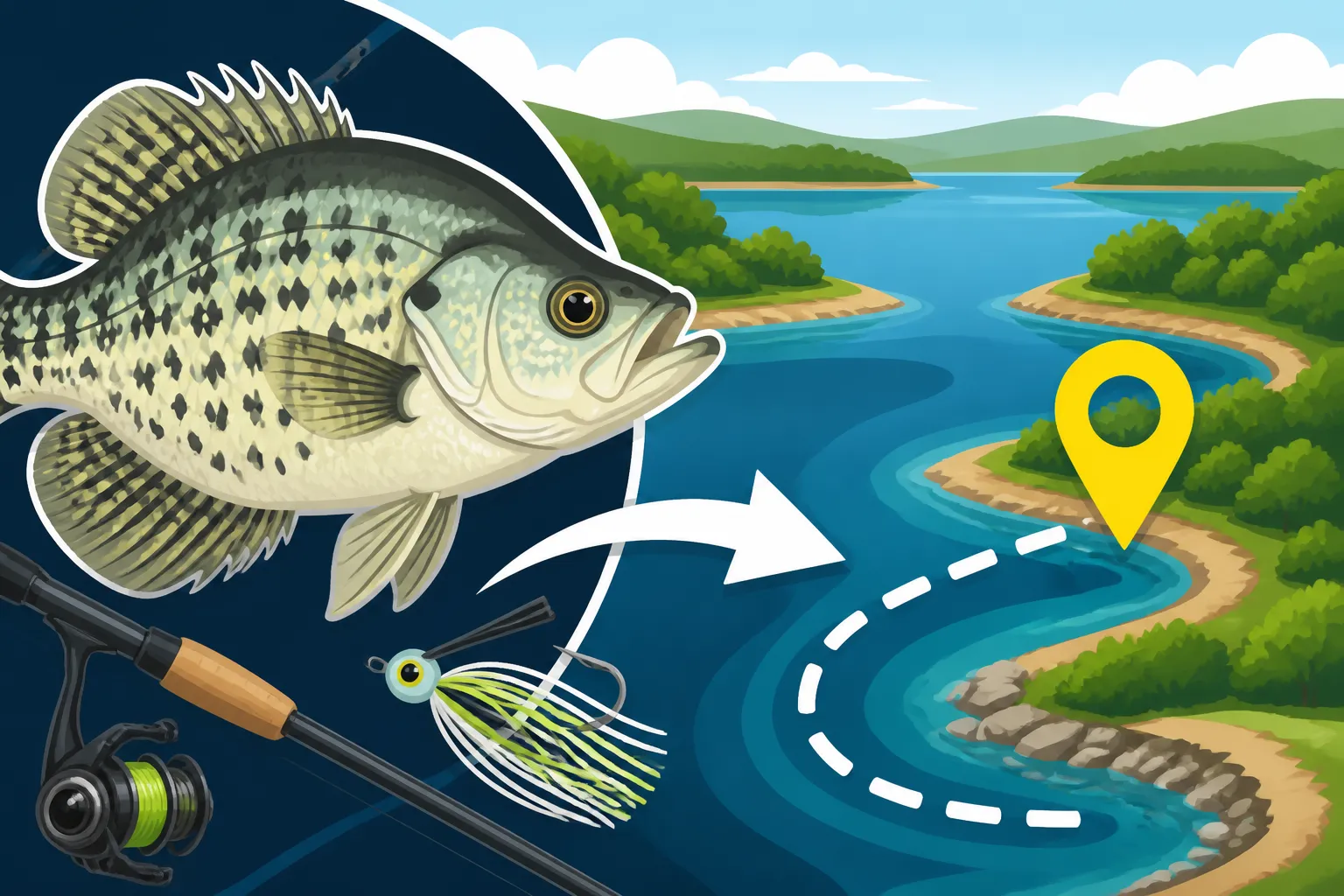
Few things are as frustrating as staring out at the vast expanse of Milford Lake, knowing it holds some incredible crappie, but having no idea where to even start looking. It’s one of Kansas's biggest lakes, and trying to find those elusive slabs among its countless coves, points, and channels can feel like searching for a needle in a haystack. This guide is going to cut through that frustration, giving you the inside scoop on the best coves for crappie at Milford Lake, alongside the tactics you'll need to fill your livewell.
Understanding Milford Lake for Crappie Fishing
Milford Lake is a behemoth, often touted as the "Walleye Capital of Kansas," but let me tell you, it's a crappie paradise too, if you know where to look. Its sheer size and diverse underwater landscape create a dynamic environment that crappie absolutely thrive in, but also one that can be intimidating for anglers.
The Sheer Size and Structure of Milford Lake
Let's talk about scale for a moment. Milford Lake is the largest lake in Kansas, covering a massive 15,709 acres when full. That's a lot of water to cover, right? It's formed by the impoundment of the Republican River, and this river influence is a huge factor in crappie behavior. The old river channel, along with its numerous tributaries and creeks, winds its way through the lakebed, creating natural highways for fish movement.
Think of Milford as a series of interconnected mini-lakes, each with its own coves, points, and brush piles. The northern end of the lake, where the Republican River feeds in, tends to be shallower and muddier, particularly after heavy rains. As you move south towards the dam, the lake deepens and the water often clears up. Crappie utilize all these different habitats, from the murky, nutrient-rich upper reaches to the clearer, rockier structure near the main lake. Understanding this general layout is crucial for narrowing down your search, because crappie will relate to different types of cover depending on the season and water conditions.
Seasonal Crappie Movement in Milford
Crappie, like most fish, are creatures of habit driven by spawning cycles and food availability. Their movement patterns throughout the year significantly dictate where you'll find them in Milford's coves.
- Spring (Pre-spawn & Spawn): This is arguably the most exciting time for crappie anglers, and when the coves really shine. As water temperatures begin to rise, usually hitting the mid-50s to low 60s Fahrenheit, crappie push into the shallowest parts of protected coves. They're looking for submerged brush, fallen trees, old weed beds, and even rocky banks to spawn. This is when you'll find them just a few feet deep, making them accessible to both boat and bank anglers. Many anglers specifically target the Milford Lake Crappie Spawn Timing in May.
- Summer: Once the spawn is over and water temperatures really heat up, crappie generally pull back out of the super shallow water. They'll often suspend over deeper water in the coves, especially near creek channels, or relate to submerged structure like brush piles and timber in 10-20 feet of water. They might also move to the cooler, deeper main lake points or humps, but they'll still visit coves, especially at dawn, dusk, or during cooler periods to feed.
- Fall: As the water cools down again in autumn, crappie start to feed aggressively in preparation for winter. They often move back into the mouths of coves or the deeper sections of larger coves, following baitfish that are also schooling up. You'll find them relating to structure at various depths, often in 8-15 feet of water.
- Winter: When the lake gets really cold, crappie typically retreat to deeper water, often suspending in schools over main lake channels or the deeper sections of large coves. If there's safe ice, you can even target them through the ice in these deeper coves.
Knowing these patterns helps you select the right cove and the right technique. You won't fish a shallow spawning flat in July, just like you wouldn't typically target deep suspended fish in April.
Top Coves for Crappie at Milford Lake
Alright, let's get down to the brass tacks: where are the best coves to actually catch crappie at Milford Lake? While crappie can be found throughout the lake, some areas consistently produce more fish due to their ideal habitat and forage opportunities.
Curtis Creek Cove: A Proven Spring Hotspot
Curtis Creek Cove is practically legendary among local crappie anglers, especially during the spring spawn. It's located on the southern end of the lake, offering a mix of features that crappie adore. The cove has several smaller fingers and protected pockets, making it an ideal nursery.
What makes Curtis Creek Cove so special?
- Abundant Structure: This cove is absolutely loaded with submerged timber, old stumps, and brush piles. These provide crucial cover for crappie to hide, spawn, and ambush baitfish. If you're drifting or trolling, keep a close eye on your fish finder for these submerged treasures.
- Gradual Depth Changes: The depths here aren't too drastic, allowing crappie to move easily from deeper creek channels into the shallower spawning flats as water temperatures dictate. You can find fish anywhere from 3 feet to 15 feet, depending on the time of year.
- Accessible Banks: For those without a boat, Curtis Creek offers decent bank access, particularly near the Curtis Creek Recreation Area. You can cast jigs or minnows under a bobber around visible cover.
- Specific Tactics: During the spring, focus on casting small jigs (1/32 to 1/16 ounce) tipped with a soft plastic grub or a live minnow directly into or around brush piles and laydowns. Slow, controlled presentations are key. In summer, try vertically jigging over known brush piles in deeper sections of the cove. If you're looking for an expert to show you the ropes, you might consider booking a trip through a service like FishingBooker, which often features local Milford Lake Fishing Guide Services who know these spots inside and out.
Rolling Hills Cove: Consistent Action
Just a bit further west from Curtis Creek, you'll find Rolling Hills Cove. This area is another crappie magnet and often provides consistent action even when other spots are slow. It’s a larger cove system with plenty of diverse habitat.
Key features and fishing strategies:
- Creek Channel Influence: Rolling Hills has a well-defined creek channel running through it, providing a natural migration route and deeper holding areas for crappie. Target the edges of this channel where it meets structure.
- Varied Structure: You'll find a good mix of standing timber, submerged brush, and rocky points throughout Rolling Hills. The standing timber, particularly, can hold large schools of crappie.
- Good for Trolling: Because of its size and the consistent depth changes along the creek channel, Rolling Hills is a great cove for slow trolling small crankbaits or spider rigging with multiple rods. This allows you to cover a lot of water and find active schools.
- Prime Times: While good year-round, Rolling Hills is excellent in both spring and fall. In spring, the shallower pockets and flats towards the back of the cove are hot. In fall, look towards the mouth and main channel edges. For those looking for Kansas Spring Crappie Fishing Tips, this cove is a must-visit.
School Creek Cove: A Year-Round Option
School Creek Cove, located on the northern side of Milford, offers a different flavor of crappie fishing due to its slightly shallower nature and proximity to the Republican River inflow. It's an excellent choice for anglers seeking crappie across different seasons.
What makes School Creek Cove diverse?
- Depth and Cover: While shallower than some southern coves, School Creek still boasts significant depth changes and plenty of submerged timber, especially in its lower half. The upper reaches can get quite murky after heavy rains, which crappie sometimes prefer.
- Adaptable Tactics: In spring, target the shallow brushy areas with jigs and minnows. During summer, the deeper bends of the creek channel, especially where there's timber, can hold suspended crappie. Vertical Jigging Techniques for Kansas Crappie are particularly effective here when fish are holding tight to cover.
- River Influence: Being closer to the river input means water levels and clarity can fluctuate more here. Smart anglers will pay attention to recent rainfall and adjust their approach. Crappie in murkier water might prefer baits with more vibration or brighter colors.
- Winter Potential: When stable ice forms, the deeper sections of School Creek can be fantastic for ice fishing. Crappie will school up along the old creek channel, making them vulnerable to vertical presentations through the ice.
Farnum Creek Cove: Off-the-Beaten-Path Potential
For anglers who prefer a bit less pressure and are willing to explore, Farnum Creek Cove presents an excellent opportunity. It's located on the western side of the lake, a bit more remote than the others mentioned, and can reward those who seek it out.
Why Farnum Creek Cove is worth the effort:
- Less Pressure: Due to its slightly more remote location, Farnum Creek often sees less fishing pressure than Curtis Creek or Rolling Hills, which can translate into less skittish fish and more consistent bites.
- Natural Structure: This cove is particularly rich in natural, undisturbed structure. You'll find extensive areas of standing timber, large laydowns, and subtle channel swings that hold crappie year-round. There are also some nice rocky outcrops that attract both baitfish and crappie.
- Excellent for Electronics: Because much of the best structure here is submerged and less obvious, having a good fish finder is a massive advantage. Spend time idling and scanning to pinpoint those hidden brush piles and schools of crappie.
- Targeting Tactics: In spring, focus on the shallow, brushy flats in the upper half of the cove. As the season progresses, move to the deeper timber lines and channel edges with slow-trolled jigs or live minnows. This is a great spot to experiment with different presentations, as the fish haven't seen every lure in the book.
Here's a quick summary table of these prime crappie coves:
| Cove Name | Primary Features | Prime Season(s) | Key Tactics |
|---|---|---|---|
| Curtis Creek Cove | Abundant submerged timber, gradual depths, bank access | Spring, Fall | Jigging, minnows under bobbers, casting |
| Rolling Hills Cove | Defined creek channel, varied structure, standing timber | Spring, Fall | Slow trolling, spider rigging, jigging channel edges |
| School Creek Cove | Deeper bends, timber, river influence, varied clarity | All Seasons | Vertical jigging, trolling, ice fishing (winter) |
| Farnum Creek Cove | Extensive natural structure, less pressure | All Seasons | Electronics scouting, casting jigs, slow trolling near timber |
Essential Techniques and Tips for Milford Lake Crappie Coves
Knowing where to fish is only half the battle; knowing how to fish effectively in these coves is what truly puts crappie in the boat. Milford's crappie can be finicky, so having a versatile approach is crucial.
Mastering Shallow Water Tactics
When crappie move into the coves during spring for their spawn, or even during certain feeding windows in fall, they get into surprisingly shallow water. This is when patience and precision pay off.
- Jigging and Pitching: Small jigs (1/32 to 1/8 ounce) paired with soft plastic bodies are incredibly effective. Colors like chartreuse, white, blue/chartreuse, and black/chartreuse are local favorites. Pitch these jigs into visible cover like fallen trees, brush piles, and submerged vegetation. Let the jig sink slowly, then twitch it gently. The bite can be incredibly subtle, often just a slight "tick" or the feeling of added weight.
- Minnows Under a Bobber: This classic method is a killer for shallow crappie. Use a small hook (size 4 or 6 light wire) and a lively minnow under a slip bobber. Set your depth so the minnow is just above the cover or at the depth where crappie are observed. The natural action of the minnow is often irresistible to finicky crappie. This is where the Best Bait for Kansas Crappie truly shines.
- Casting Cranks and Spinners: Sometimes, a more aggressive presentation is needed. Small crankbaits that dive 2-6 feet, or inline spinners, can be great for covering water quickly and drawing reaction strikes from active crappie. Look for shallow points or transition areas where crappie might be cruising.
- Light Tackle: For these shallow water tactics, a light or ultralight spinning rod, around 6 to 7 feet long, spooled with 4-6 lb test monofilament or fluorocarbon line, is ideal. This setup provides the sensitivity needed for light bites and the casting distance for pitching jigs. A good Kansas Fishing License Guide will always recommend having the right gear for the target species.
Deep Water Strategies for Cooler Months
As crappie move deeper in summer, winter, or when they retreat from shallow spawning grounds, your tactics need to adapt.
- Vertical Jigging and Drop-Shotting: When crappie are schooled up over brush piles or suspended in deeper water, vertical presentations are key. Use your fish finder to locate schools or structure, then position your boat directly over them. Drop a jig or a minnow-tipped jig straight down. For very deep or suspended fish, a drop-shot rig with a minnow or small plastic bait can be incredibly effective, presenting the bait directly at the fish's eye level.
- Spider Rigging/Long Lining: This technique involves using multiple rods (often 6-10) with varying lengths and bait presentations, fanning them out around the boat while slowly trolling. This covers a large area and allows you to experiment with different depths and lure colors until you find what the crappie want. Small jigs, grubs, or minnows are typically used.
- Trolling Small Crankbaits: In larger coves or along creek channels, slow trolling small, deep-diving crankbaits can entice crappie that are suspended or cruising. Match the crankbait depth to where you're seeing fish on your electronics. The Best Rod and Reel Combo for Crappie often involves a sensitive rod to detect subtle bites when trolling.
Reading the Water: What to Look For
Crappie are masters of their environment, and understanding the cues the lake provides can dramatically improve your success.
- Structure is King: Always look for cover. Submerged brush piles, standing timber, rock piles, ledges, creek channel edges, and even old dock pilings are crappie magnets. Use your electronics to find these hidden gems.
- Water Temperature and Clarity: These are huge factors. Crappie are temperature-sensitive. In spring, rising water temps pull them shallow. In summer, they seek cooler, deeper water. Water clarity also impacts their behavior; in murky water, they might prefer brighter colors or baits with more vibration. Clearer water often calls for more natural colors and subtle presentations.
- Baitfish Schools: Where there's bait, there are usually crappie. Keep an eye on your fish finder for schools of shad or other small baitfish. Crappie will often be lurking nearby, either directly under or around these schools. Understanding the Kansas Fishing Regulations Explained will also give you insights into protecting the forage base.
Beyond the Coves: Expanding Your Milford Crappie Search
While the coves are undeniably fantastic, especially during certain times of the year, Milford Lake’s crappie population isn’t confined solely to these sheltered areas. To truly maximize your crappie catch, it's wise to broaden your perspective and understand how these fish utilize the entire reservoir.
Main Lake Points and Creek Channels
Even when crappie aren't actively spawning or feeding exclusively in the coves, they don't disappear from the lake entirely. They simply relocate to deeper, more subtle structures that still offer cover and access to food.
- Main Lake Points: These geological features are essentially underwater extensions of the shoreline. Points that drop off steeply into deeper water, especially those with rock or brush on them, can be phenomenal crappie spots. During summer and winter, crappie will often school up on these points, suspending at different depths depending on the thermocline (in summer) or baitfish activity. They use these points as highways to move between deeper main lake areas and shallower feeding grounds. Try slow-trolling jigs or minnows along the contours of these points, or cast to the deeper side of the point where it drops off. Look for points that have a history of holding fish; often, local anglers have added brush piles to these spots, creating even more attractive habitat.
- Creek Channels and River Bends: Milford Lake is essentially a flooded river system. The old Republican River channel, along with the channels of its tributaries like Curtis Creek and School Creek, are major highways for crappie. These channels provide structure, current breaks, and deeper, more stable environments when conditions are harsh in the shallower areas. Crappie will often suspend along the edges of these channels, particularly where they intersect with submerged timber, humps, or old roadbeds. Using your fish finder to trace these channels and identify irregularities – like a sudden depth change, a submerged tree on the edge, or a school of baitfish hovering nearby – can be incredibly productive. You might even find massive schools of crappie stacked up in a deep bend of the river channel, especially in winter.
Utilizing Technology for Success
In a lake the size of Milford, modern fishing technology isn't just a luxury; it's practically a necessity for consistent crappie success. These tools help you understand the underwater world in ways our predecessors could only dream of.
- Fish Finders and Sonar (2D, Down Imaging, Side Imaging): A good fish finder is your best friend on Milford.
- 2D Sonar helps you identify fish arches and general depth. Look for those tell-tale schools of baitfish and the larger arches (crappie) often lurking beneath them.
- Down Imaging provides a photographic-like view directly beneath your boat, helping you discern specific structures like individual submerged trees or brush piles. This is invaluable when you're trying to drop a jig precisely onto a specific piece of cover.
- Side Imaging is a game-changer for covering vast areas quickly. It allows you to scan wide swaths of the lake bottom to either side of your boat, revealing brush piles, timber, and schools of fish that you might otherwise miss. Imagine cruising down a main lake point and seeing an entire crappie school holding to a brush pile 50 feet off to your starboard side – that's the power of side imaging. Investing in a quality Best Fish Finder for Kansas Reservoirs will pay dividends.
- GPS and Lake Mapping: Integrated GPS with detailed lake maps (like those from Garmin, Lowrance, or Humminbird) is absolutely essential. Milford Lake has countless contours, creek channels, and submerged features.
- Waypoint Management: Mark every brush pile, every productive spot, and every school of fish you find with a GPS waypoint. This allows you to return to those exact locations later, even if conditions change.
- Contour Lines: Study the contour lines on your map. Steep drops, humps, saddles, and the edges of old creek channels are all prime crappie real estate. You can plan your trolling passes or jigging spots based on these contours even before you launch your boat.
- Saved Tracks: Save your boat's tracks when you find productive patterns. If crappie are biting at a specific depth or along a particular contour, your saved track can help you replicate that precise path.
- Electric Trolling Motors (Spot-Lock): A modern electric trolling motor with GPS-controlled spot-lock (like those from Minn Kota or Lowrance Ghost) is an absolute game-changer for crappie fishing.
- Stationary Fishing: Once you find a productive brush pile or school of fish, spot-lock allows you to hold your boat in place hands-free, even in windy conditions. This frees you up to focus on fishing, rather than constantly maneuvering the boat.
- Precise Boat Control: You can use the trolling motor to make incredibly precise drifts or slow trolls along channel edges or contours, allowing you to present your baits exactly where the fish are.
By combining an understanding of crappie behavior with these technological advantages, you'll not only find the best coves for crappie at Milford Lake, but you'll also unlock the potential of the entire reservoir for year-round success. Don't forget, having a valid Kansas Fishing License Guide and being aware of the Kansas Crappie Length and Bag Limits are fundamental before you even hit the water!
Disclaimer
Please remember that fishing conditions, regulations, and fish behavior can change. Always check the latest Kansas Department of Wildlife, Parks and Tourism (KDWPT) regulations before heading out. Be safe on the water, respect other anglers, and practice responsible catch-and-release when appropriate.