Tuttle Creek Lake Catfish Hotspots
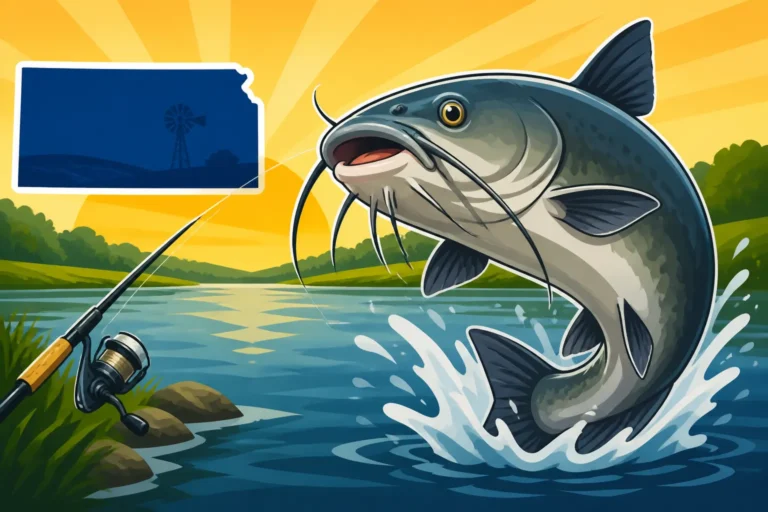
Trying to figure out where the catfish are hiding in a massive lake like Tuttle Creek can feel like searching for a needle in a haystack. It’s frustrating when you spend hours on the water, moving from spot to spot, only to come up empty-handed. But trust me, Tuttle Creek Lake is a catfish paradise if you know where to look. This guide is all about pinpointing those secret spots and giving you the insider knowledge to make your next catfish trip a roaring success.
Understanding Tuttle Creek Lake's Catfish Appeal
Tuttle Creek Lake, sprawling across northeast Kansas, is a truly magnificent body of water that offers some of the best catfishing opportunities in the state. Its diverse underwater landscape, combined with the abundance of forage, creates an ideal environment for channel, blue, and flathead catfish to thrive. But what makes this lake so special for whisker-fish enthusiasts? It’s more than just its size; it’s the unique characteristics that draw these powerful fish in.
The Dynamics of a River-Fed Reservoir
Tuttle Creek is unique because it's a flood control reservoir on the Big Blue River, and this riverine influence plays a huge role in its catfishing dynamics. The constantly changing water levels, the inflow of nutrients, and the strong currents at certain times of the year create a rich, oxygenated environment that catfish absolutely love. This river connection means that unlike some other Kansas lakes, Tuttle Creek has a continuous refresh of water and food sources, keeping the ecosystem vibrant.
When the river flows heavily, especially after substantial rains, it washes in a bounty of insects, small fish, and organic matter from upstream. This influx acts like a dinner bell for catfish, drawing them to the areas where the river current meets the main lake. Understanding these river dynamics is key to anticipating where the catfish will congregate. They’re often found seeking out current breaks, deep holes scoured by the moving water, and submerged structures that offer both shelter and ambush points for passing prey. This constant movement and change also mean that hotspots can shift, so being adaptable is crucial.
Forage and Habitat that Attract Catfish
Catfish in Tuttle Creek have a smorgasbord of food options, which contributes to their healthy populations and impressive sizes. From gizzard shad and carp to various invertebrates, there’s always something on the menu. The lake's varied habitat, including rocky main lake points, submerged timber, stump fields, deep channels, and vast mud flats, provides perfect hunting grounds and hiding spots. Each species of catfish tends to favor slightly different parts of this buffet and different types of cover, but they all find what they need here.
For example, blue catfish are often found in the deeper, more open water of the main lake, especially near the old river channel, chasing schools of shad. Flatheads, on the other hand, are ambush predators that prefer heavy cover like submerged logs and brush piles in the feeder creeks and shallower arms. Channel catfish are the most widespread, inhabiting a variety of areas from shallow coves to main lake points, and they aren't nearly as picky about what they eat. Knowing your target species' preferred diet and habitat will help you select the right bait and strategy. The diverse food sources available contribute directly to why Tuttle Creek is known as one of the best fishing lakes in Kansas for catfish.
Prime Catfish Hotspots on Tuttle Creek Lake
When you’re out on Tuttle Creek, it can feel overwhelming to pick a spot, but certain areas consistently produce catfish. These aren't just random guesses; they're locations where the lake's unique features—like river channels, submerged structures, and natural feeding zones—converge to create ideal conditions for channel, blue, and flathead catfish. Thinking like a fish, especially a hungry one, will help you understand why these areas are so productive.
The Big Blue River Arm and Tributary Confluences
The upper end of Tuttle Creek Lake, where the Big Blue River flows into it, is an absolute goldmine for catfish, especially during periods of higher flow or after a good rain. This is where nutrients and baitfish are constantly introduced, creating a dynamic feeding environment. Catfish instinctively move into these areas to intercept food being swept downstream.
Imagine the Big Blue River snaking its way towards the main lake. As it enters the broader lake, the current slows, causing suspended particles to settle and baitfish to school up. This transition zone is a key area. Focus on the edges of the old river channel, especially where smaller creeks like Fancy Creek or Carnahan Creek feed into the Big Blue River arm. These confluences create subtle current breaks and pockets of slack water that catfish love to hold in. You'll often find these fish tucked behind submerged humps, along the deeper channel edges, or even in the shallower, murky water right where the new flow enters. Setting up trotlines or juglines in these sections, particularly just outside the main current, can be incredibly effective. For those fishing from a boat, anchoring upcurrent and letting your bait drift into these eddies can yield fantastic results. Even bank anglers can find success accessing these areas, as the catfish often move quite shallow to feed in the current.
Submerged Timber and Rock Piles
Catfish, particularly flatheads, are notorious for loving heavy cover, and Tuttle Creek has no shortage of it. Submerged timber, remnants of the flooded landscape, and artificial habitat structures like rock piles provide essential ambush points, shade from the sun, and shelter from strong currents. These aren’t just random underwater trees; they’re thriving ecosystems where baitfish hide, and bigger fish lie in wait.
Areas around the former riverbeds and creek channels are often riddled with standing timber and downed trees. Spots near the Highway 16 bridge or further north in the Fancy Creek arm are prime examples. Look for the densest cover, where multiple trees have fallen together, creating a complex tangle of branches. Flatheads will often be right in the thickest part of it, waiting for an unsuspecting meal to swim by. For channel catfish, these areas provide excellent shelter and can be fished with various methods. When fishing these spots, be prepared for snags, but the reward of a big flathead pulling hard into the timber is often worth it.
Additionally, many points and humps throughout the lake, especially those with significant rock formations, attract channel and blue catfish. These rocky structures provide cover for baitfish and crawfish, which are staple foods for catfish. Main lake points that drop off into deeper water, or submerged rock piles that are hard to see on the surface, can be outstanding. Using a good fish finder is invaluable here to locate these hidden gems. Try fishing the deep side of these structures, where catfish might be holding in cooler water during the day, or on top of them during low-light conditions when they come up to feed. A lot of anglers find success near the dam area, where large riprap and rocky shorelines offer excellent habitat. This makes for great opportunities, whether you're looking for a Kansas State Record Catfish or just a fun day on the water.
Here's a quick reference table for some general catfish hotspots:
| Hotspot Area | Primary Catfish Species | Key Features | Best Times to Fish | Notes |
|---|---|---|---|---|
| Upper Big Blue River Arm | Channel, Blue, Flathead | River inflow, current breaks, old channel edges, tributary confluences | Spring, after rain, summer nights | Focus on eddies, deep holes, and submerged cover. Excellent for trotlines/juglines. |
| Fancy Creek Arm | Channel, Flathead | Submerged timber, brush piles, creek channel, shallower coves | Spring, early summer, fall | Target heavy cover for flatheads; channel cats roam throughout. Good for bank access in some areas. |
| Carnahan Creek Arm | Channel, Flathead | Timber, gradual slopes, mud flats, coves with standing brush | Spring, summer evenings | Similar to Fancy Creek, good for flatheads in timber, channel cats on flats. |
| Outlet Park Area | Channel, Blue | Below the dam, strong current, deep holes, riprap | Year-round, especially when water is released | Requires caution due to current; excellent for large blues and channels. |
| Main Lake Points/Humps | Channel, Blue | Rocky structures, deep water access, shad schools | Summer, fall | Fish transition zones where structure meets deep water. Use electronics to find submerged features. |
| Timbered Coves (e.g., Spillway Area) | Flathead, Channel | Dense submerged trees, calm water, deeper access near main lake | Summer nights, warm months | Ideal for baiting flatheads with live sunfish near heavy cover. |
Below the Dam at Outlet Park
While technically outside the main lake body, the area immediately below the Tuttle Creek Dam, known as Outlet Park, is an undeniable catfish hotspot that deserves special mention. The constant release of water from the dam creates highly oxygenated, turbulent conditions that are incredibly attractive to blue and channel catfish, especially the larger ones. It's a fantastic spot for anglers who prefer bank fishing or want to avoid navigating the large reservoir.
The strong currents here wash baitfish and other food sources through, concentrating them in specific eddies, current seams, and deep scour holes carved out by the water flow. Many anglers target the swift moving water with heavy sinkers, allowing their bait to settle into a calmer pocket. The riprap banks offer additional structure where fish can hide and ambush prey. Fishing here requires robust tackle and a good understanding of how to read the current. It's not uncommon to pull out trophy-sized blue catfish from these waters. Just remember to be mindful of safety given the strong currents and always check for any specific regulations that might apply to fishing directly below the dam. Many anglers prefer using a Heavy Action Catfish Rod for this powerful environment. If you're planning a trip to this area or any part of Tuttle Creek, consider checking out local guides through platforms like FishingBooker for expert advice and direct access to these prime spots.
Essential Techniques for Tuttle Creek Catfish
Catching catfish in Tuttle Creek isn't just about finding the right spot; it's also about employing the right techniques. These fish are powerful and cunning, and adapting your approach to their behavior and the specific conditions of the lake is crucial. Whether you're a seasoned angler or just starting out, having a few tried-and-true methods in your arsenal will significantly increase your chances of success.
Rigging for Success
The type of rig you use can make a huge difference in how effectively you present your bait and, ultimately, how many fish you catch. For Tuttle Creek's diverse catfish populations, two main types of rigs stand out: the Santee Cooper Rig and the Carolina Rig. Each has its strengths and is suited for different situations.
The Santee Cooper Rig is a fantastic choice for fishing over submerged timber, brush piles, or other snagg-y bottom structures. The key feature of this rig is a peg float positioned a few inches above the hook, which lifts your bait off the bottom, preventing it from getting tangled in snags while still keeping it within the strike zone. This is particularly effective for flatheads lurking in heavy cover. You'll typically use a heavy sinker, like a 2-4 ounce egg sinker, above a swivel, and then a 12-18 inch leader with your hook and the float. This allows your bait, usually a live bluegill or shad, to drift tantalizingly above the snags. Using strong, abrasion-resistant line, such as a heavy mono or braided line, is essential to withstand the rough conditions and powerful runs of large catfish.
The Carolina Rig, sometimes referred to as a slip-sinker rig, is a more versatile option, excellent for fishing open water, sandy or muddy bottoms, or when drifting. It consists of a bullet or egg sinker threaded onto your main line, followed by a bead to protect the knot, a swivel, and then a leader (usually 18-36 inches) tied to your hook. This setup allows the fish to pick up the bait and run without feeling the weight of the sinker immediately, which can lead to more solid hooksets. It's incredibly effective for targeting channel catfish on flats or blue catfish in deeper areas where they might be cruising. You can use a variety of baits with this rig, from cut bait to stink bait, making it a go-to for many anglers. When fishing the Big Blue River arm, allowing a Carolina Rig to drift along the current seams can be highly productive. Knowing how to Drift Fishing for Kansas Catfish effectively is a game-changer with this rig.
Bait Selection: The Catfish Menu
What you put on your hook is just as important as where you put it. Catfish are opportunistic feeders, but their preferences can vary by species and even by season. Knowing the "catfish menu" for Tuttle Creek can significantly improve your results.
For channel catfish, almost anything goes. They have an incredible sense of smell and are drawn to strong, pungent odors. Classic baits like stink bait, chicken livers, shrimp, hot dogs, and even cut pieces of shad or carp are all highly effective. During the warmer months, when channels are actively feeding, a fresh piece of chicken liver or a punch bait can often entice a quick bite. You can also experiment with commercially prepared baits like those from Sonny's or Sudden Impact, which are specifically designed to attract channel cats.
Blue catfish are primarily piscivores, meaning they prefer fish. Fresh cut bait is the absolute king for blues. Shad, especially gizzard shad, are their favorite, but cut carp, drum, or even skipjack herring (if you can find them) work wonderfully. The fresher the cut bait, the better. Blues are often found in deeper, open water areas, so presenting your cut bait on a Carolina Rig near the old river channel or deeper humps is a solid strategy.
Flathead catfish are the most particular of the bunch; they almost exclusively prefer live bait. Live bluegill, green sunfish, or small carp are prime choices. The bait should be lively and presented near heavy cover where flatheads ambush their prey. Hooking the baitfish through the back or lips allows it to swim naturally and attract attention. It’s crucial to use legal baitfish and ensure they are healthy. Catching your own fresh baitfish from the lake or a local pond often yields the best results. For more detailed information on what to use, check out our guide on the Best Bait for Kansas Catfish.
Seasonal Strategies for Tuttle Creek Catfish
The beauty of catfishing at Tuttle Creek is that it's a year-round sport, but the best tactics and hotspots often change with the seasons. Understanding how catfish behavior shifts with water temperature and weather patterns is crucial for consistent success. You wouldn't fish the same way in the dead of winter as you would in the heat of summer, right?
Spring: The Spawn and Post-Spawn Blitz
Spring is a prime time for catfishing on Tuttle Creek, offering some of the most action-packed days of the year. As the water temperatures begin to rise from their winter lows, catfish become incredibly active, driven by the urge to feed aggressively before and during their spawning period, and then to recover afterward.
In early spring, as water temperatures climb into the 50s Fahrenheit, channel and blue catfish will begin to move from their deeper wintering holes into shallower areas to feed. Focus on the northern end of the lake, especially the Big Blue River arm and the mouths of creeks like Fancy Creek, where warmer water tends to accumulate first. These areas also see an influx of baitfish moving upstream, attracting hungry catfish. Look for catfish staging in slightly deeper water adjacent to spawning areas. During this pre-spawn period, they are often gorging themselves, so a variety of baits, from cut bait to chicken livers, can be very effective.
The spawn typically occurs from late spring to early summer, when water temperatures are consistently in the 70s. During this time, catfish become territorial and will be found in shallow, protected areas such as undercut banks, rock crevices, and hollow logs where they lay their eggs. Flatheads will also be seeking out heavy cover for their nests. While they might be less interested in feeding during the peak of spawning, they are still catchable, especially in areas guarding their nests. Post-spawn, usually mid-summer, the fish are often exhausted but ravenously hungry as they recover. This can lead to another fantastic bite. Understanding the Kansas Fishing Seasons Guide can help you align your trips with these productive windows.
Summer: Night Owls and Deep Divers
Kansas summers can be scorching, and while the heat might make daytime fishing uncomfortable for us, it changes how and where catfish feed. Summer catfishing on Tuttle Creek often shifts towards night fishing or targeting deeper, cooler water during the day.
During the daytime in summer, catfish will typically retreat to deeper, cooler sections of the lake. This means focusing on the main lake points that drop into deep water, the edges of the old river channel, and any submerged humps or ledges that provide a thermal refuge. Look for areas with current or good oxygen levels. Trolling or drifting cut bait on Carolina rigs over these deeper structures can be very productive. A good fish finder is invaluable for locating these subtle underwater features and marking baitfish schools, which often indicate where the catfish are. Don't forget your Kansas Fishing License Guide before you head out!
However, summer nights are when Tuttle Creek truly comes alive for catfish anglers. As the sun sets and the air cools, catfish move out of their deep-water sanctuaries and into shallower flats, coves, and main lake points to feed. These nocturnal feeding frenzies can be incredibly exciting. Fishing with stink bait or chicken livers in shallower bays for channel catfish, or setting out live baits near timbered coves for flatheads, can yield impressive results. Blue catfish will also cruise shallower flats chasing shad. Equipping yourself with a good headlamp and plenty of bug spray is a must for these late-night adventures. Many anglers even book guided trips during this time through services like FishingBooker to maximize their chances of catching a trophy.
Fall and Winter: The Chill and the Feast
As the leaves change and the air gets crisp, fall offers some fantastic catfishing opportunities before the deep freeze sets in. Catfish, sensing the coming winter, often engage in a strong feeding spree to build up fat reserves.
In fall, as water temperatures begin to drop, catfish will still be found actively feeding. They tend to follow baitfish into shallower coves and flats during the day, especially on sunny afternoons, before retreating to slightly deeper water as temperatures drop overnight. The main lake points and humps that were productive in summer can remain excellent, particularly if shad schools are present. Cut bait and live bait will continue to be very effective. This period can offer some of the last chances to catch actively feeding catfish before they become more lethargic.
Winter catfishing on Tuttle Creek, while challenging, is certainly possible. Catfish become much less active in cold water, often congregating in deep holes within the main river channel or the deepest parts of the lake. Their metabolism slows down, and they feed much less frequently. The key to winter success is patience and presenting your bait very slowly and precisely. Focus on the deepest sections of the Big Blue River arm and the main lake basin. Live bait, presented on a Carolina rig directly on the bottom, can sometimes entice a sluggish bite. While not the most popular season, dedicated anglers can still pull out impressive fish, especially big blue catfish.
Planning Your Catfish Adventure
A successful fishing trip to Tuttle Creek, especially when targeting specific species like catfish, involves more than just knowing where to cast. It's about preparation, understanding the local nuances, and leveraging available resources. Taking a little extra time to plan can turn a good day into a great one.
Accessing Tuttle Creek's Catfish Waters
Tuttle Creek Lake offers a variety of access points, catering to both boat anglers and those who prefer to fish from the bank. Knowing your options can help you pick the best strategy for reaching those prime catfish hotspots.
For boat anglers, Tuttle Creek has numerous public boat ramps scattered around its extensive shoreline. Popular ramps like those at Fancy Creek State Park, Tuttle Creek State Park (River Pond area or Randolph area), and Rocky Ford offer good access to different sections of the lake. Before launching, always check the current lake levels, as lower water can make some ramps inaccessible, especially further up the river arms. Having a reliable boat, suitable for navigating a large reservoir, is a huge advantage for reaching remote timber stands or covering vast stretches of the main lake to find schools of blue catfish. Make sure your boat registration is up to date and you have all required safety equipment. For those looking for the right vessel, our guide on Best Boats for Kansas Reservoirs can offer valuable insights.
Bank anglers aren’t left out either! While boats provide flexibility, many excellent catfish spots are accessible from shore. The riprap areas near the dam at Outlet Park, sections within Tuttle Creek State Park, and points near bridges (where legal and safe) can provide fantastic bank fishing opportunities. The upper reaches of the Big Blue River arm, especially around public land access points, can also be good for bank fishing, particularly during the spring white bass and catfish runs when fish move into shallower waters. Remember to always respect private property and be mindful of your surroundings. A good pair of waders can also expand your reach in shallower areas.
Leveraging Local Knowledge and Resources
Even with all the information in the world, nothing beats local knowledge. The conditions on a large lake like Tuttle Creek can change rapidly, and what worked last week might not work today. This is where tapping into local expertise truly pays off.
One of the best ways to get real-time information is to visit local bait and tackle shops in towns surrounding Tuttle Creek, such as Manhattan or Randolph. The folks working there often fish the lake regularly and can give you up-to-the-minute reports on what’s biting, where, and what baits are working best. They can also point you to specific areas that might be less known to casual visitors. Don’t be shy about asking questions; most tackle shop owners are more than happy to share their wisdom.
Another excellent resource, especially if you’re new to the lake or looking for a trophy fish, is to hire a local fishing guide. Guides spend countless hours on the water, tracking fish patterns and knowing exactly where the hotspots are at any given time. They provide the boat, gear, and expertise, making for a much more efficient and often successful trip. Platforms like FishingBooker can help you find reputable guides specializing in catfish on Tuttle Creek. A guided trip can fast-track your learning curve and give you invaluable experience for future solo outings. Also, remember to always consult the official Kansas Fishing Regulations Explained before your trip to ensure you're compliant with all size and creel limits.
Disclaimer
Fishing conditions and regulations in Kansas can change. Always check the latest Kansas Department of Wildlife, Parks and Tourism (KDWP) regulations before heading out. This guide is for informational purposes only and does not constitute legal advice. Adhere to all local, state, and federal laws.