Pomona Lake Striped Bass Fishing
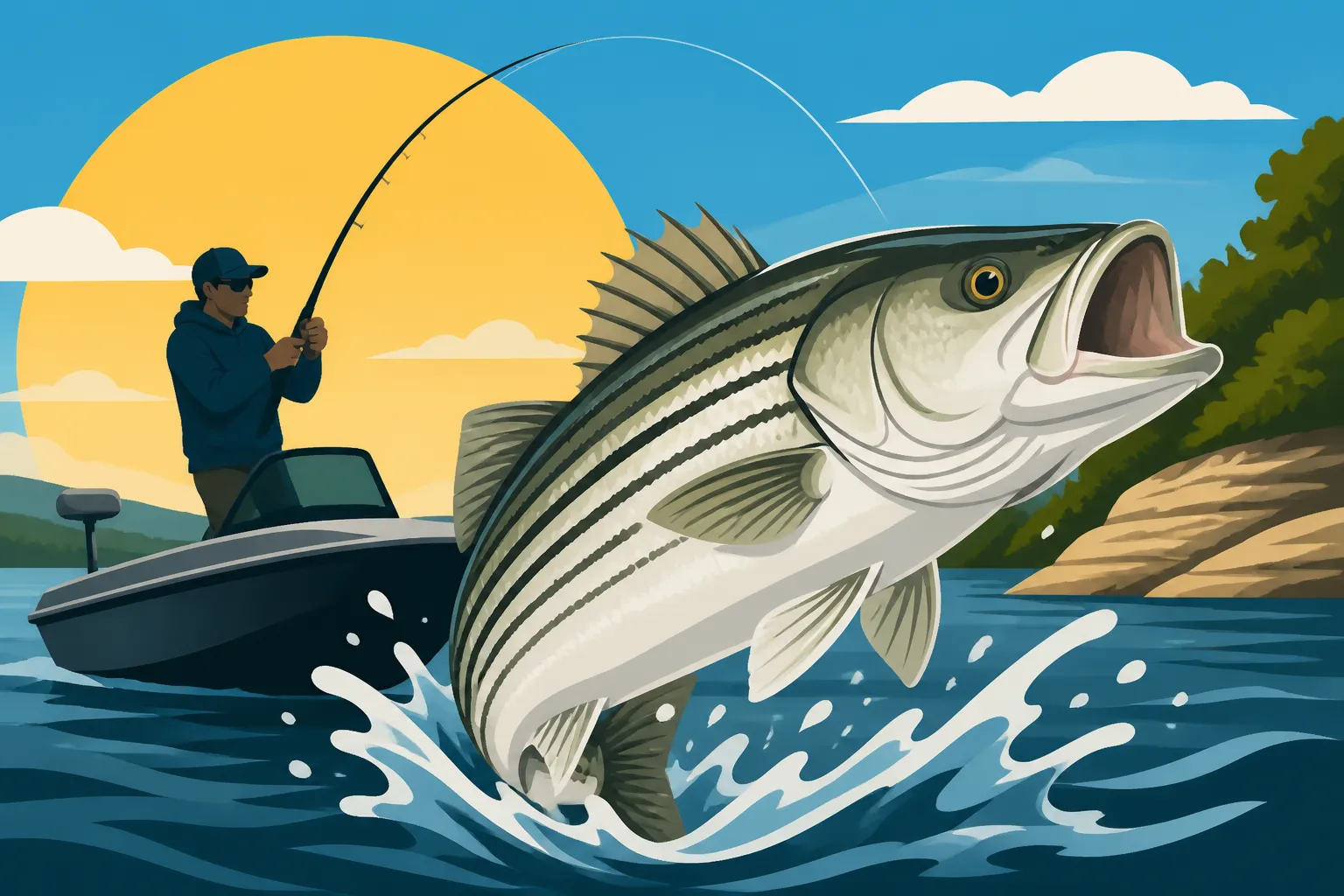
There's nothing quite like the thrill of a hard-fighting fish on the end of your line, and for many Kansas anglers, chasing the elusive, powerful striped bass in our reservoirs can be a real challenge. You spend hours casting, trolling, and maybe even chasing boils, only to come up empty or, worse, feel completely lost on where to even start. This guide is here to unravel the mysteries of Pomona Lake striped bass fishing, offering practical advice to help you hook into these impressive inland giants.
Pomona Lake's Unique Appeal for Striped Bass
Pomona Lake, nestled in Osage County, isn't just another pretty face in the Kansas landscape; it's a genuine hotspot for striped bass. These aren't your typical channel cats or crappie; stripers are built for power and speed, offering a fight that can really test your gear and your grit. Understanding why Pomona attracts and sustains a healthy population of these magnificent fish is the first step to success.
Why Striped Bass Thrive Here
The reason Pomona Lake is such a great home for striped bass boils down to its unique ecosystem, specifically its robust forage base. Stripers are voracious predators, and Pomona is absolutely teeming with gizzard shad, their primary food source. This abundance of baitfish allows the striped bass to grow large and healthy, providing ample hunting opportunities for them and incredible angling opportunities for us. The lake's structure, with its deep main channel, submerged timber, and rocky points, also offers a variety of habitats that stripers utilize throughout the year, from schooling up to ambush bait to retreating to deeper, cooler waters during the heat of summer. It’s a perfect storm of conditions that helps these powerful fish thrive.
What Makes Pomona Special for Anglers
Beyond the fish themselves, Pomona Lake offers an incredibly angler-friendly environment. Its manageable size, covering about 4,000 acres, means you can effectively cover a lot of water and learn its nuances without feeling overwhelmed, unlike some of the larger Kansas reservoirs. There are multiple boat ramps strategically located around the lake, making access easy no matter where you're coming from. Places like Eisenhower State Park on the south side or the Pomona State Park on the north offer excellent launching points and amenities. This accessibility, combined with the often less crowded waters compared to some of the state's more famous lakes, makes Pomona a fantastic destination for striped bass enthusiasts. It’s also a great spot to explore if you're keen on finding some of the Best Fishing Lakes in Kansas.
Prime Seasons and Times for Striped Bass at Pomona
Just like any other game fish, striped bass at Pomona Lake have their patterns, heavily influenced by water temperature and their feeding habits. Knowing when and what time of day to target them can dramatically increase your chances of success. It's all about being in the right place at the right time, with the right approach.
Seasonal Strategies for Stripers
- Spring (March-May): This is arguably one of the best times to target striped bass at Pomona. As water temperatures rise into the 50s and 60s, stripers become incredibly active, pushing shallow to feed heavily on spawning shad. You'll often find them congregating in creek channels, around main lake points, and near the dam. This is when they're most accessible, both from a boat and for some adventurous bank anglers. Look for schooling activity on the surface, which indicates a feeding frenzy. This is also a fantastic time to brush up on Kansas Fishing Regulations Explained and ensure your licenses are current, as spring is prime time for many species.
- Summer (June-August): When the summer heat sets in, striped bass tend to move to deeper, cooler waters, often suspending over the main lake basin or congregating around structure like submerged humps and old creek beds. Early mornings and late evenings become prime fishing windows, and night fishing can be exceptionally productive. They’ll still chase shad, but you might need to use a fish finder to locate schools of bait and the stripers holding beneath them.
- Fall (September-November): As temperatures begin to drop, stripers once again become very active, mirroring their spring behavior. They’ll move back into shallower areas, especially rocky points and flats, aggressively feeding to build up reserves for winter. This is another fantastic time for topwater action and casting large crankbaits. The fish are often more spread out than in spring, but their aggressive feeding makes them eager to strike.
- Winter (December-February): While challenging, winter fishing for striped bass at Pomona can yield some of the largest fish. Stripers will typically hold in very deep water, often near the dam or in the deepest parts of the main lake channel. Vertical jigging or slow trolling with deep-diving crankbaits can be effective. This is a time for patience and precise boat control, focusing on areas where you mark schools of baitfish and predators below them. Always consult the Kansas Fishing Seasons and Limits to ensure you're fishing legally, especially during colder months.
Best Times of Day to Target Stripers
Generally speaking, low light conditions are your best friend when targeting striped bass at Pomona. Early morning, just as the sun peeks over the horizon, and late evening, as it dips below, are consistently productive times. During these windows, stripers will often push baitfish to the surface, creating visible "boils" or "blow-ups" that signal a feeding frenzy.
However, many seasoned anglers will tell you that the absolute best time for Pomona Lake striped bass fishing, especially during warmer months, is often at night. Under the cover of darkness, stripers become incredibly bold, moving into shallower waters and actively hunting. Trolling large crankbaits or even drifting live bait under lights can be incredibly effective. The cooler night air and reduced boat traffic can also make for a more peaceful and focused fishing experience. Understanding Best Time of Day to Fish in Kansas can be a game-changer for all species, including stripers.
Here's a quick look at how the seasons might influence your approach:
| Season | Primary Depths | Key Locations | Recommended Techniques |
|---|---|---|---|
| Spring | Shallow to Mid | Creek mouths, main lake points, dam | Casting crankbaits, swimbaits, topwater |
| Summer | Deep, suspended | Main lake basin, humps, deep points | Trolling, jigging, live bait (night) |
| Fall | Mid to Shallow | Rocky points, flats, main lake | Casting, topwater, crankbaits, swimbaits |
| Winter | Very Deep | Dam area, deepest channels | Vertical jigging, slow trolling |
Effective Techniques and Gear for Pomona Stripers
To consistently catch striped bass, you need to be prepared with the right techniques and gear. These are not timid fish, and their power requires a robust setup and a willingness to adapt your approach based on their behavior.
Essential Lures and Baits
When it comes to tempting Pomona stripers, having a versatile tackle box is crucial.
- Live Bait: There's almost nothing more effective than a live gizzard shad, bluegill, or even a large shiner. These are natural forage for stripers, and when presented correctly, they are often irresistible. You can rig them on a slip-sinker rig or suspend them under a balloon or float, especially when fishing around structure or in areas where you’ve marked fish. If you're drifting at night, using a light source to attract baitfish near your boat can also draw in hungry stripers.
- Crankbaits: Deep-diving crankbaits are fantastic for trolling and covering large areas, especially when stripers are holding in deeper water or suspending. Colors that mimic shad, like chrome/blue, chartreuse, or white, are usually top performers. For shallower presentations, medium-diving crankbaits can be effective in spring and fall. Brands like Bomber, Berkley, or Rapala offer a wide range of options that imitate baitfish perfectly.
- Swimbaits: Large soft plastic swimbaits, often rigged with a heavy jig head, are incredibly versatile. They can be cast and retrieved, vertically jigged, or trolled. The realistic profile and swimming action are highly appealing to stripers. Paddle-tail swimbaits in white, pearl, or silver are excellent choices.
- Topwater Lures: When stripers are actively chasing shad on the surface – those exciting "boils" we talked about – topwater lures are an absolute blast to fish. Walk-the-dog style baits, poppers, and prop baits in larger sizes can provoke explosive strikes. This action often happens early morning, late evening, or on cloudy days.
- Jigs and Spoons: Heavy spoons (like a Kastmaster or Cotton Cordell C.C. Spoon) or bucktail jigs can be deadly when stripers are holding deep, especially in winter. Drop them down to the marked fish and aggressively jig them. For more on specific lure choices, a look at Best Lures for Kansas White Bass can give you some transferable ideas, as stripers and white bass often key in on similar forage.
Rods, Reels, and Line Choices
Striped bass are not for the faint of heart, and your gear needs to match their strength.
- Rods: You'll want a medium-heavy to heavy action casting or spinning rod, typically 7 to 8 feet long. This length provides good casting distance, helps absorb the shock of a powerful strike, and gives you leverage to fight a strong fish. A fast tip will help with detecting subtle bites and setting the hook, while the backbone of the rod will do the heavy lifting.
- Reels: A sturdy baitcasting reel with a reliable drag system, capable of holding at least 200 yards of line, is ideal for trolling and casting heavy lures. For spinning setups, a 4000 to 6000 series reel with a smooth, powerful drag is recommended. Ensure your reel has enough cranking power to bring in a big fish against strong currents or deep dives.
- Line: Braided line in the 30-50 lb test range is a popular choice for striped bass due to its incredible strength, sensitivity, and minimal stretch, which aids in hook sets. Many anglers will add a 20-30 lb fluorocarbon or monofilament leader (3-5 feet long) to the end of their braid, as it's less visible to fish and offers some shock absorption. For a comprehensive overview of what tackle to bring, check out a Kansas Fishing Gear Guide.
Trolling and Casting Tactics
- Trolling: This is one of the most effective ways to cover water and locate schooling stripers, especially when they're scattered or holding deep. Use a combination of deep-diving crankbaits, umbrella rigs, or even live bait on planer boards. Vary your speed until you find what triggers bites, typically between 2.5 to 4 mph. Pay close attention to your fish finder; you're looking for bait balls and larger arcs (stripers) underneath or around them. Trolling helps present your lures at consistent depths and allows you to mimic cruising baitfish. For those truly dedicated to the art, learning about Deep Water Trolling for Kansas Stripers is essential.
- Casting: When stripers are actively feeding on the surface or you're targeting specific structure, casting is the way to go. Use large topwater lures, swimbaits, or heavy spoons. Cast past the schooling fish and retrieve through the activity. For structure fishing, cast your lures to points, humps, or submerged timber, working them back with a varied retrieve to entice a strike. Don't be afraid to experiment with retrieve speed and cadence.
Navigating Pomona Lake: Access and Features
Understanding the layout of Pomona Lake and knowing where to focus your efforts can save you a lot of time and lead to more hook-ups. The lake has distinct characteristics that attract striped bass, and knowing how to access them is key.
Key Fishing Areas and Structure
Pomona Lake has a diverse underwater landscape that holds striped bass at different times of the year.
- The Dam Area: This is a perennial hotspot. The deep water near the dam offers cool, oxygenated water during summer and provides a stable environment for stripers in winter. Fish will often congregate here, especially when baitfish are pushed against it. The rocks and rip-rap also hold bait and provide ambush points.
- Main Lake Points and Humps: Any prominent point extending into the main lake, particularly those with deep water access nearby, can be excellent. Stripers use these as highways and ambush points. Submerged humps, often remnants of old farmsteads or roadbeds, can also be dynamite. These structures often hold baitfish, which in turn attracts predators.
- River and Creek Channels: The old Marais des Cygnes River channel, which winds through the lake, is a primary travel corridor for stripers. During cooler months, fish will often stack up in these channels. Major creek arms like Rock Creek and 110 Mile Creek are also crucial, especially in spring when stripers move in to feed on spawning shad. Targeting bends or intersections in these channels can be very productive.
- Wooded Areas and Standing Timber: While less common for pure open-water stripers, areas with submerged standing timber, particularly along old creek beds, can hold stripers, especially if they are feeding on baitfish using the timber for cover. These areas are also great for other species, so it’s worth exploring.
Boating and Access Considerations
Getting around Pomona Lake safely and effectively is crucial for a successful striped bass trip.
- Boat Ramps: Pomona Lake boasts several excellent boat ramps. Eisenhower State Park provides multiple well-maintained ramps, offering access to the lower end of the lake, including areas near the dam and main lake points. Pomona State Park, near the north end, offers access to the upper reaches and creek channels. There are also smaller public ramps operated by the Corps of Engineers. Always be mindful of other boaters at the ramp, especially during peak seasons.
- Navigation: While Pomona is not overly complex, it does have submerged hazards, especially in the upper reaches where the old river channel meanders and timber can be present. Always consult a good lake map and use your fish finder or GPS to navigate safely, especially if you're exploring new areas or fishing at night. Remember, understanding Kansas Boat Registration Guide and ensuring your vessel is properly registered is a must before you even launch.
- Safety: Always prioritize safety on the water. Check the weather forecast before heading out, especially for sudden Kansas storms. Ensure you have all required safety equipment, including life jackets for everyone on board, a fire extinguisher, and sound-producing devices. If you're planning on fishing a lot on Kansas waters, exploring the Best Boats for Kansas Reservoirs can help you pick the perfect vessel for your angling adventures.
Disclaimer
The information provided in this guide is for general informational purposes only and is not intended as professional advice. Fishing conditions, regulations, and access can change rapidly. Always consult the official Kansas Department of Wildlife, Parks and Tourism (KDWPT) regulations before fishing. Adherence to all local, state, and federal laws is the responsibility of the angler. Fishing carries inherent risks, and safety should always be your top priority.