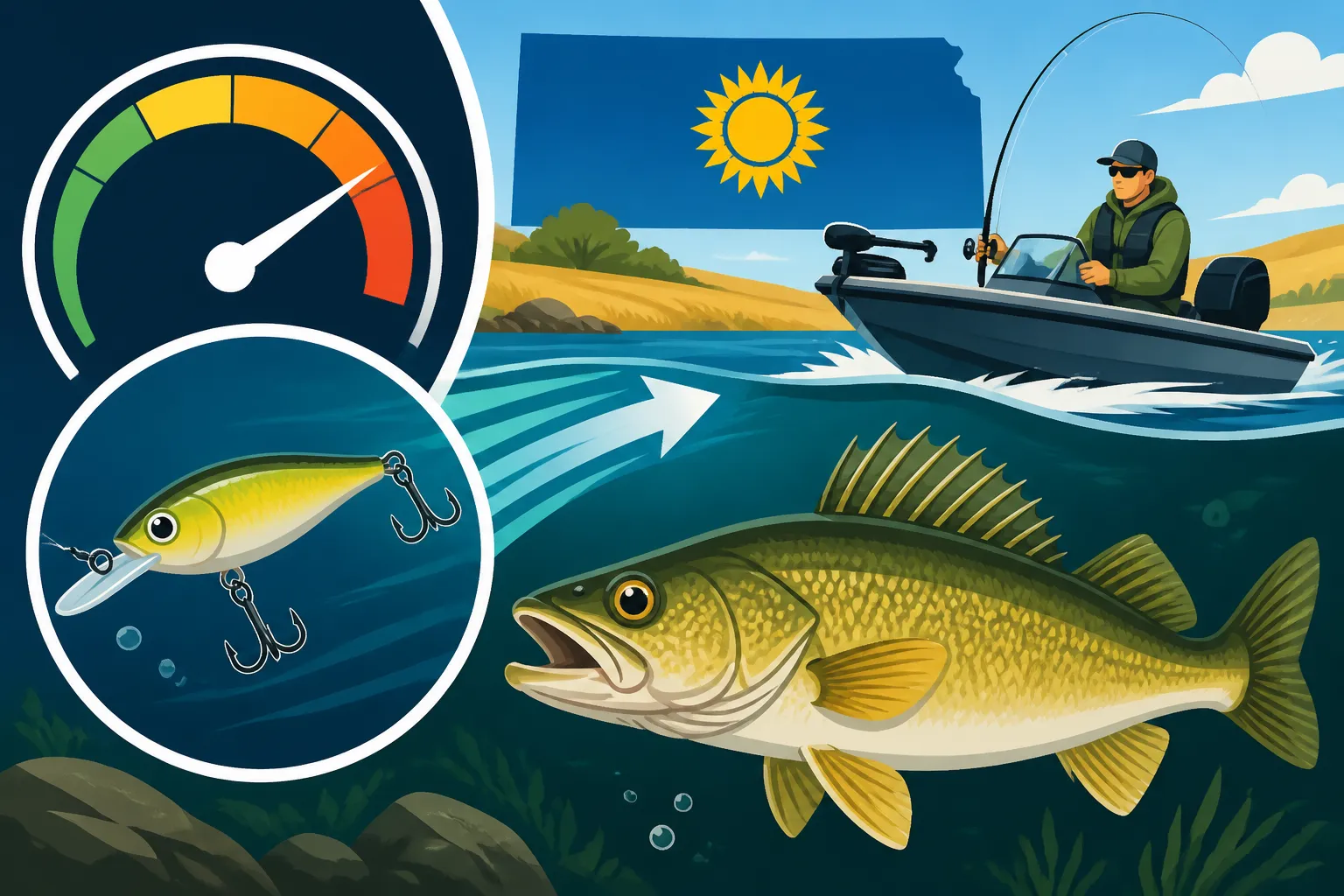
Best Trolling Speed for Walleye
It can be incredibly frustrating to spend hours on the water, meticulously setting up your gear and casting your line, only to come up empty-handed when targeting those elusive walleye. One of the biggest mysteries for many anglers, especially when covering large expanses of water like our Kansas reservoirs, is pinpointing that sweet spot for trolling speed. This guide is all about demystifying the art and science of trolling for walleye, helping you understand the optimal speeds, the factors that influence them, and how to fine-tune your approach for consistent success on Kansas waters.
Understanding Walleye Behavior and Trolling Dynamics
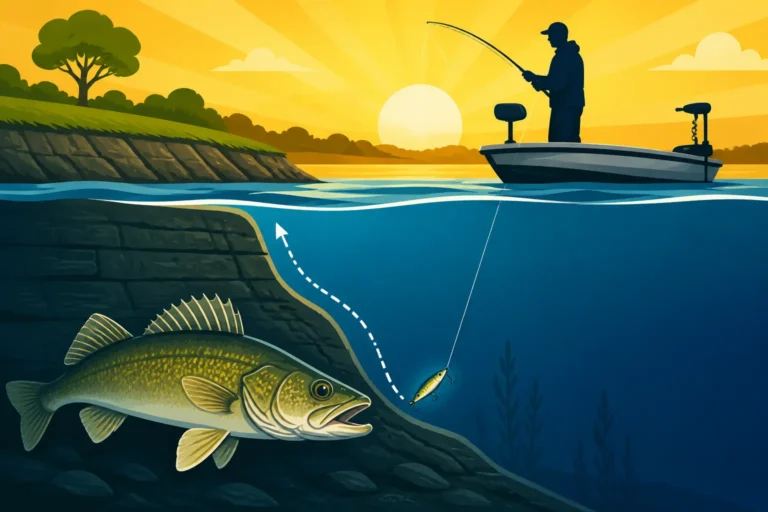
Walleye are fascinating creatures. They're often referred to as "low-light feeders" or "crepuscular," meaning they're most active during dawn, dusk, and even into the night. This behavior, coupled with their tendency to relate to structure, cover, and baitfish, makes them a prime target for trolling. Trolling allows you to cover vast areas, systematically searching for active fish and presenting your lure in a natural, enticing way. But it's not just about dragging a lure behind your boat; it's about matching the presentation to what the walleye are willing to chase.
Why Speed Matters for Walleye
Think about it: if you're trying to entice a finicky walleye, the speed at which your lure moves through the water can be the difference between a strike and being completely ignored. Too fast, and your lure might not have the correct action, or the walleye might simply not feel like expending the energy to chase it down. Too slow, and your lure might not display its intended action at all, or it might appear unnatural and unappealing.
Walleye are ambush predators. They often prefer to intercept prey rather than engage in long, arduous chases. The right trolling speed ensures your lure stays in the strike zone longer, with an action that perfectly mimics an injured baitfish or a foraging creature, making it an irresistible, easy meal. This is especially true in clearer waters or during periods of high fishing pressure, where subtle differences in presentation can make all the difference.
The Impact of Lure Type on Speed
Different lures are designed to perform optimally at specific speeds. A crankbait, for example, might have a specific wobble and dive curve that's only achieved within a narrow speed range. Spinner rigs, on the other hand, might require a certain speed to ensure the blades are spinning correctly and creating the necessary flash and vibration. It's crucial to understand how your chosen lure is supposed to behave at various speeds.
If you're using a shallow-diving crankbait meant for 1-2 mph, trying to troll it at 4 mph might make it blow out to the side or prevent it from reaching its intended depth. Conversely, a deep-diving crankbait designed for 2.5-3.5 mph might simply "swim" lifelessly if trolled too slowly. Many lure manufacturers, like the popular Rapala or Berkley brands, often print recommended speed ranges on their packaging, which is a great starting point. Experimentation, however, will always be your best teacher on Kansas reservoirs like Milford Lake or Cheney Reservoir.
Optimal Trolling Speeds for Walleye in Kansas
There's no single "magic" speed that guarantees walleye success, but there are generally accepted ranges that work best for specific lures and conditions. Most walleye trolling falls into a relatively slow to moderate speed spectrum, aiming for that balance between covering water and presenting a natural, enticing meal.
General Speed Ranges by Lure Type
Let's break down some common lure types and their typical optimal trolling speeds. Keep in mind, these are starting points, and you'll always need to adjust based on fish activity and environmental factors.
| Lure Type | Recommended Trolling Speed (MPH) | Key Characteristics & Notes |
|---|---|---|
| Crankbaits | 1.5 – 3.0 | This is a broad range, heavily dependent on the crankbait's design. Fatter, wider-wobbling baits often perform better at slower speeds (1.5-2.2 mph), while slender, tighter-wobbling baits can handle faster speeds (2.2-3.0 mph). Always watch your rod tip to ensure the lure is working correctly. Many anglers purchase popular crankbait models from retailers found on Amazon. |
| Crawler Harnesses (Spinners) | 0.8 – 1.5 | These rigs rely on the spinner blade to create flash and vibration. You need just enough speed to get the blade spinning consistently without making the live bait (like a nightcrawler) tumble unnaturally. Too fast, and the crawler can tear off the hook or look like it's fleeing. Too slow, and the blade won't spin. |
| Jigs (Slow Trolling) | 0.5 – 1.0 (drift or very slow troll) | While typically a casting or vertical jigging presentation, jigs can be effectively trolled very slowly, especially when tipped with live bait or plastics. This is often more of a "controlled drift" or using a very low setting on your trolling motor to keep the bait just above the bottom. This approach can be deadly when walleye are lethargic and tight to structure. |
| Blade Baits | 1.5 – 2.5 | Blade baits vibrate intensely and mimic a dying baitfish. They can be trolled, but often work best with a "lift and drop" technique, even when moving slowly. They are incredibly effective in colder water when walleye are less active. |
For crankbaits, you're looking for that rhythmic wobble that's neither too frantic nor too sluggish. If your rod tip is vibrating wildly, you might be going too fast. If it's barely vibrating, you might be too slow. Adjust your speed in small increments until you find that sweet spot where the lure comes alive. Anglers often refer to this as the lure "hunting" – subtly changing its path and speed as it works through the water.
When it comes to crawler harnesses, the key is the blade spin. If you pull your boat too fast, the crawler will spin unnaturally and twist your line. You want just enough speed to get the blade turning consistently. This often means very slow speeds, sometimes as slow as 0.8 mph, especially in colder water. This subtle presentation can be incredibly effective for enticing hesitant walleye.
Why Kansas Reservoirs Demand Specific Attention
Our Kansas reservoirs, like Wilson Lake or Tuttle Creek Lake, offer diverse fishing environments, from vast open waters to intricate points and humps. The consistent winds on these large bodies of water can also play a huge role in your actual lure speed, even if your boat's GPS says otherwise. Learning to adapt your trolling speed to these specific conditions is crucial.
For instance, on a calm day, your boat's speed might directly translate to your lure's speed. But with a strong headwind, you might need to increase your motor's throttle just to maintain the same lure speed through the water. Conversely, a strong tailwind can push you faster than your motor is driving you, requiring you to slow down your engine to achieve the desired lure speed. This constant adjustment is part of the trolling challenge and why dedicated speed sensors or precise GPS units are so valuable. Many anglers often look for reliable trolling motor options on Amazon to assist with these conditions.
Factors Influencing Your Trolling Speed
While general guidelines are helpful, truly becoming proficient at trolling for walleye means understanding the myriad factors that can dictate subtle (or not-so-subtle) adjustments to your speed. It's a dynamic puzzle, and the best anglers are those who can read the conditions and adapt their approach.
Water Temperature and Fish Metabolism
Water temperature is perhaps the most critical factor influencing fish activity and, therefore, your optimal trolling speed. Walleye are cold-blooded creatures, and their metabolism is directly tied to the water temperature.
- Cold Water (Below 50°F / 10°C): In colder water, walleye are typically more lethargic. Their metabolism slows down, and they're less willing to chase a fast-moving bait. This is when very slow trolling (often 0.8-1.5 mph) with subtle presentations like crawler harnesses or slow-wobbling crankbaits excels. Think of it as presenting an easy, low-effort meal. During the winter months, when ice fishing isn't an option, fishing deeper channels in reservoirs might require an even slower approach.
- Moderate Water (50-65°F / 10-18°C): This is often considered the "sweet spot" for walleye activity, especially during spring and fall. Their metabolism is higher, and they're more aggressive. You can typically bump up your trolling speed into the 1.8-2.5 mph range, effectively working a wider variety of crankbaits. This is when you can really start covering water quickly and target active fish.
- Warm Water (Above 65°F / 18°C): In the heat of Kansas summer, walleye can still be caught trolling, but they often seek deeper, cooler water. While their metabolism is high, they might still prefer slightly slower speeds if they're holding tight to structure or if the sun is high. Often, slightly faster speeds (2.0-3.0 mph) are effective, but presentation becomes key as you mimic fleeing baitfish. Night fishing for walleye during warm periods can also be incredibly productive, often with similar speed considerations as moderate water.
Water Clarity and Light Conditions
The visibility in the water plays a significant role in how walleye perceive and react to your lure.
- Clear Water: In clear waters, walleye rely heavily on their eyesight. They have more time to inspect your lure, and anything that looks unnatural can spook them. Slower speeds (1.5-2.2 mph) often work best, allowing the fish a good look at your bait without making it too difficult to catch. Lure color and action become even more critical here.
- Stained or Murky Water: When the water is stained or murky, walleye have less visibility. They rely more on their lateral line system to detect vibrations. This is where you can often increase your speed (2.0-3.0 mph) to create more vibration and flash, making your lure easier for them to locate. Aggressive colors like chartreuse or orange can also stand out better. You'll often find that the Best Time of Day to Catch Walleye extends into the brighter hours when the water is stained, as the low light conditions are artificially created by the murkiness.
Light conditions, tied closely to water clarity and time of day, also matter. On bright, sunny days, particularly in clear water, walleye might be deeper and less aggressive, favoring slower presentations. During overcast days or low-light periods (dawn/dusk), they tend to be more active and might tolerate slightly faster speeds.
Fish Activity Level and Mood
Just like people, walleye have moods. Sometimes they're aggressive and willing to chase, other times they're lethargic and need a lure practically dropped in front of their nose. Your trolling speed needs to reflect their current activity level.
If you're marking a lot of fish on your fish finder but not getting bites, try slowing down. They might be present but unwilling to commit to a fast chase. Conversely, if you're getting short strikes or fish are just bumping your lure, try speeding up slightly. Sometimes, a faster presentation triggers a reactionary strike, giving them less time to inspect the bait. This is where a good Fish Finder Buying Guide can really help in assessing fish mood and depth.
The best way to gauge fish activity is through observation and experimentation. Are other boats getting bites? Are you seeing baitfish activity? Are the fish on your electronics holding tight to the bottom or suspended and actively moving? Each clue helps you piece together the puzzle of their mood.
Fine-Tuning Your Approach for Kansas Waters
Trolling for walleye in Kansas is an ongoing learning experience. What worked last week might not work today, and what works on Milford Lake might not be ideal for El Dorado Lake. The key is to be adaptable and observant.
The Role of Boat Control and Equipment
Precise boat control is paramount for effective trolling. This means having a reliable trolling motor, preferably one with GPS capabilities and autopilot features like those found on Minn Kota or Motorguide models. These motors allow you to maintain a consistent speed and track, even against wind and current. You can find a wide range of these useful accessories and other boating gear on Amazon.
A good speed over ground (SOG) reading from your GPS is essential, but remember that SOG isn't always the same as your speed through water (STW). If you're battling a strong current or wind, your SOG might be 2.0 mph, but your lure could be moving much faster or slower through the water itself. Investing in a paddlewheel speed sensor can give you a more accurate STW reading, helping you truly understand your lure's presentation speed.
Monitoring and Adjusting Your Speed
Don't just set your speed and forget it. Constantly monitor your electronics, your rod tips, and your catch rate.
- GPS Speed: Use your boat's GPS or fish finder to monitor your speed over ground. This is your primary reference.
- Rod Tip Action: Watch how your rod tips are vibrating. This tells you how your lure is working. A steady, rhythmic pulse is usually good. Erratic vibrations or a lack of vibration means something is off.
- Line Counter Reels: If you're running multiple lines at different depths, line counter reels are invaluable. They ensure you're presenting your lures at the same depth and distance behind the boat every time you find success. If you're looking to upgrade, you can find a good selection of Best Rods and Reels for Kansas Fishing on Amazon.
- Experimentation: Start with the recommended speed for your lure, then try increasing or decreasing it by 0.1-0.2 mph increments. Pay close attention to when you get bites. Sometimes, just a slight adjustment can turn a slow day into a productive one. If you're getting bites on specific turns or changes in speed, try to replicate that.
Consider how Does Wind Direction Affect Kansas Walleye Fishing? impacts your boat speed and, by extension, your lure speed through the water. A quartering wind can create a "trolling arc" effect, causing your outside lines to move faster than your inside lines. This is a common phenomenon that knowledgeable walleye anglers leverage by running different lures or varying speeds on different lines, effectively testing multiple presentations simultaneously.
The Importance of a Detailed Fishing Log
I can't stress this enough: keep a detailed fishing log. Record the date, time, location, water temperature, water clarity, weather conditions (wind, sun, clouds), lure type, color, depth, and, most importantly, your trolling speed. Note what worked and what didn't. Over time, you'll start to see patterns emerge, helping you make more informed decisions on future trips.
This log will become your personal guide to cracking the walleye code on your favorite Kansas lakes. It will help you remember that last spring, on a clear day with water temps at 55°F, you hammered walleye on a No. 5 Shad Rap at 2.2 mph near the rocky points of Clinton Lake. This kind of specific, firsthand data is gold and far more valuable than any generic recommendation.
Trolling for walleye can be an incredibly rewarding way to fish our Kansas waters. By understanding their behavior, paying close attention to your lure's action at various speeds, and meticulously adjusting to environmental factors, you'll significantly increase your chances of putting those tasty walleye in the boat. Don't be afraid to experiment, stay observant, and most importantly, enjoy the process!
Disclaimer
Fishing conditions and regulations in Kansas can change. Always consult the latest Kansas Department of Wildlife, Parks and Tourism (KDWPT) regulations before heading out on the water. This guide is for informational purposes only and should not be considered a substitute for official KDWPT rules and guidelines.