How to Fish Muddy Water After Rain
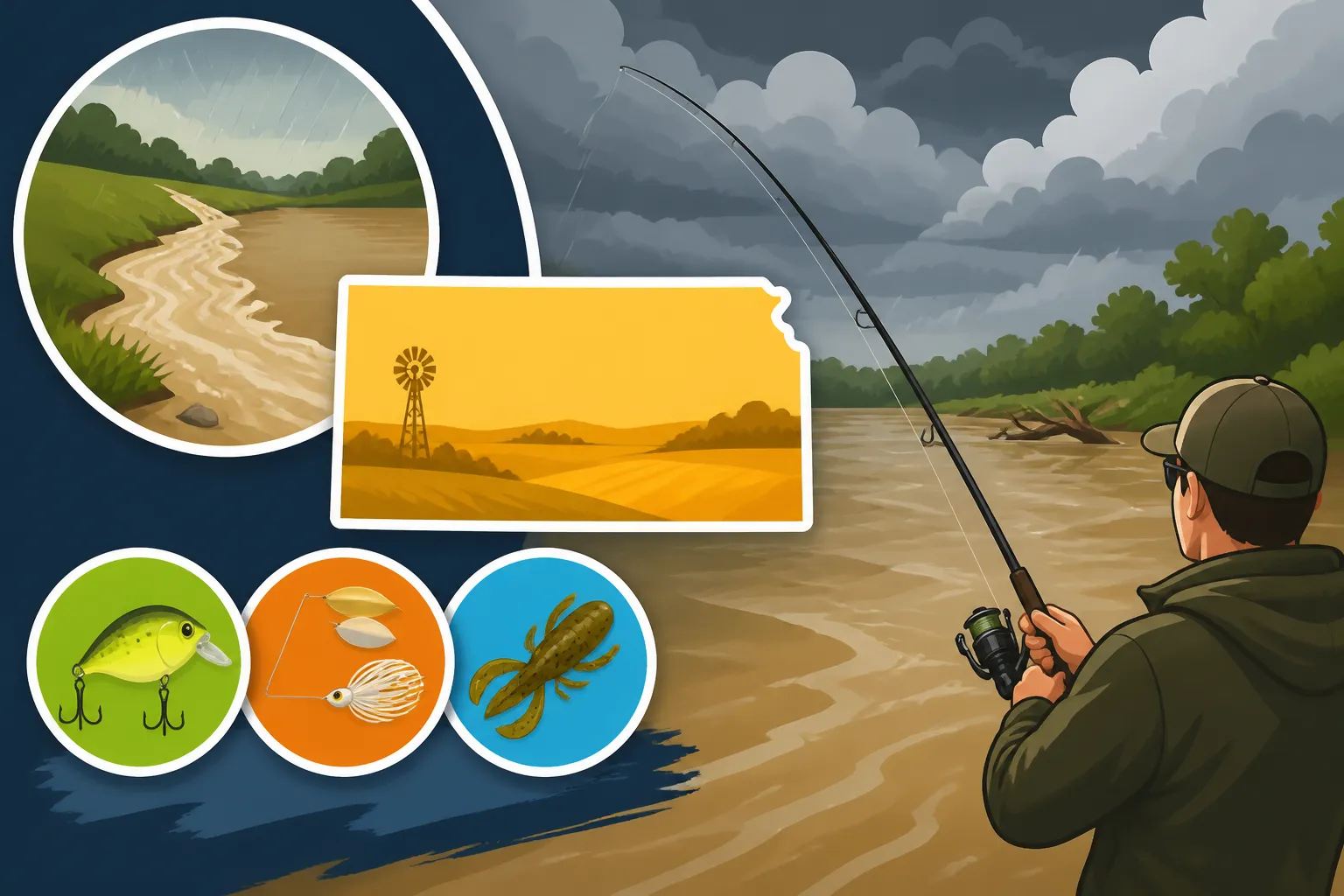
It’s a scenario every Kansas angler knows all too well: you wake up excited for a day on the water, only to find that an overnight downpour has turned your favorite fishing hole into a chocolate milk shake. That sudden murkiness can be incredibly frustrating, leaving many of us wondering if we should even bother casting a line. But don't despair! Fishing muddy water after rain can actually be incredibly productive if you know how to adapt your strategy, and this guide is here to show you exactly how to do it, turning that murky challenge into a successful outing.
Understanding Why Rain Makes Water Murky and Its Impact on Fish
When a good rain hits Kansas, especially after a dry spell, it does more than just fill the rain gauges. It washes all sorts of sediment, dirt, and debris from the surrounding land into our lakes, rivers, and ponds. This influx of suspended particles dramatically reduces water clarity, creating the "muddy water" conditions we often face. Understanding why this happens and how it affects the fish is the first step to conquering these challenging conditions.
The Science Behind Murky Water
Think about the landscape surrounding your favorite fishing spots – fields, prairies, streambanks, and even suburban lawns. When rain falls, it picks up loose soil, decaying plant matter, and other fine particulates, carrying them into nearby waterways. This runoff is a natural process, but it can quickly transform clear water into a cloudy mess. Reservoirs like Milford Lake or Cheney Reservoir, with large drainages, can take a while to clear up after heavy rains. Smaller ponds and streams might clear faster, but the initial impact is usually significant. The duration of this murkiness depends on the intensity of the rain, the type of soil in the watershed, and the size and flow of the water body. A hard, fast rain on dry, tilled soil will usually cause more severe and longer-lasting murkiness than a gentle drizzle on established grass.
How Fish React to Low Visibility
Fish are incredibly adaptable creatures, but a sudden drop in water clarity definitely changes their behavior. Their primary senses for hunting and navigating—sight—becomes severely limited. Imagine trying to find a snack in a dark room; you'd rely on touch, smell, and hearing, right? Fish do the same. Many species will move shallower, seeking slightly clearer water closer to the surface or edges, or they might hug structure tightly, using it as ambush points where they can better detect prey passing by. Their lateral line, which detects vibrations, and their sense of smell become super important. This means baits that are highly visible, emit strong vibrations, or have potent scents are going to get more attention. Some fish, like catfish, are naturally more accustomed to low visibility and might even thrive in it, making them prime targets during these times. Learning about different Kansas fish species, like those in our Kansas Fish Species Guide, can give you insight into their natural preferences.
Choosing the Right Location and Time
Fishing muddy water isn't just about what you throw in; it’s critically about where and when you throw it. Not all muddy water is created equal, and some spots will clear faster or hold fish better than others. Being strategic about your location and timing can make a huge difference in your success.
Finding Clearer Water Pockets
Even when a lake or river looks like a chocolate river, there are almost always pockets of clearer water to be found. Look for areas where inflowing muddy water might be mixing with clearer main lake water, creating a "seam." Fish often congregate along these transition lines, waiting to ambush prey that gets disoriented in the murk. Tributary arms or coves that don't receive heavy runoff might clear faster. Another prime spot is upwind shorelines; wind can push clearer surface water towards these banks, concentrating baitfish and game fish. Conversely, downwind areas might be even muddier. Pay attention to inflows: if a ditch or creek is dumping muddy water into the main body, try fishing a bit away from the immediate entry point, or even upstream in the feeder creek if it clears up sooner. You might be surprised at the difference just a short move can make. For river fishing, check out our Kansas River Fishing Guide for ideas on where to look for these seams.
Timing Your Fishing Trip Post-Rain
Timing is everything after a rain event. Immediately after a heavy downpour, the water might be at its murkiest and still rising, making fishing tough. However, as the water begins to stabilize and slowly recede, conditions often improve dramatically. This period, often a few hours to a day after the heaviest rain, can be fantastic. The fresh influx of water can stimulate fish activity, washing new food sources into the main water body. Cooler water from rain can also invigorate fish, especially during warmer months.
Consider the time of day, too. Overcast skies often associated with post-rain conditions can extend prime low-light feeding periods throughout the day, as fish feel more secure with the reduced light penetration. You might find success fishing longer into the morning or even mid-day compared to a bright, sunny afternoon. Also, pay attention to the Kansas Fishing Seasons Guide as seasonal patterns can influence how fish react to changing water conditions.
Tackle and Lure Selection for Muddy Conditions
When visibility drops, your fishing tackle needs to compensate. You can't rely on fish seeing your bait from a distance. Instead, you need to appeal to their other senses: sound, vibration, and smell. This often means making some specific adjustments to your lure and bait choices.
Enhancing Visibility and Vibration
In muddy water, fish rely heavily on their lateral line to detect pressure changes and vibrations in the water, indicating potential prey. This means lures that displace a lot of water and create a strong "thump" or "wobble" are incredibly effective.
- Spinnerbaits and Bladed Jigs: The thumping blades on these lures are like neon signs in murky water. The flash is also a factor, even if subtle. For example, a big Colorado blade on a spinnerbait creates maximum thump, drawing fish in.
- Crankbaits: Deep-diving or lipless crankbaits with a wide wobble create significant vibration. The larger the bait and the more aggressive the wobble, the better. Rattle chambers inside crankbaits are also huge assets, adding an auditory element that fish can home in on.
- Chatterbaits: These unique lures combine flash and extreme vibration, making them phenomenal in stained or muddy water. The irregular thumping action is highly attractive.
- Worms and Soft Plastics: While they don't have built-in vibration, pairing them with heavy tungsten weights that create a noticeable "thump" when hitting the bottom or structure can be effective. Consider soft plastics with paddle tails or curly tails that impart a lot of action in the water.
When considering what to use, think about what stands out. You can find a huge variety of these types of lures on platforms like Amazon, making it easy to stock up on muddy water essentials.
Best Baits and Colors for Murky Water
Color choice is paramount in muddy water. While bright colors might seem counterintuitive, they often create a better silhouette and contrast against the murky background, making them easier for fish to detect.
- Fluorescent and Chartreuse: These colors are king in muddy water. They reflect light differently and often appear brighter or more contrasting underwater, making them highly visible.
- Orange and Red: These colors can also be effective, especially for species like crappie or walleye that react well to them.
- Black or Dark Silhouettes: Sometimes, a dark lure can create the best silhouette against an overcast sky, standing out like a shadow.
- Natural Colors (with caution): While generally not recommended for muddy water, some natural colors with a lot of flash or vibration might still get bites, but brighter is usually better.
Here’s a quick guide to some bait and color pairings:
| Species | Best Baits for Muddy Water | Recommended Colors | Key Attraction Factors |
|---|---|---|---|
| Catfish | Prepared Stink Baits, Cut Bait, Worms | N/A (scent-driven) | Strong Scent, Natural Odor |
| Walleye | Crankbaits (rattling), Spinnerbaits, Jigs | Chartreuse, Orange, Firetiger | Vibration, Sound, Visibility |
| Crappie | Jigs (curly tail), Spinnerbaits, Minnows | Chartreuse, Orange, White | Vibration, Flash, Profile, Scent |
| Bass | Spinnerbaits, Chatterbaits, Jigs, Crankbaits | Chartreuse, Black/Blue, Red | Vibration, Sound, Profile, Contrast |
| White Bass | Spinnerbaits, Lipless Crankbaits, Small Jigs | White, Chartreuse, Silver | Vibration, Flash, Speed |
For specific species, understanding their feeding habits in low visibility is key. For example, our Best Bait for Kansas Catfish article will confirm that strong scents are always a winner for them, regardless of water clarity. Similarly, when it comes to Best Lures for Kansas Walleye or Best Bait for Kansas Crappie, you'll find that baits emphasizing vibration or smell often rise to the top of the list for murky conditions. Don't be afraid to experiment!
Effective Techniques for Fishing Muddy Water
Having the right tackle is only half the battle; knowing how to present it effectively is crucial. Muddy water demands a different approach than clear water fishing, often requiring you to slow down and really make your bait known.
Slowing Down Your Presentation
When fish can’t see well, they rely on feeling and hearing. A fast-moving bait in muddy water might pass by a fish before it even knows it's there. Slowing down your presentation gives fish more time to detect your lure, investigate, and ultimately strike.
- Crankbaits and Spinnerbaits: Instead of a steady, fast retrieve, try a slow roll, occasionally pausing or bumping structure. This erratic action can trigger reaction strikes.
- Jigs and Plastics: Work these baits very slowly along the bottom or through cover. Think about a slow drag, subtle hops, or prolonged pauses. For Kansas Crappie Fishing Techniques, a slow jigging motion right in structure will be far more effective in murky water than a faster retrieve.
- Live Bait: If using live bait, give it plenty of time to work its magic. A simple Carolina rig with a worm or minnow on the bottom will allow the scent to disperse and the natural movement to attract attention without you having to retrieve it quickly.
Slowing down can be a test of patience, but it often pays off handsomely. It allows fish to zero in on your offering, even when their vision is compromised.
Utilizing Scent and Sound
Beyond visible attraction and vibration, scent and sound become critical tools in muddy water.
- Scent Attractants: This is where a good scent spray or gel can really shine. Apply a generous amount to your soft plastics, jigs, or even live bait. Fish rely heavily on smell in low visibility, and a strong, appealing scent trail can draw them in from a greater distance. There are many excellent options available, and you can often find a good selection on Amazon. Don't be shy about reapplying regularly.
- Rattles: Many lures come equipped with internal rattles, but you can also add stick-on or insertable rattles to soft plastics or spinnerbait skirts. The clicking or rattling sound carries well through the water, creating an auditory beacon for fish.
- Noise-Making Baits: Topwater lures with propellers or chugging mouths that create a commotion on the surface can be surprisingly effective, especially if fish are pushed shallower. The loud splash and gurgle can draw aggressive strikes, even if the fish can't see the bait clearly until it's right on top of it.
- Targeting Catfish: This is a prime time for species like catfish, as they are expert hunters in low-light and murky conditions, relying heavily on their barbels and sense of smell. Employing Kansas Catfish Fishing Techniques that emphasize potent baits like stink bait or cut bait will be incredibly effective.
Remember, the goal is to create a disturbance – visual, vibrational, auditory, or olfactory – that the fish simply cannot ignore. With these adjustments, a muddy post-rain day in Kansas can become one of your most rewarding fishing experiences. You might even find yourself enjoying the challenge!
Disclaimer
This article is for general informational purposes only and does not constitute professional advice. Laws, prices and regulations vary by location and change over time. Consult a qualified professional for guidance on your specific situation.