Best Trout Stream Access in Eastern Kansas
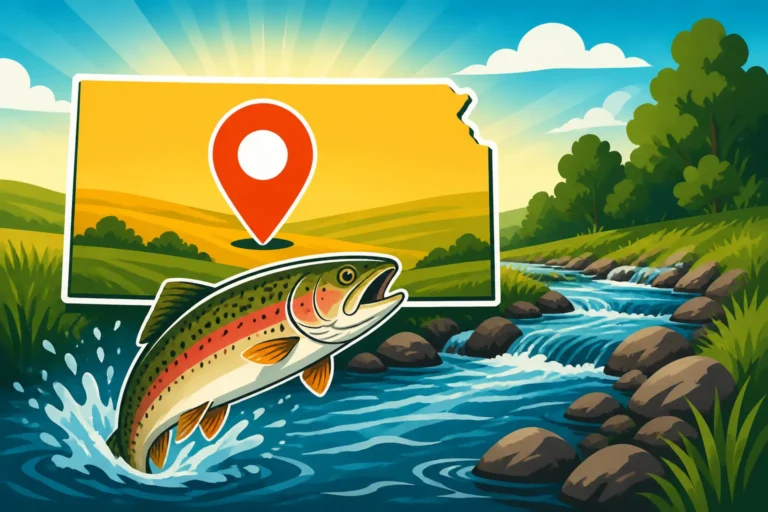
For many anglers, the thought of trout fishing conjures images of crystal-clear mountain streams or sprawling, wild rivers out west. But if you're in Eastern Kansas, you might feel a pang of frustration, wondering if catching these elusive, colorful fish is even a possibility without a long road trip. The good news is, while Kansas doesn't boast natural, self-sustaining trout streams, the Kansas Department of Wildlife and Parks (KDWP) runs an impressive trout stocking program right in your backyard, offering fantastic opportunities to hook into rainbow and even golden rainbow trout. This guide will help you navigate the best spots and strategies for trout stream access in Eastern Kansas, proving that a quality trout experience is closer than you think.
Understanding Trout Opportunities in Eastern Kansas
Let's be real: Kansas isn't known for its trout. Our hot summers and typically slow-moving prairie rivers aren't exactly ideal for wild trout populations. That said, the KDWP has done a phenomenal job creating opportunities through its Winter Trout Program. From roughly November through March, they stock various community lakes, ponds, and even specific river sections with thousands of trout, turning seemingly ordinary waterbodies into temporary trout havens. This means that "trout stream access" in Eastern Kansas often refers to finding those designated stocked areas, many of which offer stream-like environments or specific access points that mimic river fishing.
The KDWP Winter Trout Program Explained
The KDWP's Winter Trout Program is the backbone of trout fishing in Kansas. Every year, they carefully select a number of waters across the state that maintain sufficiently cool temperatures through the colder months to support trout. These locations, ranging from small urban ponds to larger community lakes, become prime targets for anglers seeking a different kind of fight than our typical catfish or crappie. You'll primarily find rainbow trout, but occasionally, golden rainbow trout are stocked, adding an extra splash of excitement to your catch. It's a fantastic initiative that brings a unique fishing experience to local communities, and understanding how it works is your first step to success. For a deeper dive into the overall program, check out our comprehensive guide on the Kansas Winter Trout Fishing Guide.
Why "Stream Access" is Different Here
When we talk about "trout stream access" in Eastern Kansas, we're not usually talking about trekking through wilderness to find a hidden, flowing trout stream with a native population. Instead, it’s about accessing specific areas within stocked lakes or ponds that mimic stream conditions, or designated stretches of larger rivers that are managed for trout. Think about areas near spillways, inlets, or dam structures where water movement creates currents, or sections of rivers that are regularly stocked and have good bank access. These spots concentrate trout and often provide a more dynamic fishing experience than simply casting into open water. Finding these specific areas within the larger stocked waterbodies is key to making the most of your Eastern Kansas trout adventure. It's about adapting your mindset and tactics to the unique, managed environment.
Top Eastern Kansas Locations for Trout Access
Eastern Kansas offers several excellent locations where you can enjoy trout fishing during the stocking season. While they aren't traditional mountain streams, these spots are chosen specifically because they can sustain trout through the colder months and often provide good public access. Remember that a Kansas fishing license and a special Kansas Trout Permit Guide are required to fish for trout, regardless of age or residency.
Shawnee Mission Park Lake, Johnson County
Shawnee Mission Park Lake is a gem for Eastern Kansas anglers, especially those in the Kansas City metro area. This popular urban park lake, located in Shawnee, offers fantastic access for trout fishing. KDWP regularly stocks this lake during the winter program, and its manageable size makes it a great spot for both seasoned anglers and families alike.
You'll find ample bank access around much of the lake, with paved trails making it easy to move from one spot to another. For those looking for a "stream-like" feel, focus your efforts near the park's main inlet areas, where any slight current or incoming colder water can attract trout. The lake also features several fishing piers, providing excellent vantage points and deeper water access without needing a boat. These piers are often great places to intercept cruising trout. Kayak and canoe fishing are also popular options here, allowing you to cover more water and reach less-pressured areas. Resources like FishingBooker can sometimes offer insights into local kayak rentals or guided trips if you're new to the area.
Lake Shawnee, Topeka
For those in the Topeka area, Lake Shawnee is another prime location for trout fishing. This large reservoir is a multi-use park, but during the winter, specific areas become hotspots for trout. While it's a big lake, the KDWP focuses stocking efforts in areas that provide good public access and suitable habitat for the trout.
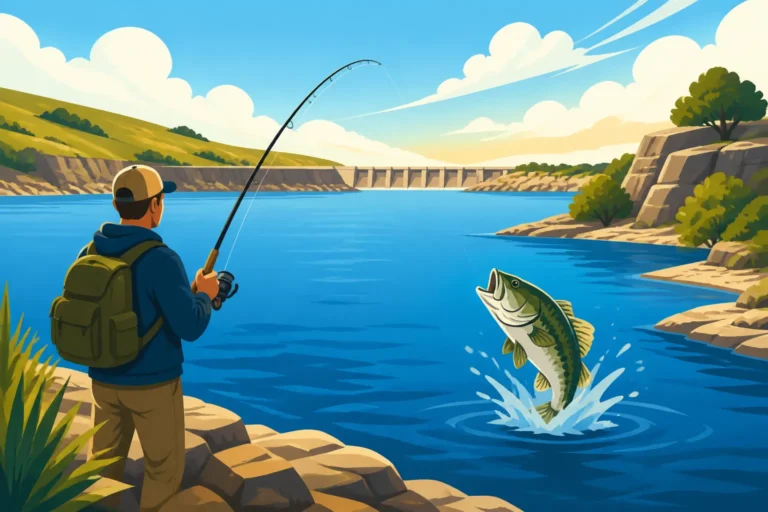
When fishing Lake Shawnee for trout, many anglers find success along the dam face or near the spillway areas if conditions allow for safe access. These spots often have deeper water and some current, which trout tend to favor. Various coves and points around the lake also offer good opportunities, especially those with some structure or deeper drop-offs. Like Shawnee Mission Park Lake, Lake Shawnee boasts excellent bank access and several fishing docks. The large size means you can explore different spots throughout the day. You can find more general information about various fishing spots, including Lake Shawnee, in our Best Fishing Lakes in Kansas article.
Leavenworth Levee Lakes, Leavenworth
The Leavenworth Levee Lakes, specifically Lake Leavenworth and North Lake, provide a unique trout fishing experience. These two smaller lakes are part of the KDWP trout program and are located right within the city of Leavenworth, offering extremely convenient access for local anglers.
These lakes are smaller than the large reservoirs, making them perfect for those who prefer a more intimate fishing experience. They are easily accessible from shore, with good parking facilities nearby. Because of their size, trout tend to be more concentrated, and finding them can sometimes be a bit easier than in vast waters. Look for any underwater structure, points, or deeper holes, especially after a fresh stocking. The banks are well-maintained, and they are family-friendly spots. When you're ready to plan your visit, services like FishingBooker can sometimes help with finding nearby accommodations or local bait shops for your trip.
Garnett North Lake, Garnett
Heading a bit further southeast into Eastern Kansas, Garnett North Lake is another consistent performer in the KDWP Winter Trout Program. This lake, located near the town of Garnett, is a popular spot for trout anglers in Anderson County and surrounding areas.
Garnett North Lake is known for its excellent water quality and a mix of habitats that can appeal to trout. You'll find good bank access around much of the lake, with specific areas that cater to different fishing styles. Some anglers prefer to target the deeper sections near the dam, while others fan out along the shore, casting towards points or submerged cover. Its relatively quiet atmosphere compared to some urban parks can make for a more peaceful fishing outing. The lake is generally well-maintained, offering a pleasant experience for those looking to get away from the hustle and bustle. The KDWP typically announces stocking dates, so keeping an eye on their schedule can help you plan your visit for optimal fishing.
Other Notable Community Trout Waters in Eastern Kansas
Beyond these mainstays, several other community fishing lakes and ponds in Eastern Kansas receive trout stockings. These often include various city park ponds or smaller KDWP-managed waters. Always check the current KDWP trout stocking schedule for the most up-to-date information on which specific locations are stocked each season. Some other possibilities might include specific ponds within Kansas City parks or other smaller municipal lakes. These smaller spots are perfect for a quick fishing trip or for introducing kids to trout fishing. They usually offer excellent bank access and a high chance of success, especially right after a stocking. Our guide on Kansas Community Lake Fishing Spots can give you a broader overview of these accessible fisheries.
Essential Gear and Techniques for Eastern Kansas Trout
Trout fishing in Kansas, even in stocked waters, requires a slightly different approach than you might use for other local species. These fish are often quite active and can be particular about their diet, especially shortly after being stocked. Having the right gear and understanding effective techniques will significantly increase your chances of success.
Light Tackle and Bait Choices
When targeting trout in Eastern Kansas, finesse is often the name of the game. You don't need heavy-duty gear to haul in a feisty rainbow trout. An ultra-light or light action spinning rod, typically 5 to 6.5 feet long, paired with a small spinning reel (size 1000-2000) spooled with 4-6 pound monofilament or fluorocarbon line is usually perfect. The lighter line is less visible to the trout and allows for more natural bait presentation.
For bait, traditional choices like PowerBait (in various colors and forms like dough or nuggets) are incredibly effective, as hatchery-raised trout are often accustomed to pellet food which PowerBait mimics. Good old-fashioned garden worms or mealworms can also be irresistible to trout, especially if they’ve been in the water a bit longer and are looking for natural forage. Using a small, size 8-12 hook under a bobber or with a small split shot weight on the bottom rig are common and effective presentations. You can explore more options in a dedicated Kansas Fishing Gear Guide for general tackle recommendations.
Lure and Fly Fishing Strategies
If you prefer to cast and retrieve, small inline spinners (like Rooster Tails or Mepps Aglias) in sizes #0 or #1, tiny spoons (such as Kastmasters or Little Cleos), and small, soft plastic jigs are excellent choices. These lures imitate small baitfish or aquatic insects, triggering a predatory response from the trout. Work them slowly and steadily, varying your retrieve speed to see what the fish prefer on a given day. Sometimes a subtle flutter is all it takes.
For the fly-fishing enthusiast, even in these stocked lakes, there are opportunities. Small nymphs (like Pheasant Tails or Hare's Ears), midge patterns, or even small streamers can be very effective, especially if there's an insect hatch or if the trout are getting wise to traditional baits. Casting these near inlets, outflows, or any area with subtle current can mimic a natural stream presentation. A 3-5 weight fly rod setup is ideal for these conditions, offering both sensitivity and the ability to cast light flies accurately.
Reading the Water and Presentation Tips
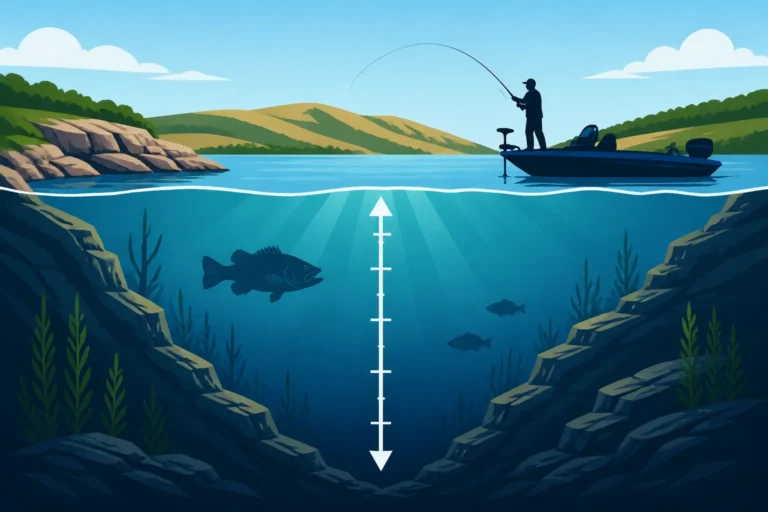
Trout, even stocked ones, are creatures of habit. They often prefer cooler, oxygenated water. In stocked lakes, this means focusing your efforts on areas where there's any water movement, like near spillways, inlets, or dam structures. Drop-offs, submerged brush piles, and points that extend into deeper water are also prime holding areas. When fishing from the bank, try casting parallel to the shore, covering different depths until you find where the fish are holding.
Stealth is also important. Approach the water quietly and try not to cast shadows over your fishing spot. Trout have excellent eyesight. Present your bait or lure as naturally as possible. If using PowerBait, experiment with how much you mold onto the hook – a small, buoyant ball that floats just off the bottom is often ideal. With lures, vary your retrieve and add pauses to mimic erratic movements. Don't be afraid to move around if a spot isn't producing; trout can be concentrated in specific pockets.
Navigating Regulations and Permits
Trout fishing in Kansas, while accessible, comes with specific rules and regulations that every angler must follow. It's not enough to simply have a general fishing license; there's an additional permit you'll need. Ignoring these can lead to fines and spoil your day on the water.
Kansas Fishing License Requirements
First and foremost, any resident age 16 through 74, or any nonresident 16 years and older, needs a valid Kansas fishing license to fish in public waters. This is a fundamental requirement for all types of fishing in the state. There are various options available, from annual licenses to one-day permits, depending on how often you plan to fish. You can easily purchase these online through the KDWP website or at authorized vendors like sporting goods stores and bait shops. To learn more about the different types and their costs, consult our guide on Kansas Fishing License Cost by Type. If you're a nonresident, make sure you understand the specific requirements detailed in our Kansas Nonresident Fishing License Guide.
The Mandatory Kansas Trout Permit
Here's the crucial part for trout anglers: in addition to your general fishing license, you must purchase a special trout permit if you plan to fish for or possess trout. This permit helps fund the KDWP's trout stocking program, ensuring these opportunities continue for years to come. The trout permit is required for anyone fishing in designated trout waters, regardless of age, during the specified trout season (typically November 1 to March 31). Even if you're exempt from needing a general fishing license (e.g., certain age groups or disabled veterans), you still need a trout permit if you're actively targeting or keeping trout. This permit is relatively inexpensive and well worth the cost for the unique fishing experience it provides. Information on the exact cost can be found in our Kansas Trout Permit Cost and Season article.
Specific Regulations and Limits
Beyond the licenses and permits, it’s vital to be aware of the daily creel and possession limits for trout, as well as any specific regulations for the waterbody you are fishing. These details can vary, so always consult the latest Kansas Fishing Regulations Summary before heading out. Typically, the daily creel limit for trout is 5 fish, with a possession limit of 15. However, some specific waters might have special regulations, such as catch-and-release only or different length limits, especially during special events or at smaller, heavily fished community ponds.
It’s your responsibility as an angler to know and follow these rules. You can find a comprehensive overview of all fishing rules in our Kansas Fishing Regulations Explained article. Always check the signage at the specific park or lake you are visiting, as local rules sometimes apply. Keeping a copy of the regulations on your phone or printed out is always a good idea, and don't hesitate to ask local bait shops or park rangers if you have any questions. Services like FishingBooker can sometimes offer insights from local guides who are intimately familiar with specific regulations in their area.
Planning Your Eastern Kansas Trout Fishing Trip
A successful trout fishing trip in Eastern Kansas goes beyond just knowing where to go and what bait to use. Thoughtful planning can make all the difference, ensuring you have a smooth, enjoyable, and productive outing.
Best Times to Fish for Trout
The prime time for trout fishing in Eastern Kansas is during the KDWP's Winter Trout Program, which generally runs from November 1st through March 31st. Within this window, the best fishing often occurs shortly after a stocking event, when the trout are newly introduced and haven't become wary yet. Keep an eye on the KDWP's stocking schedule, usually posted on their website, to time your visits strategically.
Beyond stocking dates, consider the weather. Cloudy days with stable temperatures can be excellent, as trout tend to be more active. Avoid fishing immediately after a major cold front, as fish can become sluggish. Early mornings and late afternoons are typically the most productive times of day, mirroring trout behavior in natural streams. However, in heavily stocked community lakes, trout might bite throughout the day, especially if they are hungry.
Accessing the Water
Most of the stocked trout locations in Eastern Kansas offer excellent bank access, making them ideal for anglers without boats. Many parks feature paved trails, docks, and designated fishing areas. If you prefer to cover more water or reach less-pressured spots, a kayak or canoe can be a great asset. Just be sure to check any specific boating regulations for the lake you plan to visit.
Parking is usually plentiful at state parks and community lakes, but on busy weekends or right after a stocking, popular spots can fill up quickly. Arriving early can help you secure a prime location. Always be respectful of other anglers and share the bank access.
Here's a quick comparison of some Eastern Kansas trout spots:
| Location | County | Primary Access | Typical Stocking (Winter Program) | Key Features for Anglers |
|---|---|---|---|---|
| Shawnee Mission Park Lake | Johnson | Bank, Piers | Rainbow, Golden Rainbow | Urban setting, paved trails, piers |
| Lake Shawnee | Shawnee | Bank, Piers | Rainbow | Larger reservoir, dam access, coves |
| Leavenworth Levee Lakes | Leavenworth | Bank | Rainbow | Smaller, intimate, urban access |
| Garnett North Lake | Anderson | Bank | Rainbow | Quiet, good water quality |
Packing Smart for Comfort and Safety
Even in "stream-like" environments, Kansas winters can be unpredictable. Dress in layers to adapt to changing temperatures, and bring waterproof outer layers in case of rain or snow. Comfortable, waterproof boots are essential, especially if you'll be walking along muddy banks. Don't forget a hat, gloves, and hand warmers.
Beyond clothing, pack a small cooler with snacks and drinks. A basic first-aid kit is always a good idea. If you're night fishing (though less common for trout, it's possible for other species), a headlamp or lantern is critical. Remember to bring a stringer or a small cooler with ice if you plan to keep your catch, and always practice responsible angling by packing out all your trash. For more comprehensive insights into packing for various fishing conditions, check out our Kansas Fishing Seasons Guide.
Disclaimer
Please be aware that fishing regulations, stocking schedules, and lake conditions are subject to change by the Kansas Department of Wildlife and Parks. Always consult the most current KDWP fishing regulations and local advisories before planning your trip. The information provided in this guide is for general informational purposes only and should not be considered legal advice.