Milford State Park Fishing Access
It can be incredibly frustrating to drive all the way out to a promising fishing spot, only to find limited access, overcrowded shores, or no clear path to the water. In Kansas, navigating the vast network of lakes and rivers for that perfect public fishing spot can be a real challenge. This comprehensive guide will walk you through everything you need to know about fishing access at Milford State Park, helping you unlock its potential for a truly rewarding angling adventure.
Understanding Milford State Park's Layout for Anglers
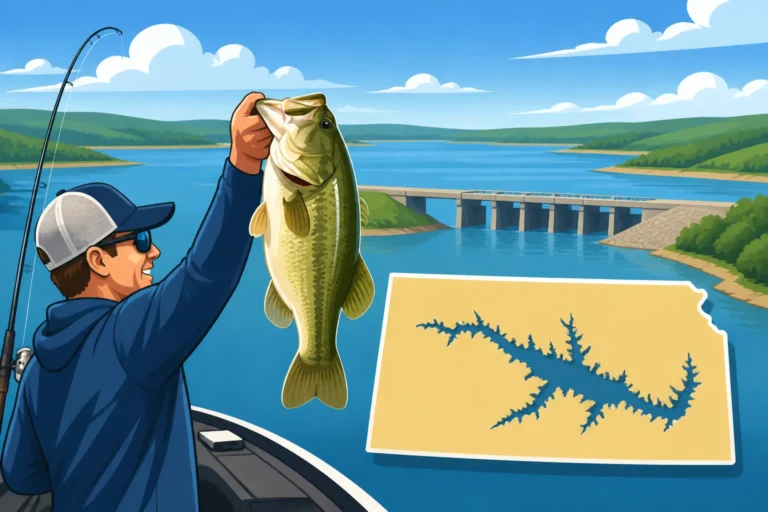
Milford State Park, often hailed as the "Fisherman's Paradise" of Kansas, is strategically located on the eastern shore of Milford Lake, the state's largest reservoir. This isn't just a small park; it's a sprawling area offering diverse environments for anglers, from sheltered coves to expansive main lake access. Understanding its layout is the first step to a successful fishing trip here. The park's design thoughtfully incorporates numerous points for both boat and shore anglers, ensuring that whether you prefer casting from the bank or launching a vessel, you'll find a suitable spot.
Key Access Points and Boat Ramps
Milford State Park boasts a fantastic array of developed access points that cater to different fishing styles and preferences. For those with boats, the convenience is unparalleled. There are multiple paved boat ramps dotted around the park, each offering easy launch and retrieval, even on busy weekends.
For instance, the Farnum Creek area provides excellent ramp facilities with plenty of parking, making it a popular choice for larger boats. From here, you can quickly access deeper waters known for their walleye populations or head towards the main lake structure where wipers often congregate. Another prime spot is the School Creek area, which also features quality ramps and offers a different angle of approach to the lake's diverse habitats. When planning your trip, consider checking out the available public boat ramps at Milford Lake to see which launch point best suits your target species and preferred fishing grounds. Remember, a smooth launch can make or break the start of your day on the water, so knowing these options in advance is a huge plus. Beyond the main ramps, some smaller, less-developed points might be suitable for kayaks or smaller jon boats if you're looking for a more secluded experience, though these often require more careful navigation and scouting.
Shoreline Fishing Opportunities and Accessibility
Not everyone has a boat, and honestly, sometimes a quiet day casting from the bank is exactly what the soul needs. Milford State Park shines in this regard, offering extensive shoreline access that's often overlooked by boat anglers. Many areas within the park are designed with accessible fishing in mind, providing paved trails, fishing piers, and open bank stretches that allow for comfortable casting.
The area around the Milford State Park office often has designated fishing spots and even a few piers, which are perfect for families with younger anglers or those with mobility challenges. These spots usually provide easier access to panfish and channel catfish. Further along the shoreline, particularly in the secluded coves like Curtis Creek Cove at Milford Lake, you can find excellent bank fishing for crappie, especially during their spring spawn. Always keep an eye out for submerged timber or rock piles along the banks, as these structures often hold fish. The Kansas Department of Wildlife, Parks and Tourism (KDWPT) often maintains these public access areas, ensuring they are safe and clean for everyone to enjoy. Just be mindful of local regulations and posted signs, as some areas might have specific rules regarding bait or fishing methods. Having good quality waders can also expand your reach, allowing you to venture slightly offshore from the bank in shallower, less crowded areas.
What Fish Species You Can Target at Milford State Park
Milford Lake is renowned for its diverse fishery, and Milford State Park provides direct access to many of its most sought-after species. Whether you're chasing the thrill of a hard-fighting predator or looking for a relaxing day catching panfish, you'll find opportunities here. The lake's vastness and varied underwater structure, from rocky points to submerged timber and expansive flats, create ideal habitats for a wide range of fish.
Popular Game Fish and Seasonal Hotspots
When most anglers think of Milford Lake, they often think of its phenomenal walleye and catfish populations. Milford Lake is the largest lake in Kansas, and its size allows for robust fish populations. Walleye fishing at Milford Lake can be outstanding, especially near the dam area or on rocky points and humps found throughout the lake. Spring and fall are prime times to target these elusive fish, often using crankbaits or jigs bounced along the bottom. Many experienced anglers look for concentrations of baitfish using their fish finders to pinpoint walleye schools.
Another hard-fighting favorite is the white bass. The Milford Lake white bass run is a legendary event, typically occurring in spring when these fish migrate up the Republican River arm of the lake to spawn. During this time, anglers can catch dozens of white bass using small jigs, spoons, or spinners. Beyond these, the lake is also home to healthy populations of channel catfish, blue catfish, and flathead catfish. Catfish can be caught year-round, but summer nights often yield the biggest blues and flatheads, especially when fishing with cut bait or live bait near deep channels or submerged logs. If you're targeting Milford Lake white bass, make sure you understand the optimal timing and techniques, as this can lead to some incredibly fast-paced action. You can even find hybrid striped bass (wipers) in Milford Lake, offering another exciting challenge for those looking for a strong fight.
Panfish and Other Opportunities
While the big game fish often get all the glory, Milford State Park offers fantastic fishing for panfish, which are perfect for a casual outing or for introducing new anglers to the sport. Crappie, both white and black varieties, are abundant in Milford Lake. During the spring, they move into shallower waters and submerged brush piles in protected coves like Curtis Creek Cove at Milford Lake. This is when they are easiest to catch, often falling for small jigs, minnows, or even tiny crankbaits.
Bluegill and redear sunfish are also prevalent throughout the park's accessible waters, especially in calmer, weedier areas. These feisty little fish are a joy to catch on ultralight tackle with worms, crickets, or small artificial lures. They are often found around docks, submerged vegetation, or shaded areas, making them ideal targets for bank anglers. Beyond these popular species, you might also encounter bass (largemouth and smallmouth), and even some freshwater drum, which can put up a surprisingly good fight. For those interested in exploring diverse fishing options, consider looking up a local guide through platforms like FishingBooker. They can often provide specialized insights into targeting specific species or finding less-fished areas within the vast lake system. This table provides a quick overview of common species and their typical locations within the park's accessible areas:
| Fish Species | Primary Habitat at Milford State Park Access | Best Season to Target | Common Baits/Lures |
|---|---|---|---|
| Walleye | Rocky points, dam area, main lake humps | Spring, Fall | Crankbaits, Jigs, Worms |
| Channel Catfish | Coves, river arms, deeper channels | Spring, Summer, Fall | Cut bait, Worms, Stink bait |
| White Bass | River arms, open water schools, dam tailrace | Spring (run), Summer | Small jigs, Spoons, Spinners |
| Crappie (White/Black) | Submerged brush, timber, coves | Spring, Fall, Winter | Minnows, Jigs |
| Bluegill/Sunfish | Weedy coves, shallow protected areas | Spring, Summer | Worms, Crickets, Small flies |
| Flathead Catfish | Deep channels, large timber, rock piles | Summer (Night) | Live bait (perch, sunfish) |
| Hybrid Striped Bass (Wipers) | Open water schools, main lake structure | Summer, Fall | Crankbaits, Spoons, Jigging |
Planning Your Fishing Trip to Milford State Park
A successful fishing trip is rarely accidental; it's the result of good planning. When heading to Milford State Park, a little preparation goes a long way in ensuring a safe, enjoyable, and productive day on the water. From making sure you have the right gear to understanding the local regulations, thinking ahead can save you a lot of hassle.
Essential Gear and Supplies for a Successful Day
Having the right gear is crucial, and it can vary significantly depending on what you plan to target and how you plan to fish. For most bank anglers targeting panfish or catfish, a medium-light spinning rod and reel combo, spooled with 6-10 lb test monofilament or braided line, will serve you well. A small tackle box stocked with hooks (sizes 6-2/0), sinkers (split shot, egg sinkers), bobbers, and a selection of jigs or spoons should cover most situations. Don't forget a pair of pliers for hook removal and a small cooler for your bait and any fish you plan to keep.
If you're bringing a boat, obviously your boat, motor, and trailer are essential, but also remember your safety equipment: life jackets for everyone on board, a fire extinguisher, a horn or whistle, and navigational lights if you plan to be out before sunrise or after sunset. A good fish finder can be a game-changer for locating structure and fish schools on a large reservoir like Milford. Also, consider bringing insect repellent, sunscreen, a wide-brimmed hat, and plenty of water, especially during the warmer months. Knowing your Kansas fishing regulations explained will help you avoid bringing prohibited tackle or bait.
Regulations and Permits You Need to Know
Kansas has specific rules in place to protect its natural resources and ensure fair fishing for everyone. First and foremost, anyone aged 16 through 74 years old, whether resident or nonresident, needs a valid Kansas fishing license to fish in public waters, including Milford State Park. You can easily purchase these online through the KDWPT website or from licensed vendors. For specific details on pricing and types, refer to the Kansas Fishing License Guide.
Beyond the general fishing license, Milford State Park is a state park, which means you'll also need a State Park Vehicle Permit for anglers to enter and park your vehicle. These permits can be purchased daily or annually and are essential for access. There are also specific length and creel limits for various species in Milford Lake, which can change seasonally or be specific to certain bodies of water. For example, there are minimum length limits for walleye and crappie, and daily bag limits for catfish. Always consult the most current Kansas Fishing Seasons and Limits guide published by KDWPT before you head out. Ignorance of the rules is not an excuse, and penalties for fishing without a license or violating limits can be costly. If you're bringing a boat, ensure your Kansas boat registration is up to date and prominently displayed.
Making the Most of Milford State Park Beyond Fishing
Milford State Park isn't just a prime fishing destination; it's a vibrant outdoor recreation area that offers a host of other amenities and activities. Combining fishing with other park features can turn a simple day trip into a memorable family getaway.
Camping and Amenities for Anglers
For those who want to extend their fishing adventure beyond a single day, Milford State Park offers excellent camping facilities. There are multiple campgrounds with a range of options, from primitive tent sites to full-hookup RV spots. Many campsites are located close to the water, offering easy access to fishing spots right from your camp. Imagine waking up, stepping out of your tent or RV, and being just a short walk from casting your line into Milford Lake!
The park also provides modern amenities such as restrooms, showers, and dump stations, ensuring a comfortable stay. Several areas have picnic shelters, playgrounds, and swimming beaches, making it a great destination for families where not everyone is solely focused on fishing. You can find more details about camping near Milford Lake for anglers on the KDWPT website, which usually includes reservation information and specific campground features. Having these amenities nearby means you can fish hard during the day and then relax in comfort, clean your catch, and prepare a meal under the stars.
Nearby Attractions and Services
While Milford State Park itself is a destination, the surrounding areas offer additional services and attractions that can enhance your trip. The city of Junction City is just a short drive away, providing access to grocery stores, bait and tackle shops (if you forgot something or need more live bait), restaurants, and other essential services. If you're interested in learning more about the lake's history or local wildlife, the Milford Nature Center & Fish Hatchery, located within the state park grounds, is a fantastic educational stop for all ages.
For those looking to explore different parts of Milford Lake or perhaps try a guided experience, there are often local fishing guides operating in the area. Platforms like FishingBooker can be useful for finding and booking these services, especially if you're targeting a specific species or are new to the area and want expert local knowledge. Sometimes, a guide can quickly put you on fish and teach you techniques that would take years to learn on your own. Whether you need an extra cooler, want to grab a sit-down meal, or simply need to refuel, the proximity of Junction City makes Milford State Park a convenient and well-supported angling destination.
Disclaimer
Please note that fishing regulations, park rules, and fish stocking schedules can change. Always consult the official Kansas Department of Wildlife, Parks and Tourism (KDWPT) website or their current printed regulations summary for the most up-to-date and accurate information before planning your trip.