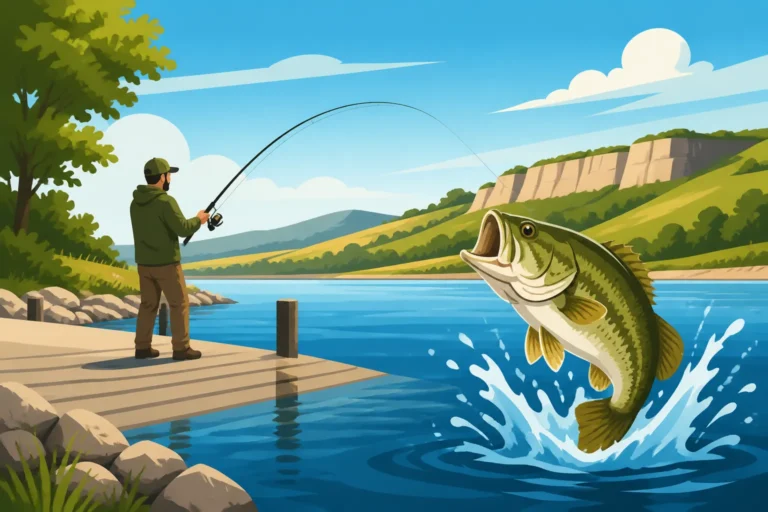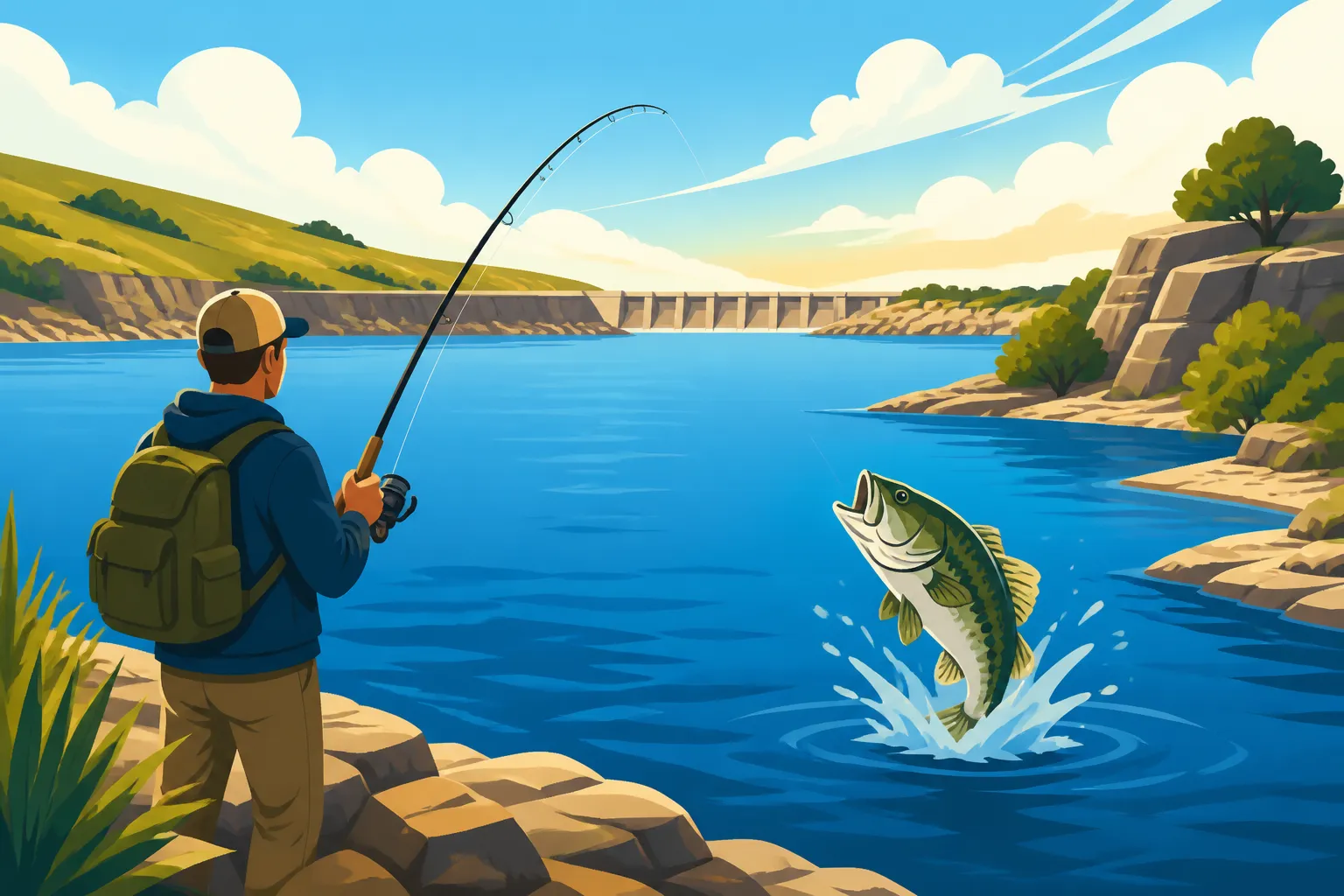
Kanopolis Lake Fishing Spots
For anglers venturing into Central Kansas, the challenge of consistently finding productive fishing spots can be daunting, especially on a diverse reservoir like Kanopolis Lake. With its sprawling waters, varied depths, and hidden structures, knowing where to drop a line for walleye, crappie, or catfish can feel like searching for a needle in a haystack. This comprehensive guide is here to unravel those mysteries, helping you pinpoint the most promising areas on Kanopolis Lake, understand seasonal patterns, and ultimately, put more fish in your net.
Discovering Kanopolis Lake: A Central Kansas Gem for Anglers
Kanopolis Lake, often lauded as one of the Best Fishing Lakes in Kansas, is a jewel nestled in the Smoky Hills region, offering a rich tapestry of fishing opportunities. It's not just a body of water; it's an ecosystem sculpted by the Smoky Hill River, providing diverse habitats that cater to a wide array of popular game fish. This reservoir, managed by the U.S. Army Corps of Engineers and the Kansas Department of Wildlife and Parks, draws anglers from across the state and beyond, thanks to its reputation for robust fisheries and scenic beauty.
The Lay of the Land: Size, Depth, and Unique Features
Spanning approximately 3,500 acres at conservation pool, Kanopolis Lake is a significant aquatic playground, but its fishing potential isn't just about sheer size. The lake boasts an average depth of around 15 feet, with deeper pockets reaching up to 40-50 feet near the dam and in the old river channel. What truly sets Kanopolis apart are its intricate underwater structures. You'll find extensive rocky shorelines, submerged timber, old creek beds, and subtle humps that serve as prime ambush points for predatory fish. The lake's unique blend of clear water in some areas and slightly stained water closer to the river input creates diverse conditions, requiring anglers to adapt their tactics based on location and time of year. Knowing these subtleties is key to unlocking the lake’s secrets.
The topography surrounding Kanopolis Lake contributes to its unique character. You'll encounter sandy beaches, towering bluffs, and dense stands of trees that provide both cover for wildlife and natural windbreaks, influencing water conditions in different coves. Below the dam, the stilling basin and river outflow also present distinct fishing opportunities, particularly for those targeting larger catfish and white bass during their runs. Understanding these environmental factors helps in predicting fish movements and choosing the most effective fishing methods.
Why Kanopolis Stands Out for Fishing
Kanopolis Lake isn't just another reservoir; it has a long-standing reputation for producing quality fish across multiple species. While it's perhaps most famous for its excellent walleye population, it also offers fantastic crappie, catfish, and white bass fishing, alongside a respectable population of largemouth and smallmouth bass. The Kansas Department of Wildlife and Parks actively manages the lake, regularly stocking various species and implementing thoughtful Kansas Fishing Regulations Explained to maintain healthy fish populations. This dedication to fishery management ensures that Kanopolis remains a top-tier destination year after year.
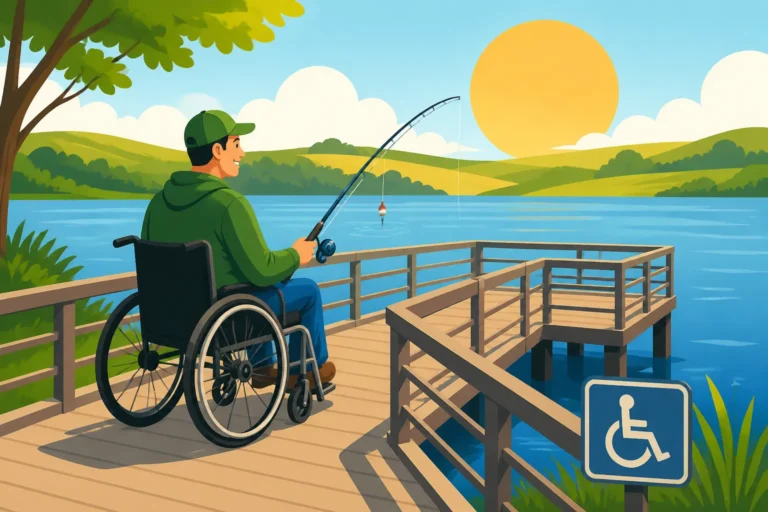
Furthermore, the lake's accessibility and amenities make it a favorite for family outings and serious anglers alike. Multiple boat ramps, well-maintained camping areas, and designated fishing piers mean that whether you prefer to fish from a fully equipped bass boat or simply cast a line from the bank, Kanopolis accommodates everyone. The varied shoreline provides countless opportunities for bank anglers, making it a welcoming spot even if you don't own a boat. This combination of robust fish populations, diverse habitats, and angler-friendly infrastructure solidifies Kanopolis Lake's status as a premier Kansas fishing destination.
Prime Target Species and Their Preferred Hangouts
To truly master fishing at Kanopolis Lake, understanding the habits and preferred habitats of its primary game species is paramount. Each fish has its own quirks, and knowing where they tend to congregate at different times of the year will significantly boost your success.
Walleye: Rocky Reefs and Open Water Cruisers
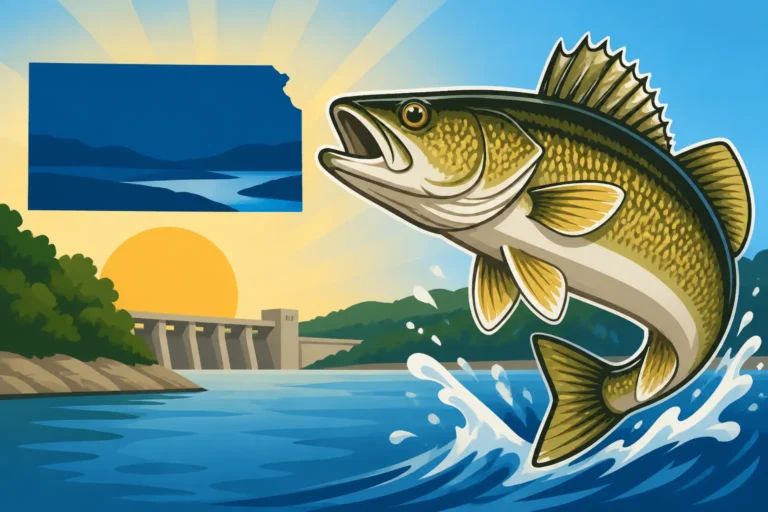
Kanopolis Lake is widely regarded as a premier walleye fishery in Kansas, and for good reason. These elusive predators thrive in the lake's abundant rocky structures and open water flats. During cooler months, especially in early spring and late fall, walleye often hold to deep rocky points, submerged humps, and the dam face. They're constantly on the hunt for baitfish, so areas with good forage are always a safe bet. As the water warms, they'll move to deeper main lake points and humps, often suspended over the old river channel.
Anglers targeting walleye at Kanopolis will find success using a variety of techniques. Trolling crankbaits or spinner rigs along contour lines is incredibly effective for covering water and locating active fish. Jigging spoons or blade baits on deep structure also works well, especially during periods of low activity. Pay close attention to current seams and underwater structure transitions, as these are classic walleye ambush points. Remember to check the Kansas Walleye Length Limits before heading out.
Crappie: Timber, Brush Piles, and Spawning Flats
If you're after crappie, Kanopolis Lake has plenty to offer. Both white and black crappie thrive here, and they are notorious for congregating around submerged timber, brush piles, and any form of vertical structure. In spring, when the water temperatures begin to rise, crappie move into shallow coves and creek arm flats for their annual spawn. During this time, they become much more accessible to anglers, often found around shoreline brush and emergent vegetation.
Throughout the year, crappie can be found scattered around the lake's numerous man-made brush piles and natural timber clusters. These "crappie condos" provide essential cover and feeding grounds. Look for these structures in creek arms and deeper coves on your fish finder. Small jigs, minnows, or a combination of both under a bobber are classic crappie presentations. For a more detailed approach, consider consulting a Kansas Crappie Fishing Guide to fine-tune your techniques. You'll find that during the post-spawn and summer months, crappie often suspend in deeper water over these same structures, requiring a slightly different presentation.
Catfish: River Channels and Deeper Holes
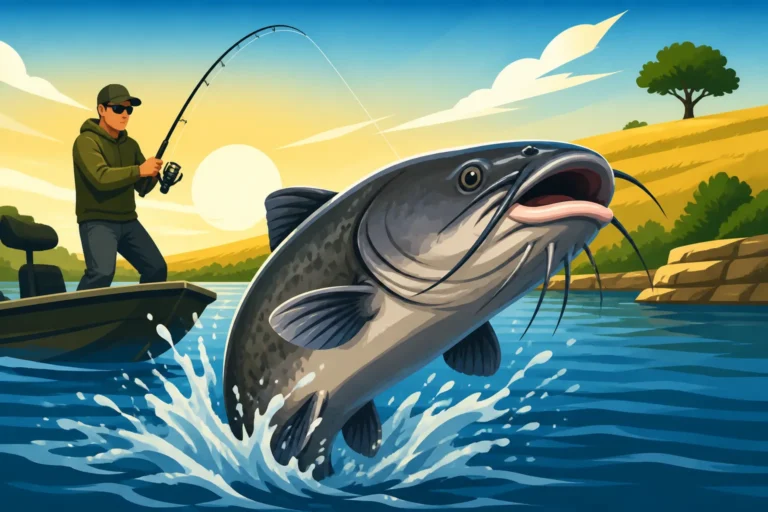
For those who enjoy the thrill of battling a hard-fighting catfish, Kanopolis Lake is a fantastic destination. The lake is home to channel catfish, flathead catfish, and a healthy population of blue catfish, particularly in the lower lake and river sections. Each species has its preferred haunts. Channel catfish are widespread and can be found almost anywhere, from shallow flats to the main lake basin. They are opportunistic feeders and will readily take a variety of baits.
Flathead catfish, on the other hand, prefer live bait and often inhabit deeper holes, log jams, and rocky ledges along the old river channel. The Smoky Hill River arm leading into the lake is a prime area for these solitary giants. Blue catfish, known for their size and power, will often patrol the main lake basin and deeper areas of the river channel, especially around current breaks and drops. For a full breakdown of what to expect, check out our Kansas Catfish Species Guide. Successful catfishing at Kanopolis often involves scouting for these specific structures and setting up lines with fresh cut bait, live shad, or various stink baits.
Top Fishing Spots and Access Points on Kanopolis Lake
Now that we've covered the species, let's dive into some specific locations that have historically produced excellent results at Kanopolis Lake. Knowing these hotspots can save you valuable time on the water.
East Shore Hotspots: Points, Coves, and the Dam Area
The east side of Kanopolis Lake is a treasure trove of fishing opportunities, characterized by its rocky bluffs, numerous coves, and the always-productive dam area. For walleye anglers, the main lake points extending from the east shore, especially those with significant rock or rubble, are prime targets. These points act as highways for migrating baitfish and offer excellent ambush locations for walleye and sometimes even white bass. Trolling crankbaits parallel to these contours, or jigging vertically on their slopes, can yield great results.
The coves along the east shore, such as Horsethief Canyon, are also fantastic, particularly in spring for crappie and bass. These areas warm up faster, drawing baitfish and subsequently, the predatory species. Look for submerged timber or brush piles in these coves. The dam face itself is a perennial hotspot for walleye and catfish, especially during periods of current or when water is being released. Anglers can fish from the riprap or anchor their boats just offshore to target fish holding tight to the rocks. Always exercise caution near the dam, as currents can be strong.
West Shore Wonders: Inlets, Timber, and Creek Beds
The west side of Kanopolis Lake presents a different, yet equally productive, fishing landscape. This side tends to be shallower and features more submerged timber, mudflats, and the inlets of several smaller creek beds. This makes it particularly attractive for crappie, largemouth bass, and channel catfish, especially during the warmer months. Areas like Yankee Run and Willow Creek are known for their extensive timber fields, which provide perfect cover for crappie and bass. Spider rigging with minnows or jigs, or casting spinnerbaits and soft plastics for bass, can be highly effective here.
Further up the west arm, toward the confluence with the Smoky Hill River, you'll find shallower, more stained water. This area is excellent for channel catfish and flathead catfish, particularly in deeper holes and around significant log jams. Bank anglers often find success along the causeways and accessible points on this side, casting out cut bait for catfish or smaller jigs for panfish. When fishing these timber-rich areas, it's wise to use heavier line and be prepared for snags, but the rewards can be well worth the effort.
River Access: Upstream Opportunities on the Smoky Hill
While Kanopolis Lake itself offers fantastic fishing, don't overlook the upstream section of the Smoky Hill River arm. This area, which feeds into the lake, provides unique fishing experiences, especially for white bass during their annual spawning run and for a variety of catfish species year-round. The river channel here is narrower, with more pronounced current, creating different feeding patterns for fish. During the spring, the Kansas White Bass Run Timing can turn this section into a frenzy of activity, with anglers catching dozens of aggressive white bass.
Accessing these river sections can sometimes require a smaller boat or kayak, or simply exploring various public land access points. Look for deeper pools, current breaks, and log jams. For catfish, fishing fresh cut bait or liver in the deeper holes can be incredibly productive. The river offers a different pace of fishing than the main lake, often feeling more intimate and secluded. Always be aware of the changing water levels and currents, especially after significant rainfall.
Strategies for Success: Seasonal Fishing at Kanopolis
Understanding how fish behavior changes with the seasons is crucial for consistent success on Kanopolis Lake. What works in spring might not yield results in summer, and vice-versa.
Springtime Spawns: Crappie and Walleye Madness
Spring at Kanopolis Lake is a time of renewed activity, with fish moving shallow for their annual spawning rituals. As water temperatures climb into the 50s and 60s Fahrenheit, crappie become the star attraction. They push into shallow coves, around submerged brush, and into the sparse emergent vegetation. This is the ideal time for bank anglers and those with smaller boats to target them. Our Kansas Spring Crappie Fishing Tips delves into this in more detail, but generally, small jigs (1/32 to 1/16 oz) in chartreuse, white, or black, tipped with a minnow or a soft plastic body, fished under a bobber, are deadly. Focus on areas that receive good sunlight exposure and are somewhat protected from the wind.
Walleye also begin to stage for their spawn in early spring, moving onto rocky points and dam riprap as water temperatures approach the low 40s to mid-50s. Casting suspending jerkbaits or slowly dragging jigs with plastics or live bait (like nightcrawlers) can be very effective during this period. As the spawn concludes, walleye will spread out, but often remain relatively shallow for a period, feeding aggressively before retreating to deeper haunts. This aggressive post-spawn bite is a prime opportunity for anglers.
Summer Heat: Deep Water and Night Fishing Tactics
When the Kansas summer sun beats down and water temperatures soar, fishing at Kanopolis Lake often shifts to deeper water and nighttime hours. Many species, especially walleye, crappie, and even some bass, will move to the thermocline (the layer of water where temperature changes rapidly) or hold tight to deep structure to escape the heat and find more stable conditions. Trolling deep-diving crankbaits or vertical jigging spoons over submerged humps and the old river channel becomes the go-to strategy for walleye.
Catfish, however, remain active and often become even more so at night. The main lake basin, the lower end of the river arm, and deeper coves are excellent for setting up lines for channel, blue, and flathead catfish. Using a variety of baits, from cut shad and prepared baits to live perch or sunfish, can entice these nocturnal feeders. Night fishing for white bass and crappie under lights can also be incredibly productive during summer, as the lights attract baitfish, creating a feeding frenzy. For more advice on angling during the warmer months, consult a comprehensive Kansas Summer Fishing Guide.
Fall Feeds: Aggressive Angling as Water Cools
As autumn arrives and water temperatures begin to drop, Kanopolis Lake experiences another resurgence of aggressive feeding activity. Fish sense the approaching winter and go on a feeding binge to pack on fat reserves. This makes fall one of the most exciting times to fish. Walleye will move back shallower, often congregating on main lake points, rocky humps, and even shorelines, chasing schools of shad. Trolling crankbaits, casting jigs, or using slip-sinker rigs with live bait can be incredibly effective.
Crappie also become very active in the fall, moving to brush piles and timber in creek arms and coves, often suspending in slightly deeper water than in spring, but still accessible. They will readily hit jigs and minnows. White bass can be found schooling on the surface, chasing baitfish in open water or near points, making for exciting topwater action. Catfish, too, remain active throughout the fall, often holding to river bends and deeper sections of the lake. The cooling water revitalizes all species, making fall a fantastic time to explore the entire lake.
Essential Gear and Boating Considerations for Kanopolis
Having the right gear and understanding the boating dynamics of Kanopolis Lake can significantly enhance your fishing experience. From the rods and reels to navigational tools, being prepared makes all the difference.
Recommended Tackle for Kanopolis Species
For walleye, a medium-light to medium-action spinning rod (6'6" to 7'6") paired with a 2500 or 3000 series reel spooled with 8-10 lb fluorocarbon or braided line is a versatile setup. This allows for casting jigs, working blade baits, and handling crankbaits. For crappie, ultra-light to light action rods (5' to 7') with small spinning reels (1000-2000 series) and 4-6 lb monofilament or fluorocarbon is ideal for feeling those subtle bites. Jigs from 1/32 to 1/8 oz, and small bobbers, are essentials.
Catfish anglers will want sturdier gear. Medium-heavy to heavy action rods (7' to 10') paired with baitcasting reels or larger spinning reels (4000-6000 series) spooled with 15-30 lb monofilament or 30-65 lb braided line are necessary for handling larger fish and heavy weights. A diverse Kansas Fishing Gear Guide can provide more detailed information, but generally, having a selection of hooks (circle hooks for catfish), sinkers, and leader material for different species will serve you well. Don't forget a sturdy landing net, especially if you're targeting those trophy walleye or flathead catfish.
| Species Targeted | Recommended Rod Action | Recommended Reel Size | Line Type & Weight | Primary Baits/Lures |
|---|---|---|---|---|
| Walleye | Medium-Light to Medium | 2500-3000 Spinning | Fluoro/Braid 8-10lb | Crankbaits, Jigs, Spoons |
| Crappie | Ultra-Light to Light | 1000-2000 Spinning | Mono/Fluoro 4-6lb | Jigs, Minnows, Small Plastics |
| Catfish | Medium-Heavy to Heavy | 4000-6000 Spinning/Baitcasting | Mono/Braid 15-65lb | Cut Bait, Live Shad, Stink Bait |
| White Bass | Medium-Light | 2500 Spinning | Mono/Braid 6-8lb | Small Spoons, Spinners, Topwaters |
| Bass | Medium to Medium-Heavy | 3000 Spinning/Baitcasting | Fluoro/Braid 10-17lb | Spinnerbaits, Jigs, Soft Plastics |
Boat Ramps and Navigational Insights
Kanopolis Lake offers several excellent boat ramps, making access convenient for anglers. Popular ramps include those at the Horsethief Canyon area, Lucas Park, and the Kanopolis State Park areas. These ramps are generally well-maintained and suitable for various boat sizes, from small jon boats to larger bass boats. However, always check the current lake levels, as lower water can impact ramp usability, particularly at less developed access points.
Navigating Kanopolis Lake can be straightforward, but like any large reservoir, it has its hazards. Submerged timber, rock piles, and shallow flats can be present, especially away from the main channel markers. A good fish finder with GPS and mapping capabilities is an invaluable tool for safely navigating and identifying productive fishing structures. Pay close attention to buoy markers, especially near the dam and in areas with known underwater hazards. For detailed information on boat registration and safety, refer to the Kansas Boat Registration Guide. If you're new to the lake or prefer the guidance of a local expert, resources like FishingBooker can connect you with experienced Kanopolis Lake fishing guides who know the waters intimately and can help you avoid potential pitfalls while putting you on fish.
Finding Local Expertise and Resources for Kanopolis Lake
Even with the best information, nothing beats local knowledge when it comes to maximizing your fishing success. Kanopolis Lake has a vibrant community of anglers and several resources available to help you further refine your strategies.
Tapping into Local Angler Networks and Reports
One of the best ways to stay on top of the bite at Kanopolis Lake is to connect with local anglers. Bait shops around the lake, such as those in Marquette or Ellsworth, are often fantastic hubs for current fishing reports, bait recommendations, and general advice. These establishments, like the Kanopolis Lake Store, are not just places to buy gear; they're community centers where you can get the real lowdown on what's working and where. Many also have social media pages or bulletin boards where anglers share their experiences and photos, giving you a real-time pulse on the lake.
Online fishing forums and local Kansas fishing groups on platforms like Facebook are another excellent resource. Here, you can ask specific questions, share your own experiences, and learn from seasoned Kanopolis regulars. These informal networks provide a continuous stream of information, from specific lure colors that are producing to recent fish stocking updates. Just remember to always be respectful and share your own insights to keep the community thriving.
Considering a Guided Fishing Trip for First-Timers
For anglers who are new to Kanopolis Lake, or those looking to quickly learn the ropes and target specific species, hiring a local fishing guide can be an incredibly valuable investment. A professional guide not only knows the lake like the back of their hand but also understands the seasonal patterns, preferred baits, and productive techniques that might take years to learn on your own. They can put you on fish, teach you new skills, and provide insights into the lake's unique features.
If you're considering a guided trip, platforms like FishingBooker can be an excellent starting point. They list various licensed guides who specialize in Kanopolis Lake, allowing you to compare their offerings, read reviews from other anglers, and book a trip that aligns with your target species and experience level. A good guide can significantly shorten the learning curve, making your first few trips to Kanopolis much more productive and enjoyable, and transforming a potentially frustrating outing into a memorable fishing adventure.
Disclaimer
Fishing conditions and regulations in Kansas can change. Always consult the official Kansas Department of Wildlife and Parks (KDWP) website or their current fishing regulations summary before heading out. This article is intended for informational purposes only and should not be considered a substitute for official KDWP guidelines.