Can You Buy a Kansas Fishing License at a Bait Shop?
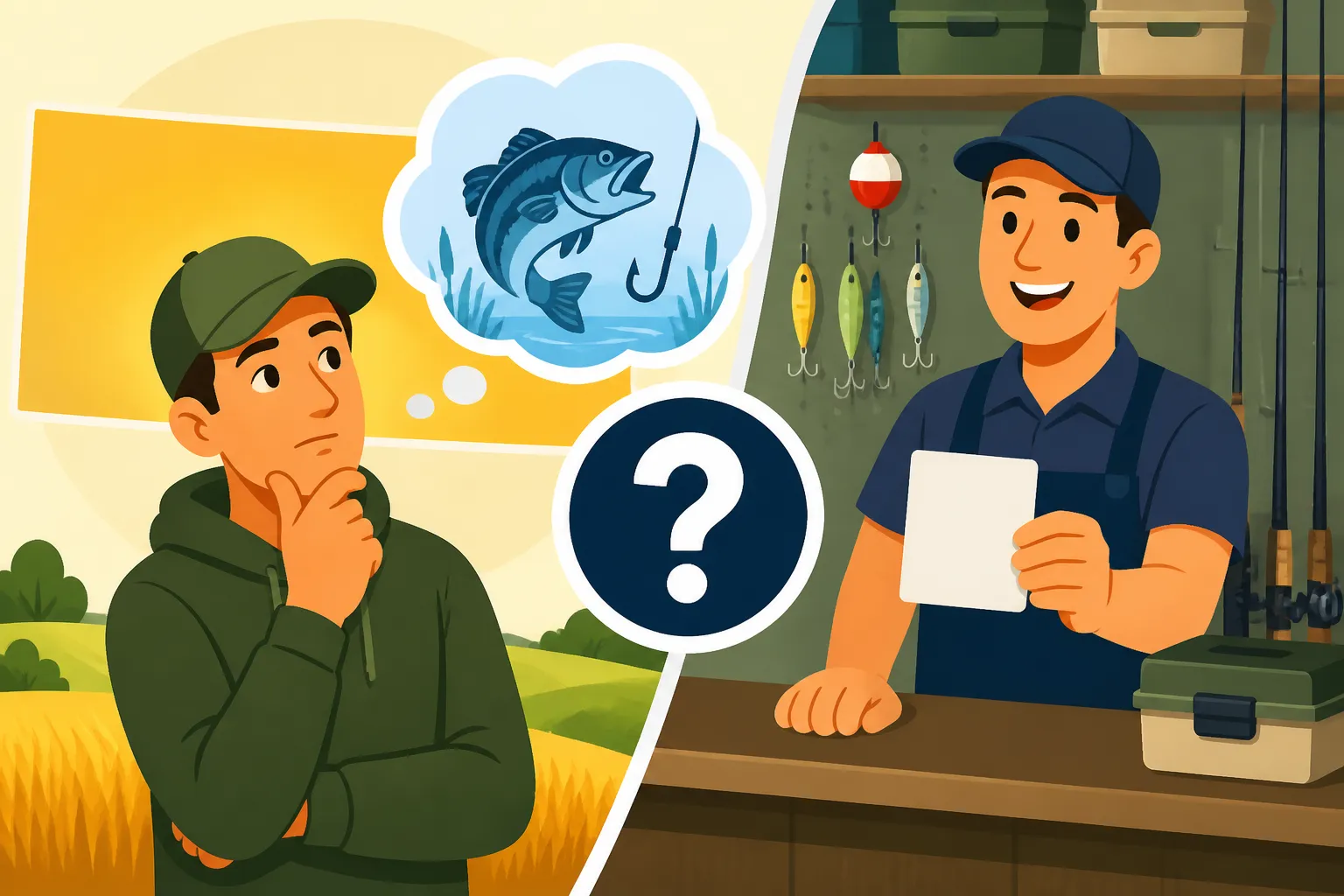
Oh, the classic scenario! You’ve got a spur-of-the-moment fishing trip planned, or maybe you just realized your old license expired, and now you’re wondering where on earth you can quickly snag a new one. It's frustrating when you're ready to hit the water but tangled in paperwork worries. This guide is here to untangle that knot, specifically focusing on whether your local Kansas bait shop can be your savior in securing that essential fishing license.
The Tried and True Bait Shop Method for Kansas Fishing Licenses
When you think about getting ready to fish, the bait shop is often the first place that comes to mind, right? It's where you grab your minnows, stock up on worms, maybe even pick up a new lure or get the latest fishing report. It feels like the natural hub for all things angling. So, it's a huge relief to know that, yes, many bait and tackle shops across Kansas are indeed authorized vendors for the Kansas Department of Wildlife, Parks and Tourism (KDWP) and can issue fishing licenses.
This isn't just a convenient option; it's a cornerstone of the Kansas angling experience. These local shops often understand the urgency when you realize your license is missing just as you’re heading out to the lake. They're part of the fabric of the fishing community, making it easy for both seasoned anglers and first-timers to get what they need without a fuss. It's a testament to the KDWP's efforts to make licenses accessible, recognizing that not everyone has constant internet access or lives near a state park office.
Why Bait Shops Are a Popular Choice
There's a certain charm and practicality to buying your license where you also buy your bait. For starters, it's often a one-stop shop. You walk in, pick up your dozen minnows or a tub of nightcrawlers, and in the same transaction, you can secure your Kansas Fishing License Guide. This saves you valuable time, especially if you're on your way to a fishing spot like Milford Lake or Cheney Reservoir. Imagine getting everything sorted without having to make multiple stops!
Beyond convenience, these shops often offer more than just transactions. The folks working there are usually anglers themselves, full of local knowledge. They can tell you what's biting, what bait is working best, or even where the hot spots are. It's a personal touch you won't get from an online purchase. Plus, supporting these local businesses helps keep the fishing community vibrant, ensuring those small, independent shops continue to thrive.
How to Find an Authorized Bait Shop Vendor
While many bait shops sell licenses, it's always a good idea to confirm before you make a special trip, especially if you're in an unfamiliar area. A quick phone call is usually all it takes. You can also check the KDWP website; they often have a licensee locator tool that lists all authorized vendors by county or zip code. This tool is invaluable for planning, especially when you're traveling across the state for a fishing excursion and need to know Where to Buy a Kansas Fishing License.
Think about driving through a small town in rural Kansas – you might spot a general store or a gas station with a "Bait & Tackle" sign out front. These smaller establishments are often critical points for license sales in areas where larger sporting goods stores might be few and far between. Don't underestimate these unassuming locations; they are often lifelines for anglers.
The Process of Purchasing a License at a Bait Shop
Buying a fishing license at a bait shop is usually a straightforward process, designed to get you on the water as quickly as possible. It's not like getting a passport; it's generally quite informal, but you still need to come prepared with the right information.
What You'll Need to Bring
To make your purchase smooth and quick, you'll want to have a few things handy. First and foremost, a valid form of identification is usually required, like a driver's license or state ID. This helps verify your residency and age, which are crucial for determining the correct Kansas Fishing License Cost by Type. Your date of birth is essential, as certain licenses, like youth or senior discounts, depend on it. For instance, knowing the Minimum Age for a Kansas Fishing License helps the clerk identify if a youth license is needed or if a child is exempt.
You'll also need to know what type of license you want. Are you looking for an annual license, or perhaps a shorter-term option like a one-day or five-day license for a quick trip? If you plan on fishing for trout during the winter stocking season, remember you'll also need a separate Kansas Adult Trout Permit Costs $14.50. The more information you have ready, the faster the transaction will be.
The Actual Purchase Steps
Once you're at the counter, it’s pretty simple. You'll tell the clerk you need a fishing license. They'll ask for your identification and possibly your Social Security number, which is a federal requirement for all hunting and fishing licenses. Don't be surprised by this; it's standard practice. They'll input your information into their system, which is connected directly to the KDWP.
They'll then present you with the various license options and their corresponding costs. Once you select your desired license, you'll pay, and they'll print it out for you right there on the spot. It's usually a small, durable card or a paper printout that you can keep in your wallet or tackle box. Many folks take a photo of it on their phone too, just in case. Remember that Kansas allows you to Can You Show a Digital Fishing License in Kansas? so having that photo is a great backup!
Alternatives to Bait Shops for License Purchase
While bait shops are super convenient, they're certainly not the only game in town. The KDWP understands that people have diverse needs and access, so they've made licenses available through several other channels. It's always good to know your options, especially if you find yourself in a bind or prefer a different method.
Online Purchase: The Digital Lifesaver
For many, buying a Kansas fishing license online is the easiest and most preferred method. You can do it from the comfort of your home, 24/7, even in your pajamas! The KDWP website is user-friendly and allows you to purchase a new license or even complete a Kansas Fishing License Online Renewal in just a few minutes. You'll get a temporary permit immediately that you can print out or save to your phone, and the official license usually arrives in the mail later.
This is particularly useful for planning ahead or if you realize your license is expired late at night before an early morning trip. There's no waiting for a store to open, and you can handle it from anywhere you have an internet connection. It’s certainly a major benefit in our digital age, and something many anglers appreciate for its sheer flexibility.
KDWP Offices and State Parks
If you prefer a face-to-face interaction or have specific questions about Kansas Fishing Regulations Explained, visiting a KDWP regional office or a state park office is another excellent option. The staff at these locations are highly knowledgeable and can assist you with any inquiries you might have about fishing seasons, limits, or specific permits like the Kansas Trout Permit Guide. They can also process your license purchase directly.
While not as widespread as bait shops or online access, these offices offer a level of expertise and direct support that can be invaluable, especially for complex questions or unique situations, such as understanding Kansas Disabled Veteran Fishing License rules or specific exemptions.
Other Retail Locations
Beyond bait shops, you'll often find Kansas fishing licenses available at larger sporting goods stores. Think big box retailers like Walmart or Academy Sports + Outdoors. These stores typically have dedicated customer service desks or sporting goods departments where you can purchase licenses alongside your other outdoor gear. It's worth noting that while these larger stores offer convenience, they might not have the same specialized fishing expertise as a dedicated bait shop.
Sometimes, even general merchandise stores or convenience stores, particularly in smaller communities, might be authorized vendors. Always check for KDWP signage or inquire at the customer service desk. Just remember, while you can pick up your license at many of these places, you might still head over to Amazon to grab any last-minute gear, from a new tackle box to a specialized fishing vest, before your trip. The convenience of mixing and matching how you get your license and gear is pretty sweet!
Different License Types and When You Need Them
Understanding the various types of licenses available is just as important as knowing where to buy them. Kansas offers several options tailored to different demographics and fishing activities. Knowing which one you need will save you time and ensure you're legally covered.
Annual, Short-Term, and Combination Licenses
Most anglers opt for an annual fishing license, which covers you for a full calendar year from the date of purchase. It’s the most cost-effective option if you plan to fish more than a few times a year. However, if you’re just visiting for a weekend or only fish once or twice a year, a Kansas One-Day Fishing License or a five-day nonresident license might be a better fit. These short-term licenses are perfect for vacationers or those testing the waters.
For those who enjoy both hunting and fishing, a Kansas Combination Hunt-Fish License can be a fantastic deal, bundling both permits into one convenient purchase and often offering savings compared to buying them separately. Always consider your outdoor activity plans for the year to pick the most economical and comprehensive option.
Specific Permits and Exemptions
Beyond the general fishing license, Kansas also requires special permits for certain activities. As mentioned, if you're targeting trout, you'll need a separate trout permit, regardless of your regular fishing license status. This is because trout stocking is a specialized program, and the permit fees help fund it. You can learn more about the Kansas Trout Season Runs December 1 to March 31 and specific permit rules to ensure you're ready.
It’s also important to be aware of Kansas Fishing License Exemptions. For example, residents under 16 years old and over 65 (or specific disabled veterans) are often exempt or eligible for reduced-cost licenses. Landowners fishing on their own property might also have exemptions. However, it's critical to verify these exemptions with KDWP, as rules can sometimes have specific conditions. You wouldn't want to get caught without a license simply because you misunderstood an exemption!
Key Considerations for Kansas Anglers
Before you head out, there are a few more things every Kansas angler should keep in mind, regardless of where they bought their license. These tips can save you from potential headaches and ensure a more enjoyable fishing experience. Remember, even after you've bought your license, knowing the rules is paramount. You can always check out the full Kansas Fishing Regulations Explained guide on the KDWP website or pick up a physical copy wherever licenses are sold.
Knowing the Regulations and Limits
A license gets you legal access to the water, but knowing the rules for what you catch is just as crucial. Kansas has specific daily creel limits and length limits for various species like walleye, crappie, and catfish. For instance, there’s a reason Kansas Walleye Minimum Length Limit of 21 Inches exists – it’s to protect breeding fish and ensure healthy populations. Exceeding these limits or keeping undersized fish can result in fines and penalties. It’s not just about compliance; it’s about responsible angling and preserving our natural resources for future generations.
Always check the current KDWP fishing regulations summary before you go, especially if you're targeting a specific species or fishing in a new area. Regulations can change, and what was legal last year might not be this year. This is also where those local bait shop employees come in handy; they often have the latest updates on local conditions and rule changes.
Consequences of Fishing Without a License
It might seem like a small detail, but fishing without a valid license in Kansas can lead to significant penalties. We're talking fines, court costs, and potentially even confiscation of your gear. It's simply not worth the risk. Imagine you're having a fantastic day out on Milford Lake, reeling in some nice crappie, only to have a game warden check your license and find it expired or non-existent. That perfect day can turn sour very quickly.
The KDWP enforcement officers are out there to protect our wildlife and ensure everyone is playing by the rules. Their job is not just to catch offenders but also to educate anglers. However, ignorance of the law is generally not a valid excuse. Make sure you know What Happens If You Fish Without a License in Kansas? so you understand the potential ramifications. It's truly a minor investment for a lot of peace of mind.
The Importance of Supporting Conservation
Every time you purchase a fishing license, you're directly contributing to wildlife conservation efforts in Kansas. The funds generated from license sales go towards vital programs like fish stocking, habitat improvement, public access development, and research. These are the programs that ensure Kansas continues to offer fantastic fishing opportunities for everyone.
So, whether you buy your license at a quaint local bait shop, conveniently online, or at a large sporting goods store, remember that you're not just buying a permit; you're investing in the future of Kansas fishing. It's a small price to pay for the incredible joy and relaxation that fishing provides, and it’s a commitment to keeping our waters healthy and abundant. And hey, while you're thinking about supporting conservation, why not also consider picking up some environmentally friendly lures or fishing line from Amazon to further reduce your impact? Every little bit helps!
Disclaimer
The information provided in this guide is for general informational purposes only and is not intended as legal advice. Fishing regulations and license requirements in Kansas are subject to change. Always refer to the official Kansas Department of Wildlife, Parks and Tourism (KDWP) website or current printed regulations for the most accurate and up-to-date information before engaging in any fishing activities.