How to Fish Muddy Water After Rain
Kansas anglers catch fish after heavy rain by finding clearer water pockets at Milford Lake and Cheney Reservoir.
Match the method to the moment.
Seasonal patterns, proven tactics, rigging and presentation basics, bait choices, and how to adapt as conditions change.
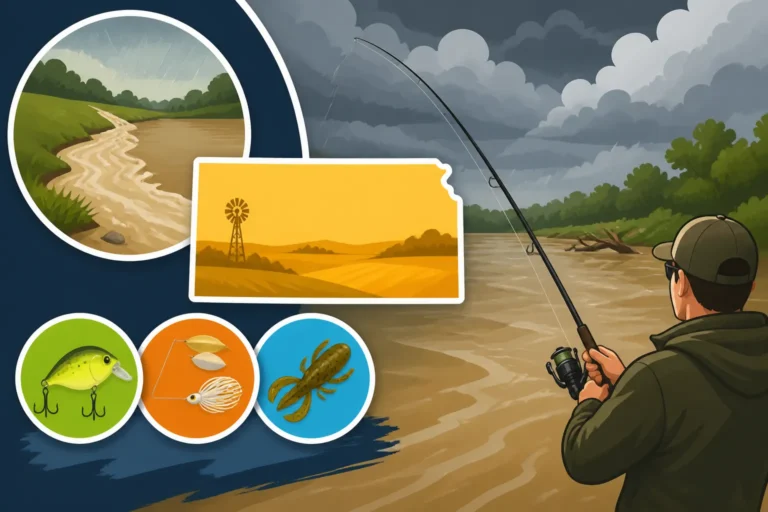
Kansas anglers catch fish after heavy rain by finding clearer water pockets at Milford Lake and Cheney Reservoir.
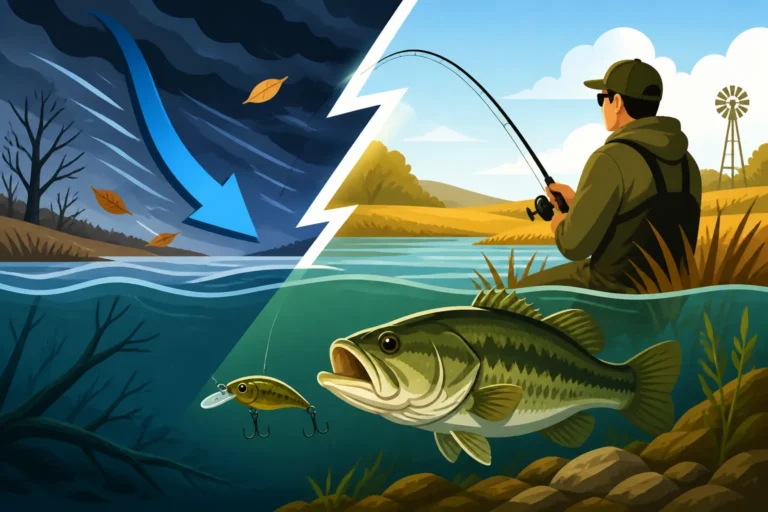
Kansas fish behavior after cold fronts explains barometric pressure swings, water temperature drops, and tactics for finding deep structure.
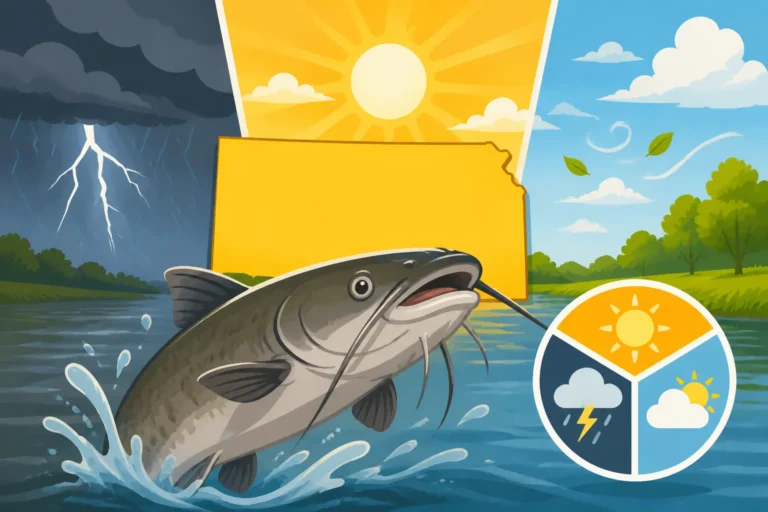
Kansas catfish fishing weather details how barometric pressure, water temperature, and overcast skies trigger feeding activity.
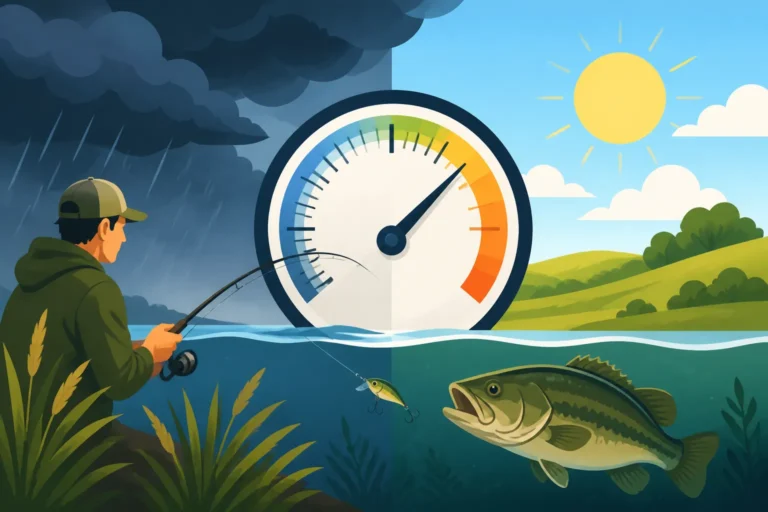
Barometric pressure changes affect Kansas fish behavior through swim bladders, altering feeding habits during high and low pressure systems.
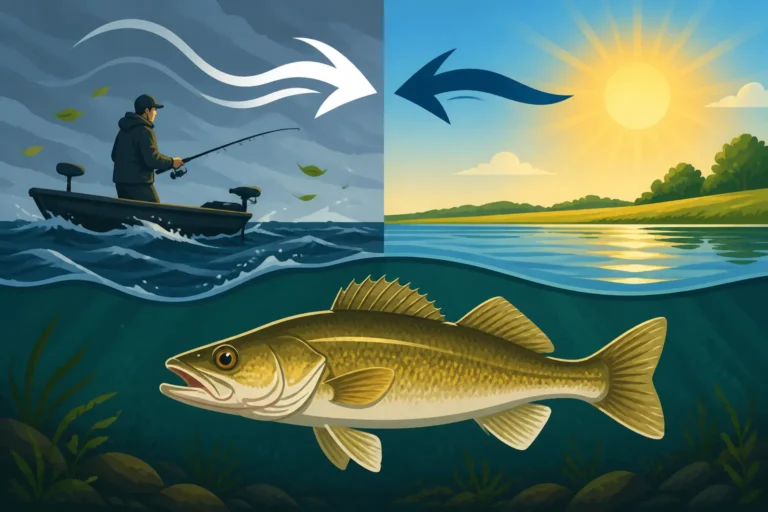
Wind direction and strength impact Kansas walleye locations by creating currents, altering water clarity, and shifting temperatures.
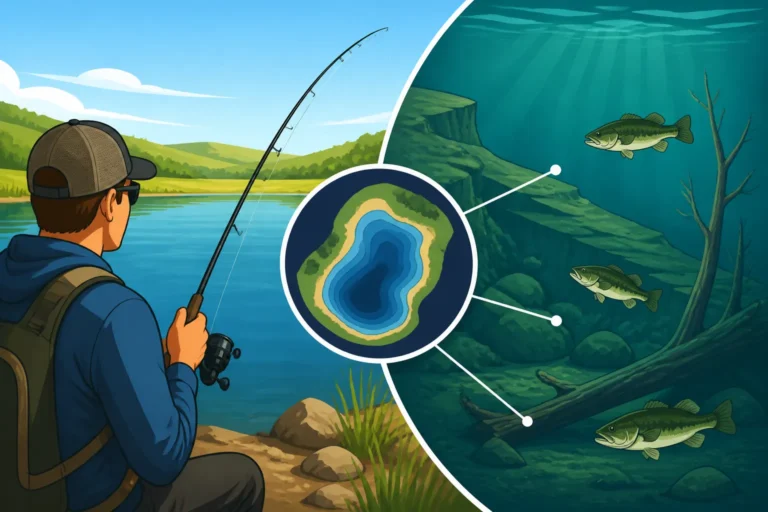
Kansas reservoir structure, including submerged points, humps, and old river channels, helps anglers consistently locate fish.
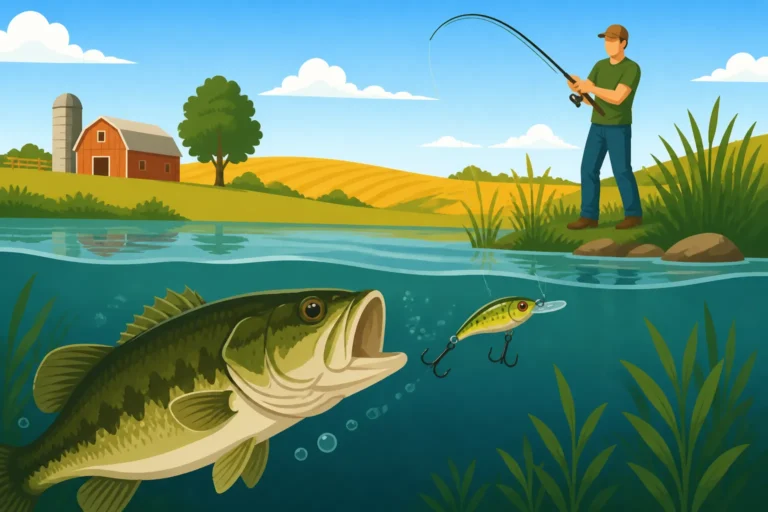
Kansas farm pond fishing strategies, common sport fish like largemouth bass, and basic gear for catching channel catfish.
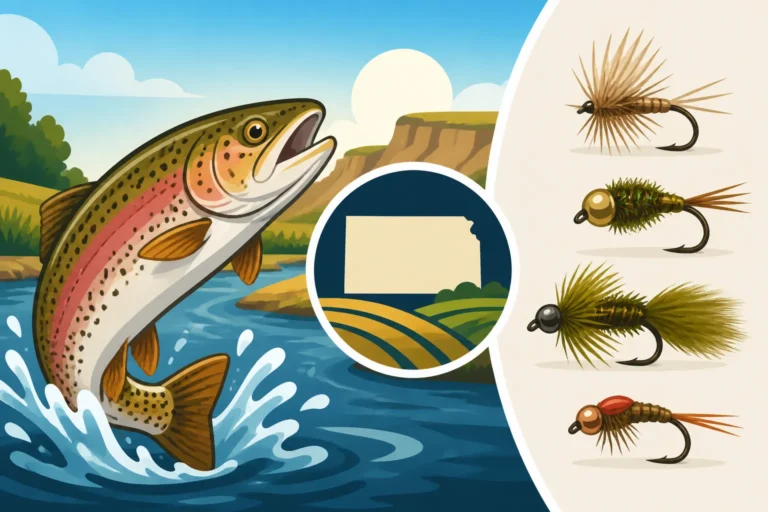
Kansas trout waters and seasonal stocking schedules determine the best fly patterns for successful winter and spring angling.
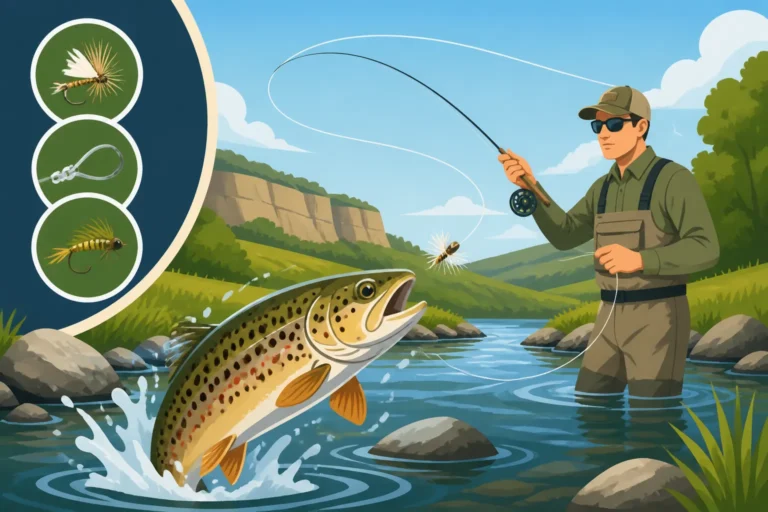
Kansas trout fishing offers rewarding prairie opportunities using specific permits, stocking schedules, and gear tips for anglers.
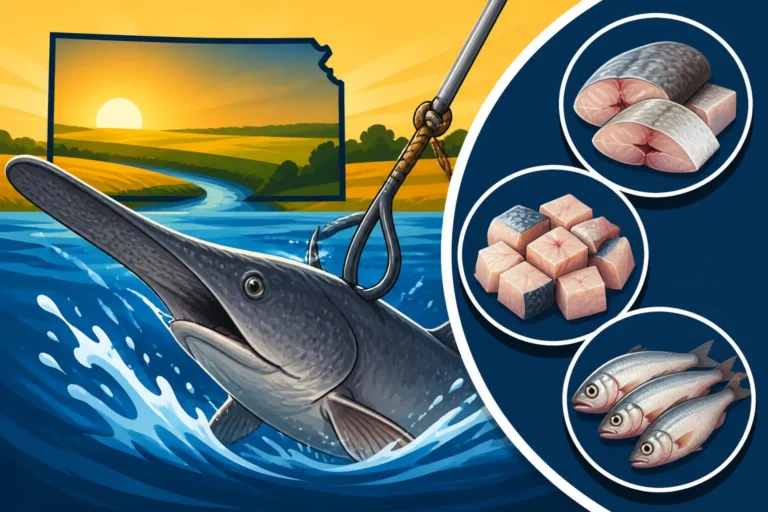
Paddlefish filter feed on plankton in Kansas rivers, meaning anglers must use heavy tackle and treble hooks for snagging.