Best Weather for Catfish Fishing in Kansas
There's nothing quite as frustrating as heading out to your favorite Kansas fishing spot, tackle box in hand and high hopes in your heart, only to spend hours with barely a nibble. We've all been there, staring at an unmoving bobber, wondering what went wrong. When it comes to chasing those whiskered warriors, the weather isn't just a minor detail—it's often the deciding factor. This guide is all about cracking the code of the best weather for catfish fishing in Kansas, helping you understand how atmospheric conditions, temperature, and even wind can turn a slow day into a banner one.
Understanding Catfish Behavior and Weather
Catfish are fascinating creatures, and unlike some other game fish that can be finicky, they often become more active under certain conditions that might deter other anglers. The key is knowing what to look for and how to interpret the signals nature sends. It's not just about sunshine or rain; it's about the subtle shifts that drive their feeding instincts.
How Barometric Pressure Influences Catfish
Think of barometric pressure as the invisible hand of the atmosphere, subtly influencing everything from our own moods to the feeding patterns of fish. When the pressure is high and stable, fish often feel a bit "compressed" and might hang deeper, becoming less active. This is your classic bluebird sky day – beautiful for a picnic, sometimes tough for fishing.
However, it's the changes in barometric pressure that truly get catfish moving. A falling barometer, often signaling an approaching storm front, is frequently a golden ticket. As the pressure drops, fish often feel a sense of urgency to feed. It’s almost as if they know a big weather event is coming and want to fill their bellies beforehand. This is a prime time to be on the water. Conversely, a rapidly rising barometer after a storm can sometimes put them off the bite for a bit as they adjust. Paying attention to these shifts can give you a significant advantage, and many anglers even carry small barometers or use fishing apps to track these trends.
The Role of Temperature in Catfish Activity
Temperature plays a monumental role in the life of a catfish. Like all cold-blooded creatures, their metabolism is directly tied to the water temperature. In Kansas, where temperatures can swing wildly, understanding this connection is crucial. Generally, catfish are warm-water fish. They thrive and become most active when water temperatures are comfortably warm, typically in the 70s and low 80s Fahrenheit. This is when their digestion is efficient, and they need to feed regularly.
During colder months, such as winter, their metabolism slows significantly, and they become much less active, often retreating to deeper, more stable water. You can still catch them, but it requires different tactics. In the spring, as water temperatures rise, catfish begin to stir, moving shallower to feed and eventually to spawn. This warming trend, especially after a period of stability, can trigger aggressive feeding. Similarly, in the fall, as water temperatures slowly cool, catfish go on a feeding frenzy to put on weight for the upcoming winter. Knowing the optimal temperature ranges for different catfish species can significantly improve your odds. For example, blue catfish often prefer slightly cooler, well-oxygenated water compared to channel catfish, which are incredibly adaptable to a wide range of temperatures.
Ideal Weather Conditions for Catfish Fishing
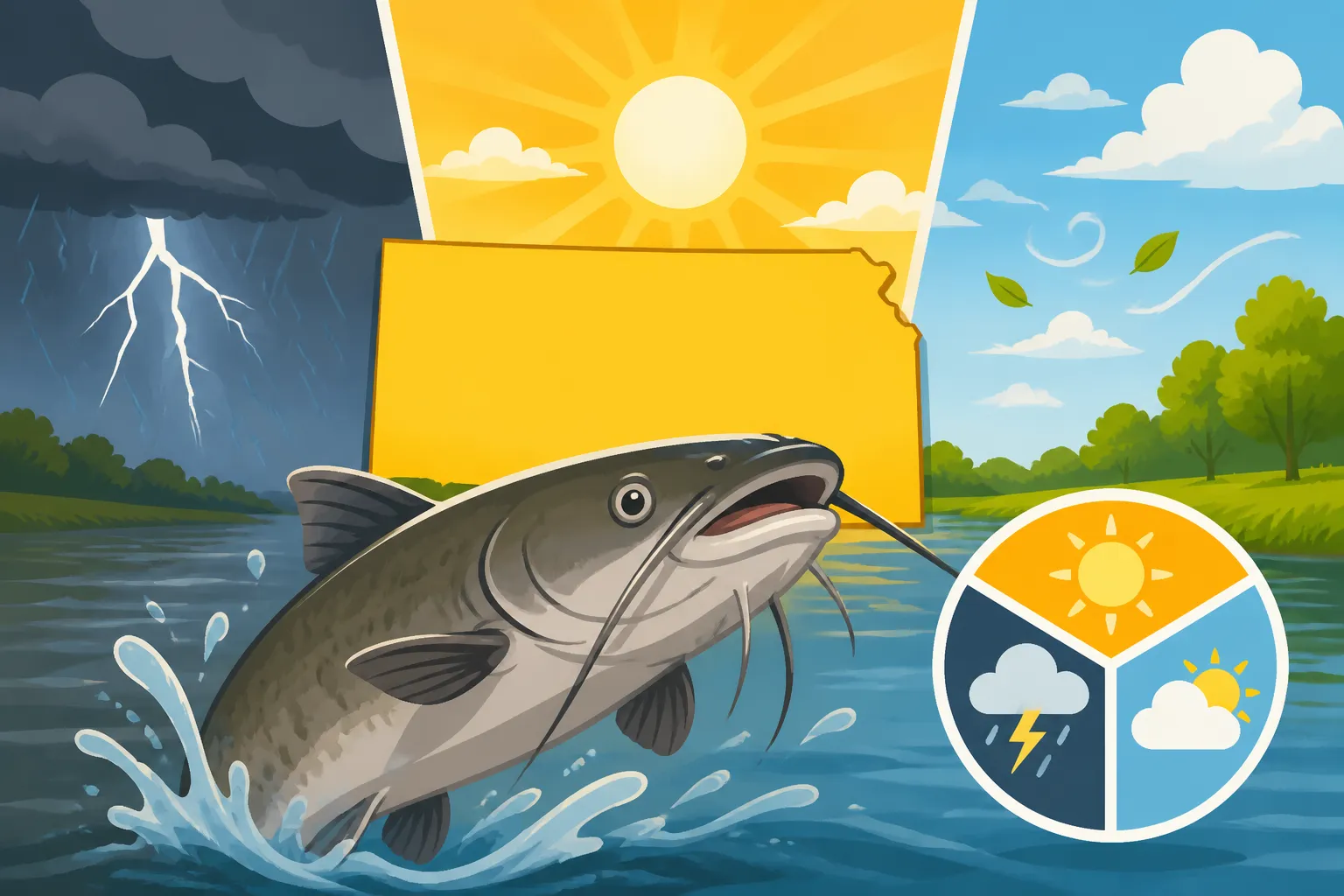
Forget the old adage that you only fish when the sun shines. For catfish anglers in Kansas, some of the "ugliest" weather can be the most beautiful for landing a trophy. Catfish don't have the same visual dependency as many other game fish; they rely heavily on their sense of smell and touch, which means less light doesn't bother them as much.
Overcast Skies and Light Rain: A Catfish Angler's Dream
If there's one weather condition that consistently spells success for catfish anglers, it's a day filled with overcast skies and, even better, a light, steady rain. There are several reasons why this combination is so potent. First, the reduced light penetration makes catfish feel more comfortable moving out from cover and into shallower feeding areas throughout the day. They're less wary of predators and feel bolder in their search for food.
Second, light rain directly impacts the water. It can create subtle currents, which catfish use to detect scent trails from their prey. More importantly, rain washes nutrients, insects, and small organisms from the land into the water, especially in feeder creeks and along shorelines. This influx of potential food creates a buffet line for catfish, drawing them into these areas. Imagine a warm, cloudy day with a gentle drizzle—the perfect scenario for Kansas Catfish Fishing Techniques. Just remember to check the Kansas Catfish Daily Limits before you head out!
Post-Frontal Fishing: Navigating the Challenges
While a falling barometer before a storm is fantastic, the period after a strong cold front passes can be notoriously tough. The skies often clear, the wind might shift, and the barometric pressure rises sharply and stabilizes. This abrupt change can put fish into a funk, making them lethargic and less willing to bite. They might scatter, move to deeper water, or simply shut down their feeding activity.
However, "tough" doesn't mean "impossible." Success in post-frontal conditions often requires a different approach. You might need to slow down your presentation considerably, using smaller baits or dead sticking techniques. Targeting deeper areas where fish might be hunkering down is also a good strategy. Look for subtle structure changes in deeper water or areas with more stable temperatures. Sometimes, waiting a day or two after the front has fully passed, allowing the fish to acclimate to the new conditions, can drastically improve your luck. Patience, and a willingness to adapt, are your best friends during these challenging times.
Wind and Water Conditions for Catfish Success
Wind might seem like a nuisance to many anglers, but for those targeting catfish in Kansas, it can be a valuable ally. It churns the water, affects visibility, and even concentrates food sources, all of which can work in your favor if you know how to leverage them.
How Wind Creates Feeding Opportunities
Wind isn't just moving air; it's a force that actively shapes the aquatic environment and creates prime feeding opportunities for catfish. When a consistent wind blows across a lake or reservoir, it pushes surface water towards a specific bank, creating what's known as a "wind-blown" or "current" bank. This current stirs up the bottom, dislodging food particles, and pushes baitfish and other organisms into these areas. Catfish, being opportunistic feeders, will often stage on or near these wind-swept banks, waiting for an easy meal.
Imagine fishing a large body of water like Milford Lake. If a steady south wind has been blowing for a day, the northern banks will likely be the most active. The increased turbidity from the wind also helps camouflage your presence, making catfish less skittish. Using a sensitive rod and reel combo, like the ones you might find on Amazon, can help you detect subtle bites in these active, wind-driven zones. Just be mindful of your boat control if you're out on the water, as strong winds can make anchoring or drift fishing a challenge.
Muddy Water vs. Clear Water: What Catfish Prefer
Unlike sight-feeding species that struggle in murky conditions, catfish often thrive in turbid or muddy water. Their highly developed senses of smell and touch (through their barbels) are perfectly adapted for locating food in low-visibility environments. In fact, clear water can sometimes make catfish more wary, especially during daylight hours, as they feel more exposed.
Muddy water, often a result of heavy rains or strong winds stirring up the bottom, spreads the scent of potential prey over a wider area, making it easier for catfish to track down their next meal. This is why some of the most successful catfishing trips happen after significant rain events that muddy up rivers like the Kansas River or the inflows of reservoirs. When the water turns a chocolate milk color, don't despair—it's time to break out the stink baits or cut bait. For bank anglers, fishing around inflows or areas where run-off enters the lake can be incredibly productive, as these areas concentrate both food and scent. Remember to use strong, pungent baits when fishing in these conditions, as the strong scent is key to attracting fish. Need a refresher on bait? Check out our guide on the Best Bait for Kansas Catfish.
Seasonal Considerations for Catfish Weather
Kansas experiences four distinct seasons, and each brings its own weather patterns and, consequently, its own set of challenges and opportunities for catfish anglers. Understanding these seasonal nuances is vital to consistent success.
Spring Catfish: Pre-Spawn and Rising Waters
Spring in Kansas is a time of awakening, and catfish are no exception. As ice melts and water temperatures gradually rise, usually into the 50s and 60s, catfish shake off their winter lethargy and begin to feed aggressively in preparation for the spawn. This pre-spawn period is often one of the best times to target large catfish. Look for warming trends after cold snaps, especially those accompanied by light rain or overcast skies.
Rising water levels due to spring rains can also be highly productive. As floodwaters push into shoreline vegetation, they create new feeding grounds rich with worms, insects, and other organisms. Catfish will follow these rising waters into flooded timber and shallow flats. Targeting areas where new inflows enter lakes and rivers, or fishing the edges of newly submerged cover, can yield excellent results. This is when you'll often find them cruising shallower areas, making them more accessible to bank anglers. If you're wondering How to Catch Channel Catfish From the Bank, spring high water events are fantastic opportunities.
Summer Catfish: Night Fishing and Storm Fronts
Summer brings the warmest water temperatures, and while catfish are warm-water fish, extreme heat can sometimes push them into deeper, cooler, and more oxygenated waters during the day. However, summer also offers incredible opportunities, especially during the twilight hours and after dark. Best Time to Catch Catfish at Night is a common strategy when the sun bakes the Kansas landscape. As the sun sets and temperatures drop, catfish become much more active, moving into shallower feeding grounds they might avoid during the heat of the day.
Pop-up thunderstorms or cold fronts during the summer, particularly if they bring a drop in barometric pressure, can also ignite a feeding frenzy. Just remember to prioritize safety when fishing during active storms. The period immediately following a summer storm, as the pressure stabilizes and rain washes new food into the water, can also be fantastic. Many anglers swear by fishing just before or just after these summer weather events, capitalizing on the temporary shifts that make catfish more aggressive. A good lantern, perhaps one you picked up on Amazon, is essential for those late-night sessions!
Fall Catfish: Feeding Frenzy Before Winter
As summer wanes and the crisp air of autumn descends upon Kansas, catfish enter another prime feeding period. Water temperatures begin to cool, signaling the fish to bulk up for the lean winter months ahead. This makes them incredibly aggressive and willing to chase down a meal. Stable fall weather, with cooler days and consistent temperatures, is ideal.
Catfish will often hold in deeper channels or near drop-offs during the day, moving into shallower flats, humps, and points to feed during dawn, dusk, and even throughout overcast days. The key here is consistency. Find structure, find baitfish, and you'll likely find actively feeding catfish. This is a time when they are less finicky about bait and more focused on quantity. Think about using larger baits or setting multiple lines (within legal Kansas Catfish Daily Limits) to cover more water. This is also a fantastic time to use a more robust setup, like the Best Rod and Reel Combo for Catfish, to handle those big fall bruisers. You can learn more about general timing in our Kansas Fishing Seasons Guide.
Conclusion: Making Every Trip a Success
Understanding the best weather for catfish fishing in Kansas isn't about perfectly predicting every fish's move, but about stacking the odds in your favor. It's knowing that those cloudy, breezy days with a hint of rain might be the best time to drop everything and hit the water, or that a falling barometer signals a pre-storm feeding spree. By paying attention to barometric pressure, water temperature, wind direction, and seasonal shifts, you'll spend less time waiting and more time reeling in those hard-fighting Kansas catfish. Don't be afraid to experiment, adapt your tactics to the conditions, and embrace the "bad" weather that often brings the best bites. Good luck out there, and tight lines!
Disclaimer
This article is for general informational purposes only and does not constitute professional advice. Laws, prices and regulations vary by location and change over time. Consult a qualified professional for guidance on your specific situation.