How to Fish After a Cold Front in Kansas
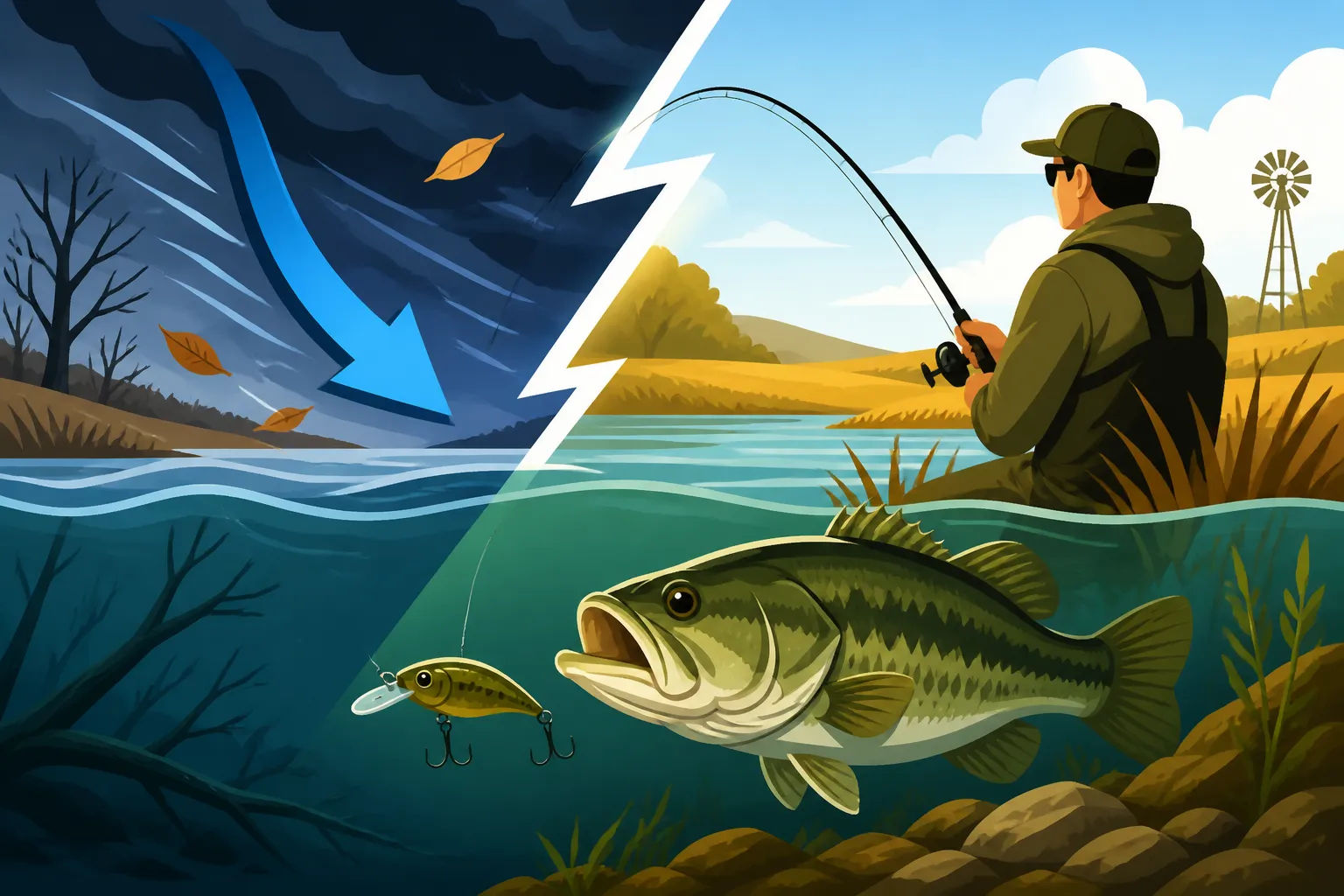
Oh, the dreaded cold front! If you've spent any time fishing in Kansas, you know that feeling. One day, the fish are biting like crazy, everything is perfect. The next, a cold front blows through, the wind whips up, and suddenly, it feels like the fish have packed their bags and moved to another state. It's incredibly frustrating to go from a hot bite to absolutely nothing, leaving you wondering if you've lost your touch. But don't despair! This guide is all about understanding what happens to Kansas fish after a cold front and, more importantly, how you can adjust your tactics to still find success, even when the conditions are less than ideal.
The Science Behind the Slump: How Cold Fronts Impact Fish Behavior
Before we dive into how to catch fish after a cold front, it’s really helpful to understand why they shut down in the first place. It’s not just a myth; cold fronts genuinely mess with a fish's comfort zone and their natural instincts. Knowing the underlying reasons helps us predict their behavior and adjust our approach accordingly.
Understanding Barometric Pressure Swings and Their Effect
One of the biggest culprits behind the post-front funk isn't just the cold, but the rapid change in atmospheric pressure. Before a cold front, the barometric pressure often drops, which is usually when you see a phenomenal bite. Fish feel more comfortable, their swim bladders are less compressed, and they're generally more active. Then, the front hits, and the pressure spikes significantly.
This sudden increase in pressure can be really uncomfortable for fish. Imagine feeling a sudden, intense squeeze – that’s a bit what it’s like for them. Their swim bladders, which help them maintain buoyancy, are highly sensitive to these changes. When the pressure goes up, it can cause discomfort, making them seek deeper water where the pressure is more stable. They become lethargic, less inclined to move or feed aggressively. They're basically hunkering down, trying to weather the change. This is why understanding Does Barometric Pressure Affect Kansas Fishing? can be a game-changer for your strategy.
Water Temperature Drops and Fish Metabolism
Beyond the pressure, the drop in water temperature is another significant factor. Cold fronts bring colder air, which quickly chills surface water, especially in shallower areas. Fish are cold-blooded creatures, meaning their body temperature is regulated by their environment. When the water temperature drops, their metabolism slows down considerably.
Think of it like us trying to run a marathon on an empty stomach in freezing weather – we’re not going to be at our peak performance, and we’re certainly not going to be sprinting around looking for a huge meal. Fish become less active, their digestion slows, and they require less food. This means they're not going to expend a lot of energy chasing down a fast-moving lure. They're more likely to hold tight to cover or structure, waiting for an easy meal to come to them. This is a critical consideration when you’re learning How to Catch Fish in Cold Water in Kansas, as typical tactics often need a complete overhaul.
Location, Location, Location: Where to Find Post-Front Fish
Once you understand why fish are acting weird, the next logical step is figuring out where they've gone. After a cold front, fish don't just vanish; they relocate to areas that offer more comfort, stability, and security. Your job as an angler is to find these new havens.
Targeting Deep Structure and Transition Areas
When the water chills and the pressure rises, many fish species will retreat to deeper water. This isn't just about seeking warmer water (though that's a part of it), but also about finding more stable barometric pressure and less disruption from wind and waves. Look for obvious depth changes, like creek channels that snake through a reservoir, humps, ledges, or main lake points that drop off steeply into deep water.
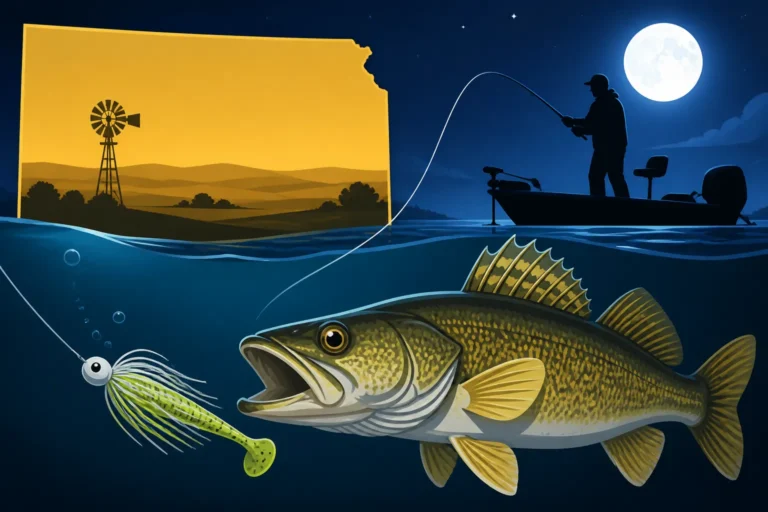
These transition zones are key because fish can move between depths relatively easily as conditions change. For example, walleye are notorious for moving to deep rock piles or the thermocline (if one exists) after a front. Using your fish finder to identify these deep structures is invaluable. Modern fish finders, even budget-friendly options you can find on Amazon, can show you subtle depth changes and even individual fish holding tight to the bottom. Knowing How to Fish a Drop-Off for Walleye can be incredibly effective here, as these areas provide a perfect ambush point for lethargic fish.
Seeking Out Cover and Shelter
While some fish head for the deep, others, particularly species like crappie and bass, will seek out dense cover. This cover offers both protection from predators and a slight thermal advantage, as submerged timber or brush piles can absorb and retain a bit more heat. Look for standing timber in deeper water, submerged brush piles, rock formations, or even man-made structures like boat docks with significant depth underneath.
These spots provide a sense of security for fish that are feeling vulnerable and inactive. Crappie, in particular, will often bury themselves deep within a brush pile after a front, only venturing out for the easiest meal. For these situations, precise bait placement and a patient approach are crucial. Mastering How to Jig for Crappie in Rocky Cover means you can effectively present your lure right in their living room, enticing a bite from an otherwise unwilling fish.
The Uncommon Shallow Bite: Brief Opportunities
Now, I know I just said fish go deep, but here's a curveball: sometimes, days after a cold front, if you get a few consecutive days of bright sunshine and calm winds, you might find a brief shallow bite. This typically happens in very protected coves or shallow flats that warm up rapidly under the sun's influence. It's not a consistent pattern, but it's worth keeping in your back pocket, especially later in the day when the sun has had maximum impact.
This can be particularly true for panfish or even some bass that are opportunistically moving up to feed on anything that might be stunned by the cold. It's a riskier play, but if the deep bite isn't happening and you've got persistent sunshine, a quick check of a sunny, protected flat might surprise you. Understanding When Crappie Move Shallow in Kansas can sometimes apply here, although post-front movement is usually slower and more deliberate.
Finesse Over Force: Adjusting Your Presentation and Bait
Once you've located where the fish might be hiding, the next step is to convince them to bite. After a cold front, aggressive tactics rarely pay off. This is the time to embrace finesse, slow movements, and enticing presentations.
Slowing Down Your Retrieve and Downsizing Your Baits
This is perhaps the most critical adjustment you can make. Forget power fishing with fast retrieves and big baits. Post-front fish are sluggish; they're not going to chase anything down. Your retrieve needs to be painstakingly slow, almost painfully so. Think subtle twitches, long pauses, and barely perceptible movements.
Along with slowing down, consider downsizing your baits. Smaller jigs, tiny soft plastics, and compact spoons are often more effective. A small, subtle offering that lingers in the strike zone is much more appealing than a large, fast-moving meal they have to work for. A small jig tipped with a piece of live bait can be deadly. When the bite is tough, these finesse tactics are key to getting a reaction, making them excellent Kansas Fishing Techniques for Beginners to master early on.
Opting for Live Bait or Natural Presentations
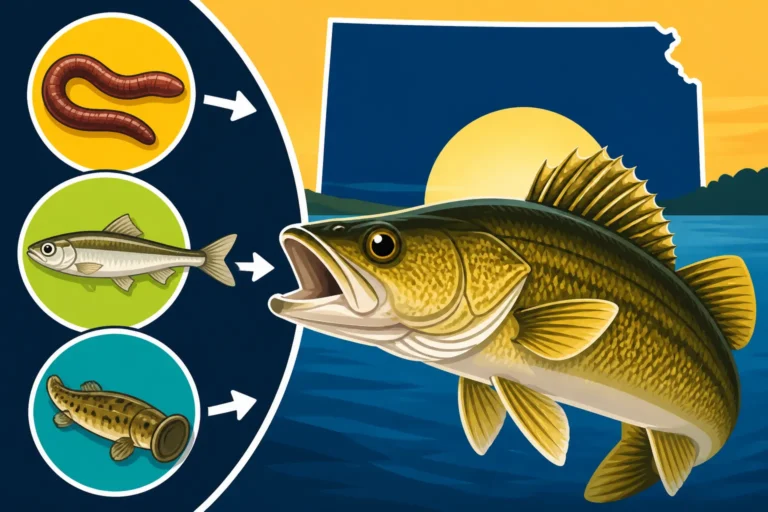
While artificial lures can still work, live bait often has an undeniable advantage after a cold front. The natural scent, movement, and taste of a live minnow, worm, or piece of cut bait can trigger a strike from a fish that would ignore an artificial offering. Remember, fish are lethargic and looking for an easy meal with minimal effort.
If you're targeting crappie or walleye, a lively minnow suspended under a bobber or on a slow-trolled rig can be incredibly effective. For catfish, a fresh piece of cut bait on the bottom, allowing its scent to disperse, is often a winner. You can often find a good selection of live bait and tackle, including specialized cold-water baits, on Amazon, making it easy to prepare for these tougher conditions. Consider what you’re using for Best Bait for Kansas Crappie or Best Bait for Kansas Catfish and whether a natural alternative might be more successful.
Line and Terminal Tackle Considerations
Every little detail matters when the bite is tough. After a cold front, consider lightening your line and using smaller, sharper hooks. Lighter line means less visibility in the water and a more natural presentation for your bait. It also allows for greater sensitivity, helping you detect those incredibly subtle bites that post-front fish often deliver.
Fluorocarbon leader material is excellent for its low visibility and abrasion resistance. Pair it with small, razor-sharp hooks that penetrate easily, as fish might just mouth the bait gently. Also, think about your sinker weights. Use just enough weight to get your bait down to the desired depth, but no more, to maintain that natural, slow fall. Sometimes even going down one pound in line strength, like adapting your typical Best Line Weight for Kansas Walleye to a slightly lighter option, can make all the difference.
The Patience Game: Timing Your Attack After a Front
Even with the right location, bait, and presentation, fishing after a cold front often boils down to one thing: patience. The fish aren't on an aggressive bite, and you'll likely need to work harder for fewer strikes.
Mid-Day Warm-Ups and Optimal Windows
Often, the best bite after a cold front won't be at dawn or dusk. Instead, the middle of the day, especially from late morning to mid-afternoon, can be prime time. This is when the sun has had the most opportunity to penetrate the water, potentially raising the temperature by a degree or two in key areas. These slight temperature increases can be enough to spur a short feeding window.
For bank anglers, fishing sunny, protected banks during these mid-day hours can be more productive than hitting the exposed main lake at sunrise. For boat anglers, focusing on those deep structures but timing your visit for the warmest part of the day could yield better results. This contradicts typical wisdom about Best Time of Day to Fish in Kansas, but post-front conditions demand a different mindset.
Extended Waiting Periods: Don't Give Up Too Soon
It's tempting to get frustrated and pack up after an hour of no bites. However, after a cold front, the fish might only feed for very short, sporadic periods. You might need to sit on a productive spot for an extended time, making multiple casts or passes, before you get a single bite. Persistence is truly key. Don't be afraid to sit patiently, maybe even moving just a few feet and trying again.
Sometimes, it takes a few days for the weather pattern to stabilize and for the fish to truly reset. If you hit the lake immediately after a front, understand that the bite will be tough. Coming back a day or two later, after the water has had a chance to stabilize and perhaps warm slightly, can often make a big difference.
Embracing the Challenge and Learning
Fishing after a cold front isn't easy, and that's okay. It’s actually one of the best times to hone your skills as an angler. Every fish you catch under these tough conditions feels like a genuine accomplishment. It teaches you patience, observation, and the importance of adapting. Don't get discouraged; instead, view it as a puzzle to solve. The anglers who consistently catch fish are often those who can effectively adapt to challenging conditions, not just fair-weather fishermen.
Here's a quick comparison of strategies to help you visualize the shift:
| Strategy Aspect | Pre-Front Conditions | Post-Front Conditions |
|---|---|---|
| Fish Location | Shallow flats, aggressive schooling, active migration | Deep structure, dense cover, stable depths |
| Barometric Pressure | Falling, stable low | High, rising |
| Water Temperature | Warming, stable | Dropping, unstable |
| Retrieve Speed | Fast, aggressive | Slow, methodical, long pauses |
| Bait Size | Larger, more attention-grabbing | Smaller, finesse, natural profile |
| Bait Type | Artificial lures, reaction baits | Live bait (minnows, worms), subtle plastics |
| Line & Hooks | Standard gear | Lighter line, smaller, sharper hooks |
| Fishing Depth | All depths, especially shallow | Deeper water, bottom-hugging |
| Time of Day | Dawn/Dusk often best | Mid-day warm-up windows often best |
| Patience Level | Medium to High | Very High – expect fewer, subtle bites |
Disclaimer
This article is for general informational purposes only and does not constitute professional advice. Laws, prices and regulations vary by location and change over time. Consult a qualified professional for guidance on your specific situation.