Best Boat for Small Kansas Ponds
Many Kansas anglers yearn to explore those quieter, often hidden gems – the countless small ponds that dot our state's landscape, far from the bustling boat ramps of our major reservoirs. But getting your gear and yourself onto these smaller, often shallower, and sometimes hard-to-access waters presents a unique challenge. This comprehensive guide will walk you through everything you need to know about choosing the best boat specifically designed for navigating and fishing small Kansas ponds, ensuring you can access those tranquil waters and elusive catches with confidence.
Understanding Small Ponds in Kansas
Small ponds offer a vastly different fishing experience than the sprawling reservoirs like Milford Lake or Cheney Reservoir. They are often more intimate, less pressured, and can hold some surprisingly large fish if managed well. But their unique characteristics demand specific considerations when it comes to watercraft.
Defining "Small Pond" in Kansas Fishing Context
When we talk about "small ponds" in Kansas, we're not typically referring to massive impoundments like Perry Lake or even mid-sized state fishing lakes. Instead, our focus is on those more intimate water bodies, often less than 20-30 acres, that dot the rural and even suburban landscape. These can range from a cattle pond on a private farm to a small community fishing lake within city limits, or even a tucked-away overflow pond near a larger reservoir. Their smaller size often means less boat traffic, calmer waters, and a sense of peaceful seclusion that's hard to find on larger, more popular destinations.
These waters are frequently shallower than their larger counterparts, often with average depths of only 5-15 feet, though some may have deeper pockets. This shallow nature means water temperatures can fluctuate more rapidly, influencing fish behavior. You'll often find a healthy mix of species well-suited to these environments, such as channel catfish, largemouth bass, various panfish like bluegill and crappie, and sometimes even a few elusive flatheads. The accessibility, or lack thereof, is often a defining characteristic; you might be launching from a mowed bank, a short dirt path, or even a steep incline, which immediately rules out large, heavy boats requiring extensive ramp access.
The charm of these small ponds lies in their promise of consistent action, especially for family outings or those learning the ropes of fishing. They offer a unique opportunity to target specific species without the overwhelming vastness of a major lake. Many seasoned anglers cherish these spots for their tranquility and the challenge of figuring out patterns in a contained ecosystem. And remember, before you cast a line, always ensure you understand the local regulations and landowner permissions, as different rules might apply than on large public waters. Is a License Required to Fish Farm Ponds in Kansas? is a common question, and it's always best to be informed by a Kansas Fishing License Guide.
Common Challenges of Fishing Small Ponds
While small ponds offer a serene escape, they come with a distinct set of challenges that larger bodies of water don't always present. Foremost among these is often access. You might find yourself needing to transport your boat a considerable distance from where you can park your vehicle. This could involve navigating through tall grass, across uneven terrain, or even through dense brush, making a heavy, cumbersome boat completely impractical. Imagine wrestling a 16-foot bass boat through a cow pasture – it's simply not happening! This immediate hurdle emphasizes the need for a highly portable and manageable craft.
Another significant challenge is the prevalence of shallow water and dense vegetation. Many small ponds in Kansas, especially during late summer, can become choked with lily pads, submerged weeds, or emergent grasses. A boat with a deep draft or a powerful prop-driven outboard motor will quickly get bogged down, stir up sediment, or even damage its propeller. This environment necessitates a boat that can either glide over weeds, be easily propelled with a paddle or trolling motor through lighter cover, or navigate extremely shallow depths without grounding. It's a delicate dance between finding fish habitat and avoiding becoming stuck.
Finally, the confined nature of small ponds means less room for error in terms of noise and movement. Fish in these smaller, often clearer waters can be more easily spooked by engine noise, excessive splashing, or even shadows cast by a large boat. A quiet approach is paramount, making human-powered or electric-motor-driven boats superior. Furthermore, limited space means fewer open areas for long casts or wide turns, demanding a boat that is highly maneuverable and can be precisely positioned. Understanding these limitations is the first, crucial step toward selecting a boat that will truly unlock the potential of Kansas's hidden pond gems.
Types of Boats Ideal for Small Ponds
Given the unique characteristics of small Kansas ponds, certain types of boats rise to the top as prime candidates. Each offers a different blend of portability, stability, and fishing functionality.
Jon Boats: The Workhorse of Small Water
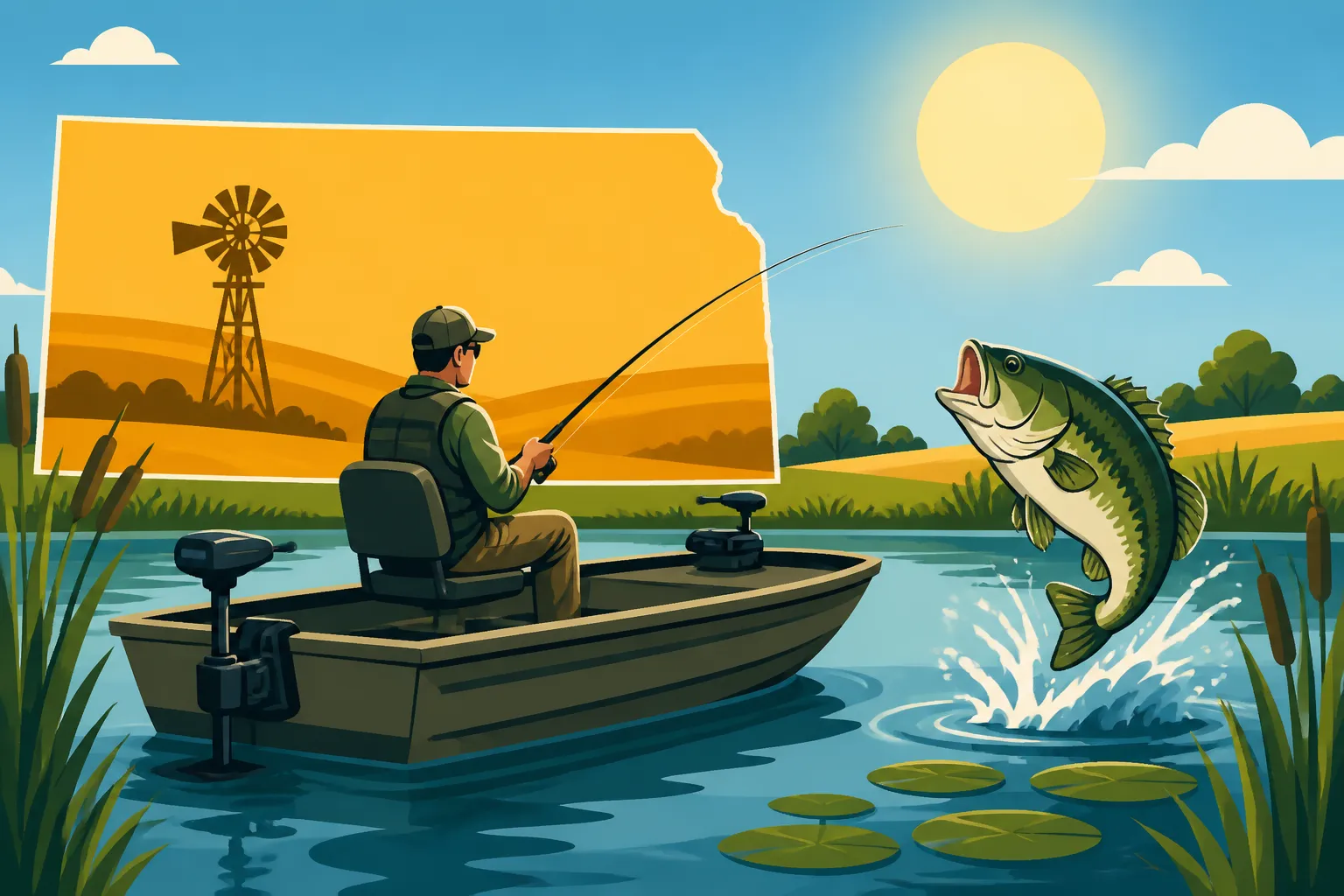
When it comes to durability and a no-nonsense approach to small water fishing, Jon boats have earned their stripes as the workhorses of Kansas ponds. These boats are characterized by their flat bottoms and typically aluminum construction, making them incredibly tough and resistant to the bumps and scrapes that come with navigating shallow, sometimes obstacle-laden ponds. The flat hull design is a huge advantage as it allows them to float in minimal water depth, often just a few inches, granting access to areas where other boats would quickly run aground.
Most anglers fishing small ponds will look for a Jon boat in the 10-to-14-foot range. This size offers a fantastic balance of portability and fishability. While they typically require a small trailer for transport, many lighter models in this size can be loaded into the back of a pickup truck, especially with the help of a loading ramp or a friend. Once at the pond, their open interior provides a customizable platform for fishing. You can add simple plywood decks for casting, install pedestal seats for comfort, or outfit them with rod holders and tackle storage to your heart's content.
The stability of a Jon boat is another major selling point. Their wide, flat stance on the water makes them incredibly stable, allowing anglers to stand and cast confidently – a huge bonus when trying to spot fish in clear pond water or make precise presentations. While they may not be the fastest craft, they are perfectly suited for small electric trolling motors, providing silent and efficient propulsion for sneaking into prime fishing spots. They are a robust, versatile choice that can withstand the rigors of frequent use on diverse Kansas pond environments, offering a solid platform for targeting anything from Kansas Channel Catfish Daily Limit to big largemouth bass.
Kayaks and Canoes: Lightweight and Versatile
For the angler who prioritizes stealth, portability, and an intimate connection with the water, kayaks and canoes are unparalleled for small pond fishing. Modern fishing kayaks, in particular, have been engineered with angling in mind, featuring wider, more stable hulls than recreational models, ample storage for gear, and even pedal-drive systems for hands-free propulsion. Their lightweight construction means that many models, especially those under 12 feet, can be easily loaded onto a car roof rack by a single person, eliminating the need for a trailer and expanding your access to countless ponds that lack traditional boat ramps.
The low profile and narrow beam of kayaks and canoes allow them to slip silently through dense vegetation, navigate tight channels, and get into shallow pockets where fish often congregate, undisturbed by boat noise. Imagine paddling through a field of lily pads, casting to bass hiding underneath – this is the kind of access these boats provide. Canoes, while a bit wider and often heavier than kayaks, offer more internal space, making them excellent for two anglers or for carrying extra gear for a full day on the water. They can be paddled solo or tandem and are remarkably stable when properly balanced.
The versatility extends to propulsion: you can paddle, use a push pole in very shallow water, or mount a small electric trolling motor. For many anglers, the appeal of kayak fishing on a pond is the pure, unadulterated experience – just you, the water, and the fish. Plus, for those looking to fish without the hassle of a boat registration for smaller kayaks, this can also be a plus, though always check the latest Kansas Boat Registration for Anglers rules for any specific length or motor requirements. Retailers like Bass Pro Shops offer a huge selection of fishing kayaks and accessories, making it easy to find one that fits your style and budget. If you're really diving into kayak fishing, check out our Kansas Kayak Fishing Gear Guide.
Inflatable Boats and Pontoons: Portable Solutions
When the goal is absolute portability and the ability to fish remote, hard-to-access ponds, inflatable boats and personal pontoon boats really shine. These innovative solutions transform the concept of a "boat" into something that can be packed down, thrown in a trunk, and inflated on arrival. Modern inflatable boats are far from the flimsy toys of yesteryear; they're constructed from rugged, multi-layered PVC or hypalon, making them remarkably puncture-resistant and surprisingly stable on the water. They are perfect for ponds where you might have to hike in a bit or where launching a rigid boat is simply not feasible.
Personal pontoon boats, sometimes affectionately called "belly boats with a frame," take portability to another level. These single-person craft consist of two inflatable pontoons attached to a sturdy metal frame, providing a comfortable, elevated seat. You propel them with fins on your feet or small oars, allowing for incredibly precise maneuvering around structure or through tight spots. Their stability is exceptional, and because you sit above the waterline, they keep you dry and comfortable. They are designed for one angler, offering just enough space for essential tackle, a rod, and maybe a small cooler.
Both inflatable boats and pontoon boats offer an unmatched level of convenience for specific pond fishing scenarios. They’re excellent for exploring new waters without the commitment of a trailer or roof rack, and their soft bottoms are gentle on the environment. While they may not offer the speed of a Jon boat with an outboard, or the extensive storage of a larger kayak, their ability to get you onto almost any body of water, no matter how remote, makes them invaluable. You can find a wide range of these products online through sites like Amazon, often with reviews that can help guide your purchase.
| Boat Type | Portability Rating (1-5, 5=most portable) | Stability Rating (1-5, 5=most stable) | Capacity (Anglers + Gear) | Ideal Water Depth | Common Propulsion |
|---|---|---|---|---|---|
| Jon Boat | 2-3 (requires trailer/truck) | 4 | 1-3 Anglers + Lots of Gear | Shallow to Moderate | Outboard/Trolling Motor/Oars |
| Fishing Kayak | 4-5 (car-top/carry) | 3-4 (model dependent) | 1 Angler + Moderate Gear | Very Shallow | Paddle/Pedal/Trolling Motor |
| Canoe | 3-4 (car-top/carry, can be bulky) | 3 | 1-2 Anglers + Good Gear | Shallow to Moderate | Paddle/Oars/Trolling Motor |
| Inflatable Boat | 5 (packs down small) | 3-4 (inflated rigidity) | 1-2 Anglers + Some Gear | Extremely Shallow | Oars/Trolling Motor |
| Personal Pontoon | 5 (packs down small) | 4-5 (raised seat) | 1 Angler + Minimal Essential Gear | Extremely Shallow | Fins/Oars |
Factors to Consider When Choosing Your Pond Boat
Selecting the right boat isn't just about picking a type; it's about matching the boat to your specific needs, the ponds you'll fish, and your personal preferences. Thinking through these factors before you buy will save you a lot of headaches later on.
Portability and Transportation Needs
This is perhaps the single most critical factor for small pond fishing. How will you get your boat to and from the water? If you're primarily fishing farm ponds that require driving across fields or through narrow gates, a large, heavy boat that needs a dedicated trailer might be more trouble than it's worth. A Jon boat in the 10-12 foot range can often be carried in the bed of a pickup truck or on a small utility trailer, while many kayaks and canoes are designed to be car-topped. Inflatable options take up even less space, fitting into a trunk or backseat when deflated. Consider the distance you might have to carry the boat from your vehicle to the waterline. Will you be fishing alone, or will you always have a buddy to help? The easier it is to get your boat to the water, the more often you'll actually use it. Think about your vehicle setup, your strength, and the typical access points you'll encounter.
Consider your vehicle. Do you have a pickup truck with bed space, or are you limited to a car with a roof rack? Many kayaks and canoes are explicitly designed for roof-top transport, offering quick and easy deployment. If you have a small utility trailer, a Jon boat suddenly becomes much more feasible. Inflatable boats and personal pontoons, with their ability to deflate and pack down into a relatively small bag, offer the ultimate in portability, fitting into almost any vehicle and requiring minimal effort to transport to even the most secluded spots.
Think about your typical fishing trip. Are you doing quick, spontaneous outings after work, or planned excursions on weekends? An easily deployed boat means more time fishing and less time wrestling with equipment. The less friction there is to get on the water, the more often you'll find yourself out there, exploring new Kansas Farm Pond Fishing Tips opportunities. This factor alone can significantly impact your enjoyment and the frequency of your trips.
Stability and Safety Features
While small ponds are generally calmer than large reservoirs, stability is still incredibly important, especially if you plan to stand and cast. A flat-bottomed Jon boat offers excellent initial stability, making it a good choice for active fishing. Fishing kayaks are specifically designed with wider hulls and sometimes even stand-up assist bars to allow for standing, but traditional recreational kayaks might feel a bit tippy. Personal pontoons are renowned for their stability due to their wide footprint. Always think about how you'll move around in the boat, how you'll land fish, and if you have any balance concerns.
Beyond the boat's inherent stability, safety features are non-negotiable. Always ensure your chosen craft has adequate flotation to keep it afloat even if swamped. Check the manufacturer's weight capacity rating and never exceed it – this applies to the combined weight of all occupants, gear, and any motors. Carrying a small anchor can also add to stability and safety, allowing you to hold position in windy conditions or near drop-offs.
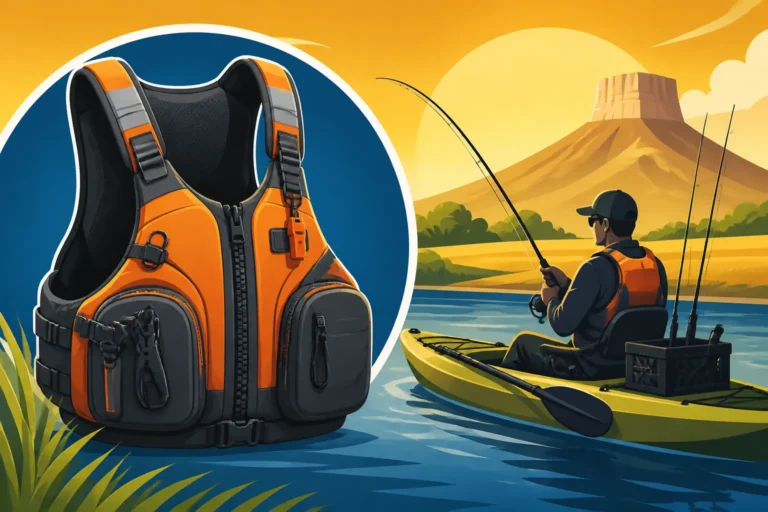
Most importantly, personal safety equipment like life jackets should be considered an extension of your boat's safety features. Every person on board, regardless of age or swimming ability, should have a properly fitting personal flotation device (PFD). Understanding Kansas Boating Safety Equipment Requirements is vital, as even small boats have certain regulations. These aren't just rules; they are lifesavers. A robust first-aid kit, a whistle, and a bailing device are also smart additions to any small pond boat's safety arsenal, ensuring you're prepared for minor mishaps or unexpected emergencies.
Budget and Long-Term Costs
When considering a boat for small Kansas ponds, it's wise to look beyond just the sticker price. The initial cost can vary wildly, from a few hundred dollars for a basic float tube or a used kayak to several thousand for a well-equipped Jon boat package with a motor and trailer. Determine your comfortable upfront investment, but also think about the full cost of ownership.
For example, a Jon boat often requires a small utility trailer, which is an additional expense. If you add an electric trolling motor, you'll need to budget for a deep-cycle marine battery and a charger. Kayaks and canoes might need roof racks or specialized car-top carriers. Then there are the potential ongoing costs: will your boat require registration with the state? The Kansas Boat Registration Cost and Renewal guide can shed light on these details. While smaller, unmotorized craft often have fewer requirements, adding a motor usually triggers registration needs.
Don't forget the accessories that enhance your fishing experience but add to the budget: rod holders, tackle storage, comfortable seating, and proper safety gear like a Best PFD for Kayak Fishing in Kansas. Factor in maintenance supplies, potential repairs, and storage solutions. If you don't have garage space, will you need to invest in a durable boat cover or consider off-site storage? By looking at the complete financial picture, you can make a choice that not only fits your fishing style but also your wallet, ensuring your small pond adventures remain enjoyable and affordable for years to come.
Essential Accessories for Small Pond Boating
Once you've chosen your perfect small pond vessel, outfitting it with the right accessories will greatly enhance your fishing experience. These aren't just luxuries; many are practical necessities that make your time on the water more productive and enjoyable.
Propulsion: Paddles, Oars, and Trolling Motors
Even on small ponds, having reliable propulsion is key to covering water, holding position, and sneaking up on wary fish. For many small pond boats, especially kayaks and canoes, a good quality paddle or set of oars is your primary mode of movement. Investing in lightweight, durable paddles or oars can make a huge difference in reducing fatigue and improving maneuverability, particularly if you're battling a stiff Kansas breeze. Always keep a paddle or oars on board, even if you have a motor, as a reliable backup and for making silent adjustments.
For more hands-free fishing or covering greater distances, an electric trolling motor is an invaluable addition for Jon boats and many fishing kayaks. These quiet, battery-powered motors allow you to creep into prime fishing spots without spooking fish and can hold your boat precisely over structure. Consider the thrust rating – a 30-55 lb thrust motor is usually plenty for a small pond boat – and whether you prefer a transom mount or a bow mount. Don't forget the deep-cycle marine battery and charger, which are essential components for any electric motor setup. You can often find great value electric trolling motors and batteries at outdoor retailers like Bass Pro Shops.
Choosing the right propulsion system depends on your fishing style, the size of the pond, and how much gear you're bringing. Many anglers opt for a hybrid approach: using a paddle or oars for subtle movements and a trolling motor for covering larger areas or when battling wind. This versatility ensures you're prepared for any situation a small Kansas pond might throw at you.
Seating and Storage Solutions
Comfort and organization are paramount in the often-limited space of a small pond boat. Prolonged periods on the water can take a toll, so comfortable seating is a game-changer. For Jon boats, upgrading from basic bench seats to padded swivel seats or even pedestal seats can provide much-needed back support and allow for easier swiveling to cast or tend to lines. Many fishing kayaks come with excellent adjustable seats, but some recreational kayaks might benefit from an aftermarket seat cushion or backrest for improved ergonomics.
Effective storage prevents clutter and ensures that essential gear is always within reach. Rod holders are a must-have, keeping your rods secure while you're paddling, moving between spots, or netting a fish. They protect your valuable equipment from being stepped on or falling overboard. Consider vertical rod holders for storage and horizontal ones for easy access while fishing. For tackle, a sturdy tackle box or a specialized kayak fishing crate (often a customized milk crate) can keep your lures, tools, and terminal tackle organized. Waterproof dry bags or small dry boxes are also essential for protecting electronics, wallets, keys, and snacks from splashes or rain.
Utilizing every inch of space wisely can transform a small boat from a cramped struggle into an efficient fishing machine. Think about under-seat storage, bow and stern compartments, or even attaching small gear pouches to the inside of your boat. Being organized means less time fumbling for gear and more time fishing effectively for species like crappie or bluegill, often found in these waters, which might respond well to specific presentations with the Best Rod and Reel Combo for Crappie. You might also be targeting catfish, so having the Best Rod and Reel Combo for Catfish ready is a good idea.
Safety Gear: Life Jackets and First Aid
No matter how calm and inviting a small Kansas pond appears, safety should always be your absolute top priority. The single most important piece of safety gear is a properly fitting life jacket (PFD) for every person on board. Make sure they are worn, or at the very least, immediately accessible. There are various types of PFDs, from vest-style to inflatable models; choose one that is comfortable enough to wear for extended periods, as comfort increases compliance. A Best PFD for Kayak Fishing in Kansas is specifically designed to not impede your paddling or casting motion.
Beyond life jackets, a well-stocked first-aid kit is essential. Fishing inevitably involves sharp hooks, potentially slippery surfaces, and exposure to the elements. Your kit should include basics like bandages, antiseptic wipes, pain relievers, and any personal medications. Consider adding tools like small pliers for removing hooks, insect repellent, and sunscreen. A whistle or other sound-producing device is required by law on many boats and is invaluable for signaling in an emergency.
Other critical safety items include an anchor (even a small one can prevent drifting in wind), a bailing device (a small bucket or sponge to remove water), and a light source like a headlamp or flashlight if there's any chance of being on the water near dusk or dawn. Always tell someone your float plan: where you're going, when you expect to return, and who you're with. Even on a small pond, an unexpected capsize or medical emergency can happen, and being prepared dramatically increases your chances of a positive outcome. Remember, safe fishing is good fishing.
Maintenance and Storage for Your Pond Boat
A little care goes a long way in preserving your investment and ensuring your boat is always ready for the next adventure. Proper maintenance and smart storage solutions will extend the life of your small pond boat for many seasons to come.
Cleaning and Care After Each Use
The environment of small Kansas ponds can be tough on boats. Muddy banks, dense vegetation, and even algae can cling to your hull, motor, and gear. After every single outing, it's a good habit to give your boat a thorough cleaning. A simple rinse with a garden hose is often sufficient to remove mud, plant debris, and surface grime from aluminum Jon boats, kayaks, and canoes. For more stubborn stains, a mild boat soap and a soft brush can work wonders. Pay close attention to the nooks and crannies where debris can accumulate, especially around drain plugs and scuppers.
Beyond aesthetics, cleaning is crucial for preventing the spread of aquatic invasive species. The "Clean, Drain, Dry" principle is vital: clean all plants, animals, and mud from your boat and gear; drain all water from the boat, livewell, and bilge; and dry everything completely before your next outing. This protects the delicate ecosystems of Kansas's ponds and rivers. If you use an electric trolling motor, wipe it down, check for any fishing line wrapped around the prop shaft, and ensure all electrical connections are clean and dry before storing your battery.
Regularly inspect your boat for any signs of wear or damage. Look for dents, scratches, loose rivets, or cracks in the hull. Addressing minor issues quickly prevents them from escalating into more serious problems. For example, a small crack in a kayak might be easily repaired with a patch kit, but if left unattended, it could lead to significant water intrusion. This routine care ensures your boat remains structurally sound and reliable for years of enjoyment on the water.
Winterizing and Off-Season Storage
As the leaves turn and the water temperatures drop in Kansas, it’s time to start thinking about preparing your small pond boat for its off-season rest. Proper winterization and storage are critical to protect your investment from the harsh elements and ensure it’s ready to go when spring arrives. For any boat with an electric trolling motor, ensure the battery is fully charged and then disconnected. Store deep-cycle marine batteries in a cool, dry place off concrete floors if possible, checking the charge periodically throughout the winter.
For the boat itself, a deep clean is in order before putting it away. Remove all fishing gear, drain any residual water from the hull or compartments, and ensure everything is completely dry to prevent mold, mildew, or rot. If you have any fabric components like seats or covers, clean them thoroughly and store them indoors. For rigid boats like Jon boats, kayaks, and canoes, find a sheltered storage location. A garage or shed is ideal, protecting the boat from snow, ice, and prolonged UV exposure, which can degrade materials over time.
If indoor storage isn't an option, store the boat outdoors in a way that protects it from the elements. Elevate the boat off the ground to prevent moisture from accumulating underneath, and use a durable, breathable boat cover. Ensure the cover is secured tightly to prevent wind damage and allow for proper ventilation to avoid condensation build-up. Taking these steps for winterizing and smart storage will prevent issues like hull deformation, material cracking, or rust, guaranteeing your small pond boat is in pristine condition for your first casts of the next fishing season.
Safety First: Rules for Small Pond Angling
Even on seemingly tranquil small ponds, safety should never be an afterthought. Understanding basic regulations and taking personal precautions will ensure your fishing trips are enjoyable and incident-free.
Boating Regulations and Considerations
Even for seemingly simple small pond boats, knowing the rules is crucial. While many unmotorized kayaks and canoes might not require registration, adding an electric trolling motor often changes that. It's imperative to consult the Kansas Department of Wildlife, Parks and Tourism (KDWP) regulations to understand if your specific vessel needs to be registered. You can find detailed information in the Kansas Boat Registration for Anglers guide, which outlines the requirements for various types of watercraft. Ignoring these rules can lead to fines and spoil your day on the water.
Beyond registration, general boating safety regulations still apply. This includes having a U.S. Coast Guard-approved life jacket for every person on board, easily accessible and, ideally, worn at all times. If you are on the water between sunset and sunrise, or during periods of restricted visibility, your boat must have appropriate lighting. A sound-producing device, like a whistle, is also a common requirement for signaling. Familiarize yourself with these guidelines, often found in the Kansas Fishing Regulations Explained summary, to ensure full compliance.
Moreover, if you're fishing on private ponds, always obtain permission from the landowner beforehand. Respect their property, follow any specific rules they might have, and practice "Leave No Trace" principles. For public community fishing lakes, there might be additional specific rules regarding motor size, hours of operation, or even bait restrictions. Always check local signage or the KDWP website for pond-specific rules to avoid any issues.
Personal Safety and Emergency Preparedness
Your personal safety on a small pond goes beyond just legal compliance; it involves proactive measures and a readiness for the unexpected. Always let someone know your float plan before you head out: tell them exactly where you're going, what type of boat you're in, and your estimated return time. This simple step can be a lifesaver if an emergency occurs and you're overdue. A fully charged cell phone in a waterproof case is a wise companion, but remember that cell service can be spotty in remote Kansas areas, so don't rely solely on it for communication. You can even check your purchase online with How to Check a Kansas Fishing License Purchase Online if you're unsure.
Dress for success, which means dressing for the weather. Layers are always a good idea, as Kansas weather can change rapidly. Bring rain gear even if the forecast looks clear, and always use sunscreen, a hat, and polarized sunglasses to protect yourself from the sun's glare and improve visibility for spotting fish. A small, essential emergency kit should be part of your gear, including basic first aid supplies, a knife, and perhaps a small headlamp or flashlight if you anticipate being out at dusk or dawn.
Be mindful of your surroundings. While small ponds are often peaceful, they can harbor wildlife, and sudden weather changes can turn a calm day into a challenging one. Watch for approaching storms, strong winds, or rapidly changing water conditions. Knowing how to quickly secure your boat and get to shore if conditions deteriorate is a critical skill. By prioritizing personal safety and being prepared for potential emergencies, you can fully embrace the serene and rewarding experience of fishing Kansas's small ponds. You can even find Where to Buy Live Bait Near Kansas Lakes to ensure you're fully stocked for your safe and successful outing.
Disclaimer
This article is for general informational purposes only and does not constitute professional advice. Laws, prices and regulations vary by location and change over time. Consult a qualified professional for guidance on your specific situation.