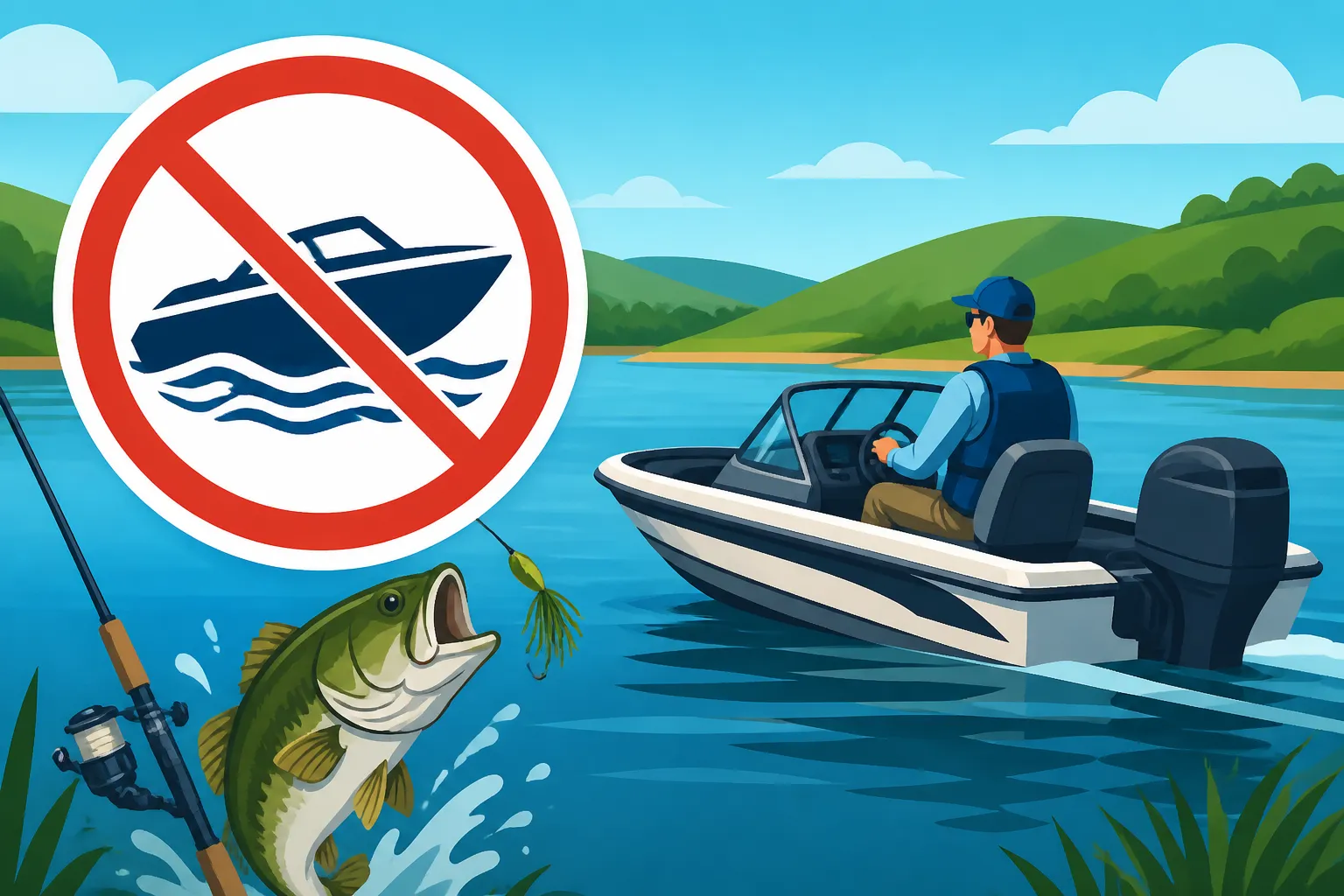
Kansas Boat Speed Limit Rules on Reservoirs
Ever feel like you need a legal degree just to understand where and how fast you can drive your boat on a Kansas reservoir? You're definitely not alone! The varying rules across our beautiful waterways can be a real headache, especially when you just want to enjoy a peaceful day of fishing or some exciting tubing. This guide is here to clear up the confusion around Kansas boat speed limit rules on reservoirs, helping you navigate the waters safely and confidently, so you can focus on what you love most: being on the water.
Understanding Kansas Boat Speed Limits on Reservoirs
Navigating the vast and beautiful reservoirs of Kansas comes with a certain freedom, but that freedom is tempered by critical safety regulations, especially concerning boat speed. It’s easy to assume that if there isn't a sign explicitly stating a speed limit, you can go as fast as your vessel allows. However, that's often not the case, and understanding the nuances can save you from a ticket or, more importantly, a dangerous situation. These regulations aren't arbitrary; they are put in place for the safety of everyone enjoying our public waters and the preservation of the environment.
General Statewide Regulations vs. Local Rules
The Kansas Department of Wildlife and Parks (KDWP) sets forth general statewide boating and fishing regulations, which serve as the foundation for all activity on Kansas waters. However, it's crucial to understand that many of our larger reservoirs are federal properties, often managed by the U.S. Army Corps of Engineers. These federal agencies, along with local counties or municipalities, can and often do implement additional, more restrictive rules specific to their particular lake or sections of a lake. This is where a lot of the confusion for anglers and boaters stems from. A "no-wake" zone might apply in one marina but not another, or a certain bay might have an idle-speed limit that isn't immediately obvious if you're unfamiliar with that specific body of water.
For instance, while a general speed limit might not be posted for the main body of a large reservoir, specific areas will almost always have restrictions. This often includes areas near dams, bridges, designated swimming beaches, fishing piers, and especially boat ramps and marinas. It's not enough to know the statewide rules; you absolutely need to check the local ordinances for the specific lake you plan to visit. Before you even hitch up the boat trailer, take a moment to look up the boating regulations for that particular reservoir, perhaps on the KDWP website or the Army Corps of Engineers site for that location. Familiarity with Kansas Fishing Regulations Explained is a great start, but specific boating rules require another layer of inquiry.
The Purpose Behind Speed Restrictions
You might sometimes feel that speed limits are just another hurdle designed to slow you down when all you want to do is get to your favorite fishing spot or let the kids have some fun on a tube. However, these restrictions serve several vital purposes that directly impact safety, enjoyment, and environmental health. Firstly, and most importantly, they are about safety. High speeds in congested areas significantly increase the risk of collisions between boats, or between boats and swimmers, kayakers, or paddleboarders. A fast-moving boat creates a large wake, which can easily swamp smaller vessels, knock passengers overboard, or create dangerous conditions for people trying to enjoy the water.
Secondly, speed limits help protect the environment and shoreline infrastructure. Excessive wakes can cause erosion along the banks, damaging natural habitats and undermining docks, boat ramps, and other facilities. This is particularly important in areas with sensitive ecosystems or where considerable investment has been made in public access points. Think about how many times you've seen a dock get battered by waves – a lot of that wear and tear comes from boat wakes. Thirdly, these rules contribute to a more peaceful and enjoyable experience for everyone. Nobody wants to be constantly jostled by large waves while trying to fish quietly or relax on the beach. By adhering to speed limits, you're not just following the law; you're being a good neighbor on the water, ensuring that everyone can share Kansas's beautiful reservoirs respectfully.
Specific Speed Limit Zones and What They Mean
When you're out on a Kansas reservoir, you'll encounter different types of speed zones, each with its own set of expectations and requirements. Understanding these terms isn't just about avoiding a citation; it's about being a responsible boater and ensuring the safety of yourself and others. These zones are typically marked with buoys or signs, but sometimes they are implicit, such as near a boat ramp. Always keep an eye out for these indicators and adjust your speed accordingly.
No-Wake Zones: When and Where You'll Find Them
The term "no-wake" is perhaps the most common and often misunderstood speed restriction. It doesn't mean "go really slowly" or "just try not to make too big a wake." It means exactly what it says: operate your vessel at the slowest possible speed necessary to maintain steerage and headway, creating no appreciable wake. If you're creating any substantial disturbance in the water behind your boat, you're likely going too fast. Imagine a calm, glassy surface; your boat should leave barely a ripple as you pass through a no-wake zone.
You'll almost always find no-wake zones in areas where congestion or close proximity to other activities makes high speeds dangerous. This includes within 200 feet of all designated public boat ramps, docks, swimming areas, marinas, and often in narrow channels or confined coves. For example, when you’re pulling your boat out of the water at a busy ramp on Milford Lake or navigating through the entrance to a marina, you absolutely need to be in a no-wake posture. This protects other boats, people fishing from the bank, and even wildlife that might be near the shore. Ignoring these zones can result in severe fines and puts everyone at risk.
Idle Speed Zones: A Step Up from No-Wake
Slightly less restrictive than a no-wake zone, an "idle speed" zone permits you to travel at a speed just above no-wake, but still without creating a substantial wake. While a no-wake zone is essentially bare minimum throttle, idle speed allows for a bit more forward momentum, perhaps around 5-7 miles per hour, depending on your boat. The key differentiator is still the wake: if you're throwing a large, rolling wave, you're exceeding idle speed. It's a careful balance between making progress and respecting the water.
These zones are sometimes found in slightly wider channels or longer stretches leading into or out of a marina, or in specific bays where there's less immediate congestion but still a need for caution. For instance, some areas under bridges on Tuttle Creek Lake might be designated idle speed, allowing you to pass through without creating hazardous conditions for other boaters or disturbing the bridge's structural integrity over time. Always observe the posted signs or markers. If you're unsure, err on the side of caution and maintain a no-wake speed; it's always better to be too slow than too fast.
Open Water Speed: Where You Can Open It Up
The good news is that most large Kansas reservoirs do offer expansive areas where no specific speed limit is posted, allowing you to open up the throttle and enjoy the full capabilities of your boat. This is where you can engage in activities like high-speed cruising, water skiing, tubing, or simply getting across the lake quickly to reach your preferred fishing grounds. These open water areas are typically the main body of the reservoir, far from shorelines, docks, and other congested zones.
However, even in open water, the law requires you to operate your vessel in a careful and prudent manner, at a speed no greater than is reasonable and proper given the existing conditions. This means taking into account factors like visibility (fog, rain, nightfall), boat traffic, proximity to hazards, and even weather conditions like strong winds that can quickly whip up choppy waters. For example, even if there's no official speed limit on the main body of Cheney Reservoir, trying to go full throttle during a thunderstorm with limited visibility and heavy boat traffic would be reckless and illegal under the "prudent operation" clause. Always use common sense, respect other boaters, and prioritize safety above all else, especially after reviewing the Kansas Life Jacket and Boating Safety Guide.
Navigating Special Conditions and Enforcement
Boating on Kansas reservoirs isn't always about clear skies and calm waters. There are special conditions, like nightfall, and the ever-present reality of enforcement that every boater needs to be aware of. Knowing these aspects ensures not just compliance, but also a safer and more enjoyable experience for everyone on the water.
Nighttime Boating and Restricted Speeds
When the sun sets over a Kansas reservoir, the entire boating environment changes dramatically, and with it, the implicit "safe and prudent" speed limit drops significantly, even in open water zones. While there isn't typically a specific numerical speed limit for night boating on most open waters, reduced visibility dictates that you must drastically reduce your speed. What feels safe at 30 mph during the day could be incredibly dangerous at 10 mph at night, simply because you cannot see obstacles, other boats, or potential hazards until you're much closer.
During night operations, all vessels must display proper navigation lights, as detailed in Kansas Boating Safety Equipment Requirements. This includes a masthead light, sidelights (red and green), and an all-around white light. However, even with proper lighting, distances and speeds are harder to judge, and floating debris or unlit objects can appear out of nowhere. Imagine you're fishing for catfish on El Dorado Lake at night; you need to be constantly vigilant and travel at a speed that allows you to react to unexpected situations. The prudent boater will slow down considerably after dark, using spotlights to scan the water ahead and staying hyper-aware of their surroundings. Trying to maintain daytime speeds after dark is a recipe for disaster and can lead to serious accidents or citations from KDWP wardens.
What Happens If You Break the Rules
Ignoring boat speed limits and other boating regulations in Kansas isn't just a minor infraction; it carries real consequences. KDWP park rangers, county sheriff's deputies, and other law enforcement officials actively patrol Kansas reservoirs, ensuring compliance with boating laws. They are well-versed in the regulations, and they're looking for unsafe operation, which includes excessive speed in restricted zones or imprudent speed in open water. Getting caught violating speed limits can lead to a range of penalties.
At minimum, you're looking at a citation and a fine. These fines can vary depending on the severity of the offense and whether it's a repeat violation. Beyond the financial hit, however, there are more serious implications. Reckless operation, which can include excessive speed in dangerous conditions, could lead to your boat being impounded, or even more severe legal consequences if an accident occurs. Imagine a scenario where your wake causes another boat to capsize or injures a swimmer – you could face significant civil liability and criminal charges. Always make sure you have your Kansas Boat Registration for Anglers in order and readily available, as officers will check for that too. The best advice is simple: know the rules, respect them, and operate your vessel as if your life, and the lives of everyone else on the water, depends on it – because it does.
Best Practices for Safe and Respectful Boating
Being on the water in Kansas is a privilege and a joy, but it comes with responsibilities. Adhering to boat speed limits is a huge part of being a safe and respectful boater, but there are other practices that ensure everyone has a good time and our beautiful waterways are preserved for years to come.
Being a Good Steward on Kansas Waters
Sharing our reservoirs means being considerate of all users. Anglers, kayakers, swimmers, water skiers, and those simply enjoying a leisurely cruise all have a right to the water. This means being mindful of your speed and wake, especially around others. If you see a lone kayaker or a group fishing from shore, even in an "open water" area, it's good practice to give them a wide berth and slow down to minimize your wake. It’s not just about what's legally required, but what's courteous and promotes a positive atmosphere for everyone.
Before you launch your boat, take a moment to look up the specific rules for the lake you're visiting. Many lakes have online resources, or you can check with the park office. For those who frequently visit specific reservoirs like Wilson Lake or Kanopolis Lake, it’s worth familiarizing yourself with any unique local rules. Thinking ahead about your planned route and being aware of any marked no-wake or idle-speed zones will help you avoid last-minute, frantic speed adjustments. Being a good steward also means keeping our waters clean, so remember to properly dispose of trash and avoid spreading invasive species.
Equipping Your Boat for Safe Operation
Beyond knowing the rules, having the right gear is fundamental for safe boating and complying with regulations. A properly equipped boat is a safe boat, and it makes adherence to speed rules much easier. First and foremost, ensure you have enough life jackets for everyone on board, correctly sized, and easily accessible. Places like Bass Pro Shops offer a wide range of life jackets for all ages and activities, from casual wear to high-impact options for watersports.
You’ll also want to make sure your vessel has all the necessary Kansas Boating Safety Equipment Requirements, such as a working fire extinguisher, sound-producing device (horn or whistle), and proper navigation lights if you plan to be out after dark. A good marine radio, often available through retailers like Amazon or specialized marine electronics stores, can be invaluable for staying aware of weather changes or communicating in an emergency, further contributing to safe operation at any speed. Remember, a well-maintained engine and reliable steering also play a critical role in your ability to control your speed and direction effectively, especially when needing to slow down quickly for a restricted zone or an unexpected hazard. Don't forget to regularly check your boat's registration sticker and ensure it's up to date, as outlined in Kansas Boat Registration Cost and Renewal.
| Zone Type | Definition | Common Locations | Example Action |
|---|---|---|---|
| No-Wake | Minimal speed to maintain steerage, creating no appreciable wake. | Within 200 feet of boat ramps, docks, swimming areas, marinas, narrow channels. | Engine at lowest possible throttle, barely moving forward, flat water behind boat. |
| Idle Speed | Slightly faster than no-wake, but still minimal wake, typically 5-7 mph. | Longer approach channels to marinas, some bridge abutments, designated bays. | Engine in gear, just above no-wake, small ripples created, not a rolling wave. |
| Open Water | No posted numerical limit, but speed must be reasonable and prudent for conditions. | Main body of large reservoirs, away from shorelines and congestion. | Operate at a speed safe for visibility, traffic, weather, and known hazards. |
Disclaimer
This article is for general informational purposes only and does not constitute professional advice. Laws, prices and regulations vary by location and change over time. Consult a qualified professional for guidance on your specific situation.