Is Bowfishing Legal in Kansas?
It can be incredibly confusing to navigate the myriad of rules and regulations that come with enjoying Kansas's beautiful waterways, especially when it comes to a specialized sport like bowfishing. Many anglers wonder if this exciting method of fishing is even allowed, given its unique approach compared to traditional rod and reel. This guide aims to clear up all that uncertainty, detailing exactly what's legal, what's not, and how you can ethically and successfully enjoy bowfishing in the Sunflower State.
Bowfishing's Place in Kansas Law: A Clear "Yes" with Conditions
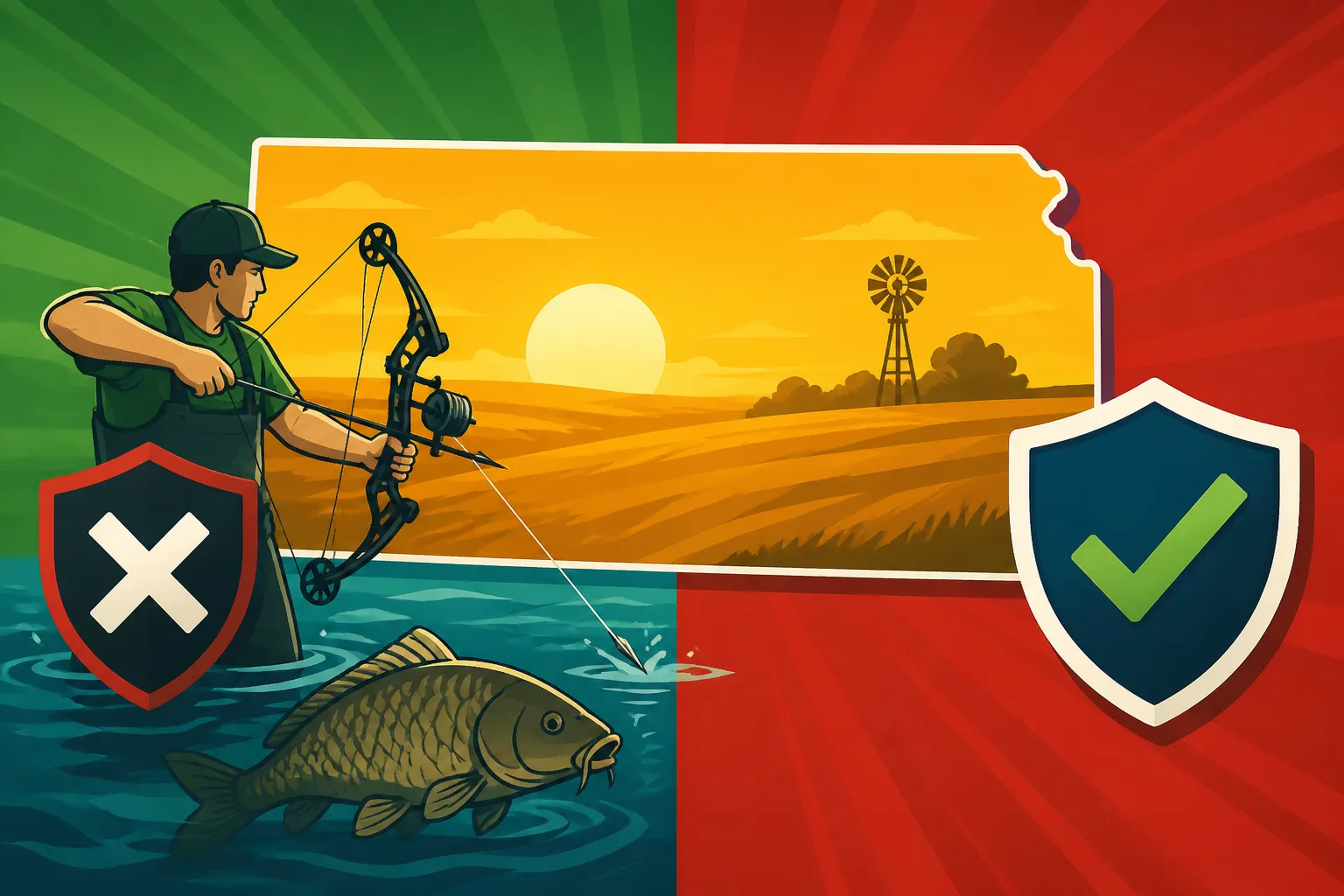
For those of us who love the thrill of the hunt combined with the serenity of the water, bowfishing offers a fantastic opportunity to get out there. The good news is, yes, bowfishing is absolutely legal in Kansas! But like any specialized outdoor activity, it comes with a set of specific rules that are important to understand. It's not just a free-for-all; there are guidelines designed to protect our fisheries and ensure everyone has a safe and enjoyable experience.
Distinguishing Bowfishing from Traditional Rod and Reel
One of the biggest sources of confusion surrounding bowfishing often stems from its distinct nature. It's not quite hunting, and it's certainly not traditional hook-and-line fishing. This unique blend can make people assume it's either illegal outright or governed by the same rules as deer hunting with a bow, neither of which is entirely true. The reality is that bowfishing targets entirely different species, often referred to as "rough fish," and requires different gear and techniques.
Many folks automatically think of game fish like bass or walleye when they hear "fishing," and the idea of shooting them with an arrow can sound quite extreme or even destructive. This perception often leads to the mistaken belief that bowfishing must be prohibited. However, the Kansas Department of Wildlife, Parks and Tourism (KDWP) recognizes bowfishing as a legitimate and active form of angling. It’s an engaging, hands-on sport that provides a challenging way to harvest fish and contributes to the management of certain fish populations in our lakes and rivers.
The Kansas Department of Wildlife, Parks and Tourism (KDWP) Stance
The KDWP, the governing body for all things related to outdoor recreation and wildlife management in Kansas, explicitly permits bowfishing. They don't just tolerate it; they include it as a valid method within the broader framework of Kansas Fishing Regulations Explained. The department's approach to bowfishing reflects a balance of promoting diverse recreational opportunities while upholding conservation principles.
The primary goal behind allowing bowfishing, particularly for certain species, is often tied to fisheries management. Many of the fish targeted by bow anglers are non-game or rough fish, some of which can become overpopulated or even invasive. By allowing bowfishing for these species, the KDWP provides an additional tool for population control, helping to maintain a healthier ecosystem for native game fish. So, when you're out there bowfishing for carp, you're not just having a blast; you're often contributing to the ecological balance of the waterway. It's classified as a legal method of fishing, but it's important to remember that this classification applies only to specific species, which we'll dive into next.
Navigating the Specific Bowfishing Regulations
Since bowfishing is a bit of a niche within the angling world, it has its own set of rules. You can't just grab any bow and shoot any fish in any water. Understanding these specifics is crucial to staying on the right side of the law and ensuring a successful, legal outing.
Target Species: What You Can and Can't Bowfish
This is perhaps the most critical distinction in Kansas bowfishing regulations. You are absolutely not allowed to bowfish for game fish. This includes popular sport fish like largemouth bass, smallmouth bass, crappie, walleye, sauger, saugeye, bluegill, sunfish, catfish (channel, blue, and flathead), paddlefish, and trout. These species are managed for rod-and-reel anglers and have specific catch limits and seasons outlined in the Kansas Daily Creel Limits by Species and Kansas Catfish Daily Limits.
So, what can you target? The legal list primarily consists of what are often called "rough fish" or "non-game fish." These include:
- Common Carp: A widespread and popular target.
- Grass Carp: Often stocked for aquatic vegetation control.
- Silver Carp and Bighead Carp (Asian Carp): Highly invasive species that bowfishing helps manage. You'll often find special regulations encouraging their removal.
- Gar: Longnose, shortnose, and spotted gar are common targets. Many anglers find the challenge of hitting these ancient, hard-scaled fish incredibly rewarding. You can learn more in our Kansas Gar Species Guide.
- Buffalo: Bigmouth, smallmouth, and black buffalo. These are large, powerful fish that offer a great fight.
- Drum (Freshwater Drum): Also known as sheephead, these are common throughout Kansas waters.
- Suckers: Various species of suckers can be targeted.
The reason for this distinction is conservation. The KDWP carefully manages game fish populations to ensure sustainable sportfishing for future generations. Rough fish, on the other hand, often reproduce prolifically or are invasive, and their removal can benefit the overall health of the aquatic ecosystem. Therefore, targeting them with a bow is seen as a beneficial activity. If you accidentally shoot a prohibited species, you are required to release it immediately, even if it's injured. It's a tough call, but part of being a responsible bowfisher.
Permitted Waterbodies and Restrictions
Generally speaking, bowfishing is permitted in most public waters in Kansas, including state fishing lakes, community fishing lakes, and federal reservoirs. However, there are always exceptions and specific local rules to be aware of. For instance, some smaller community fishing lakes might have specific prohibitions on bowfishing due to their size, depth, or specific management goals. Always check local signage or the KDWP website for the specific body of water you plan to fish. Our guide to Kansas Community Fishing Lake Rules can offer additional insights.
Private ponds are another area where confusion arises. While you generally don't need a state fishing license to fish on private water you own (or have permission to fish), the methods and species restrictions still apply. You cannot bowfish game fish in a private pond, even if you own it. You still need to follow the KDWP regulations for legal species. For more details on private water rules, check out our guide on Fishing Rules for Private Ponds in Kansas.
Night bowfishing is incredibly popular, especially during warmer months, as many rough fish become more active after dark. If you plan to bowfish from a boat at night, remember that your vessel will need to comply with all federal and state navigation light requirements, just like any other boat on the water. These details are often covered in our Kansas Boat Registration for Anglers guide.
Equipment and Methods: What's Allowed on Your Bow
Bowfishing requires specialized gear that’s different from both hunting and traditional fishing equipment. Here’s a breakdown of what’s generally allowed and what’s not:
- Bows: You can use a compound bow, recurve bow, or a longbow. The key is that it must be designed to shoot an arrow with an attached line for retrieval.
- Arrows: Bowfishing arrows are distinct. They are heavier than hunting arrows and feature a barbed point designed to penetrate a fish and then hold it securely for retrieval. The barb prevents the fish from slipping off the arrow once it's shot.
- Reels: A specialized reel is essential for bowfishing. You'll typically see two main types:
- Spincast Reels: These are often mounted on the front of the bow, similar to a traditional fishing reel. They allow for easy casting and retrieval. You can find excellent options, like the AMS Bowfishing Retriever Pro, on platforms like Amazon.
- Retriever Reels (or Bottle Reels): These reels store the line in a bottle-shaped container and offer extremely fast line retrieval, which is great for quickly getting a fish in. Brands like Muzzy have popular retriever reels available on Amazon.
- Line: Strong, durable line (often braided nylon or Dacron) is used to connect the arrow to your reel. It needs to be tough enough to handle the fight of a large carp or buffalo.
- Safety Slide/Stop: This is a crucial safety component that attaches to your arrow. It ensures the line stays in front of the bow when you shoot, preventing the line from tangling in the bowstring and causing the arrow to "snap back" at you. Always ensure your arrows are equipped with a properly installed safety slide.
What's prohibited?
- Crossbows: In Kansas, crossbows are generally not permitted for bowfishing unless you have a specific disability permit allowing their use for hunting or fishing. Always verify with KDWP if you have questions about specific accommodations.
- Explosive or Poisonous Tips: These are strictly forbidden. Bowfishing is about a clean, ethical harvest, not about harming the environment or other aquatic life.
- Hunting Broadheads: Arrows designed for big game hunting are not suitable or legal for bowfishing. The barbed points of bowfishing arrows are specifically designed for fish retrieval.
Choosing the right gear is important for both success and safety. Many reputable outdoor retailers and online marketplaces like Amazon offer a wide array of specialized bowfishing equipment.
Essential Permits and Timeframes for Bowfishing
Just like any other form of fishing, you can't just head out with your bow without the proper paperwork. Kansas has clear requirements regarding licenses and permits, and while bowfishing is generally a year-round activity for permitted species, it's always good to be aware of any time-specific nuances.
The All-Important Fishing License
First and foremost, you absolutely must possess a valid Kansas fishing license to engage in bowfishing. There's no separate "bowfishing license" – your standard fishing license covers it. This applies to both residents and nonresidents alike. Whether you opt for an annual license, a short-term license (like a one-day or five-day nonresident option), you need to have it on your person or readily accessible (a digital copy on your phone is usually acceptable) while fishing. You can find comprehensive details in our Kansas Fishing License Guide or if you're visiting, check out the Kansas Nonresident Fishing License Guide.
Failing to carry a valid fishing license can lead to serious consequences. Enforcement officers regularly patrol Kansas lakes and rivers, and fishing without a license is a violation that can result in fines and legal penalties. To avoid any unpleasant surprises, make sure you're always properly licensed. Our article on Fishing Without a License Penalties in Kansas sheds more light on the repercussions. Remember, your license fee directly supports KDWP's efforts in managing fish populations, habitat conservation, and providing public access to our beautiful waters.
Unlike trout fishing, which requires an additional Kansas Trout Permit Guide, bowfishing for rough fish generally does not require any special endorsements beyond your standard fishing license. However, always double-check the latest regulations, as rules can occasionally change.
Seasonal Considerations
For most legal bowfishing species, Kansas generally offers a year-round season. This means you can pursue carp, gar, and buffalo in the spring, summer, fall, and even winter if conditions allow. Many dedicated bowfishers find certain times of the year more productive. For instance, spring and early summer are often prime times when fish move into shallower waters for spawning, making them more accessible to shore-based or shallow-water bowfishers.
Night bowfishing, as mentioned earlier, is a popular way to target active rough fish. During the warmer months, fish might be more active at night, and the cooler temperatures can make for a more comfortable outing for anglers. If you're out after dark and operating a boat, proper navigation lights are mandatory. Always refer to current Kansas Fishing Seasons and Limits for any species-specific or waterbody-specific exceptions, though for the typical bowfishing targets, the season is quite open. There might also be temporary closures or special regulations for specific water bodies during tournaments or maintenance, so a quick check with KDWP resources before heading out is always a good practice.
Promoting Responsible Bowfishing and Conservation Efforts
Bowfishing, when done correctly, can be a highly ethical and sustainable sport. It's not just about hitting a target; it's about being a responsible steward of our natural resources and respecting the environment and other outdoor enthusiasts.
Ethical Harvest and Disposal Practices
Part of being a responsible bowfisher is making a commitment to ethical harvest and proper disposal. Unlike game fish, many rough fish like carp or buffalo are not typically consumed by most anglers. However, it's incredibly important to either consume what you harvest or dispose of it properly. Leaving dead fish on the bank to rot is not only disrespectful to other water users and local residents but can also attract pests and create unsanitary conditions. If you're not going to eat the fish, consider using it as fertilizer for a garden (if permitted) or disposing of it in a designated trash receptacle. Never dump unwanted fish where they don't belong.
In some cases, bowfishing for certain species, particularly invasive ones like Asian carp (silver and bighead carp), actually serves a critical conservation purpose. These fish can outcompete native species for food and space, disrupting the ecosystem. Bowfishing actively helps in the removal of these problematic fish, aligning with the KDWP's efforts to manage Kansas Invasive Fish Species. So, in these instances, you're not just enjoying a sport; you're directly contributing to the health of Kansas waterways.
Safety and Respecting Other Water Users
Safety should always be your top priority. Bowfishing involves shooting a projectile, and it's imperative to always know your target and what's beyond it. Water reflects sound and distorts distances, so extra caution is needed.
- Awareness: Be acutely aware of your surroundings. Swimmers, other boats, kayakers, paddleboarders, and even wildlife can be present in the waters you're fishing. Never shoot if there's any doubt about where your arrow might land or if it could pose a risk to others.
- Practice: Practice your shooting in a safe, controlled environment, like an archery range with a proper backstop, before you ever take your bowfishing setup onto the water. This will help you get a feel for the equipment and improve your accuracy.
- Respect Private Property: Always be mindful of private property boundaries, whether on the water or when accessing shorelines. Obtain permission if you need to trespass, even inadvertently.
- Night Fishing Etiquette: If you're bowfishing at night, be considerate of noise levels, especially near residential areas or campgrounds. Keep bright lights pointed towards the water and avoid shining them into other boats or homes.
- Wildlife: While bowfishing is for fish, you might encounter other wildlife. Never harass or intentionally harm any non-target animals.
By following these guidelines, you ensure that bowfishing remains a respected and enjoyable activity for everyone, contributing positively to Kansas's rich outdoor heritage.
| Category | Legal Bowfishing Species (Examples) | Prohibited Bowfishing Species (Examples) |
|---|---|---|
| Common Rough Fish | Common Carp, Grass Carp, Bighead Carp, Silver Carp (Asian Carp) | None |
| Native Rough Fish | Longnose Gar, Shortnose Gar, Spotted Gar, Bigmouth Buffalo, Drum | None |
| Game Fish | None (strictly prohibited for bowfishing) | Largemouth Bass, Smallmouth Bass, Crappie, Walleye, Sauger, Saugeye, Catfish |
| Special Species | Suckers | Paddlefish, Trout |
Disclaimer
Please note that while this guide provides comprehensive information based on current Kansas fishing regulations, rules can change. It is always the angler's responsibility to consult the most recent regulations published by the Kansas Department of Wildlife, Parks and Tourism (KDWP) before engaging in any fishing activity. This article is for informational purposes only and should not be considered legal advice.