Where to Catch Hybrid Striped Bass in Kansas
There's nothing quite like the electrifying fight of a hybrid striped bass, or "wiper" as we often call them here in Kansas. These powerful, hard-hitting fish are a blast to catch, but if you're new to chasing them, or even if you're a seasoned angler trying to pinpoint the hottest spots, it can feel like finding a needle in a haystack. Many of us have spent countless hours fruitlessly casting, wondering if we're even in the right zip code. This guide is here to cut through that frustration, helping you understand where these feisty hybrids thrive and how to target them effectively across our beautiful Kansas waters.
Understanding Kansas Hybrid Striped Bass
Before we dive into specific locations, let's get acquainted with our target species. Knowing what makes them tick will give you a significant advantage in the hunt.
What Exactly is a Wiper?
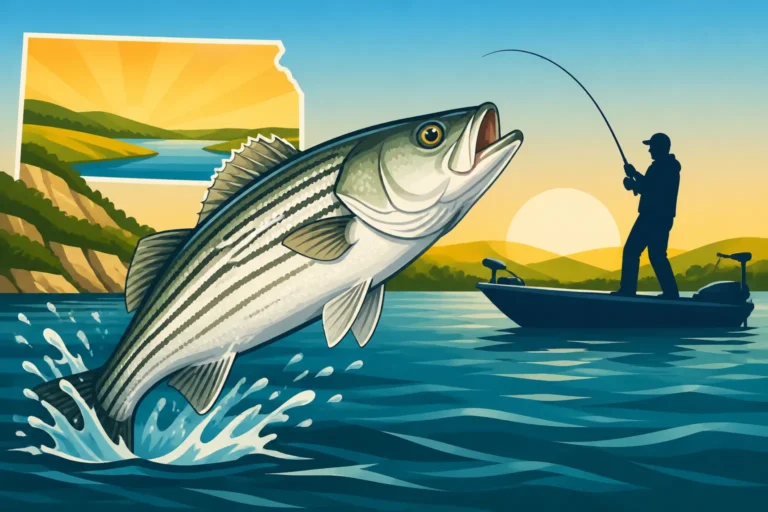
A wiper is a fascinating creature, not a naturally occurring fish in Kansas. It's a sterile hybrid cross between a striped bass (Morone saxatilis) and a white bass (Morone chrysops). Imagine combining the brute strength and size potential of a striped bass with the aggressive, schooling nature of a white bass, and you've got a wiper! They're engineered for performance, growing quickly and providing an incredible angling experience. They're typically identified by their broken or irregular lateral stripes, which can be a key differentiator from their white bass cousins whose stripes are usually solid.
Why Wipers are a Favorite Target for Anglers
Wipers have earned their reputation for a reason. First and foremost, their fight is legendary. When you hook into a decent-sized wiper, be prepared for a drag-screaming battle that will test your tackle and your stamina. They hit hard, run fast, and often make multiple powerful surges before coming to the net. Beyond their fighting prowess, wipers are also excellent table fare, offering firm, flaky white meat. Many anglers consider them one of the best-eating fish caught in Kansas. Plus, their schooling behavior means that once you find them, you can often enjoy prolonged action, making for memorable fishing trips.
The KDWP's Role in Wiper Stocking
The existence of wipers in our Kansas lakes is a testament to the hard work of the Kansas Department of Wildlife and Parks (KDWP). Since they are sterile, wipers cannot reproduce on their own, which means the KDWP actively stocks them into our reservoirs. This careful management ensures a healthy population for anglers to enjoy year after year. The KDWP biologists conduct regular surveys to monitor populations, assess growth rates, and determine appropriate stocking levels to maintain a sustainable and exciting fishery. Their efforts are crucial in keeping the wiper fishery vibrant and accessible.
Top Kansas Reservoirs for Hybrid Striped Bass
When it comes to finding wipers, certain reservoirs consistently outperform others due to their size, forage base, and habitat. These are the go-to spots for anglers looking to hook into these hard-fighting fish.
Cheney Reservoir
Located southwest of Wichita, Cheney Reservoir is often cited as one of the premier wiper fisheries in Kansas. This vast body of water, known for its strong winds and excellent fishing, provides the perfect habitat for wipers, particularly its abundant gizzard shad population, which is their primary food source. Anglers often find success targeting wipers around the dam, the numerous humps, and submerged roadbeds throughout the main lake.
During the spring and fall, wipers often school up in shallower water, especially around points and flats where they can ambush baitfish. In the heat of summer, they tend to move to deeper, cooler water, often suspending over open water or congregating around structure at the thermocline. Pay close attention to wind-blown shorelines, as this can push baitfish into concentrated areas, bringing wipers with them. Check out our detailed Cheney Reservoir Fishing Guide for even more specific tips.
Wilson Lake
Often hailed as one of the most beautiful lakes in Kansas, Wilson Lake also boasts a fantastic wiper fishery. Its rugged, rocky shoreline, clear waters, and deep canyons provide diverse habitat that wipers utilize throughout the year. Located near Lucas, Wilson Lake's wipers grow to impressive sizes, offering the chance at a true trophy fish.
Look for wipers near the deep main lake points, especially those with submerged timber or rock piles. The areas near the dam and around Hell Creek are known hotspots. Like Cheney, Wilson's wipers will follow baitfish. During low-light conditions or cooler temperatures, they might be found closer to the surface, but during bright, sunny days, they'll often suspend in deeper water or hug structure. Trolling can be particularly effective here to cover water and locate active schools.
El Dorado Lake
El Dorado Lake, situated northeast of Wichita, is another excellent destination for hybrid striped bass. This lake is known for its consistent action and healthy populations of both wipers and channel catfish. El Dorado offers a mix of open water and numerous coves, providing ample opportunities for different fishing styles.
Wipers at El Dorado frequently patrol the main lake points, especially those with access to deep water. The area around the dam and the submerged railroad tracks are popular spots for anglers. Early mornings and late evenings are prime times, as wipers will often push baitfish to the surface, creating explosive topwater action. Keep an eye out for feeding frenzies, where birds diving into the water can signal a school of wipers actively chasing shad. Our El Dorado Lake Fishing Guide provides more specifics on this excellent fishery.
Tuttle Creek Lake
While perhaps not as famous for wipers as Cheney or Wilson, Tuttle Creek Lake, near Manhattan, still offers a solid opportunity for hybrid striped bass, particularly for those willing to explore its vast waters. This large, flood-control reservoir has a robust population of baitfish, which fuels the growth of its wipers.
Tuttle Creek's wipers often congregate in the main lake basin, especially around prominent points and submerged humps. The river channel within the lake is also a key feature, as wipers will use it as a highway to move between different feeding grounds. Given its size, covering water efficiently is important here. Trolling with crankbaits or casting large swimbaits can help you find active schools. Don't overlook the areas closer to the dam, where current can concentrate bait and, consequently, wipers. If you're looking for an alternative to the more pressured wiper lakes, Tuttle Creek can be a great option.
Clinton Lake
For anglers in eastern Kansas, particularly those near Lawrence and Topeka, Clinton Lake offers a more accessible option for targeting wipers. While not typically known for the sheer numbers or size of wipers found in the western reservoirs, Clinton can still provide exciting action, especially during certain times of the year.
Wipers at Clinton Lake tend to focus on the main lake points and the deeper sections of the lake. They will often relate to the thermocline during summer months. Pay attention to fish finders for suspended schools of bait and larger fish. The area around the standing timber in the upper reaches of the lake can also hold wipers, especially if baitfish are present. Bank anglers can sometimes find success casting from points or near the dam during times when wipers push bait closer to shore. Remember that understanding Kansas Fishing Regulations Explained is crucial for all species, including wipers.
Here's a quick overview of some top wiper lakes:
| Reservoir | Primary Location | Key Structures | Best Times (General) | Notes |
|---|---|---|---|---|
| Cheney Reservoir | SW of Wichita | Dam, humps, roadbeds, wind-blown flats | Spring/Fall, Summer | Excellent shad base, consistent action |
| Wilson Lake | Near Lucas | Deep points, rocky shorelines, canyons | Spring/Fall, Summer | Trophy potential, clear water |
| El Dorado Lake | NE of Wichita | Main lake points, dam, railroad tracks | Spring/Fall, Summer | Good numbers, topwater action, accessible |
| Tuttle Creek Lake | Near Manhattan | Main lake basin, river channel, humps | Spring/Fall | Large reservoir, good for trolling |
| Clinton Lake | Near Lawrence | Main lake points, deeper sections | Spring/Fall | Eastern KS option, good for local anglers |
Key Factors for Finding Hybrid Striped Bass
Wipers aren't just swimming aimlessly; they follow patterns and prefer specific conditions. Understanding these factors is key to consistently putting them in the boat.
Identifying Prime Structures and Depths
Like many predatory fish, wipers are highly structure-oriented, especially when those structures are near deep water or baitfish concentrations. Look for features like submerged humps, ledges, main lake points, and old roadbeds. These act as ambush points where wipers can hide and dart out to attack passing schools of shad.
During warmer months, wipers often suspend over deeper water, sometimes relating to the thermocline—the layer of water where temperatures change rapidly. Your fish finder will be your best friend here, helping you locate schools of baitfish and the larger arches of wipers beneath them. In cooler temperatures, or during low-light periods, they might move shallower, especially around rocky points or sandy flats. Mastering Kansas Wiper Fishing Techniques often involves a combination of looking for structure and active bait.
The Importance of Baitfish
You simply won't find wipers without baitfish, particularly gizzard shad. Wipers are voracious predators, and their entire existence revolves around finding and consuming these oily baitfish. If you can locate the bait, you're usually not far from the wipers.
Keep an eye on your electronics for large schools of baitfish. When you see dense clouds of shad, especially in open water, wipers are likely to be lurking nearby, either directly within the school or just beneath it. Also, observe your surroundings for surface activity: diving birds, splashes, or even subtle ripples can indicate wipers pushing shad to the surface. This is when the action can truly explode!
Best Times and Seasons to Target Wipers
Wipers can be caught year-round in Kansas, but certain seasons and times of day offer better chances for success.
- Spring: As water temperatures rise, wipers become very active. They'll often move shallower, especially in the backs of coves or around points, to feast on spawning shad. This is a great time for casting crankbaits and swimbaits.
- Summer: The heat of summer pushes wipers deeper during the day. Look for them suspending over open water, relating to the thermocline. Early mornings, late evenings, and even night fishing can be incredibly productive, as wipers will often move shallower to feed under the cover of darkness. For more on this, check out our Kansas Night Fishing Guide.
- Fall: This is arguably the most exciting time to target wipers. As water temperatures drop, shad schools become more concentrated, and wipers go on a feeding frenzy to bulk up for winter. Look for aggressive topwater action and large schools attacking bait.
- Winter: While slower, wipers can still be caught through the ice or by targeting deep, slow-moving schools with vertical jigging presentations. They'll be less active but still feed when the opportunity arises. Understanding the general Kansas Fishing Seasons Guide can help you plan your trips effectively.
Essential Gear and Techniques for Wipers
Having the right tools and knowing how to use them will make a huge difference in your wiper success. These fish pull hard, so your gear needs to be up to the task.
Rods, Reels, and Line Choices
For wipers, you'll want a medium-heavy to heavy action spinning or baitcasting rod, typically in the 7 to 7.5-foot range. This length provides good casting distance and enough backbone to handle a powerful fish. Pair it with a sturdy reel, size 3000-4000 for spinning or a robust low-profile baitcaster, capable of holding plenty of line and delivering smooth drag.
Speaking of line, braided line in the 20-30 lb test range is a popular choice for its strength, sensitivity, and lack of stretch, which helps with solid hooksets. Many anglers will then tie on a 15-20 lb fluorocarbon leader for abrasion resistance and invisibility. The strength of your line is critical when a large wiper makes a blistering run. Don't skimp on quality here! For general guidance, our Kansas Fishing Gear Guide can offer more comprehensive advice.
Lures and Baits That Get Bites
Wipers are opportunistic predators, and a variety of lures and baits can be effective.
- Topwater Lures: Nothing beats the excitement of a topwater strike! Poppers, walking baits (like a Heddon Super Spook), and prop baits work wonders, especially during low-light conditions or when wipers are actively busting bait on the surface.
- Crankbaits: Medium to deep-diving crankbaits that mimic shad are incredibly effective, especially when trolling or casting to cover large areas. Colors like chrome/blue, shad patterns, and white are usually good bets.
- Jigs and Swimbaits: Heavy Kastmaster spoons, War Eagle Spoon, or soft plastic swimbaits rigged on heavy jig heads (1/2 oz to 1 oz) are great for vertical jigging on schools you mark with your electronics or for casting to schooling fish.
- Live Bait: If all else fails, live shad or large shiners fished under a bobber or on a bottom rig are often irresistible to wipers. This can be particularly effective when fish are deeper or less active. For more detailed lure advice, check out our guide on Best Lures for Hybrid Striped Bass.
Trolling and Casting Strategies
Both trolling and casting have their place in wiper fishing.
- Trolling: This is a highly effective method for covering vast expanses of water, especially on large reservoirs like Cheney or Wilson. Use deep-diving crankbaits or umbrella rigs to mimic schools of baitfish. Pay attention to your speed and depth to stay in the strike zone. Your fish finder will be invaluable for identifying productive depths and baitfish concentrations.
- Casting: When wipers are actively feeding on the surface or concentrated around specific structures like points or humps, casting is the way to go. Use topwater lures for surface bites, or cast swimbaits and heavy jigs to breaking fish or marked schools. Quick, aggressive retrieves often trigger strikes. Don't be afraid to experiment with retrieve speeds until you find what the fish prefer on a given day.
Planning Your Kansas Wiper Fishing Trip
A successful wiper trip requires a bit of planning, from ensuring you're legal to considering professional help.
Checking Regulations and Forecasts
Before heading out, always double-check the current Kansas Fishing Regulations Explained for hybrid striped bass. Limits and length requirements can vary by lake and change periodically, so staying informed is crucial. You'll also need a valid Kansas fishing license, which you can easily acquire online or at various vendors. For information on obtaining one, see our Kansas Fishing License Guide.
Weather can change quickly on large Kansas reservoirs, so always check the forecast. Strong winds can make boating hazardous and fishing difficult, especially on lakes like Cheney or Wilson. Dress in layers, bring rain gear, and always prioritize safety on the water.
Considering a Fishing Guide
If you're serious about catching wipers, especially big ones, but don't have the specialized gear or local knowledge, hiring a reputable fishing guide can be an excellent investment. A good guide will know the lake inside and out, have top-notch equipment, and put you on fish. They can teach you techniques, explain patterns, and save you countless hours of searching.
Websites like FishingBooker are fantastic resources for finding experienced guides in Kansas. You can browse different guides operating on specific lakes, read reviews from other anglers, and compare prices and offerings. This is especially helpful if you're traveling from out of state or want to maximize your time on the water. A guide can significantly shorten the learning curve and provide an unforgettable experience.
Safety on Kansas Reservoirs
Fishing on large reservoirs, especially in a boat, demands attention to safety. Always wear a life jacket, especially when underway. Ensure your boat is equipped with all necessary safety gear, including a fire extinguisher, horn, and throwable device. If you're bringing your own boat, remember that all vessels need to adhere to Kansas Boat Registration for Anglers rules.
Inform someone of your float plan – where you're going and when you expect to return. Be mindful of changing weather conditions and know when to seek shelter. Hypothermia is a risk in cooler months, and dehydration and sun exposure are concerns in summer. Pack plenty of water, sunscreen, and appropriate clothing for the conditions. Your safety is paramount, allowing you to enjoy the thrilling pursuit of Kansas wipers for years to come. Who knows, you might even set a new Kansas State Record Fish Guide for wipers!
Disclaimer
Please note that fishing conditions, regulations, and fish populations can change. Always consult the official Kansas Department of Wildlife and Parks (KDWP) website for the most current regulations, stocking reports, and advisories before planning your fishing trip. This guide is for informational purposes only and should not be considered legal advice.