Where to Find the Kansas Fishing Regulations Summary
Trying to keep up with all the ins and outs of Kansas fishing regulations can feel like trying to solve a complicated puzzle, especially when you just want to get out on the water and enjoy yourself. You're not alone if you've ever felt overwhelmed by conflicting information or simply didn't know where to start looking for the most current rules. This guide is here to cut through the confusion and show you exactly where to find the official, up-to-date Kansas fishing regulations summary, ensuring your time on the water is both productive and legally sound.
The Official Source for Kansas Fishing Regulations
When it comes to fishing regulations, getting your information straight from the horse's mouth is absolutely critical. Unofficial websites, forum posts, or even well-meaning friends can sometimes provide outdated or inaccurate information, which could unintentionally land you in hot water with the Kansas Department of Wildlife and Parks (KDWP). Always go directly to the source for the most reliable and current rules.
Why Official Sources Are Crucial
Think about it: the rules around fishing aren't just suggestions; they're legal requirements designed to protect Kansas's precious aquatic resources and ensure fair sport for everyone. Fish populations, environmental factors, and even angler pressure can change from year to year, prompting the KDWP to adjust bag limits, length limits, or even season dates. Relying on an official source, like the KDWP, means you're operating with the most accurate data, which not only keeps you compliant but also helps you contribute to sustainable fishing practices in our state. Imagine heading out to Milford Lake, ready to fill your cooler with crappie, only to find out the length limits changed last month. Knowing where to find the Kansas Fishing Regulations Explained before you go is paramount.
What's more, adhering to the official guidelines protects you from potential penalties. Nobody wants a fishing trip to end with a fine or, worse, confiscation of gear. The KDWP regulations summary clearly outlines everything you need to know, from general statewide rules to specific exceptions for individual bodies of water, ensuring you understand your responsibilities as an angler.
Navigating the KDWP Website
The internet is often the fastest and most convenient way to access the current Kansas fishing regulations. The official website for the Kansas Department of Wildlife and Parks (KDWP) is your primary digital hub for all things fishing-related.
To find the summary online, here's a step-by-step approach:
- Head to the KDWP Website: Open your browser and navigate to
kdwp.ks.gov. This is the gateway to all the official information you'll need. - Look for the "Fishing" Section: Once on the homepage, you'll typically find a main navigation menu. Look for a clear link labeled "Fishing" or "Fishing & Boating." Click on that.
- Find the Regulations Link: Within the fishing section, scan for something like "Regulations," "Summary of Fishing Regulations," or "Fishing Rules." The KDWP usually publishes an annual summary in PDF format that you can easily download and even print if you prefer a physical copy. They make it quite prominent because it's such an essential document for anglers.
- Check the Publication Date: This is super important. Always verify that the document you're viewing is the most current edition. The KDWP typically updates its regulations annually, often around January 1st. You'll usually see the year clearly marked on the cover or in the file name (e.g., "Kansas Fishing Regulations 2024"). Don't get caught looking at last year's rules!
The KDWP website is also an excellent resource for other related information, such as where to buy a license, Kansas Fishing License Online Renewal, or even Kansas Fishing Seasons and Limits for specific species. With a few clicks, you can ensure you're fully prepared before you even leave your driveway.
Physical Copies of the Regulations Summary
While the internet offers convenience, there's still a lot to be said for having a physical copy of the regulations summary in your hands. It's a reliable backup when cell service is spotty out on a remote lake or if your phone battery decides to die just when you need to check a rule.
Local Vendors and KDWP Offices
Getting a printed copy of the Kansas fishing regulations summary is usually pretty straightforward. You're not expected to print the whole thing yourself if you don't want to!
Here’s where you can typically find them:
- KDWP Regional and District Offices: The KDWP maintains several regional and district offices across the state. These are excellent places to not only pick up a regulations booklet but also to ask specific questions directly to staff who are experts in Kansas wildlife and parks. A quick search on the KDWP website will provide a list of office locations and hours.
- License Vendors: Most places that sell fishing licenses are also stocked with the current year's regulations summary. Think about your local bait shops, sporting goods stores like Cabela's or Academy Sports + Outdoors, and even the sporting goods department at larger retailers like Walmart. When you go to Where to Buy a Kansas Fishing License, simply ask for a printed copy of the regulations summary—they'll almost always have them available for free.
- State Park Offices: Many Kansas State Parks, especially those with popular fishing access points, will have regulation booklets available at their park offices or visitor centers. If you're planning a trip to Wilson Lake or El Dorado Lake, stopping by the park office is a great way to grab a copy and get local insights.
Picking up a physical copy when you get your license is a great habit. Just make sure it’s the current year’s edition, as sometimes older copies can linger on shelves.
The Benefit of Having a Physical Copy
In an increasingly digital world, a physical booklet might seem old-fashioned, but it offers some undeniable advantages for anglers:
- No Internet Required: This is perhaps the biggest benefit. Many of Kansas's best fishing spots, especially those remote hidden gems, have little to no cell phone reception. A physical copy means you can check rules on the fly, right there on the water, without worrying about signal strength or data limits.
- Battery Life Independent: Your phone or tablet battery isn't going to last forever, especially if you're using it for GPS, fish finders, and snapping photos of your catches. A paper booklet doesn't need charging, ever.
- Durability (with a little help): While paper itself isn't waterproof, a simple ziplock bag or a dedicated waterproof pouch can protect your regulations summary from the elements. While you won't find the official KDWP summary for sale on Amazon, it's a fantastic place to pick up supplemental guides or even a durable, waterproof pouch to protect your printed copy while you're out on the water. Think about how many times you've dropped something in the drink! A good Best Tackle Box Setup for Kansas Anglers purchased from Amazon could also keep your regulations neat and organized.
- Easy Flagging and Notes: You can dog-ear pages, highlight key regulations for the species you're targeting, or even jot down notes right next to the relevant rule. This personal touch can make it much easier to quickly find the information you need.
Keeping a current summary tucked into your tackle box, boat, or truck glove compartment is a smart move for any Kansas angler.
Understanding the Regulations Summary Document
Once you have the Kansas Fishing Regulations Summary in hand (or on your screen), it's important to know how to read and interpret it effectively. It's not just a collection of numbers; it's a comprehensive guide to responsible and successful fishing in Kansas.
Key Sections to Pay Attention To
The KDWP regulations summary is typically organized logically, but certain sections demand more of your attention.
- General Statewide Regulations: This section covers the overarching rules that apply to most waters in Kansas, including general license requirements, legal fishing methods, and basic statewide limits for common species. For instance, it'll cover the statewide minimum age for a Fishing License Age Requirements in Kansas or universal rules about possessing live bait.
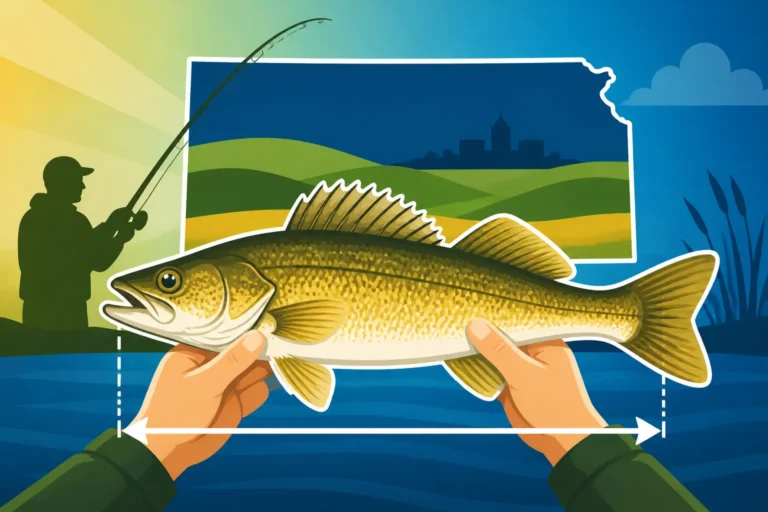
- Species-Specific Regulations: This is where you'll find the nitty-gritty details for individual fish species. It will list length limits (e.g., Kansas Walleye Minimum Length Limit of 21 Inches), daily creel limits (e.g., Kansas Crappie Daily Limit of 50 Fish), and sometimes even possession limits for popular fish like walleye, crappie, catfish, and bass. Pay close attention here, as these numbers can change.
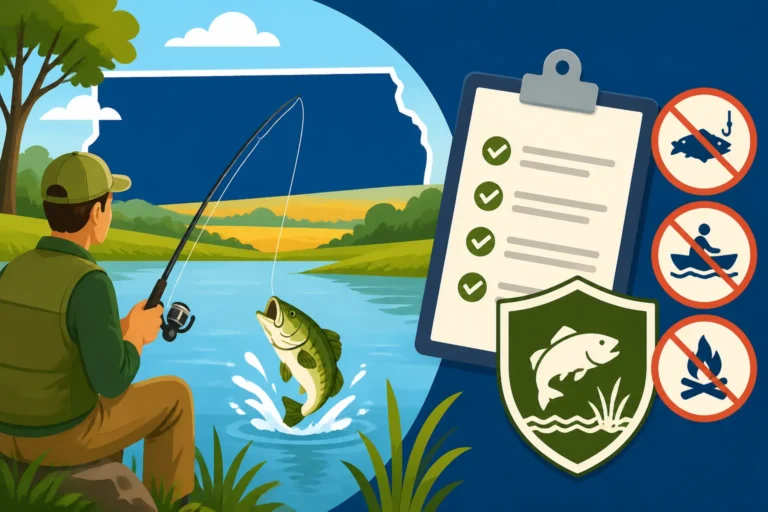
- Special Regulations for Specific Waters: This section is perhaps the most overlooked but crucially important part of the summary. Many individual lakes, reservoirs, community fishing lakes, and rivers in Kansas have rules that differ from the statewide general regulations. For example, a particular lake might have a different length limit for bass or a reduced creel limit for channel catfish compared to the general statewide rule. Always double-check this section for the specific body of water you plan to fish. You might find unique rules for Kansas Community Fishing Lake Rules or even specific trout regulations if you're fishing one of the KDWP's stocked Kansas Trout Stream Locations.
- Definitions and General Information: Don't skip over the definitions section! Understanding terms like "daily creel limit," "possession limit," or "snagging" is essential to correctly interpreting the rules. This section also often includes important information on topics like Kansas Boat Registration Guide for anglers, boating safety, and contact information for the KDWP.
A thorough read-through will save you headaches and ensure you're fishing within the bounds of the law, no matter if you're targeting a Kansas State Record Walleye or just enjoying a peaceful afternoon with panfish.
The Importance of Annual Updates
Fisheries management is a dynamic science, and as such, fishing regulations are not static. The KDWP constantly monitors fish populations, habitat conditions, and angler harvest rates across the state. These assessments are vital for making informed decisions that ensure healthy fisheries for current and future generations.
Because these conditions can change, the regulations summary is updated annually. What was legal last year might not be this year, or vice versa. For example, if a particular crappie population is struggling in a certain lake, the KDWP might implement a more restrictive length or bag limit to help that population recover. Conversely, if a species is thriving, they might loosen restrictions.
Always make it a habit to obtain the newest regulations summary at the beginning of each fishing year (usually January 1st in Kansas). Don't assume last year's booklet is still valid. A quick check of the KDWP website or a visit to your local license vendor will ensure you have the most current information. And hey, once you know what you're targeting and what gear you need, sites like Amazon are perfect for stocking up on Best Lures for Kansas Walleye or that new pair of polarized sunglasses.
Common Pitfalls When Looking for Regulations
Even with the best intentions, it's easy to fall into traps when searching for fishing regulations. Knowing these common pitfalls can help you avoid mistakes and ensure you always have the correct information.
Outdated Information Online
This is perhaps the most insidious trap for modern anglers. While the internet is a fantastic resource, it's also a vast repository of old and sometimes incorrect information. A quick Google search might bring up an archived PDF from 2018 or an old blog post detailing rules that are no longer in effect.
Here’s why this is so dangerous:
- Website Longevity: Some websites, even reputable ones, might not diligently update their pages every year. They could have an old PDF linked from a deep corner of their site that looks official but isn't current.
- Search Engine Caching: Search engines sometimes cache older versions of pages, meaning even if a site has updated its content, you might still see an outdated snippet in your search results.
- Unverified Sources: Beyond official KDWP channels, many angling forums, personal blogs, or regional tourism sites might offer summaries of regulations. While these can sometimes be helpful, they are not authoritative. Always cross-reference any information from these sources with the official KDWP document.
The key takeaway here is to always verify the source and, more importantly, the publication date. If it's not directly from kdwp.ks.gov and clearly marked for the current year, be extremely skeptical. Relying on outdated information could lead to serious consequences, including Fishing Without a License Penalties in Kansas if you misinterpret license requirements.
Overlooking Specific Waterbody Rules
Another major pitfall is assuming that statewide regulations apply uniformly to every single body of water in Kansas. This is a common and understandable mistake, but one that can quickly lead to violations.
Here's why individual waterbody rules are so prevalent and why you must check them:
- Localized Management: Fish populations can vary significantly from one lake to another due to factors like water quality, fishing pressure, stocking programs, and habitat. The KDWP implements specific regulations to manage these local populations effectively. For example, a trophy walleye program might be in place at Wilson Lake with different length limits than a general walleye fishery at Cheney Reservoir.
- Community Fishing Lakes (CFLs): These smaller, often urban or community-managed ponds and lakes frequently have their own unique sets of rules, which can include modified bag limits, specific bait restrictions, or even youth-only fishing areas. These rules are usually posted prominently at the lake itself, but they are also detailed in the KDWP summary under the "Community Fisheries" section.
- State Fishing Lakes and Reservoirs: Even our larger, well-known reservoirs often have specific rules that supersede the statewide ones. This could be anything from slot limits for bass to seasonal restrictions on certain species. If you're heading to Milford Lake for the famed white bass run, you'll want to be sure you check the specific rules for that body of water.
Before you cast your first line at any new (or even familiar) fishing spot, make it a non-negotiable habit to check the "Special Regulations for Specific Waters" section in the current KDWP summary. A few minutes of research can save you a lot of hassle and ensure you're fishing ethically and legally. This is especially true if you plan to get a Kansas Trout Permit Guide and fish in designated trout waters, which always have their own set of specific rules and seasons.
Here’s a quick summary of where to find the regulations:
| Source Type | Accessibility | Key Advantages | Considerations |
|---|---|---|---|
| KDWP Website | High (Internet Req.) | Always most current, searchable, downloadable PDF | Requires internet access, must verify current year |
| KDWP Offices | Moderate | Official staff assistance, guaranteed current copy | Limited hours, travel may be required |
| License Vendors | High (Widespread) | Convenient to pick up with license, free | May have limited stock or older editions if not diligent |
| State Parks | Moderate (Localized) | Handy if already visiting park, local info | Specific to park locations, limited stock |
Disclaimer
Please remember that while this guide provides comprehensive information on where to find the Kansas fishing regulations summary, it is not a substitute for the official document itself. Regulations can change, and it is the individual angler's responsibility to review and adhere to the most current rules published by the Kansas Department of Wildlife and Parks. Always consult the official KDWP website or a current printed summary before you go fishing.