What Largemouth Bass Eat Ponds
Have you ever stared out at a quiet Kansas pond, wondering what exactly the big, shadowy form of a largemouth bass lurking beneath the surface is really looking for to satisfy its hunger? It’s a common question, and understanding the diet of these powerful predators in their pond environments is absolutely key to catching them consistently. This guide will dive deep into the diverse menu of a pond-dwelling largemouth bass, helping you tailor your approach to what they naturally crave.
The Diverse Natural Diet of Largemouth Bass in Kansas Ponds
Largemouth bass are opportunistic predators, meaning they'll eat just about anything they can fit into their mouths, given the chance. In the confined, often self-contained world of a Kansas farm pond, their diet is typically dictated by what’s readily available in that specific ecosystem. It’s not just about big fish; it’s a whole smorgasbord of life that sustains these amazing game fish.
Primary Forage Fish
When most anglers think about what a largemouth bass eats, they immediately picture smaller fish. And they wouldn't be wrong! Forage fish are often the cornerstone of a healthy bass diet in many Kansas ponds, driving growth and aggression.
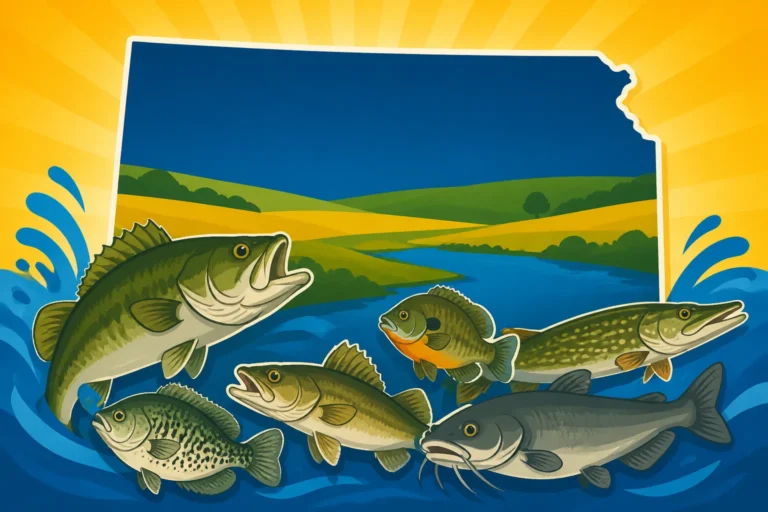
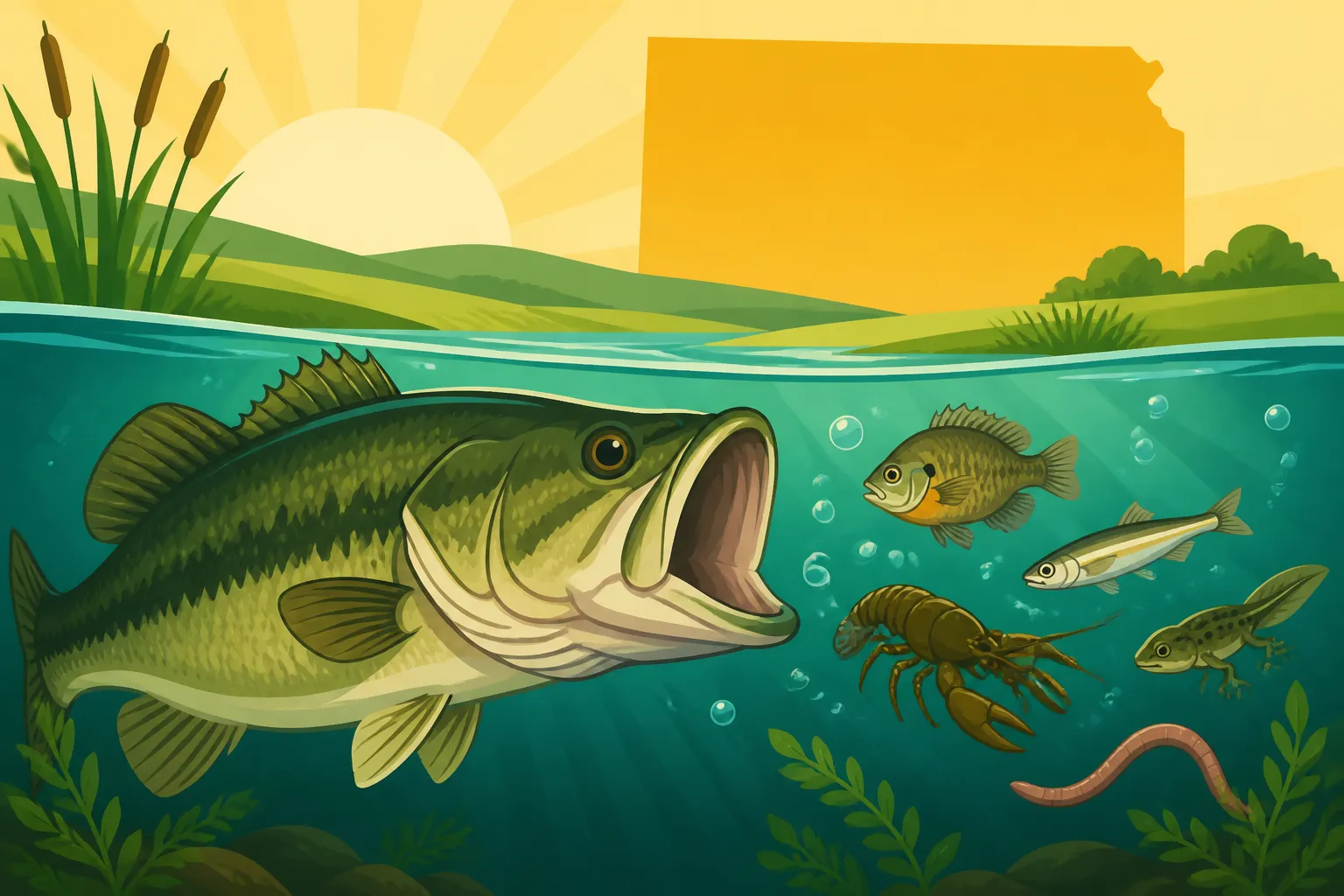
Bluegill and other sunfish are the classic bass meal, and for good reason. Ponds across Kansas are often teeming with them, providing a constant, protein-rich food source. Bass will actively hunt down bluegill, especially smaller ones, using cover and ambush tactics. When a pond has a strong population of bluegill, you'll often find a healthier, larger bass population because they have a consistent and easy-to-catch food supply. These panfish directly influence the size and overall health of the bass, sometimes even leading to a stunted bass population if the bluegill are too numerous and small. Understanding this dynamic is crucial for pond owners and anglers alike. Many anglers looking to stock a pond will prioritize bluegill because of this very relationship.
Minnows and various smaller baitfish, like shiners or fathead minnows, can also be a significant part of the diet, particularly in ponds connected to larger water systems or those specifically stocked with baitfish. While not always as prevalent in isolated farm ponds as bluegill, if these baitfish are present, bass will certainly capitalize on them. They're quick, often schooling fish, which can trigger an aggressive feeding response from bass. Imagine a school of shiners darting nervously near a weed bed; that’s an open invitation for a lurking largemouth.
Amphibians, Reptiles, and Insects
While fish are important, bass don't discriminate when it comes to a meal. Many other creatures that inhabit or visit a pond's edge also end up on the menu, especially during certain times of the year or under specific conditions.
Frogs and salamanders are opportunistic snacks, particularly for bass patrolling the shallow, vegetated edges of a pond. After a good rain, or during the cool evenings, frogs might be more active near the water's edge, making them easy targets. A bass isn't going to turn down a juicy green frog that hops too close to its hiding spot. These can be prime targets for topwater presentations. Salamanders, too, when present, provide a slow-moving, high-calorie meal that bass will readily consume. It's a classic scenario: a bass waiting patiently under a lily pad, ready to ambush anything that moves above it.
Crayfish are an absolute high-protein staple for many largemouth bass, particularly the larger, more mature ones. These crustaceans are bottom-dwellers, and bass will often root them out from under rocks, logs, or in rocky areas. Their hard shells offer a good source of calcium, and they represent a substantial meal that can keep a bass full for a while. If you've ever cleaned a bass and found bright orange fragments in its stomach, chances are it was a crayfish. Understanding that bass love crayfish can greatly influence your lure selection, especially when fishing deeper structure. Many anglers swear by crayfish-imitating jigs and soft plastics, which you can easily find on Amazon, knowing that these will appeal directly to a bass's natural instincts.
Even terrestrial insects and worms find their way into a bass's diet. During heavy rains, worms can get washed into the water from surrounding banks, becoming an easy meal for bass cruising the shallows. Grasshoppers, cicadas, and other large insects that fall into the water from overhanging trees are also quickly gobbled up. This kind of feeding is often surface-oriented and can be incredibly exciting to witness. It highlights how bass are truly adaptive predators, taking advantage of whatever food source presents itself in their immediate environment.
The Influence of Pond Ecosystems on Bass Feeding Habits
A pond is not just a body of water; it's a dynamic ecosystem where every element plays a role in how and what largemouth bass eat. From its physical characteristics to its unique underwater features, the environment shapes the entire food web and dictates the bass's hunting strategies.
Impact of Pond Size and Depth
The sheer dimensions of a pond — its size and depth — fundamentally impact the forage available and how bass interact with it. Smaller, shallower ponds, for instance, might have a more limited variety of forage species compared to larger, deeper ones. They might be dominated by bluegill and minnows, with fewer diverse options. Bass in these ponds become extremely adept at hunting these primary species. Conversely, a larger pond with varying depths can support a more complex food web, offering bass a wider array of prey. The deeper areas can hold cooler water in summer, providing refuge for both bass and some of their preferred prey.
The effect of depth on thermal layers and prey distribution is also paramount. In summer, deeper ponds often stratify into distinct temperature layers. Bass, being cool-water tolerant but not cold-water loving, will often retreat to the cooler, oxygen-rich thermocline layer. Their prey might also follow these temperature preferences. This means anglers need to adjust their presentation to target these specific depths. For instance, a bass that might be cruising the shallow weeds in spring could be holding 15 feet down over an old creek channel in mid-July. Understanding Kansas Fishing Seasons Guide provides insight into how these factors change throughout the year.
Vegetation and Structure as Hunting Grounds
For a largemouth bass, cover isn't just a place to hide; it's a strategic hunting ground. The aquatic vegetation and physical structures within a pond are crucial for both ambush predators and their prey.
Lily pads, submerged grass beds, and fallen timber provide perfect ambush points. A bass can disappear into the shadows of a thick lily pad patch, waiting for an unsuspecting bluegill to swim by. Similarly, dense submerged grass acts like an underwater forest, hiding bass as they stalk their prey. These areas also offer refuge for baitfish, creating a classic predator-prey dynamic. If you're fishing a pond with lots of these features, you know you're in for some exciting strikes. Think of it as an underwater diner and a hiding spot rolled into one. Anglers often focus their efforts around these features, knowing that bass are drawn to them. For more on this, check out Structure Fishing for Kansas Bass.
Docks, old tires, rock piles, and other man-made structures also play a significant role. These artificial structures provide vertical cover and shade, attracting both baitfish and the bass that feed on them. Bass love to hold near the posts of a dock, waiting to dart out and ambush anything that ventures too close. These areas can be productive year-round, as they offer consistent cover regardless of seasonal changes in vegetation. They also create distinct depth changes and current breaks, which are highly attractive to fish.
Water Clarity and Temperature
Water clarity and temperature are environmental factors that profoundly influence how bass hunt and what they feed on. Bass, like most fish, are cold-blooded, so water temperature directly affects their metabolism and activity levels.
In clear water, bass rely heavily on their eyesight to hunt. They might be more selective about their prey, and presentations that are subtle and natural-looking tend to be more effective. If the water is crystal clear, a bass can easily spot a natural-looking worm or a carefully presented jig. This can also make them warier, requiring longer casts and more finesse. Conversely, murky water forces bass to rely more on their other senses, like their lateral line (which detects vibrations) and sense of smell. In these conditions, baits that create a lot of vibration or have a strong scent, like some of the specialized soft plastics available on Amazon, can be incredibly effective.
Water temperature affects not just bass, but also the activity of their prey. In colder water, both bass and their forage are more lethargic, meaning bass might prefer slower-moving, easier-to-catch meals. This is why techniques for Kansas Winter Trout Fishing Guide can sometimes offer useful crossover lessons for cold-water bass fishing – slow and steady often wins the race. As the water warms up, bass become more active and aggressive, chasing faster-moving baitfish. During the peak of summer, when water temperatures soar, bass might become less active during the day, moving to deeper, cooler sections of the pond or feeding more actively during low-light conditions.
| Environmental Factor | Impact on Bass Feeding | Preferred Prey Characteristics |
|---|---|---|
| Clear Water | Sight-hunting, more selective | Natural appearance, subtle movements |
| Murky Water | Vibration/scent hunting, less selective | Strong vibrations, pungent scent, larger profile |
| Warm Water (Spring) | High metabolism, aggressive feeding near spawning areas | Active baitfish, panfish, easy meals |
| Hot Water (Summer) | Seek cooler depths or feed during low light, less active | Slower-moving prey, opportunistic strikes near cover |
| Cool Water (Fall) | Pre-winter feeding frenzy, active throughout the day | Large meals, schooling baitfish, protein-rich items like crayfish |
| Cold Water (Winter) | Slow metabolism, lethargic, often suspended or near bottom | Small, slow-moving prey, minimal effort to catch |
Mimicking Natural Prey with Artificial Lures and Baits
Understanding what largemouth bass eat in their natural pond environment gives us a huge advantage when it comes to selecting the right artificial baits. The goal is always to present something that looks, sounds, or feels like a real meal. The market for fishing lures is vast, but focusing on lures that mimic common pond forage will significantly increase your success rate.
Topwater Lures for Surface Feeding
There's nothing quite like a bass "blow-up" on a topwater lure. These baits are designed to imitate distressed prey on the water's surface, triggering some of the most exciting strikes in fishing.
Frogs, poppers, and walking baits are fantastic for imitating amphibians or small rodents that have fallen into the water. Frog lures, with their soft bodies and weedless hooks, are perfect for skipping across lily pads or dense matted vegetation where real frogs live. A bass lurking below can't resist the temptation of a frog silhouette overhead. Poppers create a "chug" and splash that mimics a struggling critter, drawing bass from several feet away. Walking baits, like a Zara Spook, "walk the dog" across the surface, imitating a wounded baitfish. These are best used in low-light conditions like dawn or dusk, or on overcast days when bass are more willing to feed on the surface. For an excellent breakdown, you might find useful tips in Best Topwater Lures for Bass.
Targeting the "blow-up" strike isn't just about the lure; it's about the presentation. You want to make your lure look vulnerable, easy prey. Cast to cover, let the ripples dissipate, and then twitch, pause, and retrieve. The pause is often when the magic happens. The longer the pause, the more tempting it can be. Bass are ambush predators, and a slow, deliberate retrieve makes your lure an irresistible target. Many anglers build an entire topwater tackle box, sourcing various sizes and colors of these enticing lures, often finding great deals and selections on Amazon.
Subsurface Baits for Deeper Forage
While topwater action is thrilling, most of a bass's diet comes from beneath the surface. This is where subsurface baits shine, imitating the vast array of baitfish, panfish, and crustaceans that make up the bulk of a bass’s diet.
Crankbaits and swimbaits are excellent for imitating baitfish and panfish, like the bluegill we discussed earlier. Crankbaits dive to different depths depending on their lip design, allowing you to target various zones in the water column. A shallow-diving crankbait might mimic a minnow fleeing across a submerged weed flat, while a deep diver can get down to bass holding over an old creek bed. Swimbaits, with their realistic profiles and swimming actions, are incredibly effective at mimicking larger baitfish or even smaller panfish. Their lifelike movement can fool even the wariest bass. Using the right color is also crucial; matching the hatch, so to speak, means using colors that resemble the local forage, whether that's natural green pumpkin or something with a bit of flash like shad.
Jigs and soft plastics are incredibly versatile and can mimic a wide range of bottom-dwelling prey, from crayfish to worms and even dying baitfish. A jig with a skirt or a soft plastic trailer can look exactly like a crayfish scuttling along the bottom. Worms and creature baits, when Texas-rigged or Carolina-rigged, can imitate a worm or other invertebrate moving through the weeds or across the pond floor. These baits are often fished slower, allowing them to probe cover thoroughly. The subtle vibrations and lifelike textures of modern soft plastics are hard for a bass to ignore. Many anglers carry a wide assortment of these, often restocking their favorites from online retailers like Amazon. This ensures they always have the right imitation for whatever the bass are keying in on.
Live Bait Options for Pond Bass
While artificial lures are incredibly effective and rewarding, sometimes nothing beats the real thing. Live bait has a natural scent, texture, and movement that artificials can only strive to imitate.
Minnows and worms are traditional live bait choices that bass find irresistible. A lively minnow suspended under a bobber near a brush pile is an easy meal for a bass. Similarly, a wiggling nightcrawler or redworm is a universal fish attractant, and bass are no exception. These are particularly effective when the bass are sluggish or less aggressive, as the live bait's natural movements can often trigger a strike when artificials might fail. Even crickets, if available, can be effective, especially for smaller bass in shallow water, mimicking terrestrial insects that have fallen in. Using live bait can be a great way to introduce beginners or children to the joys of fishing, as the chances of success often increase significantly.
However, it's important to be mindful of regulations on live bait use. While typically permitted in private ponds, public waters might have specific rules. Always double-check Kansas Fishing Regulations Explained or consult the Kansas Wildlife and Parks License Phone Number if you have questions, especially when fishing public community lakes or state fishing lakes. Certain species of baitfish might be prohibited to prevent the spread of disease or invasive species. Always source your live bait responsibly and locally when possible to minimize any potential risks to the pond's ecosystem.
Adapting Your Approach: Seasonal and Situational Feeding Patterns
Largemouth bass are creatures of habit, but their habits are heavily influenced by the seasons and immediate conditions. Understanding these changes in feeding patterns is crucial for consistently catching them in Kansas ponds. The bass that was crushing topwater frogs in May might be nearly impossible to find in that same spot in August.
Springtime Spawning and Post-Spawn Feeding
Spring in Kansas brings warming water, and with it, a surge in bass activity. This season is often divided into pre-spawn, spawn, and post-spawn phases, each with distinct feeding behaviors.
During the pre-spawn, as water temperatures rise into the 50s and 60s Fahrenheit, bass begin to move from their deeper wintering areas into shallower coves and flats. They are bulking up for the rigors of spawning, meaning aggressive feeding is common. This is when they'll often chase larger baits, trying to pack on calories. Think about what a bass needs before a marathon – lots of food! This period can offer some of the most exciting fishing of the year. For more on this, consult the Kansas Spring Fishing Guide.
After the spawn, when the water is typically in the mid-60s to low-70s, bass can be somewhat exhausted and may move to slightly deeper water or denser cover to recover. This post-spawn period often sees them feeding on easy meals close to their spawning beds. They might be guarding fry or simply resting, but they're still hungry. Presentations that are less aggressive, like a slow-moving worm or a finesse jig, can be very effective here. They're still focused on rebuilding energy, but perhaps with less frenetic effort.
Summer Heat and Night Feeding
Kansas summers can get hot, and pond water temperatures can climb rapidly. This heat significantly impacts where and when bass feed.
During the hottest parts of the day in summer, bass often move to deeper, cooler water. They'll seek out thermal refuges near springs, deep points, or the shade of dense cover like docks or large overhanging trees. Their metabolism slows slightly, and they might become less active during midday. This means you need to get your baits down to them, using deep-diving crankbaits, heavy jigs, or even bottom-contact soft plastics. Fan-casting is less effective; precision casts to specific pieces of deep cover become paramount.
However, the heat also ushers in a fantastic opportunity: increased activity during low light and night feeding. As the sun sets and the water cools, bass often move into shallower water to hunt, taking advantage of the cooler temperatures and reduced light. This is prime time for topwater lures, dark-colored spinnerbaits, or noisy buzzbaits that create a strong silhouette and vibration. The absence of bright sunlight makes bass less wary and more willing to chase prey near the surface. The thrill of a bass striking a topwater lure in the dark is truly something special. While specific to a different species, the principles of Kansas Summer Night Fishing for White Bass can often be adapted for largemouth bass, especially in terms of targeting active fish in the shallows during cooler nighttime hours.
Fall Turnover and Winter Sluggishness
As autumn arrives, pond ecosystems undergo significant changes, impacting bass behavior once again. The cooler temperatures signal a shift in feeding priorities.
Fall turnover, a process where the water layers mix as the surface cools, can sometimes make fishing challenging for a short period as bass adjust. However, generally, fall is a period of pre-winter feeding frenzies. As water temperatures drop, bass know winter is coming and they need to pack on fat reserves. They become highly active, often schooling up and chasing baitfish aggressively. This is a great time to throw crankbaits, spinnerbaits, and large jigs. They're looking for substantial meals to sustain them through the cold months ahead. This can be one of the most productive times of the year for catching large bass.
Winter, however, brings a dramatic slowdown. As pond waters turn cold, bass become lethargic, their metabolism slows significantly, and they conserve energy. They will often hold in the deepest parts of the pond, congregating near subtle changes in bottom contour or sparse cover. During this time, extremely slow presentations are key. Think small jigs, slow-fished soft plastics, or even suspended jerkbaits with very long pauses. The bass aren't actively chasing; they're looking for an easy, no-effort meal that practically lands in their mouth. It’s a challenging but rewarding time to fish, requiring patience and a precise understanding of bass behavior in cold conditions.
Disclaimer
This article is for general informational purposes only and does not constitute professional advice. Laws, prices and regulations vary by location and change over time. Consult a qualified professional for guidance on your specific situation.