Largemouth Bass Size
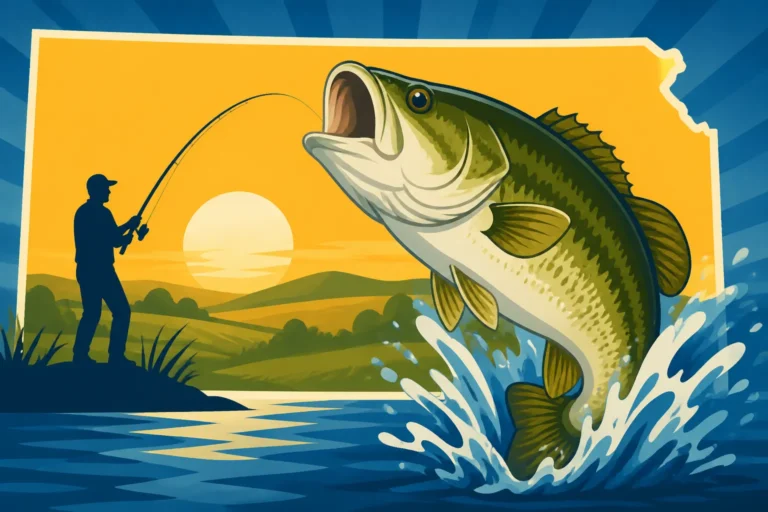
When you're out on the water in Kansas, casting for largemouth bass, one of the first questions on your mind is often, "How big do these fish really get around here?" It's a valid question, because while you might have dreams of hauling in a monster, knowing the realistic size range for largemouth bass in our Kansas waters can really help set your expectations and even refine your fishing strategy. This guide will dive deep into what influences the size of largemouth bass across our state, what you can typically expect to catch, and how to chase after those truly memorable lunkers.
Understanding Largemouth Bass Growth Factors in Kansas
The size a largemouth bass reaches isn't just a random roll of the dice; it's a complex interplay of environmental factors, food availability, and even genetics. Kansas lakes and ponds offer diverse conditions, which directly impact how big the bass living in them can grow.
Diet and Forage Availability
Just like any growing creature, a largemouth bass needs a robust diet to pack on the pounds. In Kansas, the abundance and type of forage fish available play a huge role. Lakes rich with shad, sunfish, and smaller crappie often produce larger, healthier bass. When bass have a consistent supply of protein-rich meals, they can put on weight much faster and reach impressive sizes.
Think about a reservoir like Milford Lake Fishing Guide or El Dorado Lake Bass Fishing. These vast water bodies often boast diverse ecosystems with plenty of baitfish, offering a buffet for opportunistic largemouth. On the flip side, smaller, less fertile farm ponds, while great for catching numbers, might not have the food resources to grow true giants. If a pond is overpopulated with bass, they might become stunted due to competition for food, never reaching their full potential. This is why managing pond populations, sometimes by harvesting smaller fish, can be crucial for growing bigger bass.
Habitat and Water Quality
The physical environment where a bass lives also dictates its growth. Good habitat provides cover for ambush predators, protection from harsh weather, and suitable spawning grounds. In Kansas, this means everything from flooded timber and submerged brush piles in our reservoirs to thick stands of emergent vegetation in shallower ponds. Healthy, well-oxygenated water with stable temperatures also contributes to a bass's overall health and growth rate.
Factors like water clarity, depth, and the presence of aquatic vegetation can vary wildly from one Kansas water body to another. A clear-water lake with ample structure might offer different growth opportunities than a turbid river backwater. Bass need places to hide, hunt, and reproduce successfully. Lakes with diverse structures, from rock piles to old creek channels, provide a variety of conditions that support a thriving bass population, including those that grow larger. Changes in water levels, often seen in our flood-control reservoirs, can also impact habitat over time, either creating new opportunities or reducing existing ones.
Genetics and Spawning Success
While environment is critical, genetics lay the foundation. Some bass strains are simply predisposed to grow larger and faster than others. While Kansas primarily has native largemouth bass, some bodies of water might have had Florida-strain largemouth introduced in the past to encourage larger trophy fish. These specific genetic traits, combined with excellent environmental conditions, can lead to exceptionally large bass.
Successful spawning is also key. A strong spawn means more young bass entering the population, which ensures a healthy future for the fishery. However, too many small bass can lead to overcrowding and slower growth for all. The survival rate of young bass, influenced by predation, weather, and food availability, ultimately affects how many fish grow to larger sizes in subsequent years. Fisheries management, which might include stocking programs or specific regulations, often aims to strike a balance that allows bass to grow to a desirable size for anglers. Understanding Kansas Fishing Seasons and Limits can help appreciate how regulations aim to support healthy fish populations.
What to Expect: Average and Trophy Largemouth Bass Sizes in Kansas
When you talk about largemouth bass in Kansas, there's a pretty wide spectrum of what you might pull in. From feisty little youngsters to legitimate lunkers, knowing what's typical and what's truly exceptional is part of the fun.
Typical Catches for Kansas Anglers
For the average Kansas angler, a "good" largemouth bass is often in the 1 to 3-pound range. These are robust, healthy fish that put up a fantastic fight and are a blast to catch on just about any setup. You'll find plenty of these fish in our state fishing lakes, community ponds, and most reservoirs. A bass measuring 12 to 16 inches falls comfortably into this category.
It's not uncommon to land several of these in a good outing, especially if you're fishing prime spring or summer bass spots. These are the workhorse fish of the Kansas bass fishery, providing consistent action. While they might not shatter any records, they represent the healthy backbone of our bass populations. Many anglers, myself included, are perfectly happy catching a stringer of these for a delicious meal, assuming they meet any local length and creel limits.
The Elusive Trophy Bass
Ah, the trophy bass. This is what many anglers dream about. In Kansas, a largemouth bass generally considered a "trophy" starts around the 5-pound mark, with truly exceptional fish hitting 7 pounds or more. Anything over 8 pounds is a legitimate giant and a fish of a lifetime for most Kansans. These lunkers are rare and often require specific techniques, persistence, and a bit of luck to land.
Kansas boasts a respectable state record for largemouth bass, a testament to the fact that our waters can produce truly massive fish. While the exact weight changes as records are broken, it's certainly well into the double-digits. Targeting these larger fish often means focusing on specific lakes known for their trophy potential, such as certain areas of El Dorado Lake Bass Fishing or other large reservoirs with excellent forage bases and deep, complex structure. It also often means adjusting your Kansas bass fishing techniques to present larger baits or lures that appeal to these older, wiser fish.
Here's a quick look at what you might typically encounter:
| Category | Typical Weight (pounds) | Typical Length (inches) | Likelihood of Catching |
|---|---|---|---|
| Small / Juvenile | Under 1 | Under 12 | Very Common |
| Average Keeper | 1 – 3 | 12 – 16 | Common |
| Large / Quality | 3 – 5 | 16 – 20 | Occasional |
| Trophy | 5 – 7+ | 20+ | Rare |
| State Record | Double-digits | Significant | Extremely Rare |
Factors for Reaching Trophy Potential
Several factors come together to allow a largemouth bass to reach trophy size in Kansas. Longevity is a big one; these fish need to survive for many years, avoiding predators, disease, and anglers. This often means they've become incredibly wary and cunning. A consistent and rich diet, as mentioned earlier, is paramount. Lakes with an abundance of large gizzard shad, for example, provide the caloric intake needed for rapid growth.
Furthermore, water quality and stable habitat are crucial. A lake that consistently provides optimal conditions year after year will have a better chance of growing and sustaining trophy bass. Angler pressure also plays a role; highly pressured lakes might see fewer older, larger fish due to higher catch rates. However, practicing responsible Catch and Release angling, especially for larger breeding fish, helps ensure these genetics stay in the population.
Practical Tips for Targeting Larger Largemouth Bass in Kansas
Chasing after bigger bass is a thrill, and while there's never a guarantee, you can definitely stack the odds in your favor by adjusting your approach. It often means thinking differently than when you're just trying to catch any bass that bites.
Locating Big Bass Hotspots
Big bass are generally older bass, and older bass are smarter and often hold in specific areas. They prefer deep water near structure, especially during the hotter months, or seek out prime ambush points in shallower cover. Focus on areas with significant structural elements like submerged creek channels, deep points, ledges, brush piles, or flooded timber. These spots offer cover, easy access to deeper, cooler water, and prime ambush locations for unsuspecting baitfish.
Look for areas with sharp depth changes, or "breaks," where shallow water quickly drops into deeper zones. These transition areas are highways for baitfish and natural hunting grounds for larger predators. Using a good fish finder can be invaluable here to map out underwater contours and pinpoint hidden structure. Exploring different Best Fishing Lakes in Kansas and focusing on their unique features will also help. For instance, Wilson Lake Fishing Guide is known for its clear water and rocky structures, while others might be more timber-heavy.
Employing Effective Techniques and Lures
When it comes to big bass, "match the hatch" often applies, but sometimes "big bait, big fish" is the motto. Larger bass are looking for a substantial meal that expends minimal energy. This means using larger lures that imitate the primary forage in the lake. Swimbaits, large crankbaits, jigs with bulky trailers, and even big topwater lures can be highly effective. For slower, more methodical approaches, a Carolina rig with a large plastic worm or creature bait can coax bites from wary giants.
Don't be afraid to slow down your presentation. Big bass aren't always in a hurry. Often, a subtle, slow retrieve that keeps the bait in the strike zone longer is what triggers a bite from a hesitant lunker. Kansas Walleye Fishing Techniques often emphasize slow trolling, and a similar patience can pay off for bass. Consider what baitfish are prevalent; if a lake is known for big gizzard shad, then a shad-imitating swimbait makes perfect sense. Many specialized bass lures can be found on Amazon, offering a wider selection than local shops might carry.
Upgrading Your Gear for the Fight
Landing a trophy bass requires not just the right presentation, but also the right gear. Your everyday medium-action spinning rod might handle a 2-pounder just fine, but a 7-pound lunker will put it to the ultimate test. Invest in a medium-heavy or heavy-action rod paired with a baitcasting reel spooled with heavier line—think 15-20 pound fluorocarbon or monofilament, or even heavier braided line with a fluorocarbon leader. This setup gives you the power to set the hook firmly and to muscle a big fish away from heavy cover.
Stronger hooks are also essential. Many factory lures come with hooks that can bend or break under the strain of a truly big fish. Consider upgrading treble hooks on crankbaits and topwaters, and ensure your jig hooks are stout. Don't forget a quality landing net! Trying to hand-land a thrashing, big-mouthed bass can lead to lost fish and even injury. Having a good, wide net within reach is crucial. A quick search on Amazon will reveal countless options for robust bass fishing gear designed to handle the toughest fights.
The Importance of Conservation and Responsible Angling
Catching a magnificent largemouth bass is an incredible experience, but it also comes with a responsibility to protect these resources for future generations. Our actions on the water directly impact the health and size potential of Kansas bass populations.
Practicing Catch and Release for Larger Fish
For those truly large, trophy-sized bass, catch and release is almost universally recommended. These older, larger fish are often the prime breeders in the population, contributing significant genetics and spawning potential. Removing them from the fishery reduces the chance for other fish to grow to similar sizes. When you do catch a big one, handle it with care:
- Minimize out-of-water time: Get a quick photo if you must, but return the fish to the water as soon as possible.
- Support its body: If holding it horizontally, support its belly. Never hold a large bass solely by its lower jaw, as this can damage its internal organs or jaw structure.
- Revive if necessary: If the fish seems sluggish, gently hold it in the water, facing into a current, and move it back and forth until it kicks its tail and swims off on its own power.
Practicing careful catch and release, especially for fish over, say, 18-20 inches, helps ensure those trophy genes remain in our lakes and ponds.
Understanding and Following Kansas Regulations
Kansas has specific fishing regulations designed to manage fish populations, including largemouth bass. While largemouth bass often have statewide length and creel limits, some specific lakes or community fishing ponds might have their own unique rules. It is absolutely crucial to be aware of and abide by these regulations. These rules are not arbitrary; they are developed by biologists to ensure sustainable fishing and healthy fish populations.
Always check the current Kansas Fishing Regulations Explained before heading out. This includes minimum length limits, daily creel limits (how many fish you can keep), and sometimes even slot limits which protect fish within a certain size range. Ignorance of the law is no excuse, and penalties for violations can be significant, as detailed in Fishing Without a License Penalties in Kansas. By being a responsible angler, you're contributing to a thriving bass fishery for everyone to enjoy for years to come.
Disclaimer
This article is for general informational purposes only and does not constitute professional advice. Laws, prices and regulations vary by location and change over time. Consult a qualified professional for guidance on your specific situation.