Number of Fish Species Found in Kansas
It’s a common question that pops into the mind of many anglers, especially those new to the Sunflower State, or even seasoned veterans who’ve only ever chased after the big three. You might wonder, beyond the usual catfish, walleye, and crappie, just how many different kinds of fish truly call Kansas home? This guide is going to peel back the layers of our state’s aquatic ecosystems, diving into the surprising diversity you’ll find swimming in our lakes, rivers, and ponds, and helping you understand what makes our waters so vibrant.
The Surprising Aquatic World Beneath Kansas Waters
When you think of Kansas, images of vast prairies and amber waves of grain probably come to mind, not necessarily a bustling underwater world. But trust me, as a long-time angler and lover of all things Kansas, our waters hold a remarkable secret: an incredible array of fish species. Many people are genuinely surprised when they learn just how diverse our fish populations are, often only thinking of the popular sport fish they target. Yet, there’s a whole ecosystem thriving beneath the surface, from tiny darters to giant flatheads, each playing a vital role.
What Exactly Counts as a "Fish Species"?
Before we start counting, it's important to understand what we mean by "fish species" in the context of Kansas. It’s not just about what you can catch on a hook. We're talking about all finned creatures that naturally reproduce in our waters, are introduced through human efforts, or are stocked for recreational purposes. This includes everything from the smallest minnows that serve as forage for larger predators to the biggest trophy fish that challenge even the most experienced angler. It's a complex picture, and the total number can fluctuate due to environmental changes, conservation efforts, and human interaction. For a general overview, you might want to check out our Kansas Fish Species Guide.
The Overall Picture of Diversity
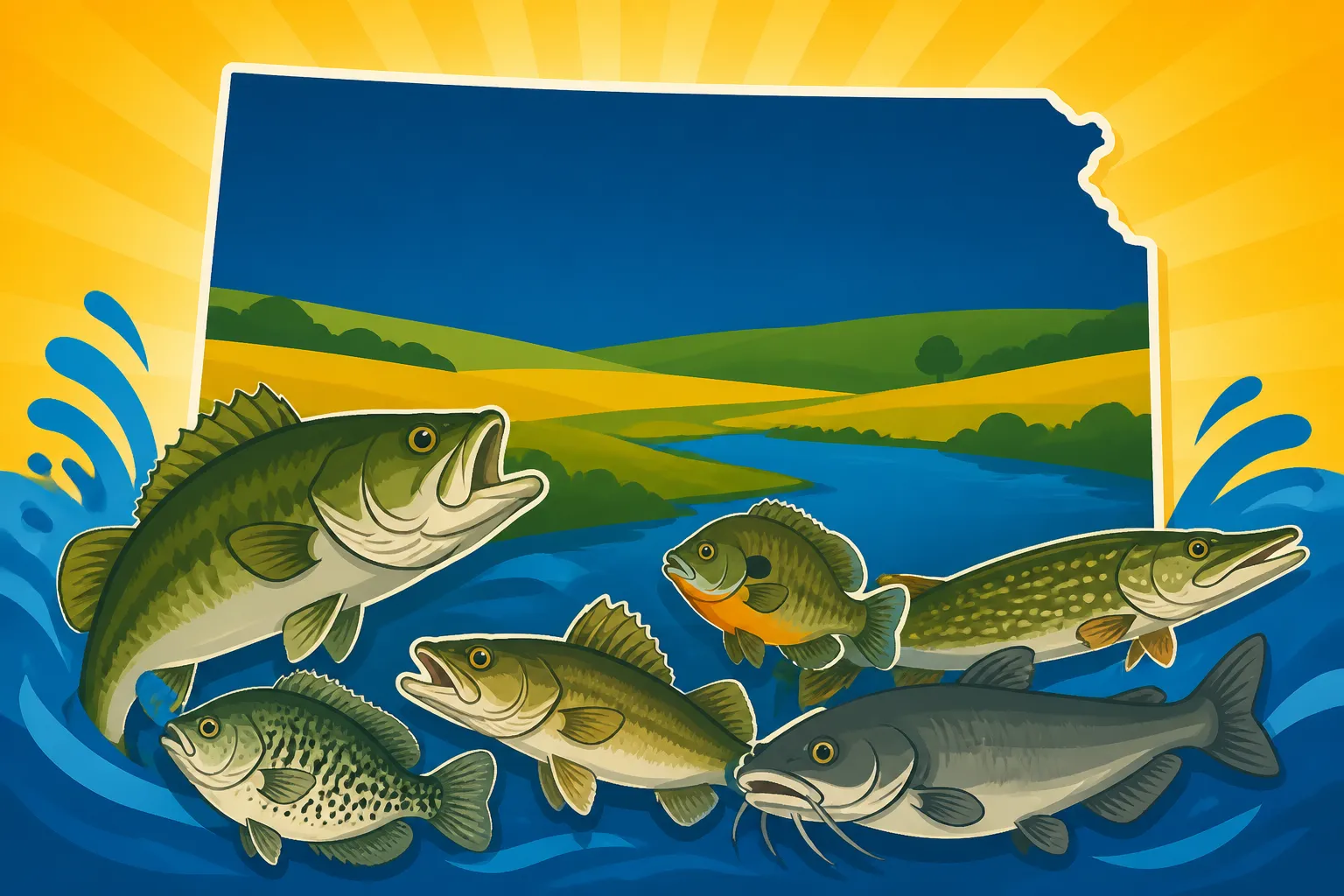
So, what's the grand total? While an exact, static number is hard to pin down due to ongoing research, environmental shifts, and classification changes, Kansas is generally home to over 100 different species of fish. That's right, over a hundred! This isn't just a number; it represents a rich tapestry of life, each species adapted to the unique challenges and opportunities presented by Kansas's diverse aquatic habitats, from the fast-flowing rivers to the sprawling reservoirs and quiet farm ponds. This impressive count includes native species that have been here for millennia, as well as introduced species that have found a suitable home, often thanks to stocking programs. It's a testament to the resilience of our ecosystems and the efforts of wildlife managers.
Diving Deeper: Native, Introduced, and Stocked Species
Understanding the true diversity of fish in Kansas means recognizing the different ways species come to inhabit our waters. It's not a one-size-fits-all situation, and each category plays a unique role in the overall aquatic health and angling opportunities available to us.
The Backbone: Native Kansas Fish
Our native fish species are the original residents, having evolved and thrived in Kansas waters long before modern human intervention. These species are perfectly adapted to the natural ebb and flow of our rivers and streams, the unique water chemistry, and the local food webs. Think about species like the various darter species, many types of minnows, chubs, shiners, and some of the smaller sunfish. While perhaps not as flashy as a trophy walleye, these fish are the foundation of our aquatic ecosystems. They are critical indicators of water quality and habitat health, and their presence helps sustain the entire food chain, including the larger game fish we love to pursue. Their conservation is paramount, and it's something many anglers feel strongly about. Sometimes, their numbers are stable, but some native species face challenges, and understanding Kansas Threatened and Protected Fish Species is crucial for any responsible angler.
Newcomers and Their Impact: Introduced Species
Not all fish species found in Kansas are native. Many have been introduced, either intentionally or accidentally, over the years. Some introductions, like many of our popular game fish, were done purposefully to create or enhance recreational fisheries. Others arrived less intentionally, sometimes hitching a ride on boats or through bait bucket releases. These introduced species can have a varied impact. Some integrate well into the existing ecosystem, providing excellent fishing opportunities, while others can become problematic, competing with native species for resources or altering habitats.
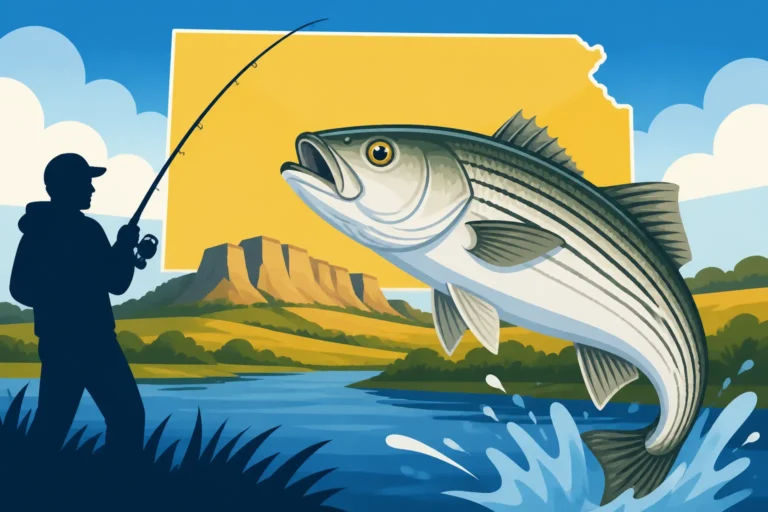
A prime example of a successful introduction for anglers is the walleye, which now provides fantastic fishing in many of our reservoirs. Another is the striped bass, and its hybrid "wiper" cousin, offering thrilling battles on the end of a line. However, we also face challenges from Kansas Invasive Fish Species that can disrupt natural balances. Understanding which species are native and which are introduced helps us appreciate the complexity of our fisheries management and why certain regulations are in place.
The Role of Stocking in Maintaining Fisheries
Stocking programs are a huge part of why Kansas offers such diverse and robust fishing opportunities. These programs primarily focus on game fish species, supplementing natural populations or introducing fish into waters where they wouldn't naturally thrive. For instance, many of our trophy walleye lakes rely on consistent stocking to maintain high numbers. The same goes for crappie in some community lakes and, of course, the ever-popular trout.
Trout fishing, for example, is entirely sustained by stocking in designated "put-and-take" waters during the cooler months. Without these programs, many of us wouldn't have the chance to experience the joy of catching a rainbow trout right here in Kansas. These efforts ensure that even in lakes that might not be ideal for natural reproduction, anglers still have plenty of targets. These programs are carefully planned to balance recreational demand with ecological considerations, ensuring sustainable fishing for generations to come.
More Than Just Game Fish: Understanding the Full Spectrum
When most people think about fishing, their minds immediately jump to the "game fish" – those species that are fun to catch and often delicious to eat. While these are certainly a huge draw, the full picture of Kansas's fish diversity is much broader, encompassing many other species that are equally important, even if they never end up on your dinner plate.
Our Beloved Game Fish
Kansas truly shines when it comes to game fish. We have a fantastic variety that keeps anglers coming back season after season. Let’s break down some of the most popular groups:
- Catfish: The undisputed kings of many Kansas rivers and lakes. You'll find channel catfish in nearly every water body, blue catfish in our larger rivers and reservoirs, and flathead catfish lurking in woody cover. They offer thrilling fights and make for excellent table fare. For more in-depth knowledge, check out our Kansas Catfish Species Guide.
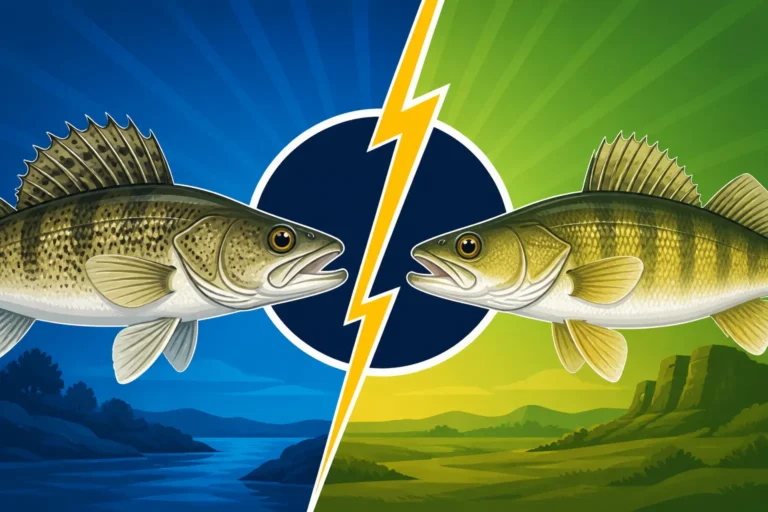
- Walleye: These toothy critters are highly sought after for their delicious fillets and challenging nature. Kansas boasts some incredible walleye fisheries in its larger reservoirs. Anglers spend countless hours honing their techniques to catch these elusive fish. Our Kansas Walleye Fishing Guide has all the tips you need.
- Crappie: Both white and black crappie thrive here, providing some of the most exciting panfish action, especially in the spring. They are prolific, fun to catch, and another fantastic eating fish. Learn more in our Kansas Crappie Fishing Guide.
- Bass: Largemouth bass are widespread, offering classic sport fishing in ponds and lakes. Smallmouth bass can be found in rocky reservoirs and streams, providing a hard-fighting alternative. Don't forget the spotted bass either! Get hooked on our Kansas Bass Fishing Guide.
- White Bass and Wipers: These schooling fish provide incredible fast-paced action, especially during spring and fall runs. Wipers, a hybrid of white bass and striped bass, grow large and fight exceptionally hard.
- Trout: Though not native, rainbow trout are stocked seasonally in many community lakes and designated waters, offering a unique cold-water fishing experience. Our Kansas Trout Fishing Guide will get you started.
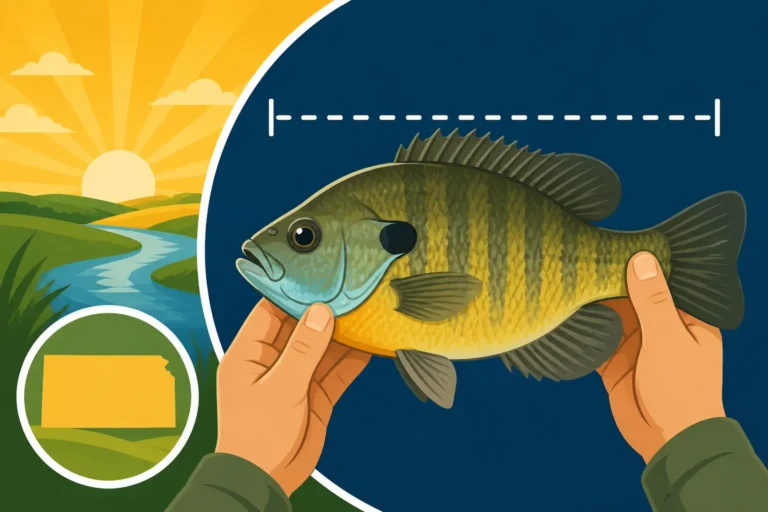
- Panfish: Beyond crappie, species like bluegill and redear sunfish are abundant and provide excellent light-tackle fun, especially for kids and beginners. They are a staple of any healthy pond. Discover more in the Kansas Panfish Guide.
This diverse menu of game fish means there’s always something to target, no matter your preferred style of fishing or the time of year. Knowing How to Identify Kansas Game Fish is always a good skill to have.
The Unsung Heroes: Non-Game Fish
While they might not get the same attention as their game fish cousins, non-game fish represent a significant portion of Kansas's aquatic biodiversity. These are species like minnows, suckers, carp (though common carp are often targeted by some anglers), gar, and various species of dace and shiners. They are crucial for a healthy ecosystem.
- Forage Base: Many of these smaller species form the primary food source for larger game fish. Without abundant minnows and other forage fish, our bass, walleye, and catfish populations wouldn't be nearly as robust.
- Ecological Roles: Non-game fish play vital roles in nutrient cycling, algae control, and sediment disturbance. For instance, bottom-feeding species help process organic matter, keeping our waters cleaner.
- Indicators of Health: The presence and health of certain non-game fish populations can tell scientists a lot about the overall health and water quality of a specific body of water.
So, next time you see a school of minnows darting around, remember they're not just tiny fish; they're an essential part of the grand tapestry of Kansas's aquatic life. You can even find specific identification guides on platforms like Amazon if you're curious to learn more about these often-overlooked species.
Identifying What You Catch
With such a wide variety, sometimes it can be a bit tricky to tell exactly what you've reeled in, especially for similar-looking species like white and black crappie or different types of bass. A good fish identification guide is an angler's best friend. Many experienced anglers keep a laminated copy with them or have a reliable app on their phone. This helps not only with curiosity but also with adherence to fishing regulations, as limits and length restrictions can vary significantly between species, even closely related ones. A simple fish identification chart, perhaps something you can pick up at a local bait shop or even download and print, can be invaluable.
| Fish Category | General Description | Example Species | Angling Focus | Ecological Role |
|---|---|---|---|---|
| Native Game Fish | Found naturally, popular for sport and food. | Channel Catfish, Largemouth Bass | Sport, Food | Top predator, ecosystem balance. |
| Introduced Game Fish | Stocked for angling, often not native. | Walleye, Rainbow Trout, Wipers | Sport, Food | Enhance recreational opportunities, can be top predator. |
| Native Non-Game Fish | Found naturally, less often targeted by anglers. | Various Minnows, Suckers, Darters | Little to none | Primary forage base, water quality indicators. |
| Introduced Non-Game Fish | Introduced, not typically targeted for sport. | Common Carp (can be targeted), Asian Carp | Limited Sport | Can be invasive, alter habitat. |
Why This Diversity Matters for Kansas Anglers
Understanding the vast number of fish species in Kansas isn't just an academic exercise; it has real, tangible implications for every angler who wets a line in our state. It impacts everything from what you fish for to how you contribute to conservation.
Conservation and Sustainable Fishing
With such a rich diversity, the responsibility to protect it falls on all of us. Knowledge about different species, their habitats, and their ecological roles helps us make informed decisions as anglers. Knowing why certain Kansas Fishing Regulations Explained are in place, such as daily creel limits or length restrictions on certain species like walleye or crappie, is crucial. These rules are designed to ensure that fish populations remain healthy and sustainable for future generations.
It also encourages us to practice catch-and-release when appropriate, especially for native species or fish that are out of season or below minimum length. Responsible angling isn't just about catching fish; it's about being a steward of our natural resources. You can easily find tools like release nets and measuring boards on platforms like Amazon that help you handle fish gently and accurately.
Expanding Your Angling Horizons
Discovering the breadth of Kansas fish species also opens up a whole new world of angling opportunities. If you've always focused on one or two species, realizing there are dozens of others to pursue can reignite your passion or introduce you to an entirely new facet of the sport.
- Target New Species: Maybe you've never tried fly fishing for trout in a stocked stream, or perhaps you've overlooked the excitement of chasing white bass during their spring run. There's always something new to learn and conquer.
- Explore Different Waters: Different fish species inhabit different types of waters. Learning about them might inspire you to explore a new reservoir, a quiet river bend, or a community lake you've never visited.
- Vary Your Techniques: Each species often requires unique techniques, baits, and tackle. This can challenge you to expand your skill set, whether it's learning to jig for crappie, drift-fish for catfish, or use specific lures for bass. Thinking about getting into kayak fishing to reach new spots? You can find plenty of gear, from specialized kayaks to rod holders, on Amazon.
Embracing the full diversity of fish in Kansas makes you a more versatile, knowledgeable, and appreciative angler. It’s a journey of continuous learning and endless discovery, right here in our own backyard.
Disclaimer
This article is for general informational purposes only and does not constitute professional advice. Laws, prices and regulations vary by location and change over time. Consult a qualified professional for guidance on your specific situation.