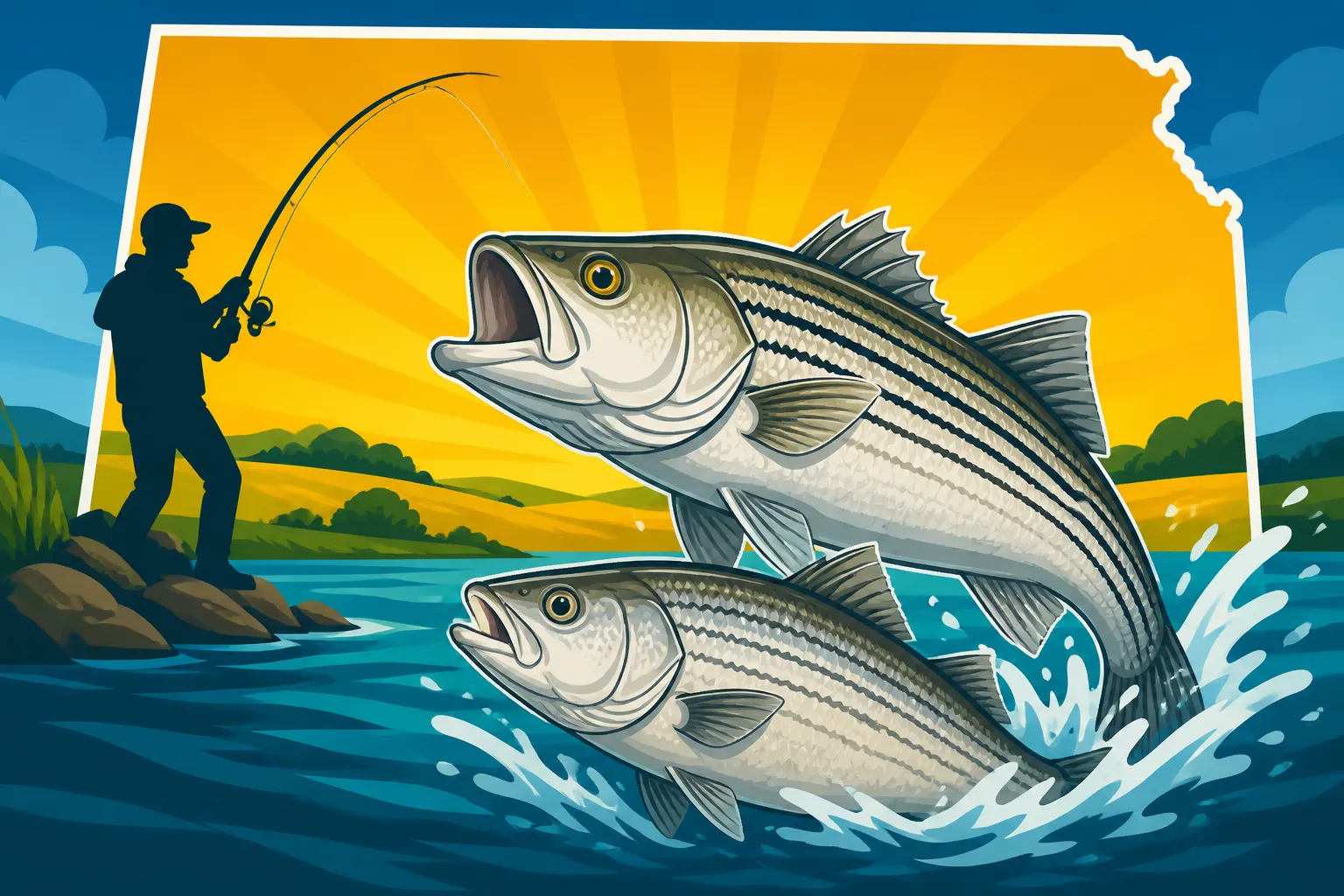
Kansas Striped Bass and Wiper Guide
One of the biggest head-scratchers for Kansas anglers is telling the difference between a true striped bass and a wiper, often leading to confusion about regulations and expectations on the water. Many folks struggle to identify these powerful, hard-fighting fish, and it can be frustrating when you're trying to follow the rules or simply understand what you've just hooked. This comprehensive guide will clear up that confusion, diving deep into the characteristics, habitats, and best fishing strategies for both striped bass and their hybrid cousins, the wipers, found across our amazing Kansas waters.
Understanding Striped Bass in Kansas
Let's start by talking about the true striped bass, Morone saxatilis. While not as widespread in Kansas as their hybrid counterparts, these fish are absolute powerhouses, known for their incredible fighting ability and impressive size. Many anglers dream of catching a pure striper, and understanding them is key to appreciating their role in our state's fisheries, even if they aren't stocked as commonly as wipers.
Identifying True Stripers
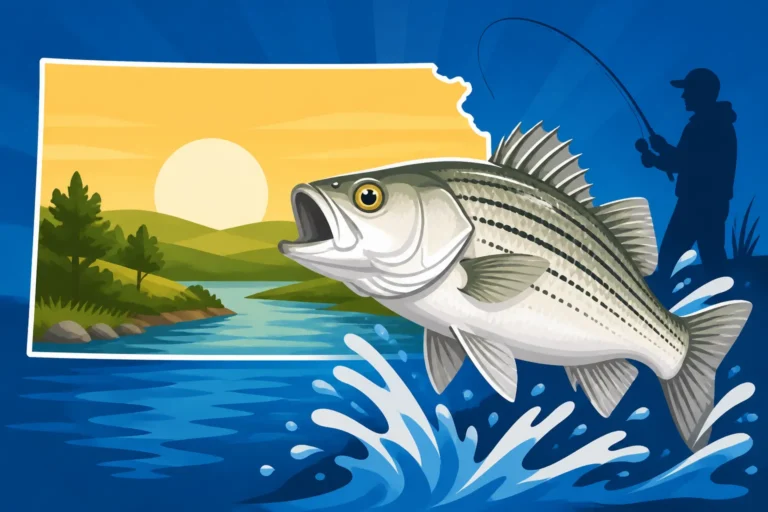
When you pull a fish out of the water, and you're wondering if it's a striped bass or a wiper, the first thing you want to look at are those distinctive lateral lines. True striped bass typically have seven or eight prominent horizontal stripes running along their sides. The key identifier here is that these stripes are usually unbroken and continuous, running from gill to tail. They tend to be more solid and less "splotchy" than what you might see on a wiper. Take a moment to really count them and check for any breaks. The overall body shape of a true striper also tends to be a bit more streamlined, almost torpedo-like, reflecting their open-water, pelagic lifestyle. They're built for speed and long-distance chases, and you can often feel that raw power when you hook into one.
Another subtle but important characteristic lies in their dorsal fins. True stripers have two separate dorsal fins, with the first one being spiny and the second one soft-rayed. While wipers also have two, the distance between them can sometimes be a telling factor. Beyond the stripes and fins, consider the overall coloration, which can vary based on water clarity and diet, but often includes a silvery body with darker, almost black, stripes. Pay close attention to these details, and you'll become much more proficient at distinguishing these magnificent fish from their hybrid relatives.
Where to Find Striped Bass Populations
In Kansas, true striped bass are much less common than wipers. They typically require large, open reservoirs with specific conditions to thrive, and they don't reproduce naturally in most of our impoundments. Instead, their populations are usually maintained through stocking efforts by the Kansas Department of Wildlife, Parks and Tourism (KDWPT) in select waters. Historically, some of the larger reservoirs might have seen stockings, but these days, if you're targeting what you believe to be a striper, chances are high it's actually a wiper.
That said, some of our deeper, cooler reservoirs, particularly those with good forage bases, could potentially hold remnant populations or receive occasional limited stockings. For the most part, however, when anglers talk about "stripers" in Kansas, they are almost universally referring to wipers. It’s always a good idea to check the latest KDWPT stocking reports and Kansas Fishing Regulations Explained for specific lake information if you're hoping to find a true striper. The focus for most of us will naturally shift to the abundant and equally exciting wiper fishery.
Life Cycle and Habits of True Stripers
True striped bass are anadromous in their native coastal habitats, meaning they spawn in freshwater rivers but spend most of their adult lives in saltwater. In landlocked environments like Kansas reservoirs, they are entirely freshwater residents and do not successfully reproduce on their own. This is why stocking is so crucial for maintaining their presence. They are long-lived fish, capable of reaching impressive sizes and ages, and they are voracious predators, feeding on smaller baitfish like shad and sunfish.
These fish are highly migratory within their watery homes, constantly moving to find food and optimal water conditions. They often school up, especially when actively feeding, making them a fantastic target for anglers who can locate a schooling pattern. Their preference for cooler, oxygenated water often sends them deeper during the warmer months, but they will follow baitfish into shallower areas, especially during dawn and dusk feeding binges. Understanding these behaviors is critical for anyone hoping to connect with one of these hard-fighting fish, though again, for Kansas anglers, these habits are more relevant to wipers due to their greater prevalence.
Delving into Wipers (Hybrid Striped Bass)
Now, let's talk about the real stars of the show for most Kansas anglers: the wiper, or hybrid striped bass. These incredible fish are engineered for performance, combining the best traits of both their parents. They are a staple in many of our reservoirs, providing thrilling action and a fantastic table fare. If you've ever felt the power of a "striper" in Kansas, chances are you've tangled with a wiper.
What Exactly is a Wiper?
A wiper is a hybrid fish, a crossbreed between a female striped bass (Morone saxatilis) and a male white bass (Morone chrysops). This genetic combination creates a fish that truly embodies "hybrid vigor" – they grow faster, fight harder, and are more resilient than either of their parent species in reservoir environments. In Kansas, the KDWPT actively stocks wipers into many of our major reservoirs because they don't reproduce effectively on their own, allowing fisheries managers to control populations and ensure a healthy, sustainable sport fishery.
These fish are specifically bred for angling excitement and their adaptability to reservoir conditions. They thrive on abundant gizzard shad populations, growing quickly and providing an incredible challenge on the end of a line. Wipers inherit the aggressive feeding habits of the white bass and the larger size potential and endurance of the striped bass, making them an ideal sport fish for Kansas. Kansas Hybrid Striped Bass Identification is crucial for anyone targeting these fish, as their distinct features can sometimes be confused with true stripers, leading to potential regulatory issues.
Why Wipers Thrive in Kansas Reservoirs
Kansas reservoirs, with their vast expanses of open water and abundant forage, are practically tailor-made for wipers. The primary food source for wipers is gizzard shad, which proliferate in our impoundments, providing an endless buffet for these hungry predators. Wipers are highly adaptable to a wide range of water temperatures and conditions, making them suitable for many of our diverse lakes, from the large, deep waters of Milford to the more open stretches of Cheney.
Their fast growth rate means they quickly reach impressive sizes, offering anglers a significant fight. Unlike true striped bass, which often prefer cooler, more stable water conditions, wipers are more tolerant of the temperature fluctuations common in Kansas. This resilience, combined with their voracious appetites and inability to overpopulate through natural reproduction, makes them a perfect candidate for managed fisheries. The KDWPT carefully monitors and stocks these hybrids, ensuring that lakes consistently offer fantastic wiper fishing opportunities.
Identifying Wipers vs. True Stripers
This is where many anglers get stumped, but with a few key observations, you can easily tell a wiper from a true striper. The most reliable way to distinguish them is by examining their lateral stripes. While true stripers generally have unbroken, continuous lines, wipers typically display broken or interrupted stripes, especially below the lateral line. You'll often see these stripes becoming more "splotchy" or fragmented towards the tail end of the fish.
Another indicator is the body shape: wipers tend to be a bit more stout or "football-shaped" compared to the sleeker, more elongated body of a true striped bass. Also, look at the tongue patches. Striped bass typically have two distinct patches of teeth on their tongue, while white bass usually have only one. Wipers, being a hybrid, often have one distinct patch and another less defined or even absent patch. This can be tricky to check on a squirming fish, but it's a definitive trait. With practice, these subtle differences become much easier to spot, and you'll be confidently identifying your catch in no time. For more specific details, refer to Kansas Striped Bass Facts.
Top Kansas Lakes for Striped Bass and Wipers
Kansas boasts some incredible reservoirs that consistently produce fantastic fishing for both striped bass and, more predominantly, wipers. These lakes offer vast expanses of water, rich forage bases, and diverse structures that hold these powerful predators. Knowing where to go is half the battle when chasing these hard-fighting fish.
Milford Lake: A Wiper Powerhouse
Milford Lake, the largest lake in Kansas, stands out as an absolute powerhouse for wipers. Its immense size, diverse habitat, and prolific gizzard shad population make it an ideal environment for these hybrid giants to thrive. Anglers regularly pull trophy-sized wipers from Milford, often weighing into the double digits. The lake's deep channels, rocky points, and submerged timber offer countless ambush points for these schooling predators.
During the spring, wipers often congregate in the upper reaches of the lake and around inflows, following the baitfish. As summer heats up, they move to deeper, cooler water, but remain active, especially during low light conditions or at night. The lake's expansive open water also means that wipers can roam widely, making a good fish finder and trolling setup invaluable. For a full breakdown on fishing this behemoth, check out the Milford Lake Fishing Guide. Many anglers find success here by focusing on areas with strong current or where baitfish are schooling, providing a constant food supply for hungry wipers.
Cheney Reservoir: Consistent Action
Cheney Reservoir, located just west of Wichita, is another premier destination for wiper fishing in Kansas, known for its consistent action and healthy populations. While perhaps not yielding as many sheer "trophy" giants as Milford, Cheney offers outstanding numbers of quality wipers, making it a favorite for many. The lake's extensive shallow flats, combined with deeper channels and rocky structures, create a diverse hunting ground for these predators.
Wipers in Cheney are often found chasing shad schools across the open water, creating exciting surface boils that can be seen from a distance. Early morning and late evening topwater action can be absolutely phenomenal here, as wipers herd bait to the surface. During the warmer months, they will move to deeper breaks and humps, but can still be caught with appropriate tactics. Cheney Reservoir Fishing Guide provides more specific details for tackling this excellent fishery. The consistency of Cheney makes it a great choice for anglers seeking a productive day on the water, whether you're trolling, casting, or chasing boils.
Other Productive Waters
While Milford and Cheney often steal the spotlight, several other Kansas reservoirs offer fantastic opportunities for catching wipers and, occasionally, even true striped bass. These lakes might not be as widely known for stripers and wipers, but they consistently produce quality fish for anglers willing to explore.
-
El Dorado Lake: Located northeast of Wichita, El Dorado Lake has a strong reputation for producing large wipers and some excellent El Dorado Lake Striped Bass Fishing. Its clear waters and diverse structure, including numerous submerged humps and points, provide excellent habitat. Wipers here are often found schooling in open water, feeding on abundant shad. Anglers frequently use trolling tactics or cast into visible surface activity to connect with these fish.
-
Wilson Lake: Known as the " clearest lake in Kansas," Wilson Lake also supports a healthy population of wipers. The rugged, rocky terrain and deep, clear water can make them a bit trickier to find, but when you do, the rewards are often substantial. Look for them around main lake points, submerged islands, and deep rock piles. The challenge of fishing clearer water often means using lighter lines and more subtle presentations.
-
Pomona Lake: Further east, Pomona Lake offers another solid option for wiper enthusiasts. While smaller than some of the other major reservoirs, Pomona can be incredibly productive, especially during seasonal migrations of baitfish. Its more uniform basin often means wipers can be found roaming open water or relating to the main river channel and dam area.
-
Tuttle Creek Lake: This sprawling reservoir near Manhattan is primarily known for its catfish, but it does hold a respectable population of wipers. These fish tend to be found in the clearer, lower end of the lake, especially near the dam and larger creek channels. They provide a bonus catch for anglers targeting other species, but can also be specifically targeted with techniques similar to those used in other wiper lakes.
Exploring these diverse waters offers a chance to experience the thrill of battling wipers across different Kansas landscapes, each with its own unique challenges and rewards.
Effective Fishing Techniques for Stripers and Wipers
Catching striped bass and wipers in Kansas can be incredibly exciting, but it often requires understanding their behavior and employing specific techniques. These powerful fish are relentless predators, and matching your approach to their feeding patterns and preferred habitats is key to success. Whether you're a seasoned angler or just starting out, mastering a few core techniques will significantly improve your catch rate.
Trolling Strategies
Trolling is arguably one of the most effective ways to cover large expanses of water and locate schooling striped bass and wipers in Kansas reservoirs. These fish are often pelagic, meaning they roam open water, and trolling allows you to systematically search for them. The basic idea is to drag lures or bait behind a moving boat, presenting your offering to fish that might be spread out.
When trolling, lure selection is critical. Deep-diving crankbaits that mimic shad are excellent choices. Look for lures that run at depths where baitfish are congregating, which you can often determine with a good fish finder. Color patterns that resemble natural shad or vibrant, attention-grabbing colors can both be effective. Many anglers will run multiple lines at varying depths and distances behind the boat, using planer boards to spread lines horizontally and avoid tangles. Speed is another crucial factor; often, wipers respond well to a faster troll, typically between 2.5 and 4 miles per hour, as this mimics fleeing baitfish. Pay close attention to your electronics for signs of baitfish schools or marked fish, and don't be afraid to make turns or zig-zag patterns, which can often trigger a strike from following fish. For more advanced tactics, consider learning about Deep Water Trolling for Kansas Stripers.
Casting and Live Bait Rigs
While trolling covers ground, casting can be incredibly productive when you've located a school of actively feeding striped bass or wipers. This is particularly true during explosive surface boils, where wipers are pushing shad to the surface. When you see this kind of action, racing to the area and casting into the fray can lead to non-stop strikes. Fast-retrieving topwater lures, spoons, or soft plastics can all be deadly in these situations.
Beyond surface feeding, casting to submerged structure like humps, points, and channel edges can also yield results. Jigging spoons or heavy swimbaits worked along these features can entice deeper-holding fish. For those who prefer a more natural presentation, live bait is often irresistible. Gizzard shad, threadfin shad, or large minnows rigged on a slip-sinker rig or under a bobber can be incredibly effective, especially when fished near known schooling areas or suspended over deep water. Drift fishing with live bait is another excellent technique, allowing your bait to naturally move with currents or wind, covering water while presenting a tempting meal. Remember that for powerful fish like wipers, a sturdy hook and a robust leader are essential to prevent break-offs.
Seasonal Approaches and Feeding Patterns
Striped bass and wiper fishing in Kansas is highly seasonal, with different patterns emerging throughout the year. Understanding these shifts is vital for consistent success.
- Spring: As water temperatures rise, wipers become very active in shallower areas, often moving into creek arms and upper lake areas to gorge on shad. This is an excellent time for casting swimbaits, jerkbaits, and even topwater lures. The pre-spawn period (though they don't successfully spawn, they exhibit similar aggregations) sees them packing on weight, making them aggressive feeders.
- Summer: During the heat of summer, wipers often retreat to deeper, cooler water during the day. This is prime time for trolling deep-diving crankbaits or vertical jigging spoons on main lake points, humps, and submerged timber. However, don't overlook night fishing! Wipers will often come shallow to feed after dark, chasing baitfish under the cover of night. Kansas Summer Night Fishing for White Bass tactics can be adapted for wipers, as they share similar nocturnal feeding habits.
- Fall: As water temperatures begin to cool, wipers go into a major feeding frenzy, preparing for winter. This fall turnover can be one of the most productive times of the year. They will aggressively chase shad in the open water and often create massive surface boils. Trolling, casting spoons, and using umbrella rigs can all be incredibly effective during this period.
- Winter: Ice fishing for wipers can be challenging but rewarding on lakes that freeze over safely. They typically hold in deeper basins or near thermal refuges. Vertical jigging small spoons or blade baits through the ice can entice strikes, though the action is generally slower than in warmer months. For anglers on open water, a slow, methodical approach with live bait or deep jigging is often the most productive.
Adapting your tactics to the season and observing current baitfish movements will greatly increase your chances of hooking into these formidable Kansas game fish.
Essential Gear for Chasing Stripers and Wipers
To effectively pursue striped bass and wipers in Kansas, you'll need gear that can stand up to their powerful runs and aggressive nature. These fish are not for the faint of heart, and having the right rods, reels, lines, and lures will make all the difference between landing a trophy and a frustrating break-off. Investing in quality equipment is key to enjoying the fight and ensuring your success.
Rods, Reels, and Line Choices
When it comes to rods for striped bass and wipers, you're looking for strength and backbone. A medium-heavy to heavy power spinning or casting rod, typically 6'6" to 7'6" in length, is ideal. This rod will need enough power to cast heavy lures and enough strength to absorb the shock of a powerful strike and subsequent run. For trolling, a dedicated trolling rod with a softer tip but robust blank can be very effective.
Reels should be equally robust. A quality spinning reel in the 3000-5000 size range or a baitcasting reel with a good drag system is recommended. The drag is paramount, as these fish will test it with blistering runs. Ensure your reel has a good line capacity, as wipers can spool you quickly, especially in open water.
For line, braided line is a popular choice for its strength, sensitivity, and lack of stretch. A 20-40 lb test braid is common, often paired with a fluorocarbon leader of 15-30 lb test for abrasion resistance and stealth. The low visibility of fluorocarbon can be particularly helpful in clearer waters. If you prefer monofilament, opt for a high-quality, low-stretch line in the 15-25 lb range. Best Rods and Reels for Kansas Fishing can provide more general guidance, but for wipers, always lean towards the heavier end of the recommended spectrum.
Lure Selection: What Works Best
Wipers are aggressive and opportunistic feeders, meaning they'll strike a variety of lures, but some are consistently more effective than others. Mimicking their primary forage – gizzard shad – is often the most successful strategy.
- Crankbaits: Deep-diving crankbaits are essential for trolling, reaching the depths where wipers often hold. Look for shad-imitating colors (silver, white, chrome) and sizes that match the local baitfish. Brands like Berkley, Rapala, and Strike King offer excellent options.
- Spoons: Casting spoons (e.g., Kastmasters, Little Cleos, or larger slab spoons) are fantastic for vertical jigging over schools of fish or casting into surface boils. Their erratic flash and flutter imitate dying baitfish, which wipers can't resist.
- Swimbaits: Soft plastic swimbaits, rigged on a heavy jig head, are incredibly versatile. They can be cast and retrieved, trolled, or jigged. Paddle-tail swimbaits with a lifelike profile are particularly effective.
- Topwater Lures: During prime feeding times, especially at dawn and dusk or when wipers are actively schooling on the surface, topwater lures like poppers, walking baits, or chuggers can provide explosive strikes. The excitement of a wiper blowing up on a topwater lure is unparalleled!
- Jerkbaits/Minnow Baits: These lures are excellent for casting and retrieving in clearer water or when fish are suspended. Their darting action mimics an injured baitfish.
Having a diverse selection of these lures in various sizes and colors, perhaps sourced conveniently from a site like Amazon, will prepare you for almost any situation on the water.
Electronics and Boating Considerations
For serious striped bass and wiper anglers, modern electronics are virtually indispensable. A good fish finder (sonar/down imaging/side imaging) is crucial for locating baitfish schools, identifying submerged structure, and marking individual fish or schools of wipers. Understanding how to interpret your sonar readings will drastically improve your success. Many models, easily found on Amazon, offer advanced features that paint a clear picture of what's happening beneath your boat.
Beyond fish finders, a reliable boat is essential, as these fish often roam large, open bodies of water. A V-hull or similar stable boat that can handle choppy reservoir conditions is ideal. For trolling, a dependable outboard motor is a must, and many anglers also use a dedicated trolling motor for precise speed control and silent maneuvering when casting into boils. Safety equipment, including life jackets, a marine radio, and navigation lights, should always be a priority, especially when operating on large reservoirs where weather can change quickly. Good boat ramp etiquette is also important, ensuring a smooth start and end to your fishing day. Kansas Boat Registration for Anglers covers the necessary steps to get your vessel legally on the water.
Kansas Regulations for Striped Bass and Wipers
Navigating fishing regulations can sometimes feel like trying to untangle a bird's nest, but it's absolutely vital for responsible angling and for ensuring the health of our fisheries. When it comes to striped bass and wipers in Kansas, there are specific rules you need to know to stay on the right side of the law and contribute to conservation. These powerful fish are a valuable resource, and their management helps maintain exciting fishing opportunities for everyone.
Daily Creel and Length Limits
The Kansas Department of Wildlife, Parks and Tourism (KDWPT) sets specific daily creel (bag) limits and length limits for various fish species, including striped bass and wipers. These limits are designed to manage fish populations, allowing enough fish to survive and grow to maintain a healthy fishery, while also providing ample opportunity for anglers to harvest their catch.
For wipers and true striped bass in Kansas, the regulations are typically grouped together due to their similar appearance and the fact that true stripers are so uncommon. It is absolutely critical to consult the most current KDWPT fishing regulations summary before heading out, as these rules can change. However, generally, Kansas typically imposes a specific daily creel limit on these fish, often with a size restriction that allows anglers to keep only fish within a certain length range, or perhaps only one fish over a certain trophy size. For instance, you might see a regulation stating something like "daily creel limit of X fish, of which only one may be over Y inches." This kind of slot limit or trophy rule is designed to protect larger, mature breeding fish (in species that naturally reproduce) or to spread the harvest pressure across different size classes for stocked fish like wipers. Always double-check Kansas Daily Creel Limits by Species for the most up-to-date and lake-specific information, as limits can sometimes vary by water body.
Understanding Special Restrictions
Beyond the standard daily creel and length limits, some Kansas waters might have special restrictions that apply to striped bass and wipers. These could include specific open seasons, gear restrictions, or even lake-specific slot limits that differ from the statewide regulations. These special rules are often implemented to address unique challenges or opportunities within a particular fishery.
For example, a lake that is being managed for trophy wipers might have a more restrictive length limit or a lower daily creel limit than other lakes. Conversely, a lake with an overabundance of a certain size class might have a more liberal limit to encourage harvest. It's also possible to encounter restrictions on certain types of bait or methods, especially in smaller, more intensively managed waters. Some lakes might have "no motor" zones or speed limits that could affect how you fish for open-water roaming wipers. Always, always check the specific regulations for the body of water you intend to fish. These details are usually found alongside the general statewide regulations in the KDWPT fishing guide, ensuring you're fully prepared and compliant before you even cast your first line.
Importance of Conservation
Adhering to regulations isn't just about avoiding a fine; it's about being a responsible steward of our natural resources. The conservation of striped bass and wiper populations in Kansas is paramount to ensuring that future generations can enjoy the same thrilling fishing experiences we have today. Wipers, in particular, are a stocked fishery, and the KDWPT's management efforts, guided by research and angler feedback, are crucial for their continued success.
Practicing catch and release for larger, trophy-sized fish, especially true striped bass if encountered, helps maintain healthy genetics and impressive size potential in our waters. When releasing fish, handle them gently, minimize their time out of the water, and ensure they are revived before letting them go. Using appropriate gear, such as strong lines and hooks, can reduce fight times and stress on the fish. By understanding and respecting the regulations, we all play a part in preserving the quality of Kansas fishing. Every angler's actions contribute to the overall health and sustainability of these fantastic fisheries, from the largest reservoir to the smallest community pond.
Best Times to Fish for Striped Bass and Wipers
Timing is everything when it comes to fishing, and this holds especially true for the powerful striped bass and wipers in Kansas. Their activity levels and locations can shift dramatically with the seasons and even throughout the day, driven by factors like water temperature, baitfish movements, and light conditions. Knowing the prime windows for fishing can significantly boost your chances of a successful and exhilarating outing.
Springtime Surges and Spawning Runs
Spring is often hailed as one of the most exciting times to target striped bass and wipers in Kansas. As ice recedes and water temperatures begin to climb into the 50s and 60s Fahrenheit, these fish become incredibly active. They're shaking off the lethargy of winter and moving into shallower waters, often upstream into creek arms and river channels, following the massive schools of gizzard shad that are also migrating.
While wipers (being hybrids) don't undergo a true reproductive spawn, they exhibit similar pre-spawning behaviors, congregating in large numbers. This can lead to explosive fishing, especially in the upper ends of reservoirs or near major inflows. Casting jerkbaits, swimbaits, and even topwater lures can be incredibly effective during these springtime surges, particularly during overcast days or low-light conditions. The fish are hungry and aggressive, actively feeding to build up energy reserves. Early spring, when water temperatures are still cool, might find them a bit deeper, but as the water warms, they'll push shallower, offering fantastic opportunities for both boat and bank anglers.
Summer Night Fishing and Deep Water Tactics
As the Kansas summer heats up and water temperatures climb into the 70s and 80s, striped bass and wipers often change their patterns significantly. During the brightest parts of the day, they typically retreat to deeper, cooler, more oxygenated waters to escape the scorching sun. This means anglers need to adapt their strategies, often focusing on offshore structures like deep humps, channel edges, and submerged points. Trolling deep-diving crankbaits or vertically jigging heavy spoons over marked schools of fish becomes highly effective during daylight hours. A reliable fish finder is absolutely essential for pinpointing these deeper schools.
However, summer also brings phenomenal night fishing opportunities. As the sun sets and the surface waters cool, wipers will often move much shallower, pushing schools of shad against banks or into coves. This is when the excitement truly begins! Using lanterns or submersible lights to attract baitfish can draw in wipers, creating frenzied feeding sessions. Casting topwater lures, large swimbaits, or even simply using live bait under a bobber can lead to incredible action under the stars. The cool, quiet solitude of night fishing, combined with the explosive strikes of powerful wipers, makes it an unforgettable experience.
Fall Feeding Frenzies
Fall is another fantastic season for chasing striped bass and wipers in Kansas, often rivaling spring for sheer action. As air and water temperatures begin to drop from their summer highs, these fish enter a prolonged "fall feeding frenzy." They instinctively know that winter is approaching and they need to pack on as much weight as possible, making them incredibly aggressive and willing to strike at almost anything.
During the fall, baitfish schools, particularly gizzard shad, often move into shallower coves and creek arms as the open water cools. Wipers will follow them closely, creating massive surface boils as they herd and decimate the bait. These boils can sometimes last for extended periods, offering incredible casting opportunities. Trolling large crankbaits or umbrella rigs across open water, focusing on areas where birds are diving (a tell-tale sign of baitfish being pushed to the surface), is also highly productive. The cooler temperatures make for more comfortable fishing, and the fish are typically at their heaviest and most robust of the year. Targeting them around major points, humps, and current breaks can yield some of the biggest and hardest-fighting fish of the season.
Conservation and Responsible Angling for These Powerful Fish
Our Kansas striped bass and wiper fisheries are precious resources, providing countless hours of excitement and challenge for anglers across the state. Because these populations are largely sustained through active management and stocking, our role as responsible anglers in their conservation is more critical than ever. Every decision we make on and off the water impacts the future of these powerful fish.
Catch and Release Best Practices
While harvesting a few fish for the dinner table is certainly part of the angling experience, practicing good catch and release, especially for larger or trophy-sized striped bass and wipers, helps ensure the health and longevity of the fishery. These fish grow to impressive sizes, and releasing the biggest ones allows them to potentially contribute to future stockings (in the case of pure stripers for broodstock) or simply remain in the system for other anglers to enjoy.
To maximize a fish's survival rate when practicing catch and release:
- Minimize Fight Time: Use appropriately sized tackle to land the fish quickly, reducing exhaustion.
- Handle Gently: Avoid touching the gills or eyes. If possible, keep the fish in the water while unhooking it.
- Use Barbless Hooks: Crushing the barb on your hooks makes removal much easier and less damaging.
- Support Horizontally: If you must remove the fish from the water for a photo, support its full body weight horizontally, especially around the belly, to protect its internal organs. Avoid hanging large fish vertically by the jaw.
- Revive Thoroughly: Hold the fish gently in the water, facing into the current, until it regains its strength and can swim away on its own. If you're fishing from a boat, hold the fish by the tail and jaw, moving it back and forth gently to push water over its gills.
These simple practices ensure that the fish you release has the best possible chance of survival, contributing to a vibrant and healthy fishery for years to come.
Protecting Kansas's Hybrid Fishery
The wiper fishery in Kansas is a testament to successful fisheries management. These hybrid fish don't reproduce naturally in our reservoirs, meaning their populations are entirely dependent on the strategic stocking efforts of the KDWPT. This makes protecting these stocked fish incredibly important. Adhering to all Kansas Fishing Regulations Explained, including daily creel limits and length restrictions, is the most direct way anglers contribute to this protection.
Beyond following the rules, anglers can also play a role by educating themselves and others about the unique characteristics of wipers. Understanding their life cycle, their dependence on shad, and their inability to reproduce on their own fosters a greater appreciation for the fishery. Avoiding the spread of invasive species, always cleaning your boat and gear, and properly disposing of trash are also crucial actions that indirectly protect the health of our wiper populations and their environment. The collective effort of informed and responsible anglers is what truly sustains the exceptional hybrid striped bass fishing that Kansas is so well known for.
The Future of Stripers and Wipers in Kansas
The future of striped bass and wiper fishing in Kansas looks bright, largely due to ongoing management efforts, scientific research, and the commitment of anglers. The KDWPT continuously monitors populations, assesses stocking needs, and adjusts regulations to ensure sustainability and quality. As environmental conditions in our reservoirs evolve, so too will the strategies for managing these dynamic fisheries.
Continued research into wiper growth rates, feeding habits, and interactions with other species helps refine stocking schedules and habitat enhancement projects. Angler participation through creel surveys and reporting observations also provides invaluable data to fisheries biologists. By staying informed about the latest regulations, participating in conservation efforts, and practicing ethical angling, we can all contribute to a thriving future for these incredible fish. Whether you're chasing the next state record or simply enjoying a day on the water, the powerful pull of a Kansas striper or wiper is a testament to effective conservation and the passion of the angling community.
Disclaimer
This article is for general informational purposes only and does not constitute professional advice. Laws, prices and regulations vary by location and change over time. Consult a qualified professional for guidance on your specific situation.