Are Zebra Mussels Affecting Kansas Fish?
For many of us who love to cast a line in Kansas, there's a quiet but persistent concern bubbling beneath the surface: the invasive zebra mussel. These tiny creatures have been steadily spreading across our beloved lakes and rivers, and if you're wondering how they're impacting the fish we chase, you're not alone. It's a valid worry, and it can feel overwhelming to keep up with environmental threats that seem beyond our control. This guide is here to shed light on what zebra mussels mean for Kansas fish populations and what role every angler can play in protecting our waters.
What Are Zebra Mussels and Why Should Kansas Anglers Care?
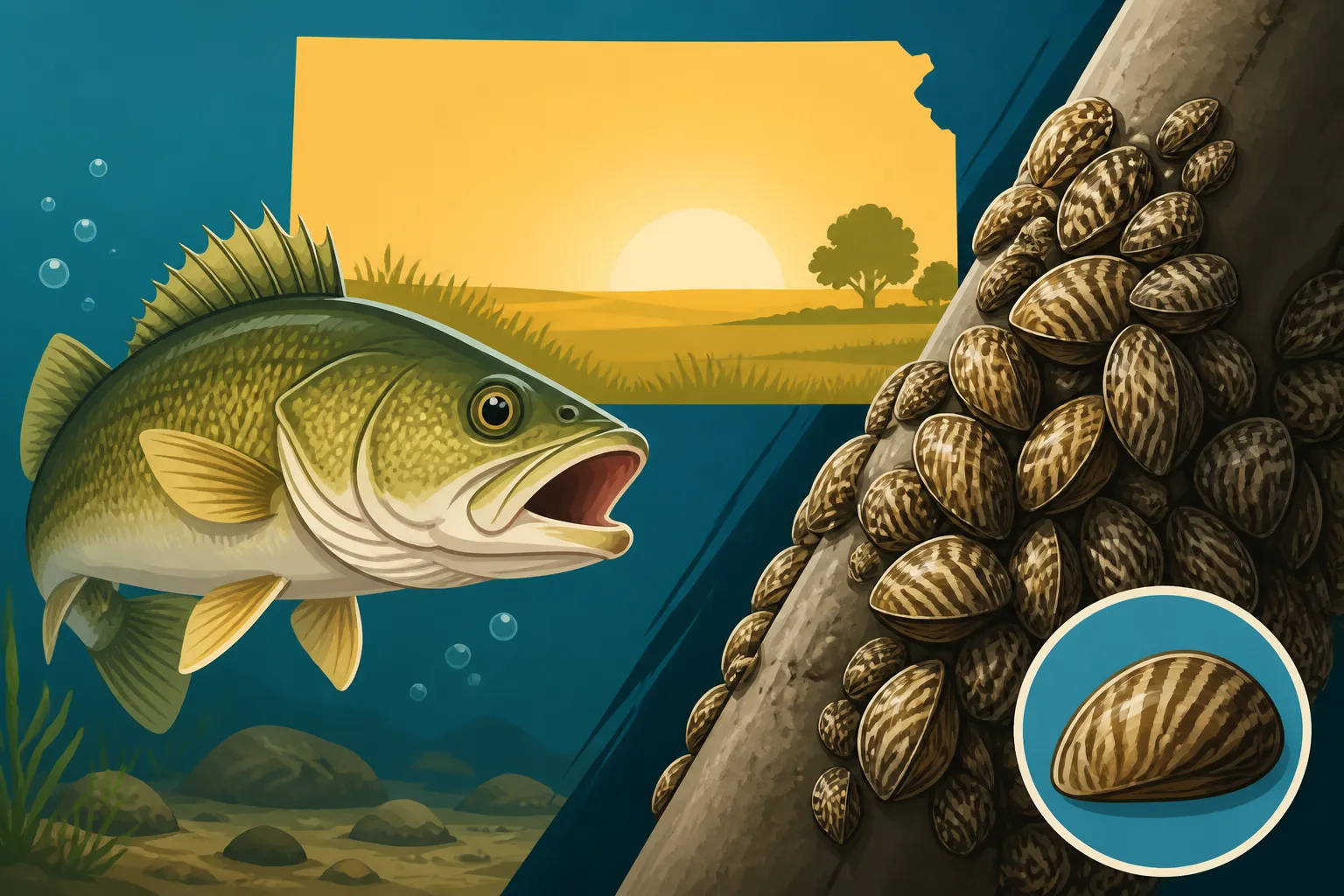
Zebra mussels (scientific name Dreissena polymorpha) are small, D-shaped freshwater mussels, typically no bigger than an adult's thumbnail, that get their name from the striped patterns on their shells. Originally from Eastern Europe and Western Asia, they've become a formidable invasive species across North America. They're not just a nuisance; they're a serious ecological threat, and understanding their nature is the first step to appreciating why every Kansas angler should be concerned.
These mussels are filter feeders, meaning they constantly draw water into their shells and strain out microscopic organisms like phytoplankton and zooplankton. While filtering water might sound like a good thing, their efficiency and sheer numbers create a major problem. They reproduce rapidly, settling on almost any hard surface, including rocks, submerged logs, docks, boat hulls, and even other native mussels and crayfish. Their ability to attach so firmly with byssal threads makes them incredibly difficult to dislodge and allows them to colonize vast areas. This aggressive colonization and filtering prowess directly impact the delicate balance of our Kansas aquatic ecosystems.
How Zebra Mussels Arrived in Kansas Waters and Where They've Spread
The journey of the zebra mussel to North America, and subsequently to Kansas, is a classic tale of accidental introduction through human activity. They first appeared in the Great Lakes region in the late 1980s, likely transported in the ballast water of ocean-going ships. From there, their spread has been primarily facilitated by recreational boats moving from infested waters to clean ones. A small patch of mussels or even microscopic larvae (veligers) clinging to a boat hull, trailer, or within livewells and bilge water is all it takes to establish a new population.
In Kansas, zebra mussels were first detected in Lake Perry in 2003. Since then, they have steadily spread to many of our major reservoirs and some rivers. It's a frustrating reality for anglers who take pride in keeping our natural spaces pristine. The Kansas Department of Wildlife, Parks and Tourism (KDWPT) regularly monitors for new infestations and posts updates, but the challenge is immense. Lakes like Milford Lake, Cheney Reservoir, Wilson Lake, Tuttle Creek Lake, and El Dorado Lake are all known to have established populations. This wide distribution means that almost any time you launch your boat or visit a popular fishing spot, you're potentially encountering zebra mussel territory. Understanding the Kansas Fishing Law Enforcement and Penalties related to transporting these species is crucial, as the state takes their spread very seriously.
The Impact of Zebra Mussels on Kansas Fish and Ecosystems
The presence of zebra mussels has a profound and multifaceted impact on Kansas fish and the aquatic environments they inhabit. It's not just a minor inconvenience; it's a systemic change that reverberates throughout the entire food web. For those of us who spend countless hours on the water, seeing these changes can be disheartening, directly affecting our fishing success and the health of the fish we love to catch.
Disrupting the Food Chain
One of the most significant impacts of zebra mussels is their role as filter feeders. They consume vast quantities of phytoplankton, which are the base of the aquatic food chain. Phytoplankton are eaten by zooplankton, which are then consumed by small baitfish and the juvenile stages of many popular game fish like Kansas Walleye Fishing Guide, crappie, and white bass. When zebra mussels consume the phytoplankton, they essentially steal food from these native species. This reduction in the food supply can lead to:
- Decreased Growth Rates: Young fish may not find enough to eat, resulting in slower growth and smaller sizes overall.
- Reduced Reproductive Success: Fish that are malnourished may not be able to produce as many offspring, or their offspring might be less robust.
- Lower Fish Populations: Over time, sustained food shortages can lead to declines in the abundance of certain fish species, making it harder for anglers to find and catch them.
This disruption means that the vibrant ecosystems we once knew can become less productive, directly impacting the quality of fishing in affected waters.
Altering Habitat and Water Quality
Zebra mussels don't just eat the food; they also fundamentally change the environment. They attach to hard surfaces in massive numbers, forming dense colonies that can carpet the lakebed, rocks, and submerged structures. These colonies can create sharp, jagged surfaces that are hazardous to fish and humans alike. Imagine a walleye trying to spawn on a rocky reef now covered in sharp mussel shells – it's not ideal, and it can damage their delicate skin and fins.
Beyond physical alterations, zebra mussels also impact water clarity. By filtering so much particulate matter, they can make the water appear clearer. While clear water might seem appealing, it allows sunlight to penetrate deeper, leading to increased growth of aquatic vegetation in deeper areas. This change can alter fish behavior, pushing them into different depths or changing their feeding patterns. Furthermore, their waste products can accumulate, potentially affecting nutrient cycling and oxygen levels in certain areas. This shift can directly impact Kansas Catfish Fishing Techniques as catfish often prefer murkier, nutrient-rich environments.
Competition with Native Species and Infrastructure Problems
Zebra mussels also compete directly with native mussel species for food and space. Our native mussels, many of which are already threatened or endangered, are often smothered by zebra mussel colonies that attach to their shells, preventing them from feeding or moving. This loss of biodiversity weakens the entire ecosystem.
From an infrastructure standpoint, zebra mussels cause massive headaches and considerable costs. They clog water intake pipes for municipal water supplies, power plants, and irrigation systems. They encrust docks, buoys, and boat lifts, requiring regular, expensive maintenance and cleaning. These costs often get passed down, sometimes indirectly affecting funding for fisheries management and access. For boaters, neglecting to clean your hull can lead to decreased performance and increased fuel consumption, not to mention the risk of spreading them further. This is why following guidelines in resources like the Kansas Boat Registration for Anglers is important, as part of responsible boating includes preventing species transfer.
Here's a quick look at some of the ways zebra mussels impact our Kansas waters:
| Impact Area | Specific Consequence for Kansas Fishing/Ecosystem |
|---|---|
| Food Web Disruption | Reduction in plankton leads to less food for baitfish and young game fish. |
| Habitat Alteration | Sharp shell beds harm spawning fish; increased water clarity impacts vegetation growth. |
| Competition | Outcompete native mussels and other filter feeders for resources. |
| Infrastructure Damage | Clogged pipes, encrusted docks, increased maintenance costs for water facilities. |
| Economic Impact | Reduced fishing quality can hurt local tourism; increased costs for boaters. |
| Bioaccumulation | Can concentrate pollutants, passing them up the food chain to fish and birds. |
What Anglers Can Do to Prevent the Spread of Zebra Mussels
The fight against zebra mussels in Kansas is a collective effort, and anglers are on the front lines. It's easy to feel helpless, but every single person who enjoys our lakes and rivers has a critical role to play. The most effective strategy we have is the "Clean, Drain, Dry" protocol. It's simple, but it requires diligence and commitment every time you leave a body of water.
The "Clean, Drain, Dry" Protocol
This isn't just a suggestion; it's a vital set of actions to protect our fishing future.
- Clean: Before leaving any boat ramp or shore fishing spot, inspect your boat, trailer, and all fishing gear for any visible aquatic plants, animals, or mud. This includes your anchor, ropes, fishing nets, and even your waders and boots. Remove anything you find and dispose of it in a trash can or on dry land, far away from any water body. Don't be shy about getting in there and really scrubbing; those little mussels are sneaky! You can find specialized brushes and cleaning solutions on platforms like Amazon that are designed for marine use and effective against invasive species.
- Drain: Pull all drain plugs from your boat and completely drain all bilge water, livewells, and bait buckets. If you've been using a cooler to hold fish or bait water, make sure that's fully drained too. Any water that has come into contact with an infested lake or river could contain microscopic zebra mussel larvae (veligers). These larvae are invisible to the naked eye but can start a new population in a clean lake. Many anglers even take an extra step of flushing their bilge and livewells with hot, soapy water at home. Remember to consult the Kansas Fishing Regulations Explained for any specific rules regarding bait transport and disposal.
- Dry: This is arguably the most critical step. Allow your boat, trailer, and all fishing equipment to thoroughly dry for at least five days before entering another body of water. Zebra mussels can survive out of water for several days, especially in humid conditions. If drying for five days isn't feasible due to your fishing schedule, consider washing your boat with high-pressure, hot water (ideally 140°F/60°C). Some car washes offer this, or you can invest in a portable pressure washer from retailers like Amazon for home use. Make sure every crevice and compartment is completely dry. This includes drying out your Best Tackle for Kansas Game Fish and ensuring all your tackle boxes are free of moisture and debris.
Additional Steps for Responsible Anglers
Beyond "Clean, Drain, Dry," there are other ways you can contribute:
- Educate Yourself and Others: Stay informed about which Kansas waters are infested and share this knowledge with your fellow anglers. Ignorance isn't bliss when it comes to invasive species. The KDWPT website is an excellent resource for current information.
- Proper Bait Disposal: Never release live bait from one water body into another. If you have leftover bait, dispose of it in the trash, not in the lake or river. This prevents not only zebra mussel spread but also the spread of diseases or other undesirable species.
- Support Local Efforts: Participate in volunteer clean-up days or support organizations that are working to prevent the spread of invasive species. Every little bit helps.
- Maintain Your Gear: Regular maintenance of your boat and gear, including winterization, can help ensure there are no hidden places for mussels to cling. How to Winterize a Boat in Kansas covers many steps that can also help in preventing mussel survival. Ensuring your Best Boat Maintenance Schedule for Kansas Anglers includes thorough cleaning will go a long way.
It's a tough battle, and it requires vigilance, but by embracing these practices, Kansas anglers can make a significant difference. We all want healthy, thriving fish populations and pristine waters, and protecting against invasive species like the zebra mussel is a cornerstone of that vision.
Disclaimer
This article is for general informational purposes only and does not constitute professional advice. Laws, prices and regulations vary by location and change over time. Consult a qualified professional for guidance on your specific situation.