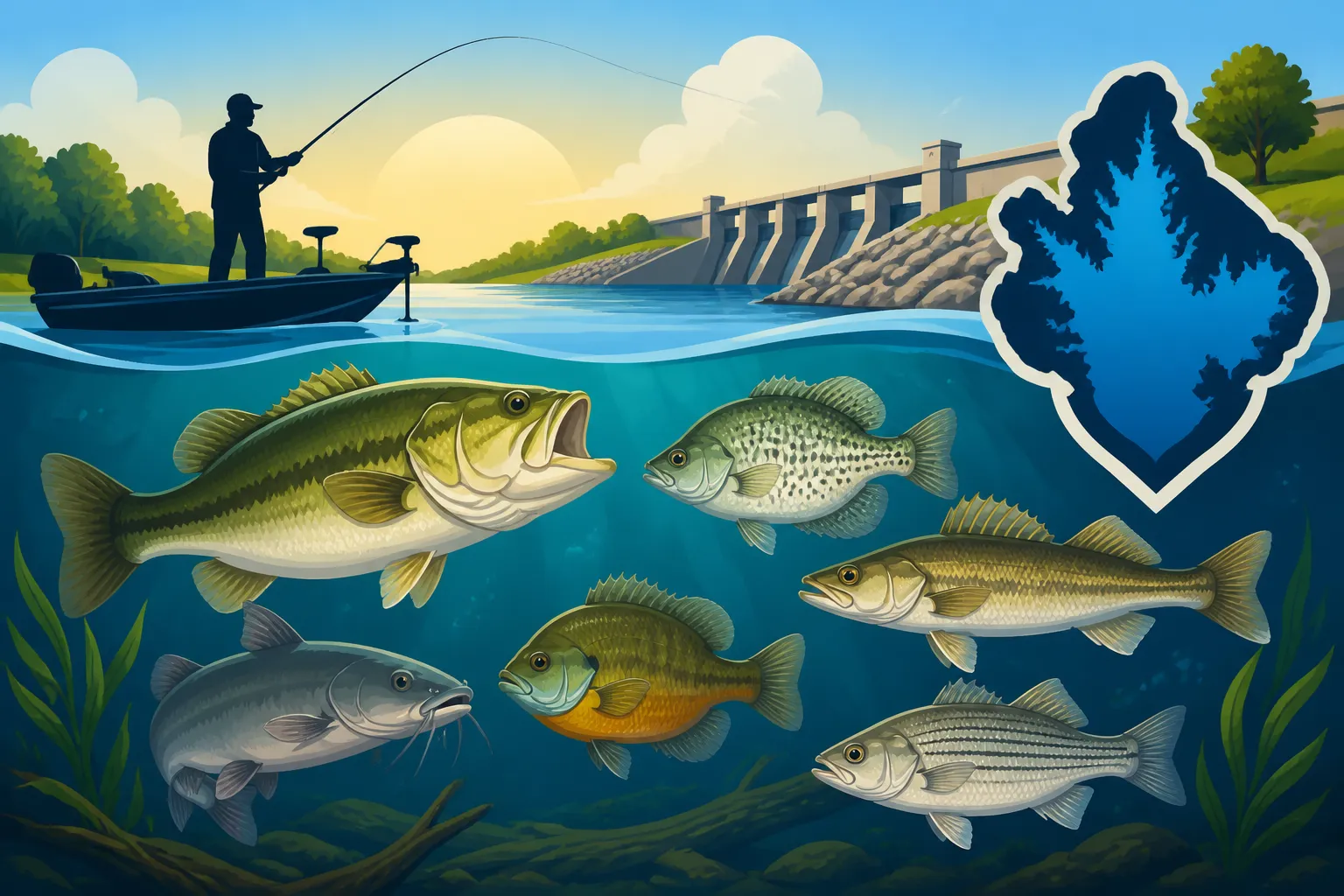
Fish Species in Cheney Reservoir
If you've ever found yourself gazing across the expansive waters of Cheney Reservoir, rod in hand, and wondered exactly what treasures lie beneath the surface, you're not alone. Anglers flock to Cheney for its reputation, but understanding the specific fish species that call this lake home, and what makes them tick, is key to a successful and enjoyable day on the water. This comprehensive guide will pull back the curtain on the diverse and exciting fishery of Cheney Reservoir, helping you target your next big catch with confidence.
The Abundance of Cheney Reservoir's Fishery
Cheney Reservoir, known across Kansas for its vastness and excellent fishing opportunities, truly lives up to its hype as a premier angling destination. It's not just a large body of water; it's a thriving ecosystem supporting a remarkable array of fish species that appeal to every type of angler, from the seasoned veteran chasing trophy fish to the family enjoying a relaxing day catching panfish. The diverse underwater structure, from rocky points to submerged timber and expansive flats, creates perfect habitats for various species, contributing to the reservoir's consistent productivity.
Many factors contribute to Cheney's rich fishery, including thoughtful management by the Kansas Department of Wildlife and Parks (KDWP) and its sheer size, which allows for stable populations and varied environments. Whether you're casting from the shore, drifting from a boat, or even wading into the shallows, the potential for an exciting encounter with one of Cheney's many residents is always high. It's a place where every cast holds promise, and understanding the species present is your first step toward unlocking its full potential. You can learn more about general fishing strategies in our broader Cheney Reservoir Fishing Guide.
Walleye: The Crown Jewel of Cheney
Without a doubt, Walleye reign supreme in the minds of many anglers who visit Cheney Reservoir. This lake has developed a legendary status for its Walleye population, consistently producing both good numbers of eaters and legitimate trophy-sized fish. The Walleye here thrive in the reservoir's clear, deep waters and rocky structures, making them a challenging yet incredibly rewarding target. Anglers often spend countless hours perfecting their techniques specifically for these sought-after fish, known for their elusive nature and delicious fillets.
When you're targeting Walleye at Cheney, you'll want to focus on areas with transition points – where shallow flats drop off into deeper channels, or around submerged humps and ledges. During the pre-spawn and spawn periods, often in early spring, Walleye will move to shallower, rocky areas to reproduce. After the spawn, they tend to move to deeper, cooler water, often suspending over structure or congregating along contour lines. Trolling with crankbaits, jigging with live bait such as shiners or nightcrawlers, or casting blade baits are all effective methods. Many anglers swear by specific types of deep-diving crankbaits or jigging spoons, which you can easily find on Amazon, tailored for different depths and conditions. Persistence is key with Cheney Walleye, but the payoff is often spectacular. For more specific tactics, check out Kansas Walleye Fishing Techniques or Cheney Reservoir Walleye Fishing.
Wiper: Hard-Fighting Hybrid Stripers
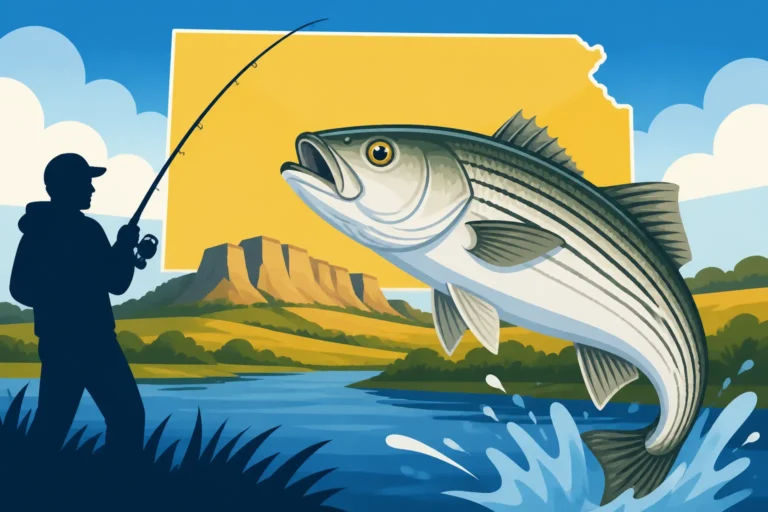
If you're looking for an adrenaline-pumping fight, the Wiper in Cheney Reservoir are exactly what you need. These powerful hybrid striped bass, a cross between white bass and striped bass, are notorious for their incredible strength and aggressive strikes. They grow to impressive sizes in Cheney and are known for schooling behavior, which can lead to explosive fishing action when you locate a feeding frenzy. Wipers offer a completely different challenge than Walleye, focusing more on speed and power rather than subtle takes.
Wipers are pelagic, meaning they often roam open water, chasing schools of baitfish. Look for them in the main lake body, particularly around points, humps, and areas where current or wind can concentrate bait. Topwater lures are incredibly exciting when Wipers are actively feeding on the surface, creating spectacular blow-ups. Otherwise, casting heavy spoons, swimbaits, or large crankbaits can be highly effective when they are deeper. During the hotter months, Wipers will often hold in cooler, deeper waters during the day, becoming more active at dawn, dusk, or even at night. Their aggressive nature means they hit lures hard, and landing a big one can be quite a battle. Many anglers keep a specific rod and reel combo ready just for these strong fighters. If you need new gear, a quick search on Amazon for "heavy-duty spinning combo" will give you plenty of options that can handle these beasts. Don't forget to review Cheney Reservoir Wiper Fishing for more localized tips.
Diverse Catfish and Panfish Opportunities
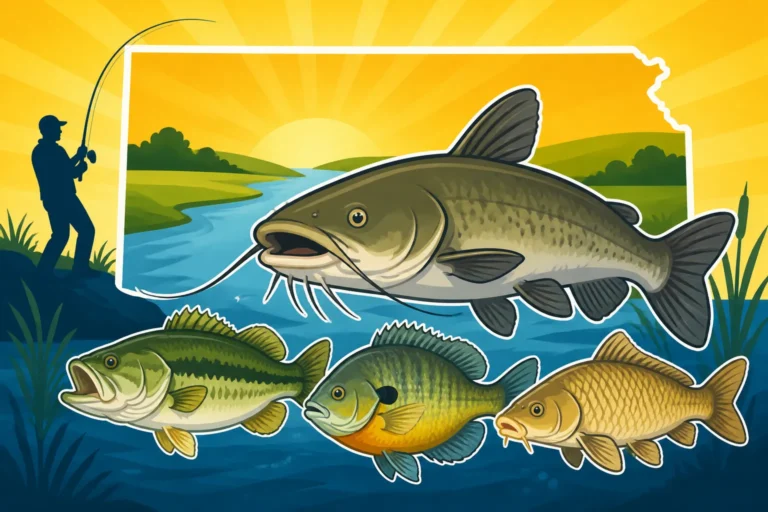
While Walleye and Wiper grab a lot of headlines, Cheney Reservoir also offers fantastic fishing for a variety of other species, providing excellent opportunities for different angling experiences. Whether you're after the steady pull of a catfish or the subtle bite of a crappie, Cheney delivers. These species are often more accessible from shore and can provide consistent action, making them perfect targets for family outings or when you're just looking for a relaxing day of fishing.
The panfish populations, in particular, are a great way to introduce new anglers to the sport. They are abundant, relatively easy to catch, and provide immediate gratification. Meanwhile, the robust catfish populations ensure that even if the other species are being finicky, there's usually a channel cat willing to bite. This diversity is what makes Cheney such a well-rounded fishery.
Channel Catfish: A Kansas Classic
Channel Catfish are a true staple of Kansas fishing, and Cheney Reservoir is no exception. These whiskered bottom dwellers are abundant throughout the lake, offering consistent action and growing to respectable sizes. They are often less finicky than other game fish and can be caught using a wide variety of baits and techniques, making them a favorite for anglers of all skill levels. The fight of a good Channel Cat can also be surprisingly strong, especially on lighter tackle.
You can find Channel Cats almost anywhere in Cheney, from the shallow coves and creek arms to the main lake body. They gravitate towards areas with structure, such as submerged timber, brush piles, or rocky banks, but they also patrol open flats in search of food. Their diet is incredibly varied, making them susceptible to a broad range of baits. Popular choices include cut bait (especially shad or carp), stink baits, chicken livers, shrimp, or even hot dogs. Fishing these baits on the bottom with a slip sinker rig is a classic and highly effective method. They are particularly active during warmer months and often feed aggressively at night. For more insights on targeting these delicious fish, consult Kansas Catfish Fishing Techniques.
Crappie: Abundant and Delicious
For many anglers, the pursuit of Crappie is a year-round passion, and Cheney Reservoir offers some excellent opportunities for both white and black crappie. These schooling panfish are highly sought after for their delicate, flaky white meat, making them a favorite for the dinner table. While they might not provide the same brute strength as a Wiper, their subtle bites and schooling behavior make them a rewarding challenge, and when you find a school, the action can be non-stop.
Crappie in Cheney tend to relate closely to structure, especially brush piles, submerged trees, and bridge pilings. In the spring, they move into shallower water for the spawn, often congregating in coves and protected areas with woody cover. During the summer and winter, they retreat to deeper water, often suspending over structure or schooling around main lake points. Jigging with small jigs (like marabou or soft plastics), or fishing with live minnows under a bobber, are classic and highly effective methods. Electronic fish finders can be a game-changer for locating crappie schools, especially when they are suspended. For those looking to stock up on a variety of crappie jigs and minnow buckets, Amazon has a vast selection, often with good bulk deals. Dig deeper into specific strategies with our guide on Kansas Crappie Fishing Techniques.
Bass and Other Exciting Catches
Beyond the mainstays, Cheney Reservoir also holds a healthy population of bass and other species that add to its allure. The diversity means there's always something different to target, keeping your fishing adventures fresh and exciting. These additional species ensure that Cheney remains a dynamic and rewarding fishery, no matter your preferred style or target.
Exploring these other species can often lead to unexpected and memorable catches. Sometimes, the fish you weren't even targeting ends up being the highlight of your day. It’s a testament to the rich biodiversity that Cheney Reservoir offers, encouraging anglers to try new spots and different techniques.
Largemouth Bass: A Popular Pursuit
While Cheney Reservoir is not traditionally known as a trophy bass lake like some smaller, more private waters, it does offer a solid population of Largemouth Bass that provide fun and engaging fishing. Largemouth are the quintessential American game fish, known for their aggressive strikes and acrobatic fights. They prefer different habitats than walleye, often found in areas with more vegetation, submerged timber, or rocky shorelines that offer ambush points.
At Cheney, look for Largemouth in the shallower, warmer coves, especially those with standing timber, brush, or rocky banks. They are ambush predators and will often hide in cover, waiting for unsuspecting baitfish or crawfish to swim by. Popular techniques include casting soft plastic worms, jigs, spinnerbaits, and crankbaits. Topwater lures can be incredibly effective during low-light conditions or when bass are actively feeding on the surface. Understanding the seasonal movements of bass is crucial; they move shallow to spawn in spring and then retreat to deeper cover as water temperatures rise in summer. For more information on this popular species, you might find Kansas Largemouth Bass Facts helpful.
White Bass: Schooling Action
White Bass are another fantastic species that thrives in Cheney Reservoir, providing incredible, fast-paced action, especially during their spring spawning runs and throughout the summer. These smaller, schooling fish are known for their voracious appetites and willingness to strike almost any lure when they are in a feeding frenzy. When you stumble upon a school of feeding White Bass, it can be one of the most exciting fishing experiences you can have, with fish hitting your lure almost every cast.
The spring white bass run, particularly up the feeder creeks or rivers leading into Cheney, is a highly anticipated event. During other times of the year, look for schooling white bass in the main lake, often chasing baitfish near the surface. Keep an eye out for diving birds, which are a dead giveaway that white bass (or wipers) are pushing bait to the surface. Small spoons, inline spinners, jigs, and small crankbaits are all highly effective. Because they school, if you catch one, there are likely many more nearby. This makes for a great numbers game and provides plenty of action for younger anglers or anyone looking for a high-catch rate day. Identifying them can be important for understanding regulations; check out Kansas White Bass Identification.
Understanding Regulations and Conservation
A crucial aspect of enjoying Cheney Reservoir's incredible fishery is understanding and adhering to the fishing regulations. These rules aren't arbitrary; they are carefully designed by the KDWP to protect fish populations, ensure sustainable fishing for future generations, and maintain the ecological balance of the reservoir. Ignorance of the rules is never an excuse, and responsible angling means knowing before you go.
Beyond the letter of the law, adopting a conservation-minded approach enhances the fishing experience for everyone. It's about respecting the resource and playing your part in keeping Cheney Reservoir a productive and vibrant place for all who enjoy it. This includes everything from proper catch and release techniques to managing your waste and leaving the area cleaner than you found it.
Key Regulations for Cheney Species
Each fish species in Cheney Reservoir, and indeed across Kansas, has specific regulations regarding length limits, creel limits (the number of fish you can keep), and sometimes even season dates. For instance, Walleye and Crappie often have minimum length limits to allow fish to reach reproductive age, ensuring the population remains healthy. Wiper and Catfish might have different daily bag limits. It's vital to check the current Kansas Fishing Regulations Explained before each outing, as these can change periodically.
For example, a common scenario might be a minimum length limit of a certain number of inches for Walleye, meaning any fish shorter than that must be immediately released unharmed. Similarly, Crappie might have a generous daily creel limit but often a minimum length requirement. It's your responsibility as an angler to correctly identify your catch and measure it if necessary. Carrying a current copy of the regulations, either physically or digitally on your phone, is always a good idea. Penalties for violating regulations can range from fines to loss of fishing privileges, so it's always best to be informed. You can also get a general overview of Kansas Daily Creel Limits by Species.
Practicing Responsible Angling
Beyond simply following the rules, responsible angling at Cheney Reservoir means adopting practices that minimize your impact on the fish and their habitat. This includes proper catch and release techniques for fish you don't intend to keep, disposing of trash properly, and being mindful of other users of the lake. For example, if you're releasing a fish, try to handle it as little as possible, keep it in the water, and use wet hands to protect its slime coat. Using single, barbless hooks can also make releasing fish easier and less stressful for them.
Consider the health of the fish you're targeting. During extreme heat, some species might be under more stress, and aggressive catch and release fishing might not be the best for their survival. Being aware of the conditions and adjusting your approach can make a big difference. Packing out everything you pack in, including fishing line scraps, bait containers, and food wrappers, is essential. Ultimately, the goal is to leave Cheney Reservoir just as good, if not better, than you found it, ensuring it remains a fantastic fishing destination for years to come.
Disclaimer
This article is for general informational purposes only and does not constitute professional advice. Laws, prices and regulations vary by location and change over time. Consult a qualified professional for guidance on your specific situation.