Best Gear for Wheelchair Anglers in Kansas
Many anglers using wheelchairs often face frustrating limitations when trying to enjoy a day out on the water, from inaccessible fishing spots to gear that just isn't designed with their specific needs in mind. It can feel like the joy of fishing is just out of reach, but it doesn't have to be that way! This guide is all about empowering wheelchair anglers in Kansas with the knowledge and recommendations for the best gear and strategies to make your next fishing trip comfortable, productive, and truly enjoyable.
Understanding the Unique Needs of Wheelchair Anglers
Fishing is a fantastic way to connect with nature, find peace, and experience the thrill of a catch. However, for those of us who use wheelchairs, there are often hurdles that able-bodied anglers might not even consider. It's not just about getting to the water; it's about being able to participate fully and comfortably once you're there.
Accessibility Challenges on the Water
One of the biggest frustrations is simply getting to a good fishing spot. Many beautiful lakes and rivers in Kansas, while teeming with fish, have uneven terrain, steep banks, or rocky shores that are just impossible to navigate in a wheelchair. Even paved paths can end abruptly, leaving anglers stranded. Beyond the physical terrain, things like high railings on piers, lack of accessible restrooms, or boat docks without suitable transfer options can turn an exciting outing into a discouraging ordeal. It truly takes the joy out of it when you're constantly fighting the environment instead of focusing on the fish. This is why looking into Accessible Fishing Piers for Disabled Anglers in Kansas can be a game-changer, as these locations are specifically designed to minimize these challenges.
Finding a place that truly understands and accommodates the needs of all anglers is crucial. It’s not just about getting there, but about feeling welcome and having the necessary infrastructure to actually enjoy your time. Sometimes, even when a spot is technically accessible, the subtle design flaws can still create unnecessary difficulty. We want to spend our time casting lines, not struggling with basic movement.
Ergonomics and Comfort Considerations
Once you're at your chosen spot, comfort and ease of use become paramount. Holding a fishing rod for extended periods, especially when battling a strong fish, can be challenging if the gear isn't ergonomically suited for someone sitting. Traditional rod holders might not position the rod correctly, and casting can be awkward or lead to strain. Think about the repetitive motions, the need for stable seating, and the desire to control your gear effectively without constant assistance.
Fishing should be relaxing, not a workout in discomfort. The right gear can significantly reduce fatigue and allow you to fish for longer, truly immersing yourself in the experience. This means looking beyond standard equipment and finding solutions that enhance your natural movements and leverage your strengths, rather than highlighting limitations. Consideration for how you manage your tackle box, bait, and even netting a fish—all from a seated position—is vital for an independent and enjoyable trip.
Essential Gear for Enhanced Independence
Achieving independence while fishing from a wheelchair doesn't require reinventing the wheel, but rather selecting specialized gear that has been thoughtfully designed. The market has grown significantly in offering adaptive solutions that truly make a difference.
Rods and Reels Designed for Adaptive Angling
When it comes to rods and reels, the key is often a combination of lighter weight, enhanced grip, and potentially specialized rod holders. A lighter rod reduces arm fatigue, allowing for longer, more comfortable fishing sessions. Many anglers find success with shorter rods (around 5-6 feet) as they are easier to manage and cast from a seated position, especially if you have limited space or overhead obstructions on a pier. Look for rods with comfortable, larger diameter grips or those designed for a two-handed hold if that offers better stability and leverage for you. Some adaptive rods feature cuffs or straps that secure the rod to your arm, providing more control, which can be incredibly useful when fighting a feisty walleye or a big channel cat.
Reels should also prioritize ease of use. Spinning reels are generally favored over baitcasters for their simpler operation and less propensity for backlashes, especially if fine motor skills are a concern. Look for reels with large, easy-to-grip handles and smooth drags that allow for precise adjustments without fumbling. Some companies even offer electric reels, which can be a fantastic option for anglers who struggle with repetitive cranking, making deep-water fishing much more accessible. Brands like Pflueger and Shimano offer a range of lightweight, high-performance spinning reels that can be great starting points. Considering your target species, you might also want to explore Best Rod and Reel Combo for Catfish for specific recommendations if big cats are your goal.
Comfortable Seating and Stability Solutions
While your wheelchair is your primary seating, enhancing its stability and comfort for fishing can dramatically improve your experience. Investing in a quality cushion designed for extended sitting can prevent pressure sores and general discomfort during a long day on the water. Beyond that, stability is crucial, especially when casting or reeling in a powerful fish. Consider products like wheelchair stabilizers or outriggers that attach to your chair, widening its base and preventing tipping on uneven surfaces or during strong tugs from a fish.
For bank fishing, where terrain can be less predictable, portable, lightweight fishing platforms or mats can create a more stable surface for your chair. If you plan to fish from a boat, ensure the boat itself has ample room for maneuverability and a secure tie-down system for your wheelchair. Some pontoon boats are specifically designed with ramps and open decks to accommodate wheelchairs, making them excellent choices for a comfortable and safe outing. Always prioritize safety, especially around water, and make sure any modifications or additions to your chair or fishing spot enhance stability without creating new hazards.
Accessible Tackle Management and Organization
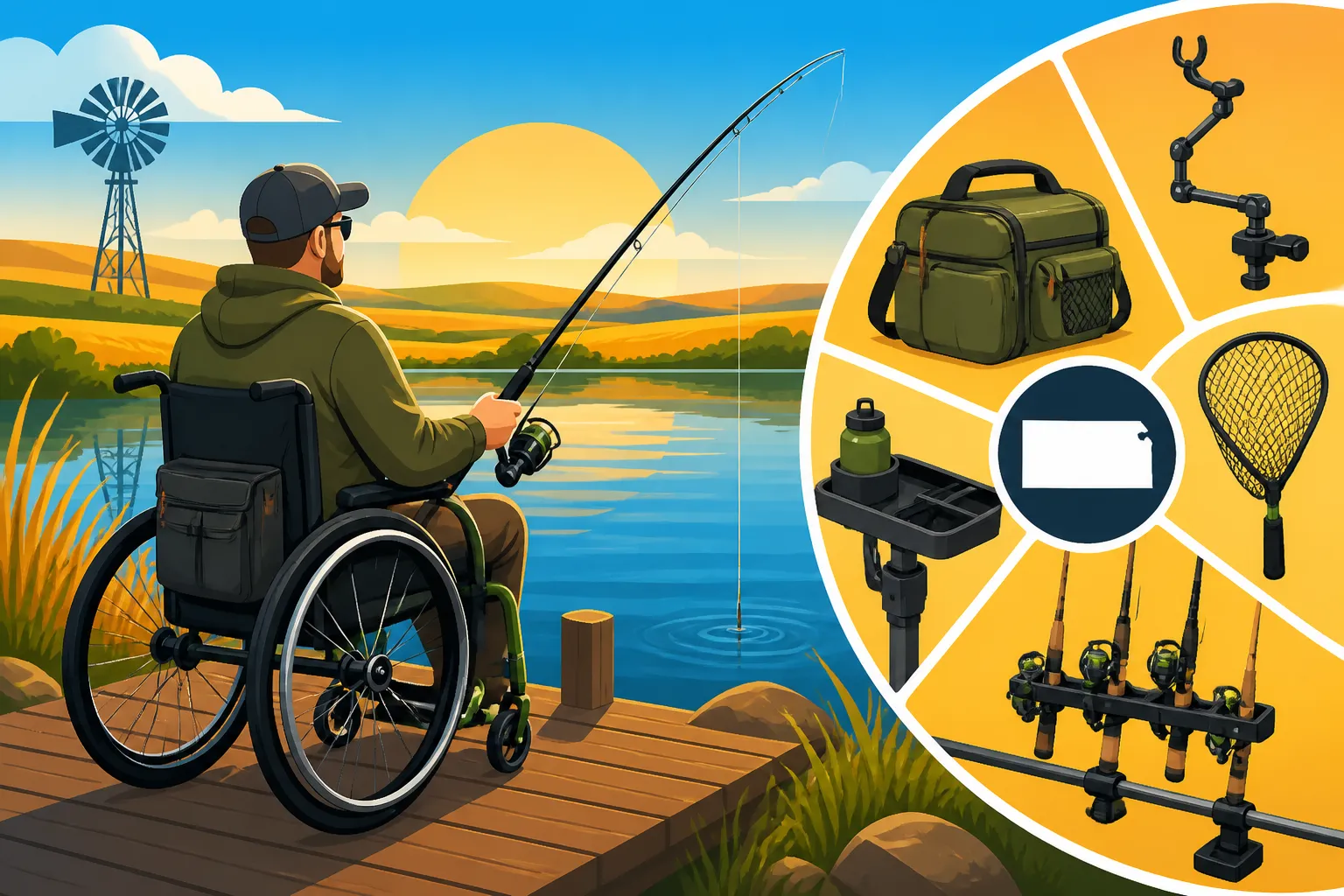
Fumbling with a tackle box can be a real pain, especially when you need to switch lures quickly or re-tie a knot. Traditional tackle boxes, which require lifting heavy trays or digging through deep compartments, can be particularly challenging from a seated position. The solution lies in tackle management systems that are easily accessible and organized. Consider soft-sided tackle bags with multiple external pockets and transparent utility boxes. These allow you to see your contents at a glance and access frequently used items without having to move or lift heavy equipment. Many of these bags can be mounted to the side of your wheelchair or placed on a small, portable table within easy reach.
Modular systems, where individual trays or boxes can be pulled out and placed on a lap tray or a small, nearby surface, are also incredibly effective. Think about small, magnetic trays to hold hooks and weights, preventing them from rolling away. For bait, a portable bait cooler or bucket with an aerator that can be kept close by is ideal. Bass Pro Shops and Amazon offer a wide array of innovative tackle organization solutions, from wearable tackle vests to specialized trays that attach to chair arms, all designed to keep your essential gear within arm's reach and minimize bending or stretching. Keeping things tidy and accessible not only reduces frustration but also enhances safety by preventing clutter around your chair.
Smart Technology and Aids for a Better Fishing Experience
Beyond rods, reels, and tackle, a few technological advancements and adaptive tools can significantly boost a wheelchair angler's success and enjoyment. These aren't just gadgets; they're genuine aids that overcome physical barriers and level the playing field.
Electronic Fish Finders and Navigation
A good fish finder can transform your fishing experience, and they are incredibly beneficial for wheelchair anglers by eliminating the need to constantly move around or cast blindly. Modern fish finders, even compact, portable models, use sonar to display underwater structures, depth, and, most importantly, the presence of fish. This allows you to identify promising spots from a stationary position on a pier or boat without extensive casting or searching. Many portable units are battery-powered and can be easily mounted to a wheelchair tray or a small stand beside you, with clear, easy-to-read screens.
If you're fishing from a boat, a fixed fish finder with a larger screen can be installed at an accessible height, providing comprehensive information about the underwater environment. Some advanced models even offer GPS capabilities, allowing you to mark hot spots and navigate to them easily. Brands like Humminbird and Garmin offer user-friendly interfaces and robust performance in various price ranges. Being able to pinpoint where the fish are hiding, whether it's a deep channel or a submerged brush pile, means less wasted effort and more targeted casts. This also ties into understanding your chosen location, whether it's one of the many Kansas Community Lake Fishing Rules or a vast reservoir, knowing the underwater topography can make all the difference.
Adaptive Tools and Accessories
A range of adaptive tools are available that address specific challenges and enhance independence. These can include:
- Long-handled Nets: A longer handle on a landing net allows you to reach further out from your seated position to scoop up a caught fish, reducing the need for assistance. Look for lightweight, collapsible options for easy transport.
- Rod Holders: These are indispensable. Adjustable rod holders that clamp onto your wheelchair, a pier railing, or a boat gunwale can securely hold your rod, freeing up your hands for other tasks like baiting a hook or adjusting your tackle. Some even have release mechanisms designed for easy, one-handed operation.
- Baiting Tools: Tools that assist with baiting hooks, such as specialized forceps or bait needles, can make this fiddly task much easier for those with limited dexterity.
- Reaching Tools: Extendable grabbers or reaching tools can be surprisingly useful for retrieving items that have fallen out of reach or for grabbing gear from a tackle bag without excessive stretching.
- Fishing Pliers and Clippers: These often come with large, ergonomic handles and spring-loaded mechanisms, making them easier to use than standard versions.
- Automatic Hook Setters: For anglers with severe mobility limitations, automatic hook setters can be a game-changer, setting the hook instantly when a fish bites, allowing the angler to focus solely on reeling it in.
The beauty of these adaptive accessories is that they are designed to solve real-world problems, making the act of fishing more fluid and less dependent on others. A visit to a well-stocked sporting goods store, or a quick browse on Amazon, can reveal many such innovations.
| Gear Category | Key Features for Wheelchair Anglers | Benefits |
|---|---|---|
| Rods | Lightweight, shorter lengths (5-6 ft), ergonomic grips, wrist straps | Reduced fatigue, easier casting, better control, less strain |
| Reels | Spinning type, large handles, smooth drag, electric options | Simpler operation, less backlash, ease of cranking, accessible for all |
| Tackle Boxes/Bags | Soft-sided, modular trays, external pockets, clear compartments | Easy access, quick organization, visible contents, less lifting |
| Rod Holders | Clamp-on, adjustable, quick-release mechanisms | Hands-free fishing, secure rod, easy rod removal |
| Fish Finders | Portable, battery-powered, clear display, GPS options | Locates fish from stationary position, aids navigation |
| Nets | Long-handled, lightweight, collapsible | Extended reach, easy storage, independent landing of fish |
| Baiting Aids | Specialized forceps, bait needles | Easier baiting, reduced dexterity requirements |
Planning Your Accessible Kansas Fishing Trip
Having the right gear is only half the battle; knowing where to go and what to expect can make all the difference for a successful and stress-free fishing adventure in Kansas.
Locating Accessible Fishing Spots
Kansas has made strides in providing accessible fishing opportunities, but it still requires some research to find the truly wheelchair-friendly locations. Many state parks and community fishing lakes now feature accessible fishing piers, paved trails leading to the water's edge, and accessible restrooms. These piers often have lower railings or cutouts specifically designed to allow wheelchair users to cast and reel unimpeded. Before heading out, it’s always a good idea to check the Kansas Department of Wildlife, Parks and Tourism (KDWPT) website or call the specific park or lake office directly to confirm accessibility features. Don't forget that programs like Free Fishing Access Programs for Disabled Kansans might offer additional resources or designated spots.
Look for locations near urban centers, as these frequently have better infrastructure. For instance, many of the smaller community fishing lakes around Wichita, Topeka, and Kansas City prioritize accessibility to serve local populations. Researching Kansas Community Lake Fishing Rules can also provide valuable insights into specific regulations for these highly accessible spots. Even at larger reservoirs, certain areas might be more wheelchair-friendly, such as designated campgrounds with paved access to shoreline fishing spots. Don't be afraid to ask other anglers or local bait shops for recommendations on truly accessible locations; word-of-mouth can be incredibly helpful.
Transportation and Boat Access
Getting your gear and yourself to the fishing spot is another critical aspect. If you plan to fish from the bank or a pier, ensure your vehicle can transport all your adaptive gear comfortably. Consider a hitch-mounted carrier for extra equipment if internal space is limited. When it comes to accessing boats, the challenges can increase. Some larger marinas or specific accessible fishing programs might offer pontoon boats equipped with ramps or lifts, allowing for easy transfer of a wheelchair onto the vessel. Always inquire about these specialized boats or services well in advance.
For smaller boats or private trips, you might need to plan for a transfer from your wheelchair to a boat seat, which could require assistance. It's important to openly communicate your needs with anyone you're fishing with to ensure a safe and smooth transfer process. Remember, if you’re operating a motorized boat in Kansas, it will need to be registered, and understanding Boat Registration Rules for Kansas Anglers is crucial. Additionally, when visiting state parks, you might need a Kansas State Park Vehicle Permit for Anglers for entry, so factor that into your planning. Always prioritize your safety and comfort when planning transportation and boat access; a little preparation can prevent a lot of frustration.
Disclaimer
This article is for general informational purposes only and does not constitute professional advice. Laws, prices and regulations vary by location and change over time. Consult a qualified professional for guidance on your specific situation.