Do You Need Ice Cleats for Ice Fishing?
When the chill truly sets in and our beloved Kansas lakes and ponds freeze over, the lure of ice fishing is undeniable. But let's be real: stepping onto a sheet of ice, especially a large, expansive reservoir, comes with its own unique set of challenges. One of the biggest, and frankly, most overlooked, is simply staying on your feet. It's not just about avoiding a comical fall; it's about genuine safety and comfort for a successful day of hardwater angling. This guide will walk you through why ice cleats are far more than a luxury—they’re an essential piece of gear for any Kansas ice angler.
The Undeniable Need for Traction on the Ice
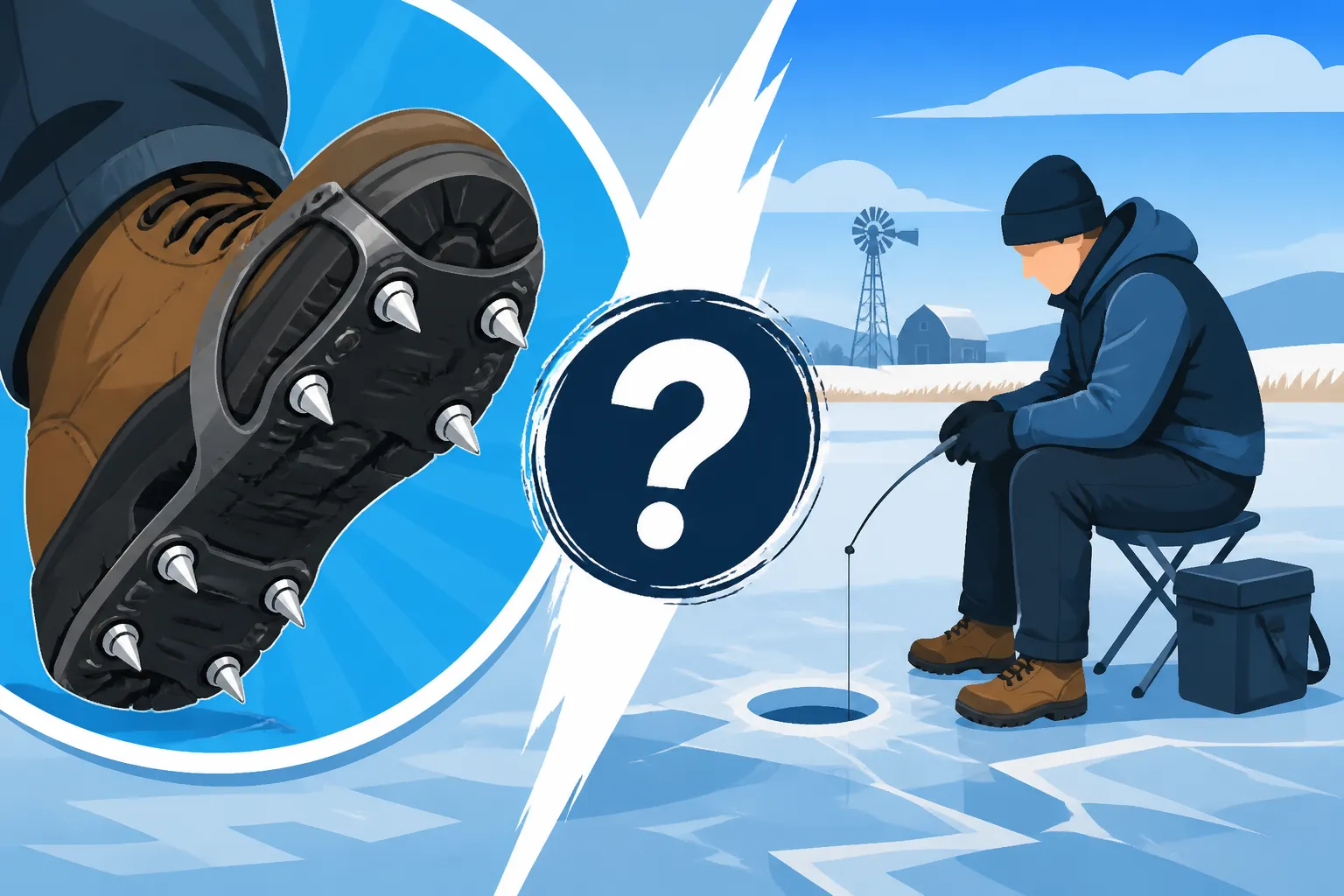
Ice fishing looks serene from afar, but up close, it’s a dynamic environment where slippery surfaces are the norm. The last thing you want is to be worried about taking a spill, especially when you're far from shore or wrestling with a big fish. Cleats aren't just for extreme conditions; they're for any condition you'll encounter on a Kansas frozen lake.
Why Ice Is So Treacherous
You might think, "Oh, the ice looks pretty solid, I'll be fine." But ice, especially natural ice on a lake, is rarely uniformly smooth. You'll encounter patches of slick, clear black ice where the wind has swept away snow, leaving a mirror-like surface. Then there are areas of slush that have refrozen, creating uneven, bumpy terrain. Sometimes, you'll have a thin dusting of snow that completely hides those treacherous slick spots underneath, turning every step into a gamble. Imagine drilling an auger hole, bracing yourself against the ice, and your feet suddenly shoot out from under you. It's a recipe for a very bad day, potentially leading to injuries like sprains, fractures, or worse, a nasty head injury. Even the smallest slip can send a ripple of fear through you, making you hesitant with every movement, which completely detracts from the enjoyment of the sport.
Kansas weather can be notoriously fickle, too. A warm spell followed by a sudden freeze can create layers of ice and meltwater that are incredibly slick. Even a thin layer of hoarfrost or morning dew on top of solid ice can be enough to send you sprawling. This isn't just about personal embarrassment; it's about the very real potential for a serious injury that could cut your ice fishing season short or even have lasting consequences. That sense of constant vigilance against falling takes all the fun out of watching your tip-ups.
Beyond Just Walking: Safety During Key Ice Fishing Activities
It's not just walking from your truck to your spot that demands traction. Think about all the activities you perform on the ice that require stable footing. Drilling holes with an auger, whether it’s a manual hand auger or a powerful gas-powered unit, involves a significant amount of force and often twisting motion. If your feet slip, that auger can become a dangerous spinning blade, or you could fall directly onto the sharp cutting edges. Setting up a portable ice shelter often involves tugging and pushing, and if you lose your footing, you could send your shelter flying or injure yourself in the process.
Then there's the thrill of the catch! Landing a feisty walleye or a big channel catfish means leaning over the hole, pulling against a strong fish, and often moving quickly to net it. Imagine hooking into a trophy fish, the adrenaline pumping, and then slipping just as you reach for the net. Not only could you lose the fish of a lifetime, but you could also go headfirst into the ice hole, potentially causing a serious accident. Even simple tasks like repositioning your portable heater, grabbing a lure from your bucket, or helping a buddy with their gear become hazardous if you don't have reliable grip underfoot. Investing in ice cleats isn't about being overly cautious; it's about enhancing your safety and enjoyment of the sport by providing peace of mind with every step and every action on the ice. For comprehensive safety tips, check out Ice Fishing Safety Tips.
Types of Ice Cleats and Their Benefits
When you start looking into ice cleats, you'll find there's a surprising variety out there. It's not a one-size-fits-all situation, and what works best for one angler might not be ideal for another, depending on their budget, how often they go, and the specific conditions they usually face. Knowing the differences can help you make an informed decision and stay safer on the hardwater.
Basic Spike or Coil Designs
These are often the entry-level options and are fantastic for casual ice anglers or those who don't face overly challenging ice conditions. Basic spike cleats usually feature a series of small, pointed studs or metal coils embedded in a rubber or elastic harness that stretches over your boot. They're typically lightweight, easy to slip on and off, and fold up compactly for storage in your tackle box or bucket. You can find many affordable options like these on platforms like Amazon or in a local Bass Pro Shops.
The main benefit of these simpler designs is their convenience and lower cost. They provide a noticeable improvement in traction compared to bare boots, making general walking and standing much safer. However, they might not offer the most aggressive grip on extremely slick black ice or in areas with thick, uneven ice. The spikes can sometimes wear down more quickly, and the rubber harnesses can become brittle in extreme cold or degrade over time if not cared for. They're a great starting point, especially if you're just getting into ice fishing or primarily stick to community lakes with more managed ice conditions.
Aggressive Studded or Chain Designs
For the serious ice angler who spends a lot of time on larger reservoirs like Milford Lake or Cheney Reservoir, or ventures out in more challenging conditions, aggressive studded or chain designs are often the preferred choice. These cleats feature more substantial, often replaceable, steel studs or intricate chain patterns with robust cleats that dig deep into the ice. They're built for maximum traction and durability.
The superior grip these offer is truly remarkable. They provide a level of confidence that allows you to move across slick, uneven, or snow-covered ice with much greater security. Imagine setting up your portable ice shelter on a blustery day, or quickly moving across a vast expanse to check a distant tip-up—these cleats give you the traction you need without constant worry. While they tend to be a bit heavier, more expensive, and sometimes less compact than basic designs, their performance and longevity are well worth the investment for dedicated anglers. Brands focusing on outdoor winter sports often offer these heavy-duty options, and you can often find them at specialized outdoor retailers or even on Bass Pro Shops' website.
Integrated Traction Footwear Versus Over-the-Boot Cleats
Beyond just the cleat design, you'll also have to decide between purchasing a dedicated pair of ice fishing boots with built-in traction or going with over-the-boot cleats that you can attach to your existing winter footwear. Both have their merits and drawbacks.
Integrated traction footwear, such as specific ice fishing boots, typically has aggressive rubber outsoles designed with a unique tread pattern and sometimes even built-in, non-removable studs. The primary advantage here is seamless comfort and often superior insulation. You don't have to worry about the cleats shifting or coming off your boots. They're engineered as a complete system. However, they are generally more expensive than just buying cleats, and they're single-purpose footwear—meaning you probably won't be wearing them off the ice unless you want to look a bit out of place!
Over-the-boot cleats, which we've mostly been discussing, offer versatility. You can use them with any sturdy winter boot you already own. This makes them a more cost-effective solution if you already have warm, waterproof boots. They're also easy to remove if you need to go indoors (like into a local bait shop or a friend's ice shanty with a floor) and then put them back on when you're outside. The downside is that sometimes the harness can feel less secure than an integrated system, and you might need to adjust them periodically. Ultimately, the choice often comes down to budget, how often you ice fish, and whether you prefer the convenience of an all-in-one solution or the flexibility of add-on traction.
Choosing the Right Cleats for Your Kansas Ice Fishing Adventures
Selecting the perfect pair of ice cleats isn't just about picking the coolest-looking ones. It's about considering the unique conditions you'll face on Kansas ice and ensuring they fit your specific needs, comfort, and safety requirements. A thoughtful choice now can prevent a lot of frustration and discomfort later.
Assessing Your Typical Fishing Conditions
Kansas ice conditions can vary widely, not just from year to year, but from lake to lake, and even day to day. Are you mostly venturing out onto smaller, more protected ponds or community lakes where the ice might be smoother? Or do you brave the vast, windswept surfaces of larger reservoirs like Wilson Lake or Tuttle Creek Lake, where you might encounter rougher, snow-drifted, or slicker conditions? If you primarily fish on consistently clear, hard ice, a less aggressive cleat might suffice. However, if you're tackling slush, uneven refrozen snow, or areas prone to wind-swept black ice, you'll definitely want a more robust, studded option.
Think about how early or late in the season you typically fish. Early ice often brings thin, clear, and exceptionally slick surfaces, demanding maximum grip. Late ice, conversely, can be honeycombed and unpredictable, sometimes leading to slushy patches that hide firmer, but still slick, ice underneath. Your choice of cleats should match the most challenging conditions you expect to face, not just the easiest. If you're exploring Best Kansas Lake for Ice Fishing, consider what kind of ice those lakes typically present.
Comfort, Durability, and Fit Considerations
No matter how effective a pair of cleats are, if they aren't comfortable, you won't want to wear them, or they'll detract from your enjoyment. It’s crucial that your cleats fit snugly over your chosen winter boots without pinching, slipping, or creating uncomfortable pressure points. The straps or harness should be robust enough to hold the cleats in place but flexible enough to allow natural movement. When you're spending hours out on the ice, standing and moving around, minor discomfort can quickly escalate into a major distraction.
Durability is another key factor. Those tiny spikes or chains take a beating, especially if you're walking on mixed ice and occasional patches of gravel or concrete (like near a boat ramp). Look for materials that are known for their cold-weather resilience and corrosion resistance. Stainless steel or hardened carbon steel spikes will last longer than softer metals. While a cheaper pair might save you a few bucks upfront, having them break or lose their grip mid-season is not only annoying but also potentially dangerous. Read reviews on sites like Amazon, or if possible, try them on over your actual fishing boots at a store like Bass Pro Shops to get a feel for the fit and quality. Remember, a good pair of cleats is an investment in your safety and comfort for many seasons to come.
Beyond Cleats: Other Safety Gear for Ice Fishing
While ice cleats are paramount for maintaining traction, they are just one piece of the overall ice fishing safety puzzle. It's vital to remember that a fall is only one of many potential hazards on the ice. Always carry a set of ice picks around your neck or in an easily accessible pocket. These sharp, pointed tools can be lifesavers if you do break through the ice, allowing you to get a grip and pull yourself out. A throwable flotation device or a length of rope is also a smart addition, especially when fishing with others.
An ice spud bar or an auger with a measuring tape can help you check ice thickness as you go, ensuring you stay on safe ice. For more information on safe ice, see How Thick Does Ice Need to Be to Fish?. A first-aid kit, a fully charged cell phone (kept warm to preserve battery life), and a buddy system are also non-negotiable aspects of a safe ice fishing trip in Kansas. Don't forget an auger cover when moving your auger, to protect both yourself and the auger blades. Being prepared with a comprehensive safety kit goes hand-in-hand with having good traction to ensure a successful and worry-free day on the ice.
| Ice Cleat Type | Primary Benefit | Best For | Considerations |
|---|---|---|---|
| Basic Spikes/Coils | Easy to use, affordable | Casual anglers, smoother ice, short distances | Less aggressive grip, may wear faster, limited traction on varied surfaces |
| Aggressive Studs/Chains | Superior grip, durable | Dedicated anglers, rough/slick ice, long distances | Heavier, higher cost, can be less compact, may damage indoor surfaces |
| Integrated Footwear | Seamless comfort, insulation | Anglers seeking all-in-one, frequent use | Higher initial cost, single-purpose, less versatile |
| Over-the-Boot Cleats | Versatile, cost-effective | Any angler with existing winter boots, varied needs | Can feel less secure than integrated, may need adjustments |
Maintenance and Best Practices for Your Ice Cleats
Just like any other piece of fishing gear, your ice cleats will perform their best and last longer with a bit of care. Neglecting them can lead to rust, degradation, and a premature need for replacement, which nobody wants when you’re just trying to enjoy your time chasing crappie or walleye on the ice.
Cleaning and Storage
It’s tempting to just toss your cleats into your bucket or sled after a long day on the ice, but a few minutes of care can make a big difference. After each outing, especially if you’ve been walking through slush or muddy areas, take the time to rinse off any debris, salt, or muck. Let them air dry completely before storing them. Leaving them wet, especially if they have metal components, is an open invitation for rust, which can weaken the spikes and corrode the rubber or elastic harnesses.
Store your cleats in a cool, dry place, ideally in a separate bag or compartment in your tackle box. This prevents the sharp spikes from damaging other gear or puncturing your ice shelter. Proper cleaning and storage will help maintain the integrity of the materials, keep the spikes sharp, and ensure they’re ready to go for your next adventure. Taking care of your gear, including your Best Ice Fishing Auger for Kansas Lakes and Best Ice Fishing Shelter for Kansas, helps ensure it functions reliably when you need it most.
Inspecting for Wear and Tear
Before each ice fishing trip, make it a habit to quickly inspect your ice cleats. Look closely at the spikes or studs: are they still sharp and present, or are some missing or severely dulled? Check the rubber or elastic harness for any cracks, tears, or signs of stretching and weakening. Cold temperatures can make these materials brittle, and a stretched-out harness won’t hold the cleats securely on your boots.
If you notice significant wear, dulled spikes, or damaged straps, it might be time for a replacement. Many aggressive studded cleats allow for individual stud replacement, which can save you from buying a whole new pair. Don’t wait until you’re on the ice and feel a cleat slip or break to realize you needed new ones. Proactive inspection ensures your cleats are always in top condition, providing the maximum safety and traction you rely on. A quick check of your Best Ice Fishing Rod for Panfish and other gear is always a good practice too!
Practical Application on the Ice
Having the right cleats is one thing; using them effectively is another. While cleats provide excellent traction, you still need to walk mindfully on the ice. Avoid running or making sudden, jerky movements, especially when carrying heavy gear like a bucket of minnows or an ice auger. Be particularly careful when transitioning from ice to other surfaces, such as gravel parking lots or concrete ramps, as walking on these hard surfaces can dull your spikes quickly.
If you're using a portable ice shelter with a fabric floor, remember to take your cleats off before entering to avoid tearing the material. Many anglers will keep a small mat or piece of carpet just inside their shelter door for this purpose. When driving an ATV or snowmobile on the ice, be aware that your cleats can get caught on footrests or pedals. Some anglers prefer to remove them for riding and reattach them when they stop to fish. Being aware of your environment and understanding the limitations and best uses for your cleats will not only extend their life but also contribute to an overall safer and more enjoyable ice fishing experience in Kansas.
Disclaimer
This article is for general informational purposes only and does not constitute professional advice. Laws, prices and regulations vary by location and change over time. Consult a qualified professional for guidance on your specific situation.