Kansas Daily Creel Limits by Species
One of the most common anxieties for any angler, new or seasoned, is standing on the shore or in a boat, a beautiful fish in hand, and wondering, "Can I keep this one? How many of these can I take home?" Kansas fishing regulations, especially when it comes to daily creel limits and length restrictions, can feel like a labyrinth of numbers, exceptions, and specific lake rules. It’s enough to make you second-guess every catch. This comprehensive guide is here to untangle those rules, explaining exactly what you need to know about Kansas daily creel limits for various species, why these limits exist, and how to stay on the right side of the law while enjoying your time on the water.
Understanding Kansas Creel Limits: Why They Matter to Every Angler
When you're out fishing in Kansas, the daily creel limits aren't just arbitrary numbers decided by some faceless committee. They are carefully crafted regulations designed to ensure the health and sustainability of our aquatic ecosystems for generations to come. Ignoring these limits doesn't just put you at risk of a penalty; it can seriously impact the very fish populations we all cherish.
Beyond Just a Number: Conservation and Management
Kansas, like every state, relies on scientific data to manage its fisheries. The Kansas Department of Wildlife, Parks and Tourism (KDWP) conducts extensive research, tracking fish populations, spawning success, growth rates, and angler harvest trends. Daily creel limits, along with length limits, are primary tools used to achieve specific management goals. For instance, a generous crappie limit might indicate a robust, fast-reproducing population that can withstand heavy harvest pressure, or it could be a management strategy to reduce competition for food, allowing remaining fish to grow larger. Conversely, a very restrictive limit, like that for walleye or trophy catfish, is typically a conservation measure, designed to protect mature spawners and allow fish to reach older age classes, ensuring future breeding success and offering anglers a chance at truly large specimens.
Understanding this underlying philosophy makes it easier to appreciate the regulations. It’s not about limiting your fun; it’s about preserving the resource. When you adhere to these limits, you're actively participating in the conservation efforts that keep Kansas waters vibrant and productive. This also extends to knowing your Kansas Fishing Seasons and Limits for various species, as some regulations change throughout the year.
The Legal Consequences of Exceeding Limits
Let's be frank: getting caught with too many fish, or fish that are under the legal length, can ruin your day, and possibly your future fishing trips. The legal consequences for violating Kansas fishing regulations can range from significant fines to the forfeiture of your fishing equipment, and in some cases, even jail time. Conservation officers with the KDWP are out on the lakes, rivers, and ponds, diligently ensuring compliance. They are trained professionals who know the rules inside and out, and they take violations seriously.
Imagine having a fantastic day on Milford Lake, catching a stringer full of walleye, only to realize you accidentally kept one too many, or one was just shy of the legal 21-inch minimum. That momentary lapse could cost you hundreds of dollars in fines and court fees. Beyond the financial hit, a violation can lead to the suspension or revocation of your Kansas Fishing License Guide, making it impossible to fish legally for a period. It's simply not worth the risk. Always carry a reliable tape measure (many anglers find compact, waterproof rulers on Amazon to be invaluable) and a copy of the current regulations, readily available through the KDWP website or a printed booklet.
Decoding Walleye, Sauger, and Saugeye Daily Limits
Walleye, sauger, and saugeye are highly sought-after game fish in Kansas, prized for their delicious fillets and challenging fight. Because they are so popular, and their populations can be sensitive to overharvest, their daily limits and length restrictions are among the most carefully managed.
Specific Creel and Length Regulations
For walleye, the general statewide daily creel limit in Kansas is typically two fish. This is a relatively low limit compared to other species, reflecting the KDWP's dedication to maintaining healthy populations, especially in our larger reservoirs like Cheney and Milford. But it's not just about the number; length plays a crucial role too. Most waters enforce a 21-inch minimum length limit for walleye. This means any walleye you catch shorter than 21 inches must be immediately released unharmed. The intent here is to allow young walleye to mature and spawn at least once, contributing to the next generation before they can be harvested.
Sauger and saugeye (a hybrid cross between a female walleye and a male sauger) also have specific rules. Generally, the daily limit for sauger and saugeye is two fish, with a 15-inch minimum length limit. These limits are also designed to protect younger fish and ensure a healthy breeding stock. It's critical to be able to tell the difference between these species, especially if you're fishing in waters where both are present. Walleye typically have a white tip on their tail fin, while sauger have distinct dark spots on their dorsal fin and often lack the white tail tip. Saugeye often exhibit characteristics of both.
Understanding the Aggregate Limit for These Species
Here's where it can get a little tricky for some anglers. When walleye, sauger, and saugeye are found in the same waters, Kansas regulations often apply an aggregate daily creel limit. This means the total number of these three species you can keep in one day cannot exceed the combined limit, which is typically two fish total. So, if you catch one legal walleye, you can only keep one more sauger or saugeye that day, or vice versa. You cannot keep two walleye and then two sauger.
This aggregate rule is in place because these species share similar habitats and are often caught using similar techniques. Without an aggregate limit, anglers could potentially overharvest the combined population, even if individual species limits were technically met. It's a way to provide comprehensive protection across these valuable sportfish. Always consult the official KDWP regulations for the specific body of water you're fishing, as these rules can sometimes have localized variations.
Navigating Special Lake-Specific Rules
While the general statewide limits for walleye, sauger, and saugeye provide a baseline, many of Kansas's premier fishing destinations have site-specific regulations that supersede the general rules. These special regulations are put in place to address unique population dynamics or management goals for that particular lake or reservoir. For example, some lakes might have a "slot limit" for walleye, where fish within a certain size range (e.g., 18-24 inches) must be released, but you can keep a limited number of fish both smaller and larger than the slot.
These exceptions are crucial to know. For instance, a lake might have a more generous walleye limit of four fish, but with a stricter 15-inch minimum. Or, it might have a unique slot limit where only one fish over 24 inches is allowed. These site-specific rules are always clearly posted at boat ramps and access points, and they are detailed in the annual Kansas Fishing Regulations Explained guide. Before heading out to a new lake like Wilson Lake or Clinton Lake, make sure to check its specific rules. You can often find detailed information on the KDWP website or by asking at local bait shops.
Comprehensive Guide to Kansas Catfish Daily Limits
Catfish are arguably the most popular freshwater game fish in Kansas, beloved for their fighting spirit and excellent table fare. Kansas is home to three main species of catfish: channel catfish, blue catfish, and flathead catfish. Each has its own distinct characteristics and, you guessed it, its own set of regulations.
Channel Catfish: The Kansas Staple
Channel catfish are incredibly abundant across Kansas, found in nearly every lake, pond, and river system. They're often the first species new anglers catch, and they remain a favorite for their consistent biting habits and delicious meat. Given their widespread distribution and robust populations, the daily creel limit for channel catfish is quite generous: 10 fish per day.
There is typically no statewide length limit for channel catfish. This management strategy allows anglers to harvest a good number of medium-sized "eaters" while the population continues to thrive. However, some community lakes or urban fishing ponds might have their own special length or daily limits, especially where intense fishing pressure could quickly deplete populations. Always check signage at smaller, local fishing spots. Learning about Kansas Channel Catfish Daily Limits is essential for consistent success. You'll find these fish in abundance in the Kansas River and many of our state fishing lakes.
Blue Catfish and Flathead Catfish: Trophy Management
Blue catfish and flathead catfish are the giants of the Kansas catfishing world. These species can grow to immense sizes, offering anglers a true trophy experience. Because of their slower growth rates, longer lifespans, and the desire to produce true trophy fish, the KDWP manages these species with much stricter limits.
The statewide aggregate daily creel limit for blue catfish and flathead catfish is 5 fish in total. However, there’s a critical additional restriction: only one blue catfish over 35 inches and only one flathead catfish over 35 inches can be harvested within that five-fish limit. This means if you catch a 40-inch blue cat, that's your one trophy blue for the day, and you still can only keep four more blue or flathead catfish, none of which can also be over 35 inches for their respective species.
This strict limit on trophy-sized fish is a classic example of "trophy management." It's designed to ensure that the largest, most prolific breeders remain in the population, contributing to future generations of big cats. It also protects those magnificent fish that have managed to survive for many years, allowing other anglers the chance to catch and release them. These large fish are often caught using specific techniques, as discussed in the Kansas Catfish Fishing Techniques guide.
Aggregating Catfish Species for Your Daily Catch
To further clarify, let’s consider the combined limits for all three major catfish species. You can keep a total of 10 channel catfish. Separately, you can keep an aggregate of 5 blue and flathead catfish, but with the aforementioned 35-inch length restriction for one of each species. These limits are independent of each other, allowing for a good mixed bag catch.
So, on a perfect day, you could technically keep 10 channel catfish, plus one 40-inch blue catfish, and four other smaller blue or flathead catfish (none of which are over 35 inches). This allows for a very productive day on the water, reflecting the abundance and diverse management strategies for Kansas's catfish populations. Always use a reliable scale and measuring tape to ensure your catch meets all legal requirements. Many anglers prefer a compact, digital fish scale and a durable bump board, both readily available on Amazon, to quickly verify their catch on the water.
Crappie and Panfish: Generous Limits, Specific Rules
Crappie and various panfish (like bluegill, redear sunfish, and green sunfish) are the backbone of many Kansas fisheries. They are fun to catch, often abundant, and make for fantastic table fare. Their management reflects their fast reproductive rates and popularity among anglers of all ages.
White and Black Crappie: Abundance and Management
Kansas is blessed with excellent crappie fishing, featuring both white and black crappie. These schooling fish are incredibly prolific, especially in our larger reservoirs and state fishing lakes. This natural abundance allows for a very generous statewide daily creel limit for crappie: 50 fish per day. Yes, you read that right – 50! This limit applies to both white and black crappie in aggregate.
While the 50-fish limit might seem incredibly high, it's a testament to crappie's rapid reproduction and growth. In many waters, such a limit helps manage their populations, preventing overpopulation that can lead to stunted growth. Removing a good number of smaller crappie can actually benefit the fishery by reducing competition for food and allowing the remaining fish to grow larger. However, it's important to be aware that specific lakes or community fishing areas might have length limits or reduced daily limits for crappie, so always double-check the local regulations. You can learn more about Kansas Crappie Length and Bag Limits in detail.
Sunfish and Other Panfish: The Family-Friendly Limits
Beyond crappie, the broad category of "panfish" includes species like bluegill, redear sunfish, green sunfish, and warmouth. These smaller, colorful fish are often the first fish a child catches, sparking a lifelong love for angling. They are vital to the ecosystem and provide countless hours of enjoyment for anglers seeking quantity over trophy size.
Similar to crappie, panfish generally have a very liberal statewide daily creel limit. The aggregate limit for most species of sunfish (bluegill, redear, green sunfish, etc.) is also 50 fish per day. This allows families and anglers looking for a productive outing to bring home a sizable meal. Like crappie, their high reproductive rates and relatively short lifespans mean that such limits are sustainable and often beneficial for population management. These species are often found in abundance in Kansas Community Fishing Lake Rules and smaller ponds.
Length Limits and Site-Specific Nuances for Panfish
While the 50-fish daily limit is common, it’s not always without caveats. For some specific bodies of water, the KDWP may implement a minimum length limit for crappie, often 10 inches. These specific length limits are typically found in lakes where there's a strong desire to produce larger, quality crappie, or where populations have shown signs of stunting. For example, a lake might require crappie to be 10 inches or longer to be kept, or it might have a slot limit where only a certain number of fish within a particular size range can be harvested.
For other panfish like bluegill or redear, statewide length limits are rare, but again, local exceptions can exist. It's truly imperative to consult the specific regulations for the body of water you're fishing. These site-specific rules are almost always posted prominently at public access points and are detailed in the KDWP's annual fishing regulations booklet. A small, laminated card listing the regulations for popular local lakes can be a lifesaver, and you can often find them at local bait shops or even print them yourself and laminate them at home using a machine bought from Amazon.
White Bass, Wiper, and Striped Bass: High-Action, High-Volume Limits
If you're looking for fast-paced action and a good fight, white bass, wipers (hybrid striped bass), and true striped bass are your go-to species in Kansas. These powerful schooling fish are incredibly popular, especially during their famous runs. Their daily limits often reflect their schooling behavior and vigorous feeding habits.
The Thrill of the White Bass Run and Its Limits
White bass are a fantastic sportfish, known for their aggressive strikes and the sheer numbers you can catch, especially during their spring spawning runs up tributary rivers or along reservoir shorelines. Anglers flock to places like the Republican River arm of Milford Lake for the famed Milford Lake White Bass Run, where it's not uncommon to catch dozens of fish in a single outing.
Given their abundant populations and rapid reproduction, the statewide daily creel limit for white bass is a generous 25 fish. There are typically no length limits for white bass, allowing anglers to keep all legal catches. This high limit is sustainable due to their strong year classes and their role as a prey species for larger predators in the ecosystem. It also provides anglers with a fantastic opportunity for a productive day on the water, whether you're fishing from the bank or a boat.
Wiper and Striped Bass: Aggressive Fish, Specific Limits
Wipers, or hybrid striped bass, are a cross between white bass and striped bass, stocked in many Kansas reservoirs for their phenomenal growth rate and intense fighting ability. True striped bass are less common but are found in a few specific deep-water reservoirs. Both offer an incredible angling experience.
For wipers and true striped bass, the statewide aggregate daily creel limit is 10 fish per day. However, there's a crucial minimum length limit of 15 inches for these species. This length limit ensures that younger fish have a chance to grow and mature, allowing them to contribute to the fishery before being harvested. Wipers, in particular, are managed to grow into larger, hard-fighting fish, and the 15-inch limit helps achieve this goal. If you're targeting these species, especially in lakes like El Dorado Lake or Cheney Reservoir, be prepared for a strong fight! Knowing the Kansas Wiper Fishing Techniques can greatly increase your success.
Managing Your Catch: Keeping the Fight Alive for Another Day
With species like white bass and wipers, where limits are relatively high, it's easy to get caught up in the excitement of a hot bite. However, it's important to remember ethical angling practices. Even if you can legally keep 25 white bass, consider how much you'll actually eat. Practicing selective harvest and releasing fish you don't intend to consume helps ensure a healthy fishery for everyone.
When handling white bass or wipers you plan to release, do so quickly and carefully. Minimize their time out of the water, and consider using a landing net to reduce stress. If you're keeping a limit of these species, a good cooler with plenty of ice is essential to preserve their quality. Many anglers rely on durable, insulated coolers found on Amazon to keep their catch fresh throughout the day. Proper fish care from the moment it's caught until it's on the dinner plate is just as important as adhering to the regulations.
Specialty Species and Seasonal Considerations: Trout and More
Kansas offers fishing opportunities for more than just the mainstream game fish. From seasonal trout stocking to unique paddlefish snagging, these specialty fisheries come with their own distinct rules and often require additional permits.
Kansas Trout Fishing: Permit, Season, and Daily Limits
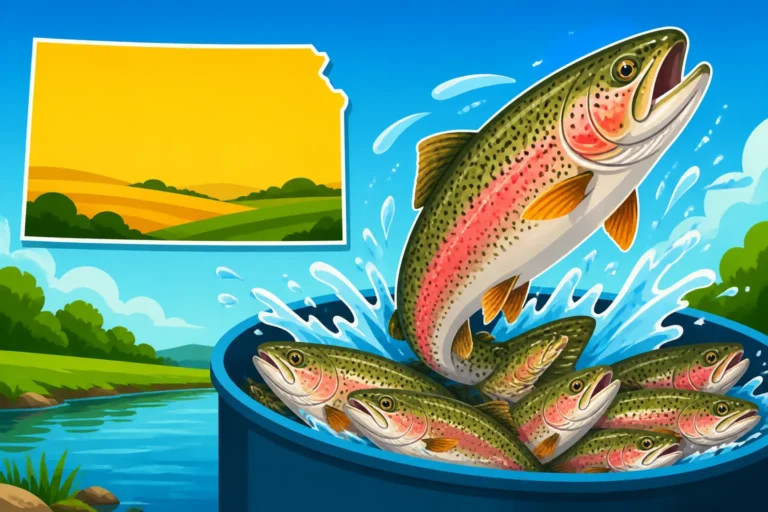
Kansas might not be known for its natural trout streams, but thanks to the KDWP's aggressive winter trout stocking program, anglers can enjoy catching rainbow trout (and occasionally golden rainbow trout) in many designated waters across the state. This is a highly anticipated seasonal fishery, bringing a different kind of angling challenge.
To participate in Kansas trout fishing, you must possess a valid Kansas Trout Permit Guide in addition to your regular fishing license, regardless of your age. The trout season generally runs from late fall through early spring, typically December 1 to March 31, though specific stocking dates and "put-and-take" opportunities vary by location. The daily creel limit for trout is usually 5 fish per day. There are generally no length limits for trout, as they are primarily a put-and-take fishery, meaning they are stocked to be caught and kept.
It's important to remember that trout regulations are very specific to the designated trout waters. If you're fishing a lake that is part of the winter trout program, these rules apply. Outside of these designated areas and seasons, trout are not generally present in Kansas waters, and therefore, these limits wouldn't apply elsewhere. Always confirm the current season and rules before heading out, especially since the Kansas Trout Permit Cost and Season can change.
Paddlefish Snagging: A Unique Opportunity with Strict Rules
Paddlefish, often called "spoonbill" for their distinctive long, paddle-like snout, are a truly unique and ancient fish species found in Kansas. They are filter feeders and cannot be caught with traditional hook-and-line methods. Instead, they are harvested through a special "snagging" season, which is strictly regulated and limited to specific times and locations, primarily along the Neosho River at certain spillways.
Paddlefish snagging is a highly specialized fishery, and as such, it comes with very strict daily and annual limits. Typically, the daily creel limit for paddlefish is 2 fish, with an annual limit also set at two. There are also minimum length limits, usually around 34 inches from the eye to the fork of the tail. These regulations are in place to carefully manage this unique and sensitive species. Anglers participating in paddlefish snagging must be acutely aware of the specific season dates, legal snagging gear, and reporting requirements, as violations are taken very seriously due to the vulnerability of the species.
Important Considerations for Other Less Common Game Fish
While we've covered the most popular game fish, Kansas waters are home to many other species, each with its own regulations. For instance, species like freshwater drum (often called "sheepshead"), various types of gar, and bullhead catfish often have very generous or no specific statewide daily limits, reflecting their abundance and lower angling pressure.
However, anglers should never assume. The official KDWP fishing regulations guide is the definitive source for all limits and rules. It's especially crucial to be aware of any protected or threatened species in Kansas, such as the Topeka shiner, which must be immediately released if caught. Always consult the most current regulations, which you can usually find online or pick up a physical copy at any KDWP office, most bait shops, or even check a digital copy on your phone during your trip. Knowing the Kansas Fishing Law Enforcement and Penalties is always a good idea, as ignorance of the law is never an excuse.
Daily Creel & Length Limits for Popular Kansas Game Fish (Statewide General Rules)
Please note: These are general statewide rules and can vary significantly by specific lake or body of water. ALWAYS check local regulations before fishing.
| Species | Daily Creel Limit (Statewide) | Length Limit (Statewide) | Notes |
|---|---|---|---|
| Walleye | 2 (Aggregate) | 21 inches minimum (may vary by lake) | Aggregate limit with Sauger and Saugeye. Check individual lake regulations as slot limits or different minimums are common. |
| Sauger | 2 (Aggregate) | 15 inches minimum | Aggregate limit with Walleye and Saugeye. |
| Saugeye | 2 (Aggregate) | 15 inches minimum | Aggregate limit with Walleye and Sauger. |
| Channel Catfish | 10 | None (may vary by lake) | Abundant throughout Kansas, popular for eating. Some community lakes may have special rules. |
| Blue Catfish | 5 (Aggregate) | Only 1 over 35 inches | Aggregate limit with Flathead Catfish. Trophy management aims to protect large breeders. |
| Flathead Catfish | 5 (Aggregate) | Only 1 over 35 inches | Aggregate limit with Blue Catfish. Trophy management. |
| White Crappie / Black Crappie | 50 (Aggregate) | 10 inches minimum on specific waters, otherwise none | Very prolific, liberal limits often help manage populations. Crucial to check specific lake rules, as 10-inch minimums or reduced bag limits are common on popular crappie lakes. |
| Bluegill / Redear Sunfish | 50 (Aggregate) | None (may vary by lake) | Common panfish, great for family fishing. |
| Largemouth Bass | 5 (Aggregate) | 13 inches minimum (may vary by lake) | Aggregate limit with Smallmouth and Spotted Bass. Length limits designed for trophy potential. Many lakes have slot limits or higher minimums. |
| Smallmouth Bass | 5 (Aggregate) | 13 inches minimum (may vary by lake) | Aggregate limit with Largemouth and Spotted Bass. Often found in rocky areas of reservoirs. |
| Spotted Bass | 5 (Aggregate) | 13 inches minimum (may vary by lake) | Aggregate limit with Largemouth and Smallmouth Bass. |
| White Bass | 25 | None | Known for aggressive schooling behavior and exciting runs. |
| Wiper (Hybrid Striped Bass) | 10 (Aggregate) | 15 inches minimum | Aggregate limit with Striped Bass. Hard-fighting hybrid fish. |
| Striped Bass | 10 (Aggregate) | 15 inches minimum | Aggregate limit with Wiper. Less common than wipers, found in deeper, larger reservoirs. |
| Rainbow Trout | 5 | None | Requires a valid Kansas Trout Permit Guide in addition to a fishing license, during the designated winter trout season in stocked waters. |
| Paddlefish | 2 (Annual) | 34 inches (eye to fork) | Highly specialized snagging season. Requires careful adherence to season dates, locations, and immediate release of fish outside legal limits or season. Specific length limit from eye to fork of tail. An annual limit of 2 fish. |
Remember, responsible angling isn't just about catching fish; it's about respecting the resource and playing by the rules. Enjoy your time on the water, but always do so responsibly!
Disclaimer
The information provided in this guide is for general informational purposes only and is not a substitute for the official Kansas Fishing Regulations published by the Kansas Department of Wildlife, Parks and Tourism (KDWP). Regulations can change, and it is the responsibility of every angler to consult the most current official KDWP fishing regulations before engaging in any fishing activity. Always verify specific limits and rules for the particular body of water you intend to fish.