Do You Need a License on Kansas Free Fishing Days?
There's often a bit of a scramble and a whole lot of head-scratchscratching when those "free fishing days" roll around in Kansas. Many folks wonder if it truly means you can just grab a rod and reel and head to the lake with absolutely no license required, or if there's a sneaky catch. It's a common confusion that can keep new anglers from enjoying the water. This comprehensive guide is here to untangle all those rules, clarify exactly what you need (or don't need) on Kansas Free Fishing Days, and ensure you're fishing legally and with peace of mind.
Understanding Kansas's Free Fishing Days Program
Let's start by getting to the bottom of what these "free fishing days" actually are. The Kansas Department of Wildlife, Parks and Tourism (KDWP) hosts these special days as a fantastic way to encourage more people to experience the joy of fishing. Think of it as an open invitation, especially for beginners or families who might be hesitant to commit to a full license right away. It's designed to remove one of the common barriers to entry, making it easier for folks to dip their toes (or their lines!) into the water.
These days are typically held on specific, pre-determined dates each year, often coinciding with the first weekend of June. However, it's always a smart move to double-check the KDWP official calendar because dates can sometimes shift slightly or additional dates might be added for specific events. The main goal is to get people out there, to foster a love for the outdoors, and to give everyone a chance to cast a line without that initial financial commitment of a license. It's a real boon for communities and families looking for an affordable outdoor activity.
The Purpose Behind Free Fishing Days
The philosophy behind these days is pretty straightforward: outreach and engagement. The KDWP wants to introduce new generations to fishing and encourage lapsed anglers to rediscover the sport. For a lot of families, the cost of multiple fishing licenses, even for just a day, can add up. By waiving the license requirement, the state hopes to make fishing more accessible. It’s a chance for parents to take their kids to a local pond, for friends to try something new together, or for someone who’s just moved to Kansas to explore the incredible fishing opportunities without immediate obligations.
These events are crucial for promoting conservation, too. The more people who understand and enjoy Kansas's aquatic resources, the more likely they are to support efforts to protect them for future generations. It's a win-win: anglers get a free trial, and the state gets to share its passion for fishing and conservation. This initiative aligns perfectly with broader national efforts to promote outdoor recreation and a healthy lifestyle. You can find more details on these special dates in our guide to Kansas Free Fishing Days Guide, and specifically for the summer, check out Kansas Free Fishing Days in June.
What the "Free" Part Actually Means
So, when the KDWP declares a "Free Fishing Day," what exactly is being waived? It means that for the specified dates, you do not need a standard Kansas fishing license to legally fish in public waters. This applies to both residents and non-residents, which is a pretty sweet deal for anyone visiting or passing through the state who wants to give fishing a try. You can leave your wallet in your pocket, at least as far as the fishing license goes.
However, and this is a really important "however," it does not mean all rules go out the window. Think of it as a specific exemption for one type of permit – the general fishing license. All other regulations, limits, and specific permits that apply to certain types of fishing or locations are still very much in effect. This is where the common confusion often kicks in, and it's essential to understand the nuances to avoid any potential issues.
Do You Need a Fishing License on Kansas Free Fishing Days?
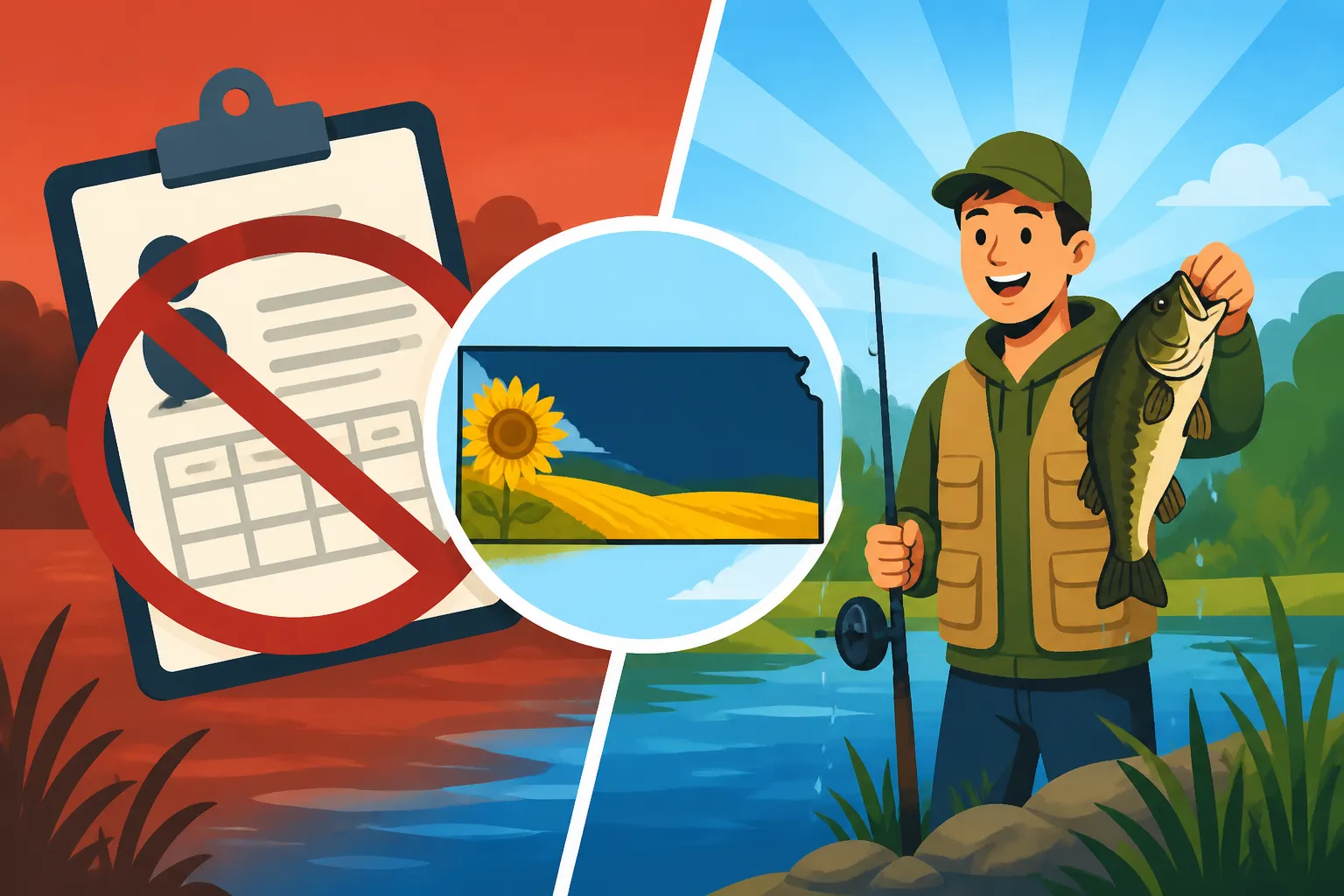
The short answer, the one most people are looking for, is a resounding NO, you do not need a general fishing license on Kansas Free Fishing Days. This is the core benefit of these special days – the state waives that specific requirement to make fishing more accessible. It’s a direct response to the query, Do You Need a License on Kansas Free Fishing Days?. You can head out, cast your line, and enjoy the experience without purchasing an annual, daily, or five-year license.
This exemption is fantastic for folks who are just curious about fishing, maybe haven't been in years, or are visiting from out of state and don't want to buy a full Kansas Nonresident Fishing License Guide for just a day or two. It's a goodwill gesture from the state, letting you sample the fishing without the usual upfront cost. However, while the fishing license itself is exempt, there are a few other permits and rules you absolutely cannot forget.
Required Permits Even on Free Fishing Days
This is where many anglers, especially newcomers, can get tripped up. While the standard fishing license is waived, certain other permits are still absolutely necessary depending on where and what you’re fishing for. It’s crucial to remember that "free fishing" doesn't mean "free-for-all."
First and foremost, if you plan on fishing in any designated trout waters during the active trout season (which typically runs from fall through spring), you will still need a Kansas Trout Permit Guide. This permit is separate from a general fishing license and covers the costs associated with stocking trout in specific lakes and streams. So, if you're eyeing a spot known for its rainbow trout on a free fishing day, make sure you've purchased that trout permit beforehand. It's a small investment that directly supports the amazing trout programs in Kansas.
Secondly, many of Kansas's beautiful fishing spots are located within state parks. If you plan to drive your vehicle into a Kansas State Park, you will still need a Kansas State Park Vehicle Permit. This permit is required year-round for vehicle entry into state parks, regardless of whether you’re fishing, hiking, or just enjoying a picnic. You can usually purchase these permits at the park entrance, through the KDWP website, or sometimes through third-party vendors. A quick search on Amazon might even show you options for purchasing electronic permits or finding details on where to acquire them locally, making planning a bit easier. Always ensure you have the correct permit displayed on your vehicle to avoid a citation.
Who Is Eligible for the Free Fishing Day Exemption?
The beauty of Kansas Free Fishing Days is that the license exemption typically extends to everyone, regardless of age (above the age at which a license is normally required, of course) or residency status. This means if you're a Kansas resident, you're good to go. If you're visiting from Missouri, Oklahoma, or anywhere else, you also get to enjoy the waters without purchasing a Kansas Nonresident Fishing License Cost.
It's truly an all-inclusive invitation. However, it's always wise to remember the normal age requirements. Usually, residents age 16 through 74 need a fishing license, while non-residents age 16 and older need one. On free fishing days, these age groups are specifically exempt from the fishing license requirement. Children below these ages typically fish for free anyway, so the free fishing day is an extra bonus for the adults and older teens in the family. It's designed to bring everyone together for a shared outdoor experience, leveling the playing field for a short period.
Maximizing Your Free Fishing Day Experience
Okay, so you know you don't need a license (mostly!) on those special free fishing days. Now, how do you make the most of this awesome opportunity? It's about planning a little, being prepared, and knowing what to expect to ensure a fun and successful outing. These days are perfect for diving into the world of Kansas fishing without a huge initial investment.
Planning Your Free Fishing Day Adventure
Preparation is key, even for a "free" day! Start by checking the official KDWP website or local news sources for the exact dates of the upcoming Kansas Free Fishing Days Guide. Once you have those dates locked in, think about where you want to go. Kansas boasts an incredible variety of fishing spots, from vast reservoirs like Milford Lake and Cheney Reservoir to smaller, accessible Kansas Community Fishing Lake Rules found near many towns.
Consider what kind of fish you'd like to target. Are you hoping to catch some feisty channel catfish, pan-sized crappie, or maybe a largemouth bass? Different fish prefer different habitats and baits. For instance, channel catfish are often found in river channels or deeper parts of lakes, and they love stink baits or cut bait. Crappie tend to hang around submerged brush piles or docks and are easily caught with small jigs or minnows. If you're new to the game, our Kansas Fishing Techniques for Beginners guide can offer some fantastic starting points. Pack a cooler with drinks and snacks, bring sun protection, and maybe even a chair or two. Remember to check the weather forecast – a little rain can sometimes improve fishing, but you still want to be comfortable!
Essential Gear for Beginners
You don't need to break the bank to get started, especially on a free fishing day. A basic rod and reel combo is perfectly sufficient. Many sporting goods stores and even general retailers like Walmart or Target offer affordable starter kits. For a family, a couple of simple spincasting rods (the ones with the button you push to cast) are ideal because they're easy for kids and beginners to use.
For tackle, keep it simple. A few hooks (sizes 6-10 are versatile), some sinkers (split-shot or small egg sinkers), and a bobber or two are a great start. Live bait like worms or crickets are universally appealing to many fish species. For artificials, a small jig head with a curly tail grub or a spinnerbait can work wonders. After a successful free fishing day, if you're hooked (pun intended!), you can easily find more advanced fishing kits, tackle boxes, and specialized gear on Amazon to expand your arsenal. Having a small tackle box or bag to keep everything organized is a lifesaver.
Transitioning Beyond Free Fishing Days
If you have a blast on Free Fishing Day (and we bet you will!), you'll likely want to continue your angling adventures. The next step is to get yourself a proper Kansas fishing license. The state offers a variety of options to suit different needs and budgets.
You could opt for a Kansas Resident Annual Fishing License Costs $25 if you're planning on fishing regularly throughout the year. If your fishing trips are more sporadic, a daily or multi-day license might be more economical. For long-term savings, consider a five-year license option. These are often cheaper in the long run than renewing annually. Purchasing a license is super easy – you can do it online through the KDWP website, which offers Kansas Fishing License Online Renewal, or stop by many local bait shops, sporting goods stores, and even some county clerk offices. Our guide on Where to Buy a Kansas Fishing License provides a full list of options. Remember, the funds from license sales directly support KDWP's efforts in fish stocking, habitat improvement, and maintaining public access sites, ensuring there are always great places to fish in Kansas.
Important Regulations to Remember
Even though the general fishing license requirement is waived on Kansas Free Fishing Days, it's absolutely critical to understand that all other Kansas fishing regulations still apply. This isn't a free-for-all; it's a specific exemption to one rule, not a blanket waiver of all laws. Ignoring other regulations can still lead to fines or other penalties, which would definitely put a damper on your free fishing fun.
Think of it this way: the KDWP is giving you a free pass on the entry fee, but you still have to follow the rules inside the park. These regulations are in place to manage fish populations, protect fragile ecosystems, and ensure fair sport for everyone.
Adhering to Size and Creel Limits
Every fish species in Kansas has specific size and creel (or bag) limits, and these must be followed even on Free Fishing Days. For example, walleye often have a minimum length limit, and you can only keep a certain number of them per day. Crappie, while abundant, also have daily limits to ensure their populations remain healthy. Kansas Daily Creel Limits by Species are strictly enforced. You can't just keep every fish you catch; you need to know the rules for the species you're targeting.
Before you head out, grab a copy of the current Kansas Fishing Regulations Summary from the KDWP website or a local vendor. It's a small booklet that's packed with essential information on length limits, daily limits, and possession limits for various species across different water bodies. Knowing these rules is part of being a responsible angler and contributes to the long-term health of Kansas's fisheries. Check out our comprehensive guides like Kansas Fishing Regulations Explained and Kansas Fishing Seasons and Limits for a deeper dive into these rules.
Legal Fishing Methods and Gear Restrictions
Beyond size and creel limits, you also need to adhere to legal fishing methods. This includes everything from the number of rods you can use to restrictions on certain types of bait or tackle in specific areas. For instance, using trotlines or jug lines often has specific regulations regarding marking and attendance, and these rules are not waived on free fishing days. Similarly, certain areas might have "no live bait" restrictions, or specific lures might be prohibited.
It's your responsibility as an angler to be aware of these restrictions for the body of water you're visiting. If you're unsure, it's always better to err on the side of caution or consult the KDWP regulations summary. These rules ensure sustainable fishing practices and prevent overfishing or harm to the environment. Always check the local postings at the lake or stream, as well as the statewide regulations, before you cast your first line.
Always Confirm Current Dates
While free fishing days are generally consistent, specific dates can vary year to year, and sometimes additional events are added. Never assume the dates are the same as last year. Always make it a point to verify the exact dates for the current year directly from the Kansas Department of Wildlife, Parks and Tourism (KDWP) official website. A quick check before you head out can save you from an awkward encounter with a game warden or, worse, a fine.
Relying on old information or hearsay is a recipe for disappointment. The KDWP website is the most reliable source, and they often publicize these dates well in advance. Some anglers even set calendar reminders or sign up for KDWP newsletters to stay informed. Don't let a simple oversight ruin your opportunity to enjoy a license-free day of fishing.
Below is a table summarizing the permit requirements for fishing in Kansas on regular days versus Free Fishing Days:
| Permit Type | Required on Regular Days (16-74 residents, 16+ non-residents) | Required on Kansas Free Fishing Days (All ages/residency) |
|---|---|---|
| General Fishing License | YES | NO (Exempt) |
| Kansas Trout Permit | YES (if fishing designated trout waters during season) | YES (if fishing designated trout waters during season) |
| State Park Vehicle Permit | YES (if driving into a State Park) | YES (if driving into a State Park) |
| Federal Duck Stamp | N/A (for fishing) | N/A (for fishing) |
| Boat Registration | YES (if operating a registered vessel) | YES (if operating a registered vessel) |
| Knowledge of Creel/Length Limits | YES | YES |
| Adherence to Fishing Methods | YES | YES |
This table clearly illustrates that while the fishing license itself is waived, other specific permits and all general fishing regulations remain firmly in place. It's a common oversight, but with this breakdown, you'll be well-prepared for your next Kansas fishing adventure!
Disclaimer
The information provided in this guide is for general informational purposes only and is subject to change. While we strive to keep the content up-to-date and accurate, fishing regulations and specific free fishing day dates are determined by the Kansas Department of Wildlife, Parks and Tourism (KDWP) and can be modified at any time. Always consult the official KDWP website or their current fishing regulations summary for the most accurate and up-to-date information before engaging in any fishing activities. Compliance with all applicable laws and regulations is the sole responsibility of the angler.