Minimum Age for a Kansas Fishing License
It’s incredibly frustrating when you’re just trying to enjoy a relaxing day on the water, only to be bogged down by confusing rules about who needs a fishing license and when. Whether you’re a seasoned angler introducing the next generation to your passion or a parent planning a fun family outing, figuring out the minimum age for a Kansas fishing license can feel like navigating a maze. This guide is here to untangle all that for you, providing clear, empathetic answers so you can focus on making memories, not mistakes.
Understanding Kansas Fishing License Age Requirements
One of the most common questions new anglers and parents have is, "How old do you have to be to fish in Kansas?" It’s a completely valid question, and thankfully, the Kansas Department of Wildlife, Parks and Tourism (KDWP) has a straightforward answer, though there are a few important nuances that everyone should be aware of. Getting this right is the first step to a hassle-free day on the lake or river.
The General Rule: Age 16 and Above
The fundamental rule in Kansas is that any person 16 years of age or older must possess a valid fishing license to fish in public waters. This isn't just for residents; non-residents who are 16 and older also fall under this requirement. While the age requirement is consistent across the board, the actual cost and types of licenses available will differ depending on whether you're a Kansas resident or visiting from out of state. For residents, you might be looking at the Kansas Resident Fishing License Cost, while visitors will need to check the Kansas Nonresident Fishing License Cost. This age threshold of 16 is a nationwide standard in many states, reflecting a balance between encouraging youth participation and ensuring adult anglers contribute to conservation efforts.
Why the Age Cutoff Matters for Conservation
It's easy to look at license fees as just another expense, especially when you're just trying to enjoy a hobby. However, understanding why these rules are in place can make them a little easier to swallow. The revenue generated from the sale of fishing licenses is absolutely vital. It directly funds the KDWP’s efforts in managing Kansas fisheries, including stocking programs, habitat restoration projects, access development, and research that keeps our waters healthy and abundant. Without these funds, the quality of fishing experiences in Kansas would quickly decline. When you purchase a license, you’re not just buying permission to fish; you're actively investing in the future of fishing in the Sunflower State, ensuring that those fish your kids or grandkids catch today will still be around for generations to come. This makes sense for a state like Kansas, which prides itself on its rich natural resources and opportunities for outdoor recreation.
Special Considerations for Youth Anglers and Children
Kansas recognizes the importance of fostering a love for the outdoors in young people, and as such, has made specific provisions to make it easier and more affordable for children to enjoy fishing. These rules are particularly helpful for families planning trips or for educators introducing fishing in youth programs.
Kids Under 16 Fish for Free
This is the fantastic news for families! In Kansas, children under the age of 16 are not required to have a fishing license to fish in public waters. This applies to both residents and non-residents, making it incredibly accessible for youngsters to get their lines wet without any bureaucratic hurdles or added costs. Imagine the joy of watching a child reel in their first channel catfish or crappie, knowing that the experience is completely free from a licensing standpoint. This policy is a huge win for encouraging youth participation in outdoor activities and creating lasting memories. If you're looking for more details on this, our guide titled Do Kids Need a Fishing License in Kansas? offers a deeper dive into the specifics. This exemption is one of the many ways Kansas promotes family-friendly fishing experiences.
The Trout Permit Exception for Young Anglers
Now, here’s where a little confusion can sometimes creep in, so pay close attention. While children under 16 don't need a general fishing license, there’s one significant exception: trout fishing. If a young angler, regardless of their age (even if they're 5 years old), intends to fish for trout during the designated trout season, they will need a trout permit. This is a separate permit from the general fishing license. The Kansas Trout Permit Guide provides all the necessary information, including the specific cost for youth trout permits.
This requirement exists because the trout program is largely self-funded. The money from trout permits goes directly back into purchasing and stocking rainbow trout and, in some cases, golden rainbow trout, in various community lakes and state fishing lakes across Kansas. These stockings create unique fishing opportunities that wouldn't otherwise exist in our warm-water fisheries. If you're planning a winter fishing trip, be sure to check the Kansas Trout Stocking Schedule for December or other months to see which locations are being stocked!
Exploring Kansas Free Fishing Days
Another fantastic opportunity for all ages to experience fishing without a license is during Kansas's annual "Free Fishing Days." Typically held on the first weekend of June, these special days allow anyone to fish Kansas public waters without needing a fishing license or a trout permit. It’s an ideal time for beginners to try fishing for the first time, for lapsed anglers to reconnect with the sport, or for families to enjoy a cost-free outing.
While the license requirement is waived on these days, it's crucial to remember that all other fishing regulations remain in effect. This includes things like daily creel limits (how many fish you can keep), length limits (minimum or maximum sizes for certain species), and legal fishing methods. These days are designed to remove one barrier to entry, not to remove all rules. For specific dates and more details on this excellent initiative, make sure to consult the Kansas Free Fishing Days Guide.
Navigating Licenses for Different Family Members and Scenarios
Fishing is often a communal activity, and understanding how age requirements intertwine with various family dynamics and special circumstances is essential. It's not always as simple as "over 16 needs one, under 16 doesn't."
Adults Fishing with Unlicensed Children
This scenario causes a lot of head-scratching, and it’s important to get it right to avoid an unnecessary interaction with a game warden. If an adult (anyone 16 years or older) is accompanying a child who does not need a license, the adult must possess their own valid Kansas fishing license if they are actively participating in the act of fishing. "Actively participating" means holding a rod, casting, reeling, baiting a hook, setting up tackle, or otherwise directly engaging in trying to catch fish.
The key here is participation. If you're simply supervising, watching your child fish, taking photos, or untangling their line without ever holding a rod yourself, you technically don't need a license. However, the line between "supervising" and "participating" can get blurry very quickly in the excitement of a fishing trip. To be absolutely safe and avoid any potential issues, it is highly recommended that any adult accompanying children who might even consider touching a fishing rod has their own license. It's better to be prepared than to face an unexpected fine. Our comprehensive Kansas Fishing License Guide can help clarify many such situations.
License Exemptions for Special Groups
While the primary focus of age requirements is on youth, it's worth noting that Kansas also offers exemptions for certain other groups, irrespective of age, that might apply to members of your family or community. These are in place to support specific demographics and recognize particular circumstances:
- Disabled Veterans: Kansas offers a free fishing license to eligible disabled veterans who are residents of the state. This is a meaningful way to honor their service and sacrifice by making outdoor recreation more accessible. If this applies to you or a loved one, you can find detailed information on eligibility and how to apply in our Kansas Disabled Veteran Free Fishing License Rules article.
- Landowners: If you are a Kansas resident and you are fishing on private waters that are entirely enclosed within your own property, and those waters do not have a direct connection to public waterways (meaning fish can't freely move between public and private water), you are generally exempt from needing a fishing license. However, if your pond or lake is connected to a public stream or river, then a license is usually required. This can be a nuanced area, so if you have private water access, it's always best to verify the specifics, as detailed in Do You Need a License to Fish Private Water in Kansas?.
- Residents of State Institutions: Certain individuals residing in state-licensed nursing homes, adult care homes, or veterans' homes are also exempt from license requirements, further ensuring accessibility for all Kansans.
These exemptions are important to remember as they broaden the scope of who might legitimately fish without a license in Kansas, moving beyond just the age factor.
Planning Family Fishing Trips and Gear Considerations
When you’re planning a fishing trip with kids, especially those under 16 who don't need a license, selecting the right gear can make all the difference in their enjoyment and success. A positive early experience can ignite a lifelong passion for fishing.
For younger children, start simple. A basic spincast rod and reel combo is often the easiest for them to learn with. They're typically inexpensive and user-friendly, minimizing tangles and frustrations. You can find a wide variety of suitable beginner setups on Amazon, perfect for those first casts. Pairing it with simple live bait like worms or corn can greatly increase their chances of a bite, which is key to keeping their interest.
Safety is paramount, especially when introducing kids to fishing. Always ensure everyone, particularly children, wears a properly fitting life vest when near water, on a dock, or in a boat. This isn't just a recommendation; it's often a legal requirement in many situations. Again, Amazon offers a plethora of child-sized life vests in various colors and styles, ensuring comfort and compliance. Don't forget a small, easy-to-carry tackle box with essential items like extra hooks, bobbers, and sinkers. Our dedicated guide on the Best Gear for Kids Fishing in Kansas provides even more specific recommendations for making those family fishing adventures a huge hit.
| Angler Age | General Fishing License Required? | Trout Permit Required (if fishing for trout)? | Notes |
|---|---|---|---|
| Under 16 | No | Yes (Youth Trout Permit) | Encourages youth participation; all other regulations apply (creel limits, length limits, etc.). |
| 16 and Over | Yes | Yes (Adult Trout Permit) | Standard requirement for adults; contributes to conservation efforts. |
| All Ages (on Free Fishing Days) | No | No | Applies only during official Kansas Free Fishing Days, usually in June. All other regulations still apply. |
| Disabled Veteran (Kansas Resident) | No (if qualified) | No (if qualified) | Requires specific application and qualification with KDWP. |
| Landowner (on own enclosed private water) | No | No | Water must be entirely private and not connected to public waterways. |
Ensuring Compliance and Avoiding Penalties
Understanding age requirements is a big step, but ensuring you and your family are fully compliant with all Kansas fishing regulations is crucial for a stress-free experience. Nobody wants their relaxing day on the water to end with a ticket or a difficult conversation with law enforcement.
Obtaining Your Kansas Fishing License
Once you've determined who in your group needs a license, acquiring it is typically a very straightforward process. The most convenient way for most people is to purchase their license online directly through the Kansas Department of Wildlife, Parks and Tourism (KDWP) website. This allows you to purchase and print your license from the comfort of your home, or save a digital copy to your smartphone, which is often accepted by game wardens. Our comprehensive guide on Where to Buy a Kansas Fishing License provides step-by-step instructions for online purchases and other options.
For those who prefer an in-person transaction, licenses can also be purchased at various authorized vendors across the state. These include KDWP offices, many sporting goods stores, local bait and tackle shops, and even some larger retailers like Walmart. No matter where you purchase it, always double-check that you're getting the correct type of license for your needs and that all the information is accurate before you head out.
Understanding the Rules Beyond Age
Possessing the correct license is just one piece of the puzzle. Every single angler, regardless of age or whether they are fishing under an exemption, must adhere to all other fishing regulations established by the KDWP. This means knowing the daily creel limits for different species (how many fish you can keep), the length limits (minimum or maximum sizes for specific fish like walleye or crappie), and any specific seasonal restrictions.
For instance, while a child under 16 doesn't need a general license, they still must comply with the daily limit for channel catfish or the length limits for walleye. Ignorance of these laws is not a valid defense, and it’s your responsibility as an angler to be informed. Before every trip, it's a good practice to review the current Kansas Fishing Regulations Explained through the KDWP's annual fishing summary. These regulations are meticulously crafted to ensure the long-term health and sustainability of Kansas's fish populations, safeguarding the sport for future generations.
Penalties for Fishing Without a License
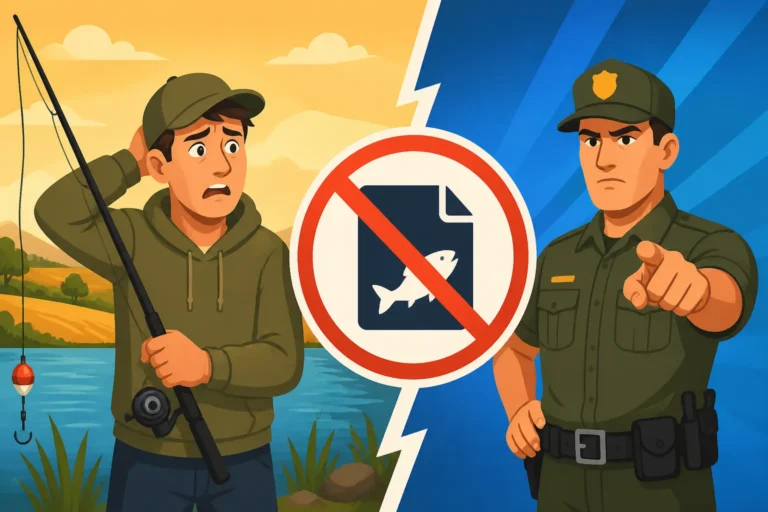
Fishing without the appropriate license in Kansas is a serious offense, not merely a minor infraction. If a KDWP game warden finds you or someone in your party fishing without the required license or permit, the consequences can be significant. A first offense typically results in a hefty fine, which can easily range from over $100 to several hundred dollars, depending on the specific circumstances and location. In addition to monetary penalties, any fish caught might be confiscated.
The inconvenience and cost of such a citation far outweigh the price of a license. Repeated offenses can lead to even steeper fines, mandatory court appearances, and potentially the suspension of your fishing and hunting privileges in Kansas for an extended period. It’s simply not worth the risk. Our article on Fishing Without a License Penalties in Kansas provides more specific details on potential fines and legal repercussions. Always ensure you have your license readily accessible, whether it's a physical copy or a digital version on your phone. If you're relying on a digital license, consider a waterproof phone case, which you can easily find on Amazon, to protect your device while on the water.
Disclaimer
Please remember that fishing regulations, including age requirements and exemptions, can change. While this guide aims to provide accurate and up-to-date information, it is always your responsibility to verify the current regulations directly with the Kansas Department of Wildlife, Parks and Tourism (KDWP) before heading out to fish. This content is for informational purposes only and should not be considered legal advice.