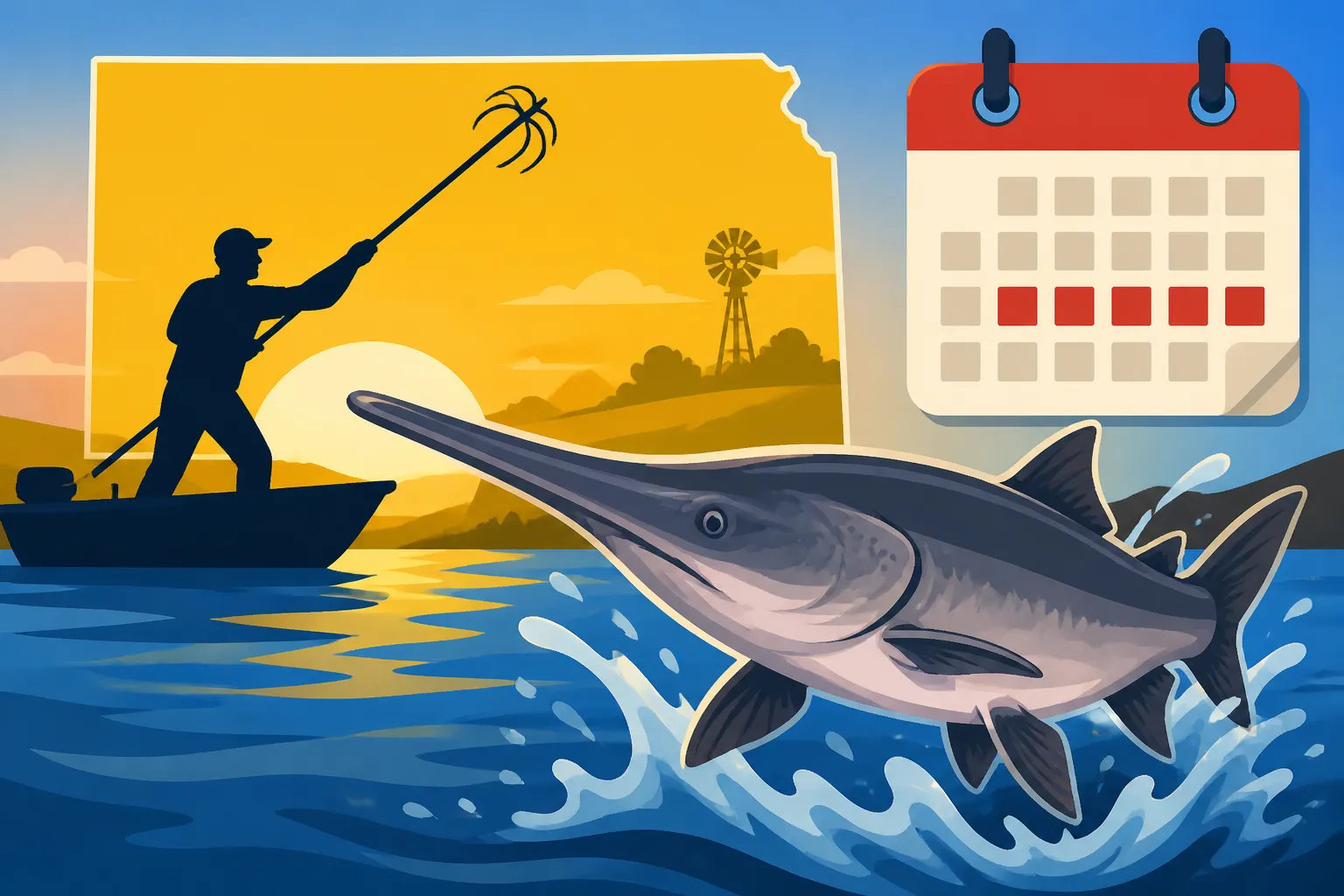
Kansas Paddlefish Snagging Season Dates
It's incredibly frustrating when you're geared up for a specific type of fishing, like paddlefish snagging, only to find the season dates are a bit of a mystery, leaving you wondering if you're even allowed to be on the water. This guide is here to clear up all that confusion, giving you the definitive lowdown on Kansas paddlefish snagging season dates and the crucial regulations you need to know to ensure a successful and legal outing.
Understanding Kansas Paddlefish and Why Snagging is Unique
Before we dive into the nitty-gritty of season dates, let's talk about the star of the show: the paddlefish. These ancient, filter-feeding giants are truly remarkable, and understanding their biology helps explain why they're fished in such a unique way.
What Exactly is a Paddlefish?
Imagine a fish that looks like it swam straight out of the dinosaur age – that's a paddlefish! They are one of the largest freshwater fish in North America, with a distinctive, elongated, paddle-shaped snout that can make up a third of their body length. This "paddle," or rostrum, is covered in electroreceptors that help them detect plankton, their primary food source, in murky waters. They can grow to impressive sizes, with some individuals weighing over 100 pounds and living for decades. Unlike most fish we target, paddlefish are filter feeders, meaning they swim with their mouths open, sifting microscopic organisms from the water column. This unique feeding strategy is precisely why traditional bait fishing simply won't work for them. They're not chasing lures or biting worms; they're literally grazing on invisible food.
Why Snagging is the Primary Method for Paddlefish
Because paddlefish are filter feeders, they don't strike bait or lures in the conventional sense. This biological fact necessitates a different approach to harvesting them, which is where "snagging" comes in. Snagging involves using a heavy rod, stout line, and large, barbless treble hooks. The angler casts the rig into areas where paddlefish are known to congregate, especially during their spawning runs, and then sweeps the rod to "snag" the fish in its body. This method can feel a little different if you're used to finesse fishing for crappie or bass, but it's a time-honored and legally regulated technique specifically for species like paddlefish that don't bite. It's important to differentiate this from illegal foul-hooking of other species; for paddlefish, when done within the strict regulations, it's considered a legitimate and managed sport fishery in Kansas.
Official Kansas Paddlefish Snagging Season Dates
Navigating the specific dates for paddlefish snagging can sometimes feel like trying to solve a riddle, as rules can vary slightly by location and are subject to change by the Kansas Department of Wildlife, Parks and Tourism (KDWP). However, there's a consistent window that most anglers rely on.
General Season Overview
In Kansas, the paddlefish snagging season is generally quite specific and localized, focusing on the springtime spawning migration when these large fish move upriver. The season is typically held in the spring, allowing anglers to target fish as they stage for reproduction. This timing is critical because it's when the paddlefish are most concentrated and accessible in rivers, making snagging a viable method. While the KDWP aims for consistency, always remember to check the absolute latest regulations summary each year, which you can usually find on their website or by picking up a copy wherever you purchase your Kansas Fishing License Guide.
Specific Dates for Popular Locations
For most dedicated paddlefish anglers in Kansas, their sights are set on the Kansas River (also known as the Kaw River) and its tributaries. This is historically the prime location for snagging these impressive fish. The official season for the Kansas River and its tributaries typically runs from March 15 to May 15. During this two-month window, anglers are allowed to try their luck. It's a relatively short but intense season, drawing enthusiasts from across the state. Other waters, particularly larger reservoirs like John Redmond, also see paddlefish, but snagging regulations in those areas can be different or non-existent, often focusing on other species or methods. Some specific areas may have even more restrictive dates or methods, such as areas directly below dams, which are sometimes closed or have unique rules to protect fish congregations.
| Location | Snagging Season Dates | Daily Creel Limit | Length Limit (inches) |
|---|---|---|---|
| Kansas River (Kaw) & Tributaries | March 15 – May 15 | 2 | None |
| Other Designated Waters (Check KDWP) | Varies, often no snagging | Varies | Varies |
Note: Always consult the current KDWP fishing regulations for the most up-to-date and specific rules for all waters before heading out. Regulations can change year to year.
Year-to-Year Variations and Confirmations
While the March 15 to May 15 window for the Kansas River is generally reliable, it's vital to treat it as a guideline rather than gospel. The KDWP has the authority to adjust season dates, limits, or even close seasons if biological data indicates a need to protect the paddlefish population. Factors like extreme weather, water levels, or population studies can influence these decisions. Before you plan your annual trip, especially if you're traveling a significant distance, make it a point to:
- Check the KDWP Website: This is your most reliable source for the absolute latest regulations.
- Consult the Current Fishing Atlas/Digest: These are printed annually and contain all the current rules.
- Call KDWP: If you have any doubts, a quick phone call to the Kansas Department of Wildlife, Parks and Tourism can provide direct clarification.
Ignoring this step could lead to accidental violations, which are absolutely no fun and can result in significant fines. Being prepared and informed is just as important as having the right gear.
Essential Regulations Beyond Just the Dates
Knowing when to snag paddlefish is only half the battle. There's a whole host of other regulations that govern this unique fishery in Kansas, and understanding them is paramount to a legal and enjoyable experience. Just like any other type of fishing, the Kansas Fishing Regulations Explained covers the full spectrum, but let's highlight what's critical for paddlefish.
Required Licenses and Permits
First and foremost, you absolutely need a valid Kansas fishing license to participate in paddlefish snagging. This isn't just a suggestion; it's the law. If you're a Kansas resident aged 16 through 64, you'll need an annual fishing license. Non-residents need a non-resident license, regardless of age beyond 15. While there isn't a separate dedicated "paddlefish permit" like there might be for trout, your general fishing license covers snagging within the legal season. You can easily pick up your license online through the KDWP website or visit a local vendor like a sporting goods store. For those considering a longer commitment, perhaps a Kansas Five-Year Fishing License Savings option might be worth looking into to save a bit of hassle and money over time.
Daily Limits and Length Restrictions
The KDWP implements strict daily creel limits to manage the paddlefish population sustainably. For the Kansas River and its tributaries, the daily limit is typically two paddlefish per person. This limit is in place to ensure a healthy population for future generations of anglers. There are generally no length restrictions for paddlefish in the Kansas River, meaning if you snag a legal fish within the season, you can keep it regardless of its size, up to your daily limit. However, other waters could have specific length limits, so always confirm for your chosen spot. This is different from species like walleye, which often have specific Kansas Walleye Length Limits to protect certain size classes.
Legal Equipment and Methods
This is where paddlefish snagging really sets itself apart. You can't just use your regular bass rod and a worm. To legally snag paddlefish in Kansas, you must use specific gear and adhere to certain methods:
- Rods and Reels: Heavy-duty gear is essential. We're talking about robust fishing rods, often 7 to 10 feet long with a strong backbone, paired with large baitcasting or spinning reels capable of handling heavy lines and big fish. Think about the kind of setup you'd use for big saltwater species or trophy catfish.
- Line: You'll want strong braided or monofilament line, usually in the 50-pound test range or higher, to withstand the power of a snagged paddlefish and the stress of repeated casting and sweeping.
- Hooks: This is critical: large, barbless treble hooks are required. The barbless rule is in place to minimize harm to fish that are unintentionally snagged or released. Some anglers will even pinch down the barbs on their favorite hooks from brands like Eagle Claw or Gamakatsu if they can't find pre-barbless versions.
- No Bait: As mentioned earlier, bait is not used or allowed when snagging paddlefish. You're physically hooking the fish, not luring it to bite.
- Weighted Rigs: Anglers typically use heavy weights, often 2 to 6 ounces, to quickly sink their hooks into the water column where paddlefish are swimming. The weight helps keep the hooks down and allows for the necessary sweeping motion.
These regulations ensure the fishery is managed responsibly. Trying to circumvent them isn't just unethical; it's illegal, and the penalties for Fishing Without a License Penalties in Kansas or using illegal methods can be steep.
Prime Locations for Paddlefish Snagging in Kansas
While paddlefish exist in many large rivers and reservoirs across Kansas, certain areas are renowned for their snagging opportunities due to higher concentrations of fish during the spring spawning runs. Knowing these hotspots can significantly increase your chances of success.
Kaw River (Kansas River) Hotspots
Without a doubt, the Kansas River, affectionately known as the Kaw, is the premier destination for paddlefish snagging in the state. This river stretches across Kansas, eventually joining the Missouri River near Kansas City. Anglers often focus on the stretches upstream from major dams, where paddlefish gather as they migrate upriver, unable to pass the dam structures.
- Below Bowersock Dam in Lawrence: This area is legendary. Paddlefish congregate here in huge numbers as they're blocked by the dam. There's often good bank access, and boaters can find success in the river below the dam. Just be mindful of specific regulations for areas directly below dams, as they can sometimes have special rules.
- Stretches near Topeka and Manhattan: Other accessible points along the Kansas River Fishing Guide near these cities can also be productive. Look for deeper channels and areas with slower current adjacent to faster flows, as these can be resting points for migrating fish. Public access points and boat ramps are key to getting to these areas.
Anglers often discuss specific eddies or deep holes where fish tend to hold, so talking to local bait shop owners or fellow anglers can provide invaluable, up-to-date intelligence for that particular season.
Other Potential Snagging Areas
While the Kaw River is king, other waters in Kansas do hold paddlefish. However, snagging seasons in these locations may be more restricted, shorter, or not allowed at all.
- John Redmond Reservoir: Located in southeast Kansas, John Redmond is known for its paddlefish population. However, the regulations here typically focus on harvest through netting or specific seasons managed by KDWP for scientific purposes, rather than public snagging. Always verify the current KDWP regulations for this specific water body.
- Missouri River: While not entirely in Kansas, the Missouri River borders the state and holds a significant paddlefish population. Anglers fishing the Missouri need to be aware of the specific regulations for that river, which are often a joint effort between Kansas and Missouri wildlife agencies and can differ from inland Kansas rules.
It's crucial to consult the KDWP's current fishing regulations guide, available online or at license vendors, for precise details on all waters you plan to fish. Don't assume that because it's open on the Kaw, it's open everywhere else.
Access Points and Considerations
Getting to these prime snagging spots requires some planning, especially if you're bringing a boat.
- Boat Ramps: For river access, look for public boat ramps. On the Kansas River, cities like Lawrence and Topeka offer several ramps that provide access to good fishing stretches. Be sure your boat is properly registered, as Kansas Boat Registration for Anglers is a must.
- Bank Access: Many prime areas below dams, like the one in Lawrence, offer excellent bank access, which is great for those without a boat. However, these areas can get crowded, especially on peak days during the season. Be respectful of other anglers and their space.
- Safety First: River fishing, especially during spring runoff, can mean strong currents and unpredictable water levels. Always prioritize safety. Wear a life jacket, especially if boating or wading, and let someone know your plans. A good pair of waders can be a great investment for bank anglers, allowing you to get a better casting angle in some spots. You can find robust waders and other essential gear on platforms like Amazon, ensuring you're prepared for whatever the river throws at you.
Tips for a Successful and Ethical Paddlefish Snagging Trip
Paddlefish snagging is an experience unlike any other, and a successful trip isn't just about catching fish; it's about doing so responsibly and ethically. Beyond knowing the Kansas Paddlefish Snagging Season dates, a few extra tips can make all the difference.
Best Conditions for Snagging
Timing your trip isn't just about hitting the legal season; it's also about hitting the right conditions within that season.
- Water Flow and Level: Paddlefish often move upriver to spawn when water levels are rising or stable after a slight rise, particularly with increased spring runoff. This creates the currents they prefer for their migration. Extremely high, fast-moving, or muddy water can make snagging difficult and less productive, as fish might be scattered or difficult to locate. Conversely, very low water can also concentrate them, but access might be limited. Look for flows that are moderate and stable.
- Water Temperature: While the KDWP sets the season, paddlefish activity is often linked to water temperature, usually peaking when temperatures are in the 50s to low 60s Fahrenheit. You can use a simple fish thermometer, easily found on Amazon, to gauge this.
- Time of Day: Many anglers find success throughout the day, but early mornings and late evenings can often be prime times when fish are most active or staging. However, during peak runs, fish can be caught consistently all day long.
Effective Techniques for Snagging
Snagging isn't just flinging a hook; there's a technique to it that improves your chances significantly.
- Casting: Make long casts across the river or into likely holding areas. You want to cover a good amount of water.
- The Sweep: The core of snagging is the "sweep" motion. Once your weight and hooks have sunk, you'll perform a long, powerful sweep with your rod, often from a low position to an overhead one, then quickly retrieve the slack line, drop the rod tip, and repeat. This motion drags the hooks through the water column, hopefully encountering a paddlefish. It's rhythmic and physically demanding, so be prepared for a workout!
- Feeling the "Thump": When you snag a fish, you'll feel a distinct "thump" or a sudden heavy resistance. Set the hook firmly with another sweep and prepare for a powerful fight. These fish are strong!
- Gear Check: Regularly check your knots and line for abrasions, especially after fighting a fish or getting snagged on the bottom. Heavy-duty swivels and snaps can prevent line twist and make changing rigs easier. A well-maintained setup is key to landing these big fish. If you're new to this, there are many online resources and even books on Kansas Fishing Techniques for Beginners that can offer visual guidance on rigging.
Handling and Processing Your Catch
Once you've successfully snagged a paddlefish, proper handling is crucial for both the fish and for preserving the quality of its meat.
- Landing the Fish: These are large, powerful fish. A big, sturdy net is invaluable, or you might need to carefully beach the fish. Avoid swinging them onto the bank or boat, as this can injure the fish and potentially yourself. Some anglers prefer to use a gaff if keeping the fish, but extreme care must be taken.
- Ethical Release: If you snag a fish you don't intend to keep (perhaps you already have your limit or it's too small/large if there were length limits), release it as quickly and gently as possible. The barbless hooks help with this. Try to keep the fish in the water as much as possible to minimize stress.
- Processing: Paddlefish meat is excellent, often compared to swordfish or sturgeon. They have a cartilaginous skeleton, which means no bones to deal with, making filleting relatively straightforward. However, they do have a fair amount of fat, particularly in the darker meat, which many anglers trim away for a milder flavor. Quickly bleeding the fish after capture and keeping it on ice are critical steps to ensure the best eating quality. Remember, even with paddlefish, you still need to adhere to the Kansas Daily Creel Limits by Species.
Paddlefish snagging is a thrilling part of Kansas Fishing Seasons and Limits. With the right knowledge and respect for the regulations, you're well on your way to a memorable adventure on Kansas's rivers.
Disclaimer
Please remember that fishing regulations, including season dates, creel limits, and legal methods, are subject to change by the Kansas Department of Wildlife, Parks and Tourism (KDWP). Always consult the most current KDWP fishing regulations pamphlet or their official website before engaging in any fishing activity. This article is intended for informational purposes only and should not be considered a substitute for official legal guidance.