Fishing Rules for Minors Without a License in Kansas
Fishing with kids can be an amazing experience, full of laughter and lasting memories, but it often brings up a nagging question for parents: "Does my child need a fishing license in Kansas?" It’s a common point of confusion, and nobody wants to accidentally break the rules while trying to enjoy a relaxing day on the water. This comprehensive guide will clear up all the uncertainties surrounding fishing rules for minors without a license in Kansas, ensuring you and your young anglers can focus on catching fish, not fines.
Understanding Kansas Fishing Age Requirements
The General Rule for Young Anglers
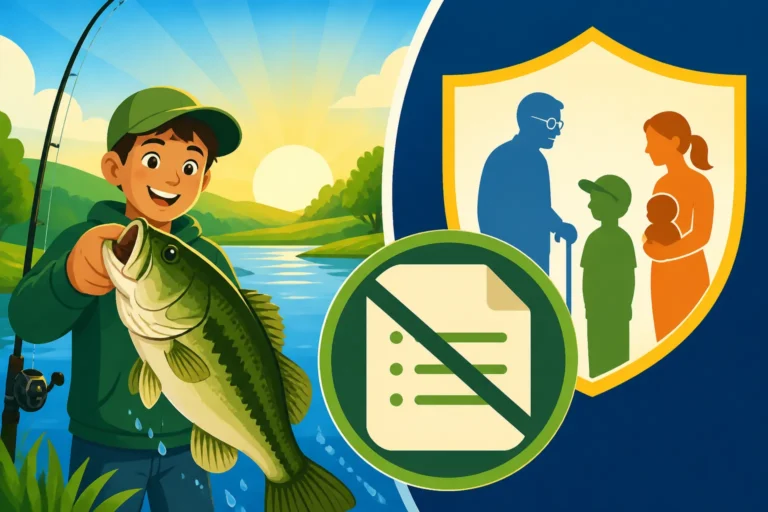
Navigating the various rules and regulations can sometimes feel like trying to untangle a particularly stubborn knot in your fishing line. When it comes to fishing licenses in Kansas, there's a pretty straightforward answer for young anglers that often brings a sigh of relief to many parents and guardians. Generally speaking, children who are 15 years of age and younger are not required to have a fishing license to cast a line in most Kansas waters. This exemption is a wonderful initiative by the Kansas Department of Wildlife and Parks (KDWP) to encourage youth participation in outdoor activities, fostering a love for fishing from a young age without the barrier of an immediate permit purchase. It means that your elementary schooler or even your middle schooler can enjoy the thrill of reeling in a bluegill or a channel cat without you having to worry about an extra piece of paper. This rule is a cornerstone of Kansas Fishing License Exemptions and is something every family should be aware of.
This policy really aims to make fishing accessible and enjoyable for kids. Imagine a sunny Saturday morning at your local community pond, tackle box ready, worms squirming, and the kids are buzzing with excitement. Knowing they don't need a license removes one potential hurdle, making those spontaneous fishing trips much easier to plan. It allows them to learn the ropes, practice casting, and experience the pure joy of a bite, all while you, the adult, handle your own licensing requirements. It truly emphasizes the family aspect of fishing, allowing parents to introduce their children to this cherished pastime without adding administrative burdens.
However, it's crucial to understand that while this general rule applies to the fishing license itself, there might be specific situations or types of fishing that could have additional requirements, even for minors. For instance, if your child is targeting trout in a designated trout water during the specific Kansas Trout Season Runs December 1 to March 31, they would still need a special trout permit, regardless of their age. These nuances are important to keep in mind, as overlooking them can lead to unexpected issues. Always a good idea to double-check the KDWP regulations for any specific body of water or species you plan to target, just to be on the safe side.
Why Age Limits Matter
You might wonder why there's a specific age cutoff for fishing licenses. It's not just an arbitrary number plucked from thin air. The 15-and-under exemption is carefully designed to serve a couple of important purposes. Firstly, it's about recruitment and retention. By removing the financial and logistical barrier of a license for young anglers, the KDWP makes it easier for families to introduce children to fishing. This investment in youth helps ensure that future generations will continue to appreciate and participate in Kansas's rich angling traditions, which is vital for the long-term health of our fisheries and outdoor recreation culture. It's a way of saying, "Come on in, the water's fine, and we want you to experience this!"
Secondly, it acknowledges the developmental stages of children. Young kids are just learning, often with short attention spans, and their primary goal is usually just to catch something, anything at all, rather than targeting specific species or understanding complex regulations. Requiring a license for a five-year-old would likely deter many families from even trying. As children grow older, generally around the age of 16, they are often more capable of understanding and adhering to regulations, taking more personal responsibility for their actions, and are potentially fishing more independently. This transition to requiring a license at age 16 aligns with many other legal responsibilities that individuals take on as they approach adulthood.
Furthermore, the revenue generated from adult fishing licenses plays a direct role in conservation efforts. These funds go towards stocking programs, habitat restoration, public access improvements, and enforcement, all of which benefit everyone, including young anglers. So, while minors might not directly contribute through a license purchase, their future participation is fostered by the efforts funded by current adult license holders. It's a cyclical relationship where encouraging youth engagement now leads to responsible adult anglers who will support conservation later. This also means that as children approach the age of 16, parents should be prepared to consider the Kansas Resident Annual Fishing License Costs $25 or even research Kansas Youth Fishing License Rules if those apply.
Key Ages to Remember
So, let's distill this down to the absolute essentials regarding age requirements in Kansas fishing. The magic number to keep in mind for general fishing licenses is 16. This is vital information for understanding Fishing License Age Requirements in Kansas.
- Under 16 (0-15 years old): No general fishing license is required. This is fantastic news for families with young children, allowing them to fish most public waters without needing a permit. This covers a huge age range, from toddlers trying to dip a line to teenagers enjoying a summer day with friends. This rule is often sought out by people asking, "Do Kids Need a Fishing License in Kansas?" and helps clarify the Age Cutoff for Free Kids Fishing in Kansas.
- 16 years and older: A general fishing license is required. Once your child turns 16, they transition into the adult category and are expected to purchase a valid fishing license. This is the cutoff, and it's firm. This also applies to non-residents, though their costs and license types might differ, as detailed in the Kansas Nonresident Fishing License Guide.
It's also important to specifically address the trout permit because it's a separate beast. Even if your child is under 16, if they are fishing in a designated trout stream or pond when trout are in season (typically December 1 to March 31), they will need a trout permit. This is a very common point of confusion, as the general license exemption doesn't extend to this specific permit. The Kansas Adult Trout Permit Costs $14.50 and the Kansas Youth Trout Permit Costs $7. Make sure to check the KDWP website or local regulations for specific trout waters and seasons. Don't let this catch you off guard, especially if you're planning a special winter fishing trip with the kids.
Here's a quick summary table to make it crystal clear:
| Age Group | General Fishing License Required? | Trout Permit Required (in designated waters)? | Notes |
|---|---|---|---|
| 0-15 Years Old | No | Yes | Encourages youth participation. |
| 16 Years and Older | Yes | Yes | Considered adult for licensing purposes. |
This table clearly shows the distinction and serves as a handy reference for planning your family's fishing adventures.
Common Scenarios for Minor Anglers
Fishing with Licensed Adults
One of the most heartwarming sights on any Kansas lake or river is an experienced angler, usually a parent or grandparent, patiently teaching a youngster the ropes. Many families venture out with the adult holding a valid Kansas fishing license, assuming that their presence covers the whole group. And for the most part, when it comes to the general fishing license, they're absolutely right! If your child is 15 or under, and you, as the accompanying adult (who is 16 or older), have your own valid license, your child can fish alongside you without needing their own general license. This is how countless kids get their start, learning about baiting hooks, casting, and identifying different fish species.
Think of it as a mentorship program facilitated by the KDWP's licensing rules. The adult serves as the primary license holder, responsible for understanding and adhering to the overall Kansas Fishing Regulations Explained, including daily creel limits and length restrictions. The child gets to participate fully in the fishing experience, often using their own rod and reel, but without the individual licensing requirement. This setup truly fosters a collaborative and educational environment. It's a perfect scenario for introducing them to Kansas Fishing Techniques for Beginners without any added red tape.
However, a critical reminder, as mentioned before: this adult coverage does not extend to the trout permit. If you're fishing a designated trout water, and your child (even if under 16) wants to actively fish for trout, they must have their own trout permit. It's a common oversight, so always double-check if your target water is part of the KDWP's trout stocking program. You can often find excellent resources and even small tackle kits perfect for kids on online retailers like Amazon, ensuring they have their own gear for those first exciting catches.
Community Fishing Lakes and Special Events
Kansas is blessed with a fantastic network of Community Fishing Lakes (CFLs) and ponds, often found right within city limits or in easily accessible parks. These spots are specifically managed for recreational fishing and are often where many urban and suburban kids get their first taste of angling. The rules for minors at these locations generally follow the statewide regulations: if your child is 15 or under, no general fishing license is required. These lakes are usually well-stocked with easy-to-catch species like bluegill and channel catfish, making them ideal for young, aspiring anglers. For details on specific rules, you can always consult the Kansas Community Fishing Lake Rules.
Beyond the regular fishing, the KDWP and various local organizations frequently host "Free Fishing Days" and special youth fishing derbies or clinics. These events are fantastic opportunities for kids to fish, often with loaner equipment and expert guidance. For example, Kansas typically designates a couple of days in June as Kansas Free Fishing Days Guide, during which everyone, regardless of age, can fish without a license. These are prime opportunities to bring the whole family, even adults who might not regularly fish, to enjoy a day on the water without any license requirements. It's a celebration of fishing and a chance to truly experience the sport.
Always keep an eye on the KDWP calendar and local park and recreation announcements for these special events. They are specifically designed to introduce fishing to new generations and make it as easy and enjoyable as possible. Some events might even provide bait and tackle, removing even more barriers. It's a wonderful way for kids to engage with the outdoors, connect with their community, and maybe even catch their first fish! Look for event announcements online or at local bait shops, and consider picking up some basic gear from Amazon beforehand to ensure your child has a comfortable setup.
Private Ponds and Landowner Rules
Fishing in private ponds or on private land in Kansas can feel a bit different from public waters, and it often raises questions about licenses, even for minors. The good news is that if you're fishing in a private pond or lake that is entirely enclosed by private land, and you have the owner's permission, generally no fishing license is required for anyone, regardless of age. This means your child, whether they are 5, 10, or 15, can fish freely in such a pond without a license. This also extends to adults in many cases, making private ponds a truly special and accessible fishing experience for the whole family. This unique exemption is an important aspect of Fishing Rules for Private Ponds in Kansas.
This exception is rooted in the idea of private property rights and the fact that these waters are not considered "waters of the state" in the same way public lakes and rivers are. The landowner essentially manages their own fishery. However, there's a crucial caveat: the pond must be entirely enclosed by private land, meaning it doesn't have any inlet or outlet that connects to public waters, rivers, or streams. If there's a stream flowing into or out of the pond, or if it's part of a larger watershed with public access, then it might be considered public water, and standard licensing rules would apply. Always clarify with the landowner about the nature of the waterbody to avoid any misunderstandings.
Even when fishing private waters, it’s always a good idea to still practice good conservation habits. Encourage your child to release smaller fish, handle fish carefully, and never litter. These are lessons that transcend licensing requirements and instill a lifelong respect for natural resources. You can find helpful starter kits for young anglers, complete with basic tackle and a beginner's guide, on platforms like Amazon, making it easy to equip your child for their private pond adventures. It's not just about the rules, but about fostering a responsible angler for life.
Getting Your Child Ready for a Fishing License
When a License Becomes Necessary
While the freedom of fishing without a license is a fantastic perk for younger anglers, that golden age of 16 approaches faster than you think. It feels like just yesterday you were showing them how to cast a bobber, and suddenly they're looking at their driver's permit and asking about a fishing license. Once your child turns 16 years old, the exemption status changes, and they are legally required to possess a valid Kansas fishing license to fish in public waters. This is the moment when they officially transition from "youth angler" to "adult angler" in the eyes of the KDWP. It’s not a punishment; it’s a rite of passage, signifying a step towards greater personal responsibility in their outdoor pursuits.
This transition is an excellent opportunity to educate them further on the role of licensing in conservation. Explain that the funds from their license purchase directly contribute to maintaining healthy fish populations, stocking efforts, and improving public access to fishing spots across the state. It helps them understand that fishing is not just a free-for-all, but a managed resource that requires collective effort to sustain. They can learn about the Kansas Fishing License Guide and the broader regulations that help protect Kansas's aquatic ecosystems.
It's wise to start discussing this a few months before their 16th birthday. This allows them to understand the upcoming requirement and plan for their purchase. You can make it a part of their birthday celebration, perhaps gifting them their first "adult" fishing license along with some new gear they've been eyeing, like a quality rod and reel combo that can be easily found on Amazon. This makes the transition feel less like a bureaucratic hurdle and more like an exciting new chapter in their fishing journey.
Types of Youth Licenses Available
When your child is approaching that 16-year-old mark, or even if you're looking for longer-term options, it’s good to know what types of licenses are available. While kids under 16 don't need a general fishing license, there are a few specific licenses and permits that might come into play:
- Youth Trout Permit: As we've discussed, if your child (regardless of age, even under 16) wants to fish in designated trout waters during the trout season, they absolutely need a Kansas Trout Permit. There's a specific Kansas Youth Trout Permit Costs $7 which is less expensive than the adult version. This permit is crucial for winter trout fishing.
- Annual Fishing License (16+): Once they hit 16, they'll typically need the standard annual fishing license. The Kansas Resident Annual Fishing License Costs $25 and is valid for a calendar year, expiring on December 31st, regardless of when it's purchased. For non-residents, the cost is higher, as noted in Kansas Nonresident Fishing License Cost.
- Five-Year Fishing License: For those truly dedicated young anglers, once they turn 16, a five-year option might be a smart choice. The Kansas Resident Five-Year Fishing License Costs $100 offers some savings over buying five individual annual licenses and provides the convenience of not having to renew every year. This is a great long-term investment for a committed young angler.
- Combination Hunt/Fish License: If your teen is also interested in hunting, Kansas offers a combination license that covers both activities. This can be a cost-effective and convenient option for active outdoors enthusiasts. More details on this can be found in the Kansas Combination Hunt-Fish License guide.
- Children's Lifetime Fishing License: While a child can fish without a general license until age 16, some parents opt for a Kansas Children's Lifetime Fishing License for their very young children. This one-time purchase guarantees they will never need to buy a state fishing license in Kansas again, regardless of age, making it a wonderful gift and investment in their future fishing endeavors.
It's important to choose the right license for their needs. If they only fish occasionally, an annual license might suffice. If they are passionate about trout or plan to fish extensively for years to come, the youth trout permit and a five-year license or even a lifetime license could be excellent investments. Encourage them to explore the KDWP website or visit a local license vendor to see all available options.
Promoting Responsible Angling
Beyond just the paperwork, preparing your child for their licensing years is about instilling a strong sense of responsible angling. This isn't something that begins at 16; it's a continuous lesson from their very first cast. Teaching them the importance of proper fish handling, understanding catch and release principles, and respecting daily limits are all critical components. It’s about being good stewards of the environment.
Discussing ethical fishing practices goes hand-in-hand with understanding regulations. For example, explain why certain fish have length limits, like the Kansas Walleye Minimum Length Limit of 21 Inches, or why the Kansas Crappie Minimum Length Limit of 10 Inches and bag limits are in place – it's all to ensure sustainable populations for future generations. Teach them how to properly measure a fish and how to safely release one that doesn't meet the requirements or that they don't intend to keep. This also involves practical skills like knot tying, bait preservation, and how to properly dispose of fishing line and litter.
Furthermore, encourage participation in community clean-up efforts or youth conservation programs. Organizations often host events focused on environmental stewardship, which can deepen a child's appreciation for the natural world and the resources that fishing depends on. This kind of active engagement transforms fishing from a simple hobby into a lifestyle rooted in respect and responsibility, preparing them not just for a license, but for a lifetime of ethical outdoor enjoyment.
Important Considerations for Families
Safety First on the Water
Regardless of whether a license is required, safety should always be the absolute top priority when fishing with minors in Kansas. This isn't just about following the law; it's about ensuring everyone has a fun, memorable, and above all, safe experience. The Kansas Department of Wildlife and Parks, along with the U.S. Coast Guard, emphasizes various safety guidelines for all boaters and anglers. For instance, the Kansas Life Jacket and Boating Safety Guide details essential requirements. While children under 13 must wear a life jacket on a moving vessel, it's always wise for all children, regardless of age or vessel type (even from a kayak or the bank), to wear a properly fitted life jacket when near water. Accidents can happen quickly, and a life jacket is your best defense. You can find comfortable and reliable life jackets for kids of all ages on Amazon.
Beyond life jackets, consider other aspects of safety. Sun protection is crucial in Kansas, where summers can be intensely sunny. Wide-brimmed hats, sunglasses (polarized ones can even help them spot fish!), and plenty of sunscreen should be standard gear. Stay hydrated, especially on warm days, and always carry enough water. Teach children about sharp hooks and how to handle fish safely to avoid fin pokes or bites. A small first-aid kit, easily accessible, is also a must-have for any fishing trip.
When fishing from the bank or a dock, ensure children understand the importance of staying clear of unstable edges or slippery surfaces. If boating, teach them about boating etiquette, like staying seated when the boat is moving and being aware of other vessels. These lessons aren't just for licensed adults; they're fundamental for anyone enjoying the water.
Educational Resources and Mentorship
Introducing children to fishing is more than just handing them a rod; it's an opportunity for rich educational experiences. Kansas offers a wealth of resources for young anglers. The KDWP website is an excellent starting point, often providing youth-focused programs, educational materials, and even videos on basic fishing skills and fish identification. Local bait and tackle shops can also be invaluable hubs of information, with staff who are often passionate anglers eager to share their knowledge.
Consider books or online guides about common Kansas fish species, like a Kansas Fish Species Guide, to help them identify their catches. Knowing whether they've landed a channel catfish, a bluegill, or even a smaller bass can add an exciting layer to the experience. Teaching them about the aquatic ecosystem, why certain fish live in certain areas, and the importance of clean water fosters a deeper appreciation for nature. Many public libraries also have fantastic books on fishing for kids.
Mentorship, whether from a parent, grandparent, or an experienced friend, is perhaps the most powerful educational tool. Share your own stories, teach them patience, problem-solving (like untangling a bird's nest!), and the joy of a quiet moment spent in nature. These shared experiences build bonds and create lasting memories that go far beyond the fish caught. If you're looking to expand your knowledge to pass on, consider guides like the Kansas Fishing Techniques for Beginners to brush up on basics or new strategies.
Planning Your Family Fishing Trip
A successful family fishing trip, especially with minors, often hinges on good planning. Start by choosing the right location. Best Fishing Lakes in Kansas are great starting points, but also look into smaller, calmer spots like community fishing lakes or accessible state park ponds that might be less intimidating for beginners. For instance, many of the Kansas State Fishing Lakes are perfect for family outings, with amenities like restrooms, picnic areas, and accessible fishing piers. Consider locations that offer easy bank access if you're not using a boat, or specific areas known for panfish, which are generally easier for kids to catch.
Pack appropriately for the weather, considering Kansas's sometimes unpredictable climate. A cooler with drinks and snacks is essential, as hungry or thirsty kids can quickly lose interest. Bring along a few non-fishing activities too, like a sketchbook, binoculars for birdwatching, or even a small ball, in case the fish aren't biting or patience wears thin. The goal is to make the experience enjoyable, not solely focused on the catch count. For appropriate gear, especially for beginners, check out guides like Best Gear for Kids Fishing in Kansas.
Finally, remember to keep it fun and manage expectations. Not every trip will result in a trophy catch, and that's perfectly okay. Celebrate the small victories – a successful cast, a nibble, or just a peaceful moment observing wildlife. The true "catch" when fishing with minors without a license in Kansas is the quality time spent together, the lessons learned, and the foundation laid for a lifelong appreciation of the outdoors. Happy fishing, Kansas families!
Disclaimer
The information provided in this guide is for general informational purposes only and is not intended as legal advice. Fishing regulations in Kansas can change, and specific rules may vary by location, fish species, and time of year. Always consult the most current official Kansas Department of Wildlife and Parks (KDWP) regulations and local ordinances before engaging in any fishing activities. Compliance with all applicable laws and regulations is the sole responsibility of the angler.