Curtis Creek Cove Crappie Fishing at Milford Lake
If you've ever stared out at the vastness of Milford Lake, wondering where on earth the crappie are hiding, you're certainly not alone. It's one of the biggest lakes in Kansas, and while it's teeming with fish, pinpointing those prized crappie can feel like searching for a needle in a haystack. This guide is here to cut through the confusion and steer you straight to Curtis Creek Cove, a proven hotspot for crappie, detailing exactly when, where, and how to fish this productive area for success.
Why Curtis Creek Cove is a Crappie Haven at Milford Lake
Curtis Creek Cove isn't just another indentation along Milford Lake's shoreline; it's a meticulously structured environment that provides everything crappie need to thrive throughout the year. Its unique characteristics offer both protection and abundant food sources, making it a reliable target for anglers seeking these panfish. Understanding these underlying elements is key to unlocking its full potential.
Understanding the Cove's Structure
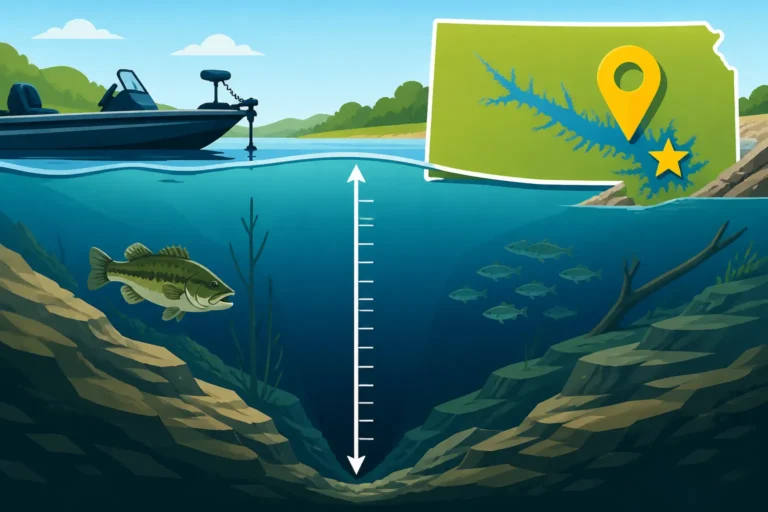
The true magic of Curtis Creek Cove lies beneath the surface. As a major arm of Milford Lake, it features a pronounced old creek channel that winds its way through the cove. This channel is critical, acting as a highway and refuge for crappie, especially during periods of extreme weather or when they transition between shallow and deep waters. Anglers often find success by tracing the contours of this channel, looking for sudden drops or ledges where crappie like to stack up.
Beyond the main channel, the cove is rich with submerged timber, brush piles, and rock formations. These underwater structures provide essential cover for crappie, offering ambush points for feeding and protection from predators. Many of these brush piles have been intentionally placed by the Kansas Department of Wildlife, Parks and Tourism (KDWPT) to enhance fish habitat, making them prime targets. Learning to use your electronics to identify these submerged structures will dramatically improve your catch rates in Curtis Creek Cove.
Abundant Forage and Shelter
Crappie, like all fish, go where the food is, and Curtis Creek Cove is a buffet. The cove receives inflow from Curtis Creek itself, bringing in nutrients and smaller baitfish, particularly shad, which are a primary food source for crappie. This constant influx of forage ensures a healthy crappie population that remains active and catchable.
The shallower arms and flats within the cove, especially those with standing timber or dense aquatic vegetation, serve as critical nurseries for juvenile crappie and other baitfish. These areas provide both shelter from larger predators and a rich environment for growth. As crappie mature, they utilize the deeper channels and brush piles for larger forage, creating a dynamic ecosystem that keeps them within the cove's boundaries for much of the year. This combination of structure and sustenance makes Curtis Creek Cove an exceptional place to fish for crappie.
Seasonal Strategies for Crappie in Curtis Creek Cove
Crappie behavior changes dramatically with the seasons, driven primarily by water temperature and their spawning cycle. To consistently catch fish in Curtis Creek Cove, you need to adapt your approach to these seasonal shifts. What works in April won't necessarily work in August, so let's break down the best strategies for each part of the year. For a broader overview of how fish react to changing conditions throughout the year, refer to our comprehensive guide on Kansas Fishing Seasons Guide.
Springtime Spawn Frenzy
Ah, spring! This is arguably the most exciting time for crappie fishing in Curtis Creek Cove. As water temperatures begin to climb into the 50s and low 60s Fahrenheit, usually from late April through May, crappie move out of the deeper waters and push into the shallower areas of the cove to spawn. This is when they become incredibly accessible, often found in water as shallow as 2-6 feet deep. The Milford Lake Crappie Spawn Timing in May is a critical period to mark on your calendar.
During the spawn, look for crappie near submerged brush, standing timber, or rocky shorelines in the upper reaches of the cove where the water warms fastest. They’ll be actively protecting nests or feeding heavily. A simple slip bobber rig with a small jig or a live minnow, pitched around cover, can be deadly. You might even find them so shallow you can see them, especially on sunny, calm days. This is an excellent time for both boat and bank anglers to fill a cooler.
Summer Deepwater Tactics
Once the spawn is over and the summer heat sets in, usually from June through August, crappie retreat to cooler, deeper water. In Curtis Creek Cove, this means they'll often be found suspended in the deeper parts of the creek channel, or relating tightly to major brush piles and submerged timber in 15-30 feet of water, sometimes even deeper. The key here is to locate those schools of fish on your electronics.
Vertical jigging directly over these submerged structures or trolling small crankbaits through the deeper channels can be very effective. Look for areas where the old creek channel makes a sharp bend or where there's a significant drop-off, as these areas often hold schools of baitfish and, consequently, crappie. Early mornings and late evenings can also bring them slightly shallower, but generally, summer crappie fishing in Curtis Creek Cove is a deepwater game. For general strategies to target these fish, check out our guide on Kansas Crappie Fishing Techniques.
Fall Transition and Feeding
As autumn arrives and water temperatures begin to cool, crappie in Curtis Creek Cove enter a transition period, often becoming incredibly aggressive as they feed up for winter. This usually occurs from September through November. They will start to move out of their deepest summer haunts but won't be as shallow as they were during the spring spawn. Look for them to be staging on points, ledges, and along the creek channel edges in 8-15 feet of water.
Crappie will actively chase schools of shad during this time, so presentations that mimic fleeing baitfish can be highly productive. Trolling small crankbabaits or casting jigs and retrieving them with a erratic twitch-and-pause motion can trigger strikes. Pay close attention to wind-blown points, as these areas often concentrate baitfish and provide excellent ambush points for hungry crappie. This is a fantastic time for both numbers and larger fish.
Winter Persistence
Don't hang up your rods just because it's cold! Winter fishing for crappie in Curtis Creek Cove, from December through March, can be incredibly rewarding, though it requires patience and a refined approach. Crappie will typically school up tightly in the deepest, most stable water they can find, often suspending over the main creek channel or hunkering down in the densest brush piles. Depths can range from 20-40 feet, depending on water levels and ambient temperatures.
The key to winter crappie is a slow, subtle presentation. Small jigs tipped with a minnow or a tiny plastic grub, presented vertically directly into the schools you've located on your sonar, are the ticket. Light line is essential, and often the bite will be incredibly soft, feeling more like added weight than a distinct tap. Patience is paramount, but when you find a school, you can often pick off several fish from the same spot. Remember, even in the cold, a good day on the water is possible if you know where to look and how to fish.
Essential Techniques and Tackle for Curtis Creek Crappie
To consistently put crappie in the boat from Curtis Creek Cove, it's not enough to know where and when they are; you also need the right tools and techniques. Crappie can be finicky, and presenting your bait correctly is often the difference between a full livewell and an empty stringer. Let's dive into the specifics of what works best. For a detailed look at gear, you might find our general Kansas Fishing Gear Guide helpful.
Mastering Jigging and Live Bait Presentations
For crappie in Curtis Creek Cove, whether they're shallow or deep, jigging and live bait presentations are the undisputed champions. The specific method, however, varies greatly.
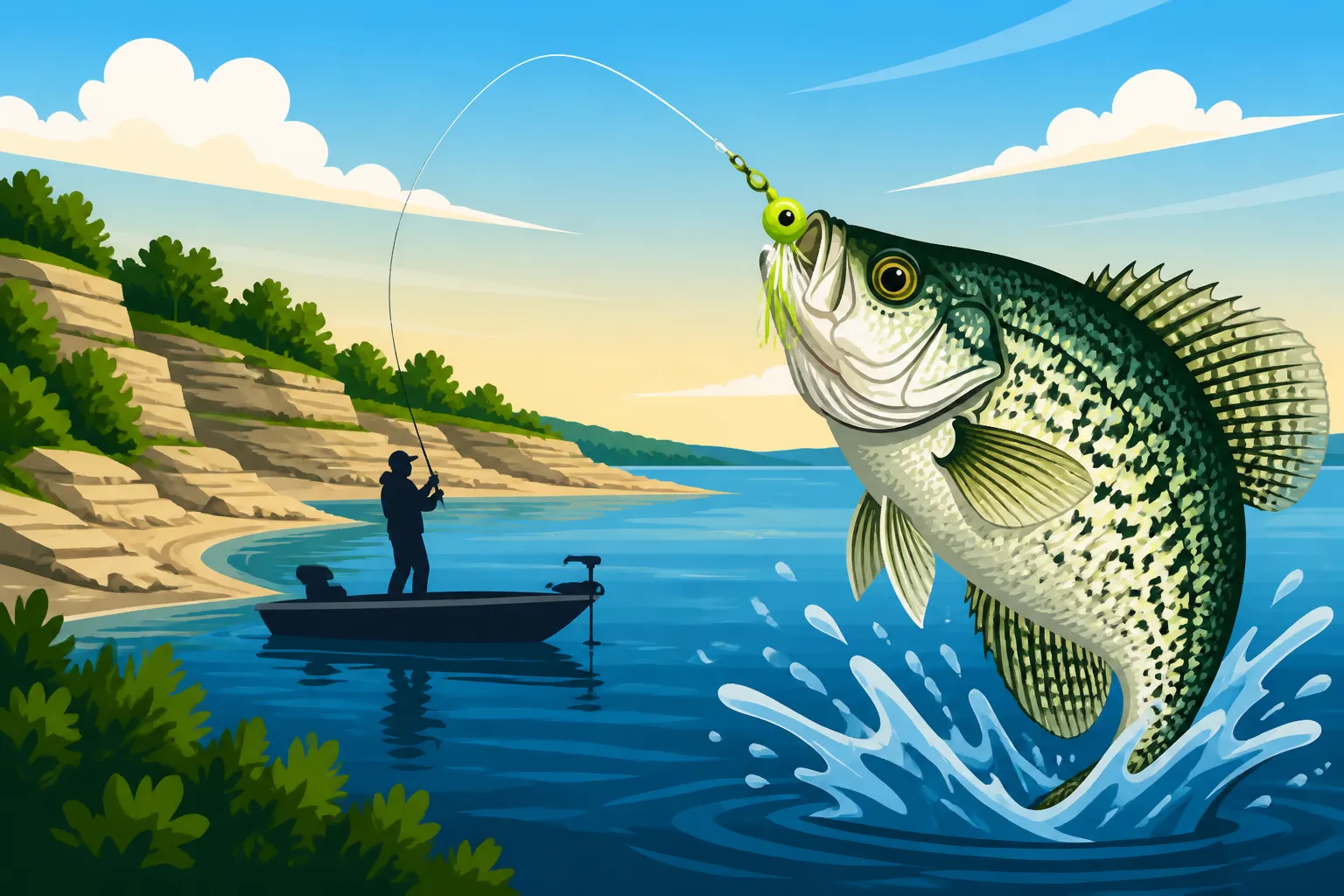
- Vertical Jigging: This is your bread and butter for deepwater crappie, especially in summer and winter. Once you've located a school of fish or a brush pile on your fish finder, position your boat directly over them. Drop a small jig (1/16 to 1/8 ounce is common) tipped with a plastic grub or a live minnow straight down. The key is to keep your bait just above the fish or in the cover, using subtle rod tip movements to impart action. The bite can be incredibly light, so watch your line for any twitch or slack. This is a core part of effective Jigging Techniques for Kansas Crappie.
- Spider Rigging: For covering more water and presenting multiple baits, spider rigging is an excellent technique, particularly in spring and fall. This involves using multiple long rods (often 10-16 feet) extending out from the front of your boat, each rigged with a jig or minnow. You then slowly troll or drift at speeds less than 1 mph, allowing your baits to cover a wide area at a consistent depth. This technique is fantastic for finding scattered schools along channel breaks or flats.
- Slip Bobber Rigs: When crappie are shallow during the spring spawn, a slip bobber rig allows you to present a jig or minnow at a precise depth without spooking wary fish. The bobber slides up and down your line, stopping at a pre-set depth by a bobber stop. This lets you cast into tight cover and let your bait sit naturally. It's incredibly effective around submerged timber and rocky banks in Curtis Creek Cove.
When looking for specific guidance or even chartering a trip with an experienced local, a resource like FishingBooker can connect you with guides who specialize in these crappie techniques on Milford Lake. They can offer invaluable insights into what's currently working best in areas like Curtis Creek Cove.
Recommended Lures and Baits
The choice of lure and bait can be as crucial as the technique itself.
- Jigs: Small marabou jigs, tube jigs, and soft plastic grubs in sizes from 1/32 to 1/8 ounce are crappie magnets. Popular colors often include chartreuse, white, black and chartreuse, or natural shad patterns. Experimentation is key, as crappie can be picky about color on any given day. A little bit of scent applied to plastic baits can also make a difference, especially in murky water.
- Live Minnows: You can't beat the real thing. Live minnows, particularly small fathead minnows, are a universal crappie catcher. They can be fished under a bobber, on a plain hook, or tipped onto a jig. Hook them lightly through the lips or just behind the dorsal fin for the best action. For more on what these fish prefer, read up on Best Bait for Kansas Crappie.
- Small Crankbaits: While not as common for vertical presentations, tiny crankbaits can be deadly when trolling for suspended crappie or during the aggressive feeding periods in fall. Choose models that dive to the desired depth and come in natural baitfish colors or bright, eye-catching hues.
Gear Considerations
Having the right rod, reel, and line can significantly enhance your crappie fishing experience.
- Rods: For crappie, a light to medium-light action spinning rod, typically 6 to 7 feet long, is ideal. Longer rods (8-12 feet) are popular for spider rigging, allowing for wider bait spreads. The sensitive tip of a crappie rod is crucial for detecting those subtle bites, especially when fishing deeper. Many anglers swear by specialized crappie rods that offer both sensitivity and backbone. You can learn more about specific setups in our guide on the Best Rod and Reel Combo for Crappie.
- Reels: A small, lightweight spinning reel (e.g., 1000 or 2000 size) balances well with light crappie rods. Smooth drag is important, especially when a larger crappie or an incidental bass decides to hit your bait.
- Line: Most crappie anglers use monofilament line in 4 to 6-pound test. Its stretch acts as a shock absorber for light hooks and provides a bit of forgiveness with light bites. Some prefer fluorocarbon for its invisibility and sensitivity, or even thin braided line with a fluorocarbon leader for ultimate feel, especially in deeper water.
Understanding these techniques and having the appropriate gear will dramatically increase your chances of success in Curtis Creek Cove. Don't be afraid to experiment; crappie can be particular, and figuring out their preference on any given day is part of the fun!
Navigating Curtis Creek Cove: Access and Hotspots
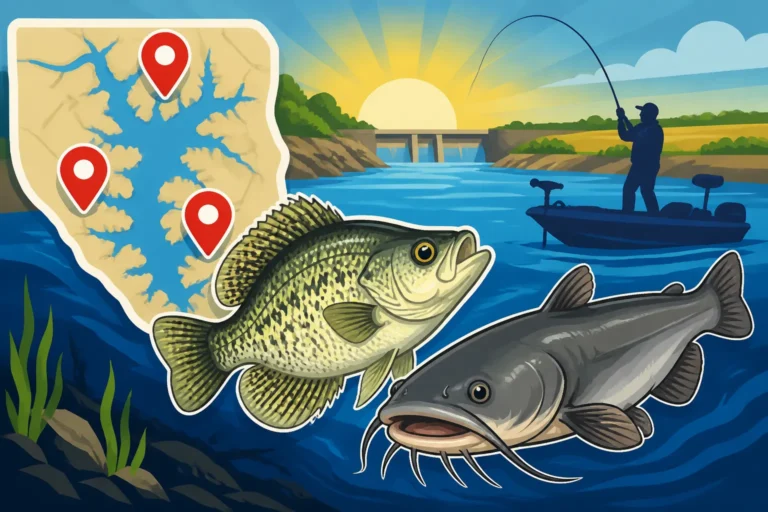
Knowing the prime areas within Curtis Creek Cove and how to access them is just as important as having the right bait. This cove, while not overwhelmingly vast, has specific zones that tend to hold crappie more consistently than others. Whether you're coming by boat or planning to fish from shore, there are opportunities for everyone. For general information on where to find the best crappie, don't forget to check out Best Coves for Crappie at Milford Lake.
Boat and Bank Access Points
Milford Lake is well-equipped with public access, and Curtis Creek Cove is no exception.
- Boat Ramps: The most direct boat access to Curtis Creek Cove is often through the Curtis Creek Boat Ramp, which is part of the Milford State Park system. This ramp provides easy launching for various boat types, from small jon boats to larger bass boats, directly into the heart of the crappie action. This proximity means less travel time and more fishing time, which is always a win in my book! There are also other ramps on Milford Lake that offer good access, but for direct access to the cove, Curtis Creek is ideal.
- Bank Fishing Opportunities: While not as extensive as boat access, there are some decent bank fishing spots, especially around the Curtis Creek area and designated fishing piers within Milford State Park. These areas often have rip-rap or brush piles nearby that hold crappie, particularly during the spring spawn. Look for public access points along roads that parallel the cove. A good pair of waders can also expand your reach for bank fishing, allowing you to access slightly deeper water or get around snags. Remember that a Kansas State Park Fishing Permit Rules may apply in some areas.
When planning your trip, consider using a platform like FishingBooker to scout out local fishing guides who can help you navigate the specific access points and hidden gems within Curtis Creek Cove, ensuring you make the most of your time on the water.
Identifying Key Crappie Holding Areas
Once you're in Curtis Creek Cove, you need to know where to focus your efforts. Crappie aren't just randomly distributed; they relate to specific types of structure and depth.
- Submerged Timber and Brush Piles: These are crappie magnets year-round. Use your electronics to locate standing timber and brush piles, especially those that are isolated or situated along a channel edge. During the spawn, crappie will move shallower onto timber in 5-10 feet of water. In summer and winter, they'll often be stacked deep within or around brush piles in 15-30+ feet. These structures provide excellent cover and concentrate baitfish, making them prime targets.
- Creek Channel Edges and Bends: The old Curtis Creek channel is a superhighway for crappie movement. Fish often stage along the edges of the channel, especially where it drops off sharply or makes a significant bend. These transition zones are ideal ambush points. Trolling or drifting along these channel contours, paying close attention to any sudden depth changes, can be highly productive.
- Rocky Points and Humps: Any prominent points or humps within the cove, particularly those with rock or gravel, can hold crappie. These areas often attract baitfish and provide excellent structure. During the spring, crappie may spawn on these rocky areas, and in the fall, they'll use them as staging points to ambush passing schools of shad.
- Docks and Boat Houses: While not as numerous in Curtis Creek Cove as in some other areas of Milford Lake, any docks or permanent structures can attract crappie, offering shade and cover. If you find any, approach them quietly and pitch jigs or minnows around the pilings. Always be respectful of private property when fishing near docks.
By understanding these key crappie holding areas, you can develop a systematic approach to fishing Curtis Creek Cove, maximizing your chances of a successful and rewarding day on the water.
Crappie Limits and Regulations in Kansas
Before you head out to Curtis Creek Cove with dreams of a cooler full of crappie, it’s absolutely essential to be aware of the current regulations in Kansas. While this guide focuses on finding and catching crappie, responsible angling includes adhering to all state and local laws. Knowing the rules helps protect the fishery for future generations and ensures you don't face any unexpected penalties.
Kansas has specific length and creel limits for crappie, which can sometimes vary by water body. For Milford Lake, like most major reservoirs, the statewide crappie regulations generally apply. Currently, anglers are allowed to keep a generous number of crappie, typically 50 per day, but there might be a minimum length limit. It's crucial to consult the latest KDWPT fishing regulations summary, which is updated annually. You can often find this information online or at local bait shops. Keeping only the legal-sized fish helps maintain a healthy population balance. For specific details on these rules, you can consult our dedicated article, Kansas Crappie Length and Bag Limits.
Always carry your valid Kansas fishing license, as it's required for anyone aged 16 to 74 who is a resident, and for all non-residents aged 16 and older. If you're planning a trip with a professional guide found through a service like FishingBooker, they will undoubtedly confirm you have the proper licensing before you even step on their boat. It's just good practice. Taking a few moments to review these regulations before your trip can save you a lot of headache and ensure your crappie fishing adventure in Curtis Creek Cove is legal and enjoyable.
Crappie Fishing Techniques & Bait by Season in Curtis Creek Cove
To help visualize the best approach for different times of the year, here's a quick reference table. Remember, conditions can change, so always be ready to adapt!
| Season | Crappie Location | Primary Techniques | Recommended Baits/Lures | Key Considerations |
|---|---|---|---|---|
| Spring | Shallow brush, standing timber, rocky banks (2-8 ft) | Slip bobber, casting jigs, spider rigging | Live minnows, small jigs (chartreuse, white, black/chartreuse) | Focus on warming water, sight fishing, subtle presentations. |
| Summer | Deep creek channel, submerged brush piles (15-30+ ft) | Vertical jigging, slow trolling crankbaits | Small jigs (darker colors), live minnows, tiny crankbaits | Locate schools with electronics, present baits directly into them. |
| Fall | Channel edges, points, humps, baitfish schools (8-15 ft) | Trolling crankbaits, casting/retrieving jigs, spider rigging | Small jigs (shad patterns, bright), live minnows, small crankbaits | Follow baitfish, aggressive presentations, cover larger areas. |
| Winter | Deepest creek channel, dense brush piles (20-40+ ft) | Vertical jigging, dead sticking | Tiny jigs (subtle colors), small live minnows | Extremely slow presentations, light line, watch for subtle bites, use electronics. |
Disclaimer
The information provided in this guide is for general informational purposes only and is subject to change. Always consult the official Kansas Department of Wildlife, Parks and Tourism (KDWPT) regulations before engaging in any fishing activities, as rules and limits can vary and are updated periodically. Stay safe and respect the environment and local regulations.