Cheney Reservoir Wiper Fishing Spots
Finding those elusive wiper schools at a vast and dynamic lake like Cheney Reservoir can feel like searching for a needle in a haystack, especially when they're constantly on the move. Many anglers spend hours idling or casting blindly, leaving frustrated without a single strike. This comprehensive guide is dedicated to equipping you with the insider knowledge on the best Cheney Reservoir wiper fishing spots, understanding their behavior, and mastering the techniques needed to consistently land these hard-fighting hybrids.
Understanding Cheney Reservoir and Wiper Behavior
Cheney Reservoir, a crown jewel in south-central Kansas, is a truly remarkable fishery known for its powerful hybrid striped bass, affectionately called wipers. But to truly unlock its secrets for wiper fishing, you need to understand the lake itself and the unique characteristics of these feisty fish. It's not just about throwing a line in; it's about anticipating their movements and knowing where they're likely to hold.
The Unique Environment of Cheney Reservoir
Cheney Reservoir is one of Kansas's largest lakes, spanning over 9,500 surface acres with an average depth of around 13 feet, though it dips down to nearly 40 feet in some areas near the dam. This expansive water body provides a diverse range of habitats, from shallow flats and submerged timber to deep channels and rocky points. Its vastness can be intimidating, but understanding its structure is key to deciphering where wipers will be. The lake's clear-to-moderately-stained water, depending on recent rainfall and wind, also plays a significant role in how wipers hunt and how anglers need to approach them. The main lake basin is characterized by numerous humps, old roadbeds, and submerged islands that act as magnets for baitfish, and consequently, for wipers. The presence of these underwater structures creates ambush points and feeding grounds for the wipers.
Wiper Habits and Preferred Habitat
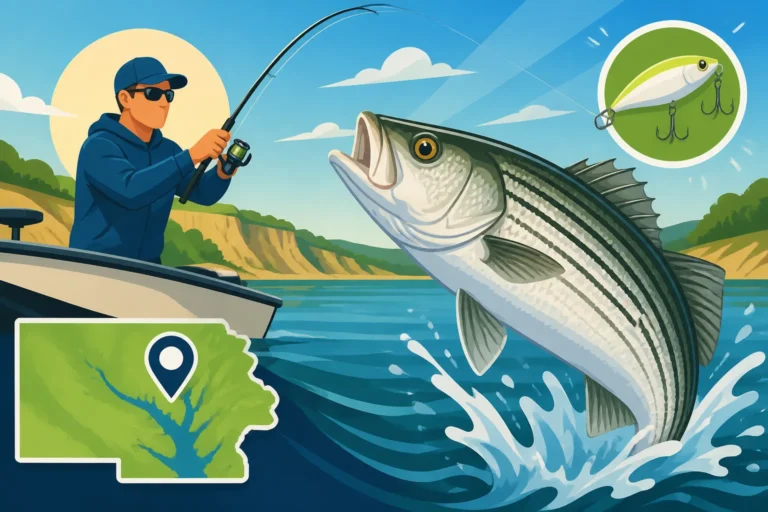
Wipers are a hybrid cross between a striped bass and a white bass, inheriting the best traits of both parents: the brute strength and size of a striper, combined with the aggressive schooling and feeding habits of a white bass. They are incredibly powerful, fast-growing fish that thrive in the open waters of large reservoirs like Cheney. Their diet primarily consists of shad and other small baitfish, which dictates their movements. Wipers are pelagic, meaning they often suspend in open water, chasing baitfish schools. However, they are also notorious for holding near structure – especially submerged humps, ledges, and channels – where they can ambush prey. When you see a school of wipers busting bait on the surface, it's an exhilarating sight, often signaling an intense feeding frenzy. Understanding these erratic, yet predictable, patterns is crucial for consistent success. They'll follow schools of shad relentlessly, and if you can locate those baitfish, you're halfway to finding the wipers. For more detail on these powerful fish, check out our Kansas Hybrid Striped Bass Identification guide.
Top Wiper Fishing Spots on Cheney Reservoir
Knowing the general characteristics of Cheney Reservoir and wipers is one thing; pinpointing specific areas where they consistently gather is another. While wipers can be found throughout the lake, certain locations offer more consistent action due to their structure, depth, or proximity to baitfish.
Main Lake Points and Humps
The main lake basin of Cheney is dotted with numerous underwater points and humps that rise up from the lakebed. These are prime structures for wipers, especially when they aren't actively busting bait on the surface. Wipers will often school up on the wind-blown side of these humps or along the edges of points, waiting for baitfish to drift by. Good examples include the submerged humps near the main dam area or the prominent points extending from the north shore into the open water. These areas often concentrate baitfish, making them ideal feeding grounds. Trolling crankbaits or casting spoons over and around these structures can be incredibly effective. The depths around these humps often vary, providing wipers with different thermal layers and ambush points depending on the time of year.
The Causeway and Dam Area
The long causeway that cuts across Cheney Reservoir, especially the bridges and riprap sections, creates a unique habitat. The constant water flow through the bridge openings, even if subtle, attracts baitfish and, in turn, wipers. This current provides a consistent food source and a comfortable environment. Anglers often find success casting lipless crankbaits or swimbaits parallel to the riprap or vertically jigging near the bridge pilings. The area near the main dam is another hotspot. The deeper water here, along with the sheer face of the dam, offers a different type of structure where wipers might hold, especially during colder months or when trying to escape intense summer heat. Be mindful of fishing regulations specific to the dam area, as some zones might have restrictions. This area is also a popular spot during the early spring and late fall when wipers are more concentrated.
Inflow and Outflow Areas Seasonal
Wipers are highly attuned to water movement, and this becomes particularly evident around inflow and outflow areas, especially seasonally.
During periods of significant rainfall, the major creeks and rivers feeding into Cheney, such as the North Fork and South Fork of the Ninnescah River, can become hotspots. The influx of fresh, often cooler, water and accompanying nutrients attracts baitfish, creating a buffet for wipers. Anglers should focus on the mouths of these inflows, casting into the current seams or trolling along the edges of the newly inundated channels. Similarly, any outflows, such as spillways or controlled releases, can concentrate fish. The moving water often disorients baitfish, making them easy targets. The "when" is just as important as the "where" in these spots, as their productivity is highly dependent on recent weather patterns and water levels. For understanding the overall fishing patterns, our guide on Kansas Fishing Seasons Guide might offer helpful insights.
Effective Techniques for Cheney Reservoir Wipers
Once you've located a promising spot, the next challenge is convincing those powerful wipers to strike. Wipers are aggressive predators, but they can also be finicky, requiring a variety of techniques to consistently entice them. The most successful anglers are those who can adapt their approach to the fish's mood and the prevailing conditions.
Trolling and Casting Strategies
Trolling is a highly effective method for covering large expanses of Cheney Reservoir, especially when wipers are scattered or suspended. Long-lining crankbaits at various depths, often in the 10-20 foot range, allows you to search for active schools. Popular crankbaits like Berkley Flicker Shad, Rapala Shad Raps, or larger Bandit series are go-to choices. Vary your speed between 2.0 and 3.5 mph until you find what triggers bites. Pay close attention to your fish finder to identify baitfish schools and any larger arches underneath them. Once you mark fish, you can either continue trolling through the school or switch to casting.
Casting is best when wipers are actively busting on the surface or when you've pinpointed a specific structure. Throwing spoons (like a Kastmaster or Cotton Cordell C.C. Spoon), topwater baits (like Zara Spooks or Poppers during low light), or swimbaits (like the various shad imitations) into the feeding frenzy can lead to explosive strikes. Don't be afraid to experiment with retrieve speeds and pauses. Sometimes a fast, erratic retrieve mimics a panicked baitfish best, while other times a slower, steady retrieve is more appealing.
Live Bait and Deadsticking
While artificials are highly effective, sometimes live bait is the undisputed champion, especially for less active wipers. Large live shad, shiners, or even small bluegill can be presented on a Carolina rig or under a slip bobber. For drifting or anchoring over a known hump, deadsticking can be deadly. This involves setting out a live bait rig with minimal weight, allowing the bait to swim naturally or simply suspend. The key here is patience. Wipers might not smash a deadsticked bait like they would a trolled crankbait, but a subtle take often indicates a large, wary fish. This technique is particularly good when the fish are holding deeper or in areas with less current. Understanding Best Bait for Kansas Catfish might also give you ideas for larger live baits that could entice a trophy wiper.
Electronics for Locating Wiper Schools
In a reservoir the size of Cheney, electronics are not just a luxury; they are an absolute necessity for consistent wiper success. A quality fish finder with good down-imaging and side-imaging capabilities can drastically reduce your search time.
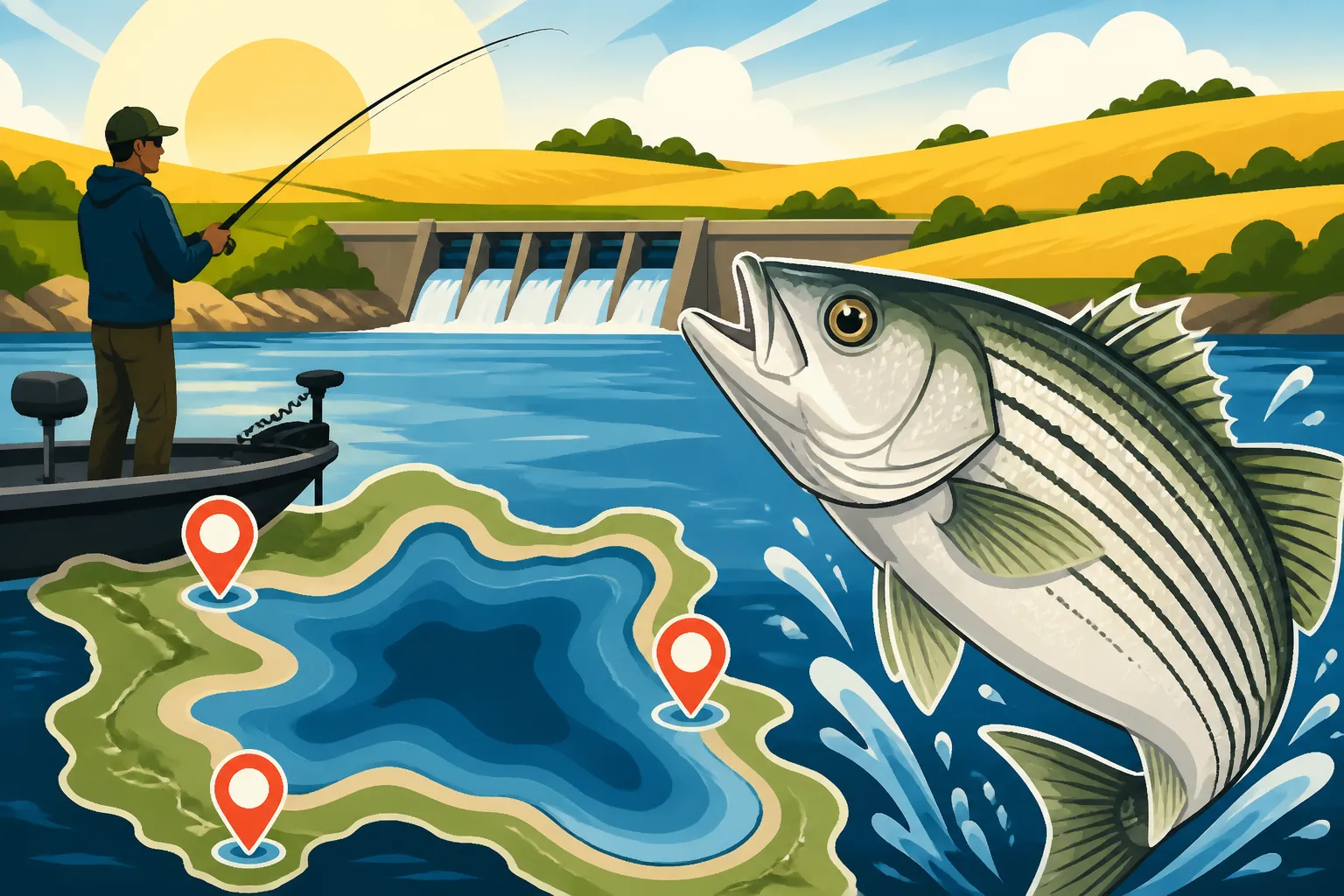
Look for dense schools of baitfish, often appearing as large clouds or balls on your sonar screen. Wipers will typically be visible as larger, distinct arches either directly under, within, or around these baitfish schools. Pay attention to water temperature and depth contours, which are often displayed on modern GPS-enabled units. Mark waypoints when you find active fish or promising structure. The ability to quickly navigate back to a productive spot or follow a moving school of fish is invaluable. Many experienced anglers even consult fishing reports or use apps like FishingBooker to get real-time insights from local guides, which can sometimes provide clues on where to start your electronic search. Knowing how to interpret what your screen is showing you will save you countless hours of fruitless casting.
Seasonal Considerations for Wiper Fishing
Wiper fishing at Cheney Reservoir is a year-round affair, but your tactics and the locations you target will vary dramatically with the seasons. Understanding these shifts is paramount to staying on the fish. Wipers, like most fish, are highly influenced by water temperature, oxygen levels, and baitfish availability, all of which change throughout the year.
Spring Wiper Blitz
Spring at Cheney Reservoir is often characterized by a "wiper blitz." As water temperatures begin to rise into the 50s and 60s Fahrenheit, wipers become incredibly active, feeding aggressively after the lean winter months. This is often when you'll find them moving shallower, particularly into creek arms and along points where shad are beginning to spawn. The causeway area, with its moving water, becomes particularly productive as wipers move through. Trolling or casting lipless crankbaits, swimbaits, and even large jigs can be deadly during this period. Watch for surface activity, especially during morning and evening hours. This period of high activity often coincides with the white bass run, and wipers will often be found mixed in with large schools of white bass. Our guide on Kansas White Bass Run Timing can help you identify these overlapping opportunities.
Summer Deep Water Tactics
As Kansas summers heat up and water temperatures soar, wipers will generally retreat to deeper, cooler, and more oxygenated waters. This doesn't mean they stop biting; it just means your approach needs to change. Focus on the main lake basin, targeting deep humps, main lake points, and the dam area where depths can reach 30-40 feet. Trolling deep-diving crankbaits or presenting live bait on downriggers or heavy bottom rigs becomes very effective. Early morning and late evening bites can also occur as wipers push baitfish shallower during cooler parts of the day. Night fishing can also be incredibly productive during summer, as wipers often move up in the water column to feed under the cover of darkness. Don't overlook the importance of finding thermoclines, which can concentrate both baitfish and wipers.
Fall Feeding Frenzy
Fall is another fantastic time for wiper fishing at Cheney Reservoir, often rivaling the spring bite. As water temperatures begin to drop from the summer highs, wipers enter a "feeding frenzy" mode, trying to pack on weight for the upcoming winter. They become incredibly aggressive and can be found almost anywhere. Look for them actively chasing shad in open water, often forming large, visible busts on the surface. Creek channels, main lake points, and larger flats are all potential hotspots. Trolling umbrella rigs, casting large spoons, or working topwater baits can yield incredible results. The key is to cover water until you find an active school. The cooler weather also means they can remain active throughout the day, not just during low-light periods. Anglers planning to visit should definitely check out our Kansas Fall Walleye Fishing Tips as many of those principles of finding actively feeding fish in fall apply to wipers as well.
Gear and Safety for Cheney Wiper Anglers
Having the right gear and prioritizing safety are non-negotiable for a successful and enjoyable wiper fishing trip on Cheney Reservoir. Wipers are powerful fish that will test your tackle, and the open waters of Cheney demand respect and preparedness.
Recommended Rods, Reels, and Line
For wiper fishing at Cheney, you'll want gear that can handle strong, hard-fighting fish. A medium-heavy to heavy action spinning or baitcasting rod, typically 7 to 7.5 feet in length, is ideal. This length provides good casting distance and enough backbone to muscle in a strong wiper. Pair this with a sturdy reel, size 3000-4000 for spinning or a medium-heavy baitcasting reel, spooled with 15-20 pound braided line. Braid offers excellent sensitivity and strength for its diameter. It's often a good idea to add a 2-3 foot fluorocarbon leader (15-20 lb test) for abrasion resistance and reduced visibility, as Cheney can sometimes have clear water. For those using heavier trolling setups, a sturdy trolling rod with a line counter reel spooled with 20-30 pound mono or braid can be beneficial for precisely setting depths.
Essential Boating Safety and Equipment
Cheney Reservoir can get rough, especially on windy days, making boating safety paramount. Always check the weather forecast before heading out. Ensure your boat is properly registered, and that you have all required safety equipment on board, including enough U.S. Coast Guard-approved life jackets for everyone on board, a sound-producing device (horn or whistle), navigation lights (if operating after sunset or before sunrise), and a fire extinguisher. A well-maintained engine and a full tank of gas are also critical. Consider carrying a marine radio or a fully charged cell phone for emergencies, and always tell someone where you're going and when you expect to return. Being prepared ensures that an unexpected change in weather or mechanical issue doesn't turn a great day of fishing into a dangerous situation. You can find more comprehensive details in our Kansas Boating Safety Equipment Requirements guide.
Prime Cheney Wiper Fishing Summary
To help you quickly reference the best approaches for targeting wipers on Cheney Reservoir, here's a handy table summarizing key information:
| Fishing Spot | Best Season(s) | Primary Technique(s) | Recommended Lures/Bait | Notes |
|---|---|---|---|---|
| Main Lake Points & Humps | Spring, Fall, Summer | Trolling, Casting | Deep-diving Crankbaits, Spoons, Swimbaits | Focus on wind-blown sides and structure. |
| Causeway & Dam Area | Spring, Fall, Winter | Casting, Jigging | Lipless Crankbaits, Swimbaits, Jigs, Live Shad | Current flow attracts bait and wipers; check regulations. |
| Inflow/Outflow Areas (Creek Mouths) | Spring, Fall | Casting, Trolling | Crankbaits, Spinners, Live Bait | Productive during high water or controlled releases. |
| Open Water (Baitfish Schools) | Summer, Fall | Trolling, Casting (surface busts) | Umbrella Rigs, Large Spoons, Topwater Baits (busts) | Use electronics to locate baitfish; watch for surface activity. |
| Deep Channels & Main Lake Basin | Summer, Winter | Trolling (deep), Live Bait (deadstick) | Deep-diving Crankbaits, Live Shad on bottom rigs | Wipers seek cooler water in summer, stable temps in winter. |
Remember, while these spots are often productive, wipers are highly mobile. Adaptability and constant observation of your electronics and surroundings are your best tools. Many local guides, some listed on platforms like FishingBooker, can provide up-to-the-minute reports and even take you directly to active schools, which can be a huge advantage on such a large lake. Whether you're a seasoned angler or just starting out, Cheney offers an incredible opportunity to battle these fantastic fish. You might also consider exploring Cheney Reservoir Walleye Fishing if wipers prove elusive, as the techniques and locations often overlap!
Disclaimer
Please note that fishing regulations, conditions, and fish behavior can change. Always consult the latest Kansas Department of Wildlife, Parks and Tourism (KDWP) regulations before fishing. This guide is for informational purposes only and does not guarantee fishing success.