El Dorado Lake Striped Bass Fishing
Many anglers dream of battling a hard-fighting striped bass, but for those targeting them in landlocked Kansas, especially at El Dorado Lake, the journey can feel a bit mysterious. These powerful fish offer an incredible challenge and immense reward, but knowing where to start, what techniques to employ, and what to expect from this unique fishery is key to turning those dreams into a tangible, rod-bending reality. This guide will take a deep dive into everything you need to know to successfully pursue striped bass at El Dorado Lake.
The Allure of Striped Bass Fishing at El Dorado Lake
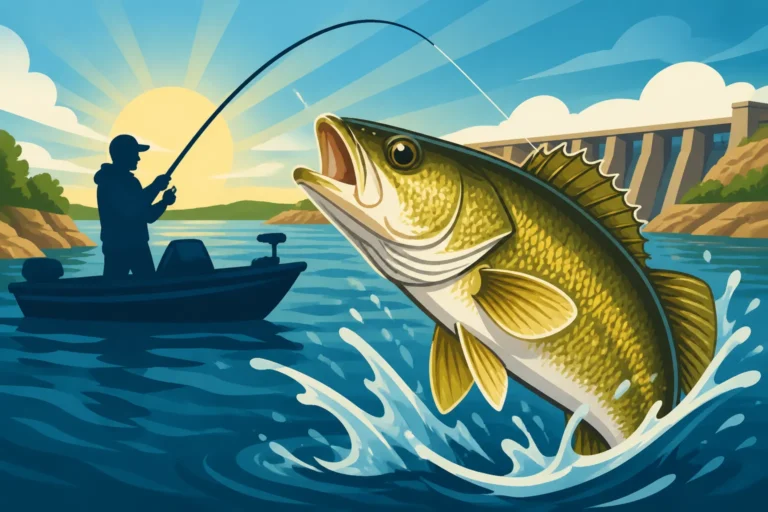
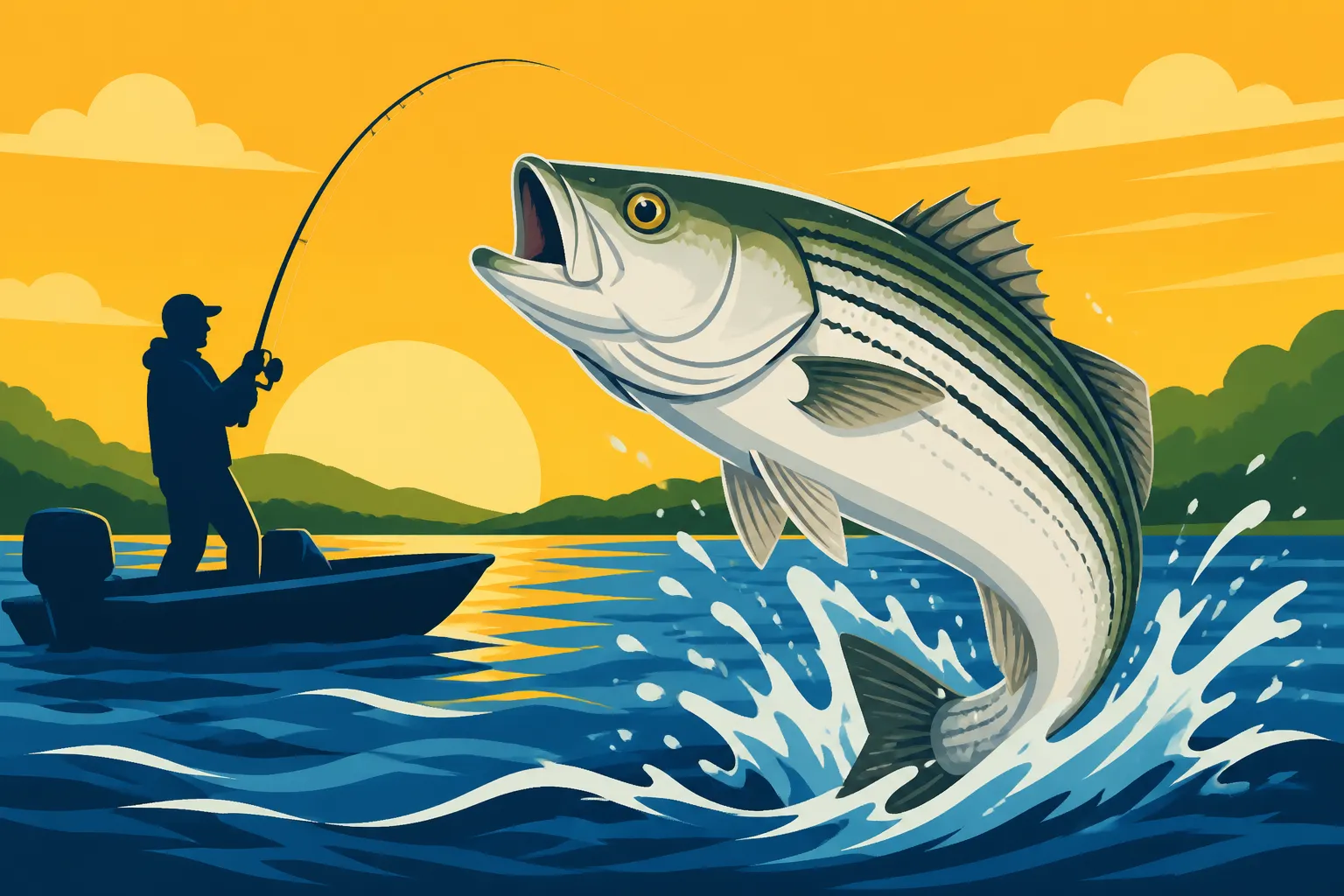
El Dorado Lake, nestled in Butler County, Kansas, is a jewel among the state's reservoirs, not just for its scenic beauty but for its thriving fishery, particularly for striped bass. These aren't your typical pond fish; stripers are powerful, aggressive predators that demand respect and offer an adrenaline-pumping fight unlike almost any other freshwater species in Kansas. Anglers often face a steep learning curve when first targeting stripers, but the dedication pays off when that drag starts screaming.
Why El Dorado Lake is a Striper Paradise
El Dorado Lake boasts a robust population of striped bass, making it one of the premier destinations for striper fishing in the state. What makes El Dorado so ideal for these magnificent fish? It comes down to a few critical factors: the lake's size and depth, its abundant forage base, and consistent stocking efforts by the Kansas Department of Wildlife and Parks (KDWP). Spanning over 8,000 acres with significant deep water and diverse underwater structures, El Dorado provides the perfect habitat for stripers to grow large and healthy. They thrive on the prolific schools of gizzard shad, their primary food source, which are abundant throughout the lake.
The KDWP plays a crucial role, regularly stocking fingerling striped bass to supplement natural reproduction, which is often limited in landlocked environments. This commitment ensures a healthy and sustainable population for anglers to enjoy year after year. The lake's deep main lake channels, numerous humps, points, and old riverbeds provide ideal ambush points and foraging grounds for stripers. Understanding these dynamics is the first step in unlocking El Dorado's striper potential. It's a challenging but deeply rewarding pursuit, drawing dedicated anglers from all over the state and beyond.
Understanding Striped Bass Behavior in Landlocked Waters
Striped bass, often simply called "stripers," are anadromous fish in their native coastal habitats, meaning they migrate between fresh and saltwater. In landlocked reservoirs like El Dorado, they adapt to a purely freshwater existence, but many of their natural instincts remain. They are schooling fish, particularly the younger ones, and are highly migratory within the lake, constantly moving in search of baitfish. Their behavior is heavily influenced by water temperature, oxygen levels, and the location of their primary food source, gizzard shad.
During warmer months, stripers often seek deeper, cooler, more oxygenated water, moving up into the shallows to feed during low light conditions or when baitfish are pushed by current or wind. In cooler seasons, they can be found shallower more consistently. They are also known for their powerful, sustained runs, making them a formidable opponent on appropriate tackle. Unlike black bass, which are often structure-oriented, stripers are open-water predators, often found suspended in the water column or chasing bait in vast schools. This nomadic lifestyle requires anglers to be mobile and willing to cover a lot of water. If you're new to the area or striper fishing, considering a guided trip through a service like FishingBooker can provide a fantastic head start, as local guides intimately understand these behavioral patterns and how they relate to El Dorado's unique layout.
Navigating El Dorado's Seasons for Striper Success
Striped bass fishing at El Dorado Lake is a year-round affair, but the tactics and locations can change dramatically with the seasons. Understanding these seasonal shifts is paramount to consistent success. Each season presents its own unique challenges and opportunities, requiring different approaches to locate and catch these powerful fish.
Spring into Action: Pre-spawn and Post-spawn Runs
Spring is arguably one of the most exciting times to target striped bass at El Dorado Lake. As water temperatures begin to rise, typically from March through May, stripers become incredibly active. They move into shallower waters, particularly the upper ends of the lake and major creek arms, in preparation for their spawning run. While true reproduction is limited in reservoirs, they still exhibit the instinct to migrate upstream, making them more concentrated and aggressive. This is a fantastic time for casting and trolling. Look for areas where creeks feed into the main lake, or where warming shallow flats meet deeper channels.
During the pre-spawn, stripers are focused on feeding, packing on energy. They'll readily hit a variety of lures, from crankbaits to swimbaits. Post-spawn, usually mid-to-late May, they might be a bit lethargic immediately after the run, but they quickly recover and disperse, often moving back towards the main lake body but still feeding heavily. This period sees them chasing shad schools aggressively. Anglers should pay close attention to water temperature and clarity, as these factors dictate how far into the creeks the stripers will push. You'll often find them chasing bait right up to the surface in explosive feeding frenzies, making for incredible topwater action. Check the current Kansas Fishing Seasons Guide for general seasonal outlooks, but remember that specific striper behavior is often tied to local water conditions.
Summer's Deep Secrets and Night Bites
When the Kansas summer heat truly sets in, usually from June through August, El Dorado Lake's striped bass descend into deeper, cooler, and more oxygenated waters. This can make them harder to locate during the day, as they often suspend over deep channels or near submerged humps and ledges. However, summer also brings some of the most consistent and thrilling night fishing opportunities. As the sun sets and surface temperatures drop, stripers often move shallower to feed on baitfish that have also migrated higher in the water column.
Night fishing often involves anchoring near known humps, points, or the dam area and using submersible lights to attract shad, which in turn attract the stripers. Live bait, particularly gizzard shad or large shiners, fished under a bobber or on the bottom, can be incredibly effective. During the day, trolling deep-diving crankbaits or vertically jigging heavy spoons or soft plastics over deep structure where fish are marked on your electronics are popular techniques. This is also a good time to explore the areas around the dam or the deep main lake points, where constant currents might concentrate bait and stripers. Always remember proper lighting and safety gear when fishing at night.
Fall Frenzy: Following the Shad Schools
Autumn, typically September through November, is another prime time for El Dorado Lake striped bass fishing, often rivaling spring in terms of action. As water temperatures cool, stripers become increasingly active and aggressive, feeding heavily to build up reserves for the coming winter. This is the period of the famed "fall shad run" where massive schools of gizzard shad move into the major creek arms and shallower flats, and the stripers are hot on their tails.
Look for birds diving, which is often a dead giveaway for schooling baitfish being pushed to the surface by predatory stripers. Topwater lures, swimbaits, and large crankbaits are highly effective during this time. The stripers will often be found in large schools, creating explosive surface action that can last for hours. Trolling umbrella rigs or large crankbaits through these areas is also a very productive method. The key during fall is mobility; be prepared to move frequently to find the active schools. Focusing on the main lake body, especially where creek channels meet main lake points, can yield excellent results.
Winter's Chill: Vertical Jigging and Subtle Approaches
Winter fishing at El Dorado Lake for stripers, from December through February, presents its own unique set of challenges and rewards. The fish become more lethargic in the colder water and their metabolism slows, meaning they aren't chasing bait as aggressively. However, they can often be found in concentrated schools in predictable deep-water locations. The major challenge is often finding them. Once located, they can be caught, though their bites may be very subtle.
Vertical jigging is the name of the game in winter. Look for deep main lake humps, the original river channel, or ledges near the dam. Stripers will often suspend in these areas, holding tight to structure or just off the bottom. Heavy spoons, large jigs tipped with soft plastics, or blade baits are excellent choices. Slow, deliberate presentations are key. Your electronics become absolutely vital in winter to locate these deeper schools. While not as action-packed as spring or fall, catching a large, healthy striper in the cold quiet of winter can be an incredibly satisfying experience. Always prioritize safety when fishing in cold weather, especially if you plan on trying any Kansas Ice Fishing Guide tips on safe ice.
Essential Gear for Battling El Dorado's Stripers
Tackling the hard-fighting striped bass of El Dorado Lake requires specific gear that can withstand their power and accommodate the various techniques used to catch them. Skimping on tackle can lead to frustrating break-offs and lost fish. Investing in quality equipment will not only improve your success rate but also enhance your overall fishing experience.
Rods, Reels, and Line: Building Your Striper Arsenal
For striped bass at El Dorado, you'll want gear that leans towards heavy-duty. A medium-heavy to heavy power spinning or baitcasting rod, typically 7 to 8 feet long, is a good starting point. This length provides the necessary casting distance for covering open water and enough leverage to fight a powerful fish. The action should be fast to moderate-fast, allowing for good hooksets and enough give to prevent hooks from pulling out during headshakes. For many anglers, a stout 7'6" medium-heavy rod is a versatile choice.
Matching your rod with a reliable reel is equally important. For spinning setups, a 4000 to 6000 series reel with a smooth, powerful drag system is ideal. For baitcasting, a robust reel with a high line capacity and a strong drag is essential, especially for trolling or casting heavy lures. Manufacturers like Shimano, Daiwa, and Penn offer excellent options designed for saltwater applications that translate perfectly to landlocked stripers.
When it comes to line, braid is often preferred for its strength-to-diameter ratio, sensitivity, and lack of stretch, which aids in powerful hooksets and detecting subtle bites at depth. A 30-50 pound test braided line is a common choice. However, many anglers will tie on a 20-30 pound fluorocarbon or monofilament leader (3-6 feet long) to the braid. Fluorocarbon offers invisibility, abrasion resistance, and a bit of stretch, while monofilament is more forgiving. The leader connection should be strong and reliable, such as an FG knot or a double uni knot. If you're wondering about other species, our Kansas Fishing Gear Guide offers broader insights into tackle selection.
Baits and Lures That Tempt the Titans
The versatility of El Dorado's striped bass means a wide array of baits and lures can be effective, depending on the season and technique. Live bait is often king, especially for finicky fish or in tough conditions. Gizzard shad, the stripers' natural forage, are the best choice. You'll need a cast net to catch them, or you can purchase them from local bait shops when available. Other effective live baits include large shiners or sunfish. When using live bait, a simple Carolina rig with an appropriate weight (1/2 oz to 1 oz) and a 3/0 to 5/0 circle hook is often all you need.
For artificial lures, consider:
- Swimbaits: Large, soft plastic paddle-tail swimbaits (4-8 inches) rigged on heavy jig heads (3/4 oz to 2 oz) are deadly when stripers are chasing shad. Popular brands like Keitech or Storm WildEye are excellent.
- Crankbaits: Deep-diving crankbaits that can reach depths of 15-25 feet or more are crucial for trolling or casting to deeper fish. Color patterns mimicking shad are always a good bet.
- Topwater Lures: Big poppers, walk-the-dog baits, or pencil poppers create explosive strikes when stripers are busting on the surface in spring and fall.
- Jigs and Spoons: Heavy jigging spoons (1/2 oz to 2 oz) or bucktail jigs are excellent for vertical jigging to suspended fish, especially in colder water. Slab spoons or flutter spoons can also be highly effective.
- Umbrella Rigs: For trolling, an Alabama rig or umbrella rig with multiple swimbaits or grub-style lures can imitate a school of baitfish, often drawing aggressive strikes from larger stripers.
The key is to match the hatch – use lures that imitate the size and color of the baitfish currently being targeted by the stripers. Having a variety of options in your tackle box is always a good strategy.
The Importance of Marine Electronics
Fishing for striped bass in a large reservoir like El Dorado Lake without marine electronics is like trying to navigate a maze blindfolded. A quality fish finder, whether it's a traditional sonar, CHIRP sonar, or side-imaging unit, is an indispensable tool. Stripers are often suspended in the water column or chasing bait in open water, and without electronics, finding these schools can be nearly impossible.
Your fish finder will help you:
- Locate Baitfish: Shad schools are the ultimate attractant for stripers. If you find the bait, the stripers are usually not far behind. Look for dense clouds or arches on your screen.
- Identify Striper Schools: Stripers will show up as large, distinct arches or blobs, often suspended above or within the bait schools. Side imaging can be particularly useful for scanning wide areas to locate these schools.
- Map Underwater Structure: Understanding the contours, humps, ledges, and channels is crucial. Your unit's mapping capabilities, often with pre-loaded or custom-mapped charts, will help you identify prime ambush points and travel corridors for stripers.
- Determine Depth and Thermocline: Knowing the depth at which fish are holding and understanding the thermocline (the layer of water where temperature changes rapidly) can help you present your baits at the most effective depth.
Modern GPS-enabled fish finders also allow you to mark waypoints for productive spots, track your trolling paths, and navigate safely around the lake. Brands like Humminbird and Lowrance offer excellent units that can drastically increase your success rate. For serious striper anglers, this technology is not just a luxury, but a necessity. If you're setting up a new boat, also consider how these integrate into your overall Kansas Boat Registration Guide and equipment.
Proven Techniques for Targeting El Dorado's Striped Bass
Once you're armed with the right gear and have a seasonal understanding, it's time to put some proven techniques into practice. Striped bass are often caught using a combination of methods, and adapting to their behavior on a given day is what separates good anglers from great ones.
Mastering the Art of Trolling for Stripers
Trolling is perhaps one of the most effective and popular methods for catching striped bass on El Dorado Lake, especially when fish are scattered or holding at specific depths. It allows you to cover vast amounts of water, presenting multiple baits at various depths and speeds until you dial in what the fish want. Deep Water Trolling for Kansas Stripers involves pulling lures behind a boat at a controlled speed, typically between 2.5 to 4.5 miles per hour, though this can vary.
Key aspects of successful trolling include:
- Lure Selection: Use deep-diving crankbaits, umbrella rigs, or even live bait on weighted lines or planer boards. Color choice often mimics gizzard shad, like chrome/blue, silver/black, or chartreuse.
- Depth Control: This is critical. Use line counters on your reels, specific types of line (like leadcore), or downriggers to ensure your lures are running at the depth where stripers are marked on your fish finder. If stripers are at 25 feet, your lure needs to be there too.
- Pattern Identification: Once you get a bite, note the speed, depth, lure, and location. Stripers are often in schools, so you might get multiple hookups in the same area.
- Boat Control: Maintain a consistent speed and make subtle turns. Sometimes a change in boat direction can cause a lure to change speed or depth, triggering a strike. Focus your trolling efforts around main lake points, humps, creek channel edges, and submerged structure.
Live Baiting for Finicky Feeders
While artificial lures can be highly effective, sometimes striped bass can be notoriously finicky, especially when under pressure or during periods of slower metabolism (like winter or extreme summer heat). This is when live bait truly shines. A fresh, lively gizzard shad is often irresistible to a striper. Using live bait requires a bit more effort, as you'll likely need to catch your own bait with a cast net, but the rewards are often worth it.
There are several ways to present live bait:
- Freeline: In areas where stripers are actively chasing bait near the surface, or if you're fishing near cover, simply hook a live shad through the nose or back and let it swim freely with little or no weight.
- Carolina Rig: This is a versatile bottom-fishing rig. Use an egg sinker (1/2 oz to 1 oz or more depending on current and depth) above a swivel, then a 2-4 foot fluorocarbon leader to a 3/0 to 5/0 circle hook. This keeps the bait near the bottom but allows it to move naturally.
- Suspended Under a Bobber: When stripers are suspended at a specific depth, a slip bobber rig allows you to present your live bait precisely at that level. This is particularly effective at night around submersible lights.
- Staggered Depths: If you're fishing with multiple rods (check Kansas Fishing Regulations Explained for limits), try setting baits at different depths until you find where the fish are holding.
Remember to keep your live bait healthy in a well-aerated livewell. A struggling bait is less attractive to a hungry striper. For those looking for extra tips on finding bait or local hotspots, checking services like FishingBooker for guides who specialize in live bait can be very beneficial.
Casting and Jigging for Active Schools
When stripers are actively feeding, especially during the spring and fall "busts" or when schooling on the surface, casting lures into the melee is an incredibly exciting and productive method. Watching a striper explode on a topwater lure is an unforgettable experience.
- Casting: For surface action, throw topwater plugs like poppers or walking baits directly into the schooling fish. For subsurface activity, use swimbaits, large soft plastic flukes, or lipless crankbaits. Fan-casting these lures around main lake points, humps, and submerged structure can also draw strikes from solitary or smaller schools of stripers. Look for visual cues like diving birds or surface boils to pinpoint active fish.
- Jigging: Vertical jigging is most effective when stripers are holding deep and tight to structure, particularly in colder months or during hot summer days. Use heavy spoons (like the Hopkins Shorty or Kastmaster), blade baits, or heavy bucktail jigs. Drop your lure straight down to the depth where you're marking fish, then use a sharp, upward snap of the rod to lift the lure, letting it fall back on a semi-slack line. Most strikes occur on the fall. This technique requires good boat positioning and precise depth control using your electronics.
It's also worth noting that many lures effective for Best Lures for Kansas White Bass can also work for smaller stripers or when they are mixed in schools. Always have a variety of casting and jigging options ready, as the stripers' mood can change quickly.
Key Hotspots and Access Points on El Dorado Lake
El Dorado Lake's diverse underwater topography offers numerous productive areas for striped bass. Knowing where to focus your efforts, combined with keen observation and the use of marine electronics, will greatly increase your chances of success.
Prime Structures and Submerged Features
Striped bass are constantly moving, but they often relate to specific types of underwater structure, especially when not actively chasing open-water bait schools. At El Dorado, these include:
- The Dam Area: The face of the dam, particularly the deeper waters near the old river channel, can be a magnet for stripers. They often hold in the cool, deep water here, especially in summer. The currents created by the spillway (when active) can also concentrate baitfish and stripers.
- Main Lake Humps and Points: Any significant underwater hump or point that extends into deeper water is a prime ambush point for stripers. These areas disrupt currents and attract bait. Look for steep drops-offs on your sonar.
- Old River Channel: The original Walnut River channel that winds through the lake's basin is a highway for stripers. They use it for travel and often hold along its edges, especially where it meets a flat or a submerged timberline.
- Submerged Bridges and Roadbeds: Before the lake was filled, old roads and bridges were submerged. These structures provide excellent cover and current breaks, attracting both bait and predators. Your fish finder's mapping will be essential to locate these.
- Timber and Standing Trees: While stripers are open-water fish, they will sometimes hold near submerged timber, particularly if baitfish are using it for cover. Be cautious, as fishing in timber can lead to snags.
When fishing these areas, always keep an eye on your fish finder for baitfish and striper arches. Wind-blown points can also be very productive, as the wind pushes baitfish towards these areas, and stripers will follow.
Public Access and Boating Facilities
El Dorado Lake is well-equipped with public access points and boating facilities, making it angler-friendly. The lake is surrounded by El Dorado State Park, which offers numerous boat ramps, camping areas, and fishing amenities.
- Boat Ramps: There are several well-maintained boat ramps scattered around the lake, including those at El Dorado State Park's Walnut River, Bluestem, and Boulder Bluff areas. These ramps provide easy access to different parts of the lake. Make sure your boat is properly registered; consult the Kansas Boat Registration Guide for details.
- Marinas: The lake also has marinas that offer fuel, supplies, and often up-to-date fishing reports. These can be valuable resources for local information.
- Camping and Lodging: For anglers planning multi-day trips, El Dorado State Park offers a range of camping options from primitive to full hook-up sites. There are also cabins and lodges available, or hotels in the nearby city of El Dorado. If you need to plan a trip and want to explore local accommodations and guides, services like FishingBooker can help you find options.
- Shoreline Access: While stripers are often found in open water, there are still opportunities for bank anglers, especially during the spring and fall runs when fish move shallower. The various park areas offer shoreline access, and specific areas near the dam or creek mouths can be productive. Remember to check for any Kansas State Park Fishing Permit Rules that may apply.
Always consult a current map of El Dorado Lake (available from KDWP or online) to familiarize yourself with the topography, boat ramps, and park boundaries. Being familiar with the lake layout before you launch will give you a significant advantage.
Regulations and Responsible Angling at El Dorado
Responsible angling isn't just about following the rules; it's about ensuring the health of the fishery for future generations. Understanding and adhering to the specific regulations for striped bass at El Dorado Lake, as well as general boating safety, is crucial for every angler.
Knowing Your Limits: Striped Bass Regulations
The Kansas Department of Wildlife and Parks (KDWP) sets specific regulations for striped bass to manage the population effectively. These regulations are designed to ensure sustainable fishing while providing opportunities for anglers to harvest fish. It is absolutely essential to consult the most current KDWP fishing regulations pamphlet or website before you head out, as rules can change.
Generally, striped bass in Kansas have specific length and creel limits. For instance, there might be a minimum length limit (e.g., 21 inches) and a daily creel limit (e.g., two fish). These limits are in place to protect younger fish and allow larger, reproductively mature fish to contribute to the population. It's also important to be able to distinguish between true striped bass and their close cousins, wipers (hybrid striped bass), as they often have different regulations. Our Kansas Striped Bass and Wiper Guide provides detailed identification tips. Wipers typically have broken, irregular stripes, while true stripers have solid, unbroken stripes running along their bodies. Misidentifying your catch can lead to penalties. Always carry a measuring device and be prepared to release fish that do not meet the legal requirements gently and quickly.
Boating Safety and Species Identification
Safety on the water is paramount, especially on a large reservoir like El Dorado Lake, which can experience sudden weather changes or heavy boat traffic. Always ensure you have all required safety equipment on board, including Coast Guard-approved life jackets for everyone (especially children), a throwable flotation device, a sound-producing device (horn or whistle), navigation lights if operating after sunset, and a fire extinguisher if your boat has an enclosed fuel compartment or permanently installed fuel tanks. Review the Kansas Life Jacket and Boating Safety Guide for a comprehensive checklist.
Before heading out, check the weather forecast and be prepared for changing conditions. Inform someone of your float plan – where you're going and when you expect to return. Operating a boat responsibly, maintaining a safe speed, and respecting other boaters are not just courtesies, but legal requirements.
Beyond safety, accurate species identification is a critical part of responsible angling. As mentioned, knowing the difference between a striped bass and a wiper is important for compliance with regulations. It also helps in understanding the fishery dynamics. If you're ever unsure about a fish species, take a photo and refer to a reliable fish identification guide. The KDWP website has excellent resources. By adhering to regulations, practicing catch and release for undersized fish, and prioritizing safety, we all contribute to a healthy and enjoyable fishing experience at El Dorado Lake for years to come.
Table: El Dorado Lake Striper Seasonal Tactics Overview
| Season | Primary Location Types | Recommended Techniques | Effective Baits/Lures | Key Considerations |
|---|---|---|---|---|
| Spring | Upper lake, creek arms, shallow flats, points | Casting, Trolling | Swimbaits, Crankbaits, Topwater, Live Shad | Rising water temps, pre-spawn runs, surface activity |
| Summer | Deep main lake humps, channels, dam area | Deep Trolling, Vertical Jigging, Night Fishing | Live Shad, Deep-diving Crankbaits, Heavy Spoons, Soft Plastics | Seek cooler, oxygenated water; focus on low-light/night |
| Fall | Main lake points, creek mouths, schooling bait | Casting, Trolling, Surface Bites | Topwater, Swimbaits, Lipless Crankbaits, Umbrella Rigs | Shad migration, aggressive feeding, bird activity |
| Winter | Deep channels, humps, dam area | Vertical Jigging, Slow Trolling | Heavy Spoons, Blade Baits, Large Jigs, Live Shad | Fish are lethargic, precise depth critical, electronics vital |
Disclaimer
The information provided in this guide is for general informational purposes only and is based on typical conditions and regulations. Fishing conditions, fish behavior, and regulations (including licenses, limits, and access rules) can change frequently. Always consult the official Kansas Department of Wildlife and Parks (KDWP) website or current fishing regulations pamphlet before heading out on the water to ensure you have the most up-to-date and accurate information. The author and publisher are not responsible for any inaccuracies or outdated information. Always prioritize safety and practice responsible angling.