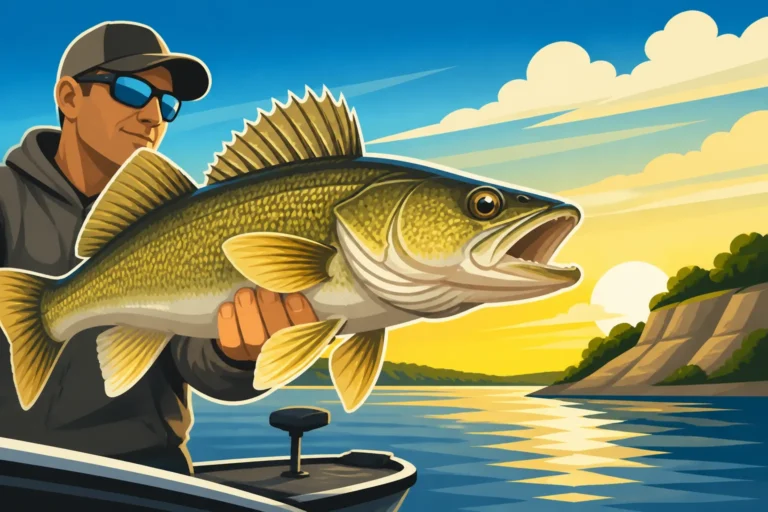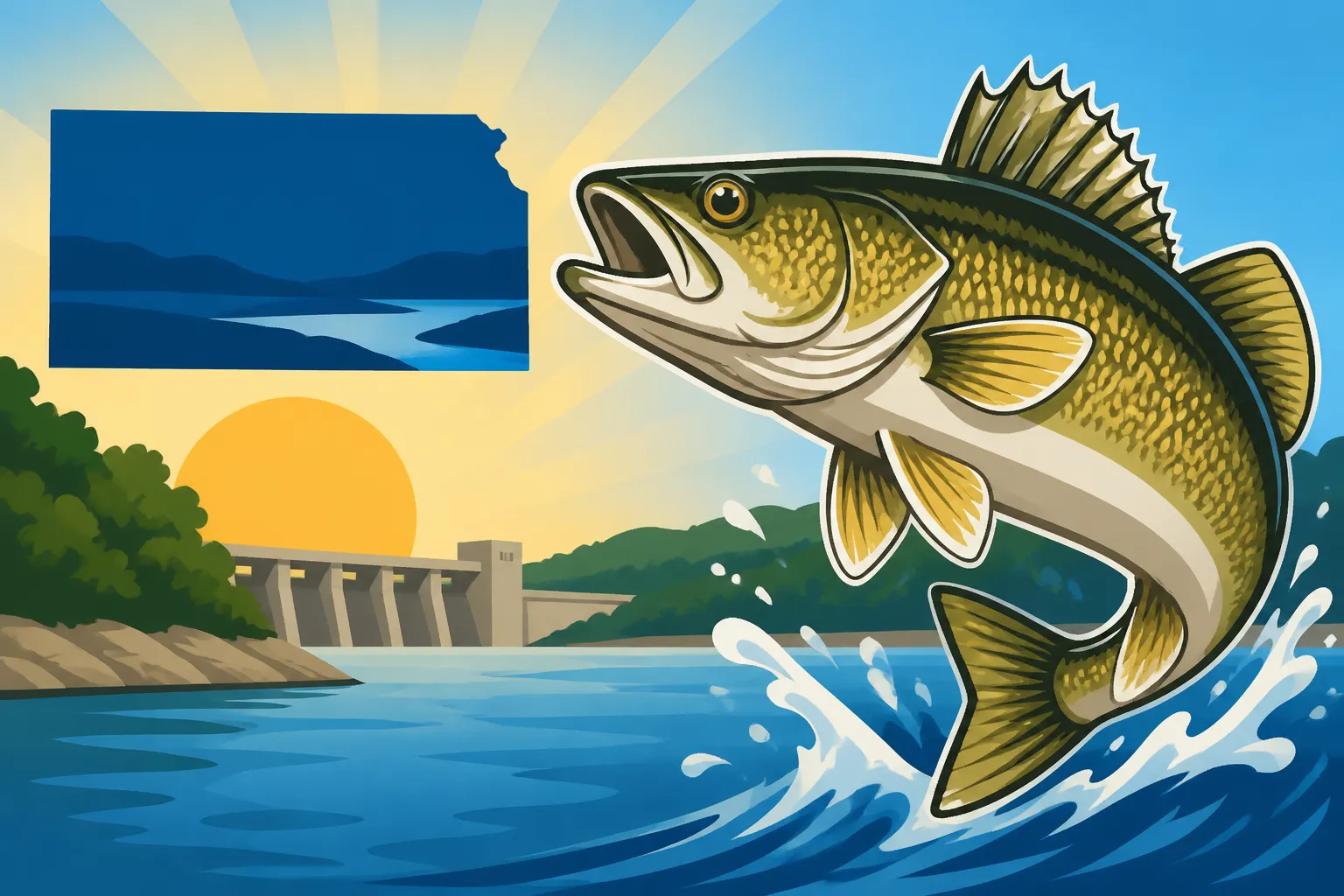
Clinton Lake Walleye Fishing Report
Trying to pin down reliable, up-to-date information on where the walleye are biting at Clinton Lake can feel like chasing a ghost sometimes, especially with conditions changing constantly. It's frustrating to drive all that way, launch the boat, and then spend hours guessing. This comprehensive guide is here to cut through the confusion, offering you the current insights and tried-and-true strategies to help you connect with those elusive Clinton Lake walleye, no matter the season.
Understanding Clinton Lake for Walleye Fishing
Clinton Lake, nestled near Lawrence, Kansas, is a truly remarkable fishery, especially if you're targeting walleye. It's not just a big body of water; it's a diverse ecosystem that offers unique challenges and incredible rewards for anglers willing to learn its secrets. Unlike some other Kansas reservoirs, Clinton boasts a good mix of deep-water structure, submerged timber, rocky points, and expansive flats, all of which create ideal habitats for walleye throughout the year.
Lake Characteristics and Walleye Habitat
Clinton Lake spans over 7,000 acres, and its irregular shoreline means there's a huge variety of underwater terrain for walleye to utilize. The lake's depths can reach over 50 feet in some areas, particularly near the dam and old creek channels. This provides vital cool-water refuge for walleye during the scorching Kansas summers. You'll find extensive areas of standing timber, especially in the upper reaches of the lake and in tributaries like the Wakarusa River arm. This timber isn't just a snag hazard; it's a crucial hiding spot for walleye, offering ambush points for their prey and protection from direct sunlight.
Rocky points and humps are also abundant throughout Clinton Lake. These features act as natural current breaks and staging areas for walleye, especially during feeding periods. Fish will often hold tight to these structures, waiting for baitfish to swim by. Understanding the contours and depths of these points is paramount to consistent success. Additionally, there are vast flats that become important feeding grounds, particularly during low light conditions or when walleye are actively chasing schools of shad. Knowing how to interpret your electronics to find these subtle bottom transitions is a game-changer here.
Kansas Department of Wildlife and Parks Management
The Kansas Department of Wildlife and Parks (KDWP) plays a crucial role in maintaining Clinton Lake's walleye fishery. They regularly conduct stocking programs to supplement natural reproduction and ensure a healthy population. These stockings are essential, especially in lakes where natural spawning success might vary year to year due to water levels or other environmental factors. You can often find detailed stocking reports on the KDWP website, which can give you an idea of year classes and future fishing potential.
Beyond stocking, KDWP also implements specific regulations to protect and enhance the walleye population. These include Kansas Walleye Length Limits and daily creel limits designed to allow fish to reach maturity and contribute to the spawn. It's always a good idea to check the latest Kansas Fishing Regulations Explained before you head out, as rules can occasionally change. Their management efforts are truly a partnership with anglers, ensuring that Clinton Lake remains a top-tier destination for walleye enthusiasts for years to come.
Seasonal Walleye Patterns at Clinton Lake
Walleye behavior changes dramatically with the seasons at Clinton Lake, dictated by water temperature, spawning cycles, and baitfish movements. What works in spring won't necessarily work in summer, and knowing these shifts is the key to unlocking consistent success.
Spring: The Spawn and Post-Spawn Bite
Spring is arguably the most anticipated time for walleye anglers at Clinton Lake. As ice recedes and water temperatures climb into the low to mid-40s, walleye begin their pre-spawn migration towards traditional spawning grounds. These are typically rocky shorelines, rip-rap along the dam, and shallow gravel flats where they can deposit their eggs. During this period, often in late March and April, the fish are aggressive and can be caught relatively shallow. Focus on areas with good rock or gravel bottom, especially those exposed to wind, which helps oxygenate the eggs.
After the spawn, usually when water temperatures reach the upper 40s to low 50s, the walleye enter a post-spawn phase. This can be a bit tougher, as fish are recovering and might be scattered. However, as they regain energy, they'll move to nearby main lake points, submerged humps, and the edges of creek channels to ambush baitfish. Fishing slowly with jigs and live bait (like minnows or nightcrawlers) can be very effective during this recovery period. Don't be afraid to target slightly deeper water adjacent to those spawning areas, as the fish won't move far initially.
Summer: Deep Water and Low Light Tactics
When the Kansas summer truly kicks in, and water temperatures soar into the 70s and beyond, Clinton Lake walleye retreat to deeper, cooler water. This is when your electronics become your best friend. Look for them holding on main lake humps, deep points, creek channel edges, and submerged timber, often at depths of 20 to 35 feet or even deeper. They'll relate to structure that offers both cover and access to cool water and baitfish. During the brightest parts of the day, they'll typically be tucked tight to the bottom or suspended just above bait schools.
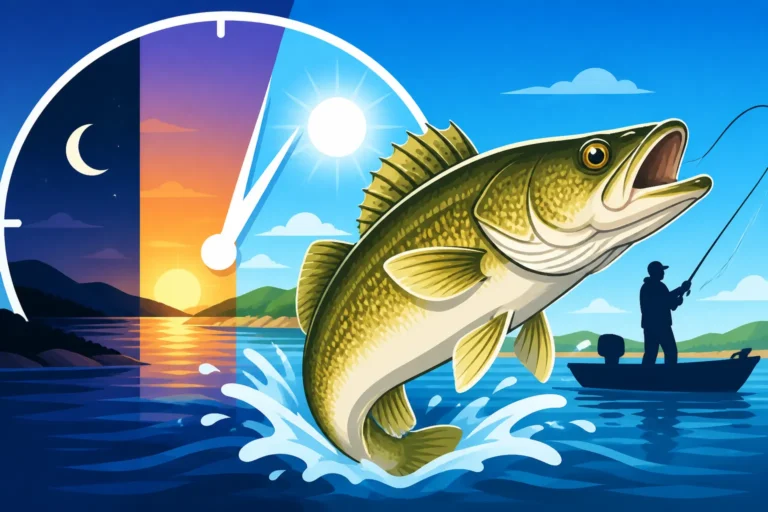
Summer also brings excellent opportunities for night fishing. Walleye are highly light-sensitive, and under the cover of darkness, they'll move shallower to feed. Targeting rocky points, rip-rap, and shallow flats in 5-15 feet of water after sunset can be incredibly productive. Trolling crankbaits or casting stickbaits that imitate shad are excellent choices. Many anglers use illuminated bobbers with a live nightcrawler or minnow for a more static presentation. This seasonal shift is a perfect example of how the Kansas Fishing Seasons Guide influences tactics.
Fall: The Feeding Frenzy
As water temperatures begin to drop in late September and October, Clinton Lake walleye enter a major feeding period. They know winter is coming and they need to bulk up. This often means they become more aggressive and predictable. You'll find them moving shallower than in summer, often in 10-25 feet of water, concentrating on main lake points, channel swings, and large flats where baitfish are abundant. The fall bite can be one of the best times to catch larger, heavier walleye.
Trolling crankbaits at various depths, jigging spoons, or using bottom bouncers with spinner rigs are all highly effective strategies. Watch your fish finder for schools of shad, as walleye will often be nearby. The key is to cover water and find those active schools. As the season progresses into late fall, the fish might start moving towards deeper wintering holes, but they'll still be actively feeding. This aggressive feeding behavior makes fall a favored time for many experienced walleye anglers on Clinton.
Winter: Ice Fishing and Deep Water Patterns
While not as widely known for it as some northern states, Clinton Lake can offer fantastic ice fishing opportunities for walleye when conditions allow for safe ice. Once the lake freezes over, walleye will often congregate in deeper basins, along channel edges, and near submerged humps, often in 20-40 feet of water. They become less active but will still strike a well-presented bait. Using small spoons, jigs tipped with minnow heads, or dead sticking a live shiner or chub can be very effective.
Safety is, of course, paramount when ice fishing. Always check ice thickness and conditions before venturing out. Even when not ice fishing, for those hardy souls who brave the cold open water, walleye can still be caught in deep-water wintering areas. Vertical jigging spoons or blade baits directly over fish you mark on your electronics can produce results, though the bite will be subtle. Learning about Kansas Ice Fishing Guide can certainly help you stay safe and productive during this chilly season.
Top Techniques and Baits for Clinton Lake Walleye
Successfully catching walleye at Clinton Lake often comes down to matching the right technique with the current conditions and understanding what the fish are keying in on. It's not just about throwing a line in the water; it's about presentation and lure selection.
Trolling with Crankbaits and Crawler Harnesses
Trolling is a cornerstone technique for walleye fishing on large reservoirs like Clinton Lake, especially during the summer and fall months. It allows you to cover vast amounts of water, locate active fish, and present baits at precise depths. Crankbaits, especially those designed to dive to specific depths, are incredibly effective. Colors can vary, but natural shad patterns, chartreuse, and perch imitations are often strong producers. Experiment with different speeds and depths until you find what the walleye prefer on any given day. You'll want to choose a crankbait that can reach the depth where the fish are holding, whether that's 10 feet or 30 feet.
| Crankbait Type | Target Depth (Approx.) | Common Applications | Best Conditions |
|---|---|---|---|
| Shallow Divers | 0-10 ft | Night fishing, early morning, post-spawn | Low light, shallow structure |
| Medium Divers | 10-20 ft | Main lake points, humps, flats | Day fishing, active schools |
| Deep Divers | 20-35+ ft | Deep structure, summer thermocline | Mid-day, hot weather |
Crawler harnesses, often fished behind bottom bouncers, are another killer trolling setup. These rigs consist of a weight (the bottom bouncer) that keeps your bait near the lakebed, followed by a spinner blade and hooks baited with a live nightcrawler. The spinner creates flash and vibration, attracting walleye, while the nightcrawler provides natural scent and action. This setup is particularly lethal when walleye are scattered or holding tight to the bottom, and it's a fantastic way to cover transition areas, like where a flat drops into a channel. Remember that Trolling for Walleye on Kansas Reservoirs requires patience and observation.
Jigging with Live Bait and Artificial Lures
Jigging is a more active, hands-on approach that excels when walleye are concentrated in specific areas, such as a hump, a point, or a stand of submerged timber. A simple jig head tipped with a live minnow, nightcrawler, or even a piece of cut bait can be irresistible. The key is to present the bait vertically, directly over or slightly ahead of the fish you're marking on your fish finder. A lift-and-drop motion, or a slow retrieve with subtle twitches, often triggers bites.
Beyond live bait, a variety of artificial jigs can be highly effective. Blade baits, like the Johnson Thinfisher or the Silver Buddy, are excellent for vertical jigging, especially in colder water or when fish are lethargic. Their vibration and flash often provoke a reaction strike. Soft plastic swimbaits, rigged on a jig head, can also be deadly, mimicking baitfish perfectly. Colors like white, chartreuse, and shad patterns are perennial favorites. The retrieve for artificials might involve a more aggressive rip-and-fall, or a slow, steady retrieve with pauses. This technique is often detailed in guides like Jigging Techniques for Kansas Crappie, but the principles apply across species.
Electronics and Water Clarity Considerations
In a lake like Clinton, your fish finder isn't just a luxury; it's an essential tool. Learning to read your sonar to identify baitfish schools, individual walleye holding on structure, and the contours of the lakebed is critical. Look for subtle humps, rock piles, and channel edges that might not be obvious from the surface. Down imaging and side imaging technologies can further enhance your ability to interpret the underwater landscape, allowing you to pinpoint fish-holding structure with incredible precision. Don't be afraid to slow down and really study what your electronics are telling you.
Water clarity also plays a significant role in walleye behavior and your lure choices. Clinton Lake's clarity can vary from stained to moderately clear, depending on rainfall and time of year. In clearer water, walleye tend to be more wary, often holding deeper or in denser cover. Lure colors should be more natural, and you might need to use lighter lines and longer leaders. In stained or muddy water, walleye will often move shallower, and brighter, more vibrant lure colors (like chartreuse, orange, or firetiger) that create a strong silhouette and vibration become more effective. Pay attention to the water you're fishing and adjust accordingly; it can make all the difference.
Navigating Challenges and Boosting Your Success
Fishing Clinton Lake for walleye isn't always a walk in the park. Like any large reservoir, it presents its own set of challenges, from unpredictable weather to navigating vast expanses of water. But with a little preparation and the right mindset, you can overcome these hurdles and significantly boost your chances of a successful outing.
Dealing with Weather and Wind
Kansas weather is notoriously fickle, and Clinton Lake is no exception. Strong winds can whip up quickly, turning calm waters into choppy messes, making boat control difficult and sometimes even unsafe. Always check the forecast before you go, and be prepared for sudden changes. If high winds are predicted, consider targeting more protected coves or fishing areas that run parallel to the wind, which can make boat positioning easier. Sometimes, a strong wind can actually trigger a walleye bite by pushing baitfish into concentrated areas, so don't completely write off windy days. Just make sure your boat is capable of handling the conditions, and always wear your life jacket.
Rain, lightning, and extreme heat or cold also influence fishing. Walleye often become more active before a cold front moves in, as barometric pressure drops. During and immediately after heavy rain, the water might become stained, pushing walleye shallower or closer to current breaks. In extreme heat, focus on deep water and low-light periods, as discussed earlier. Conversely, in bitter cold, the bite will be subtle, requiring patience and slow presentations. Staying flexible and adapting your approach based on the weather is a hallmark of a successful Clinton Lake walleye angler.
Finding Subtle Structure and Fish Concentrations
Clinton Lake has a lot of excellent structure, but it also has vast areas of relatively featureless bottom. The challenge lies in finding those subtle transitions, the small rock piles, the faint channel bends, or the isolated timber clumps that attract and hold walleye. This is where diligent use of your electronics, combined with a good understanding of contour maps, comes into play. Don't just motor around; actively search. Mark waypoints on anything that looks promising, and then investigate those areas thoroughly.
Walleye are often ambush predators, so they'll relate to structure that allows them to hide and dart out to feed. Think about how baitfish would move through an area and where a walleye would position itself for an easy meal. This often means the edges of structures rather than the very top, or areas where depth changes rapidly. Sometimes, a productive spot might only be the size of your boat. When you find one walleye, there's a good chance there are more nearby, so work the area thoroughly before moving on. For those new to navigating these vast waters, considering a guided trip through a service like FishingBooker could be invaluable, as local guides know these spots intimately.
Importance of a Kansas Fishing License
Before you even think about dropping a line in Clinton Lake, or any public water in Kansas for that matter, you absolutely need a valid Kansas fishing license. It's not just a formality; it's a legal requirement and an important contribution to the conservation efforts that keep fisheries like Clinton Lake thriving. Fishing without one can lead to fines and other penalties, which no one wants on their fishing trip.
Getting your license is easy and convenient. You can purchase one online through the KDWP website, at various retail locations like sporting goods stores and bait shops, or even by phone. Make sure to understand the different types of licenses available, such as annual resident or non-resident options, and if any additional permits (like a trout permit, though not typically for walleye) are needed for other species you might target. Having your Kansas Fishing License Guide handy will help clarify any questions you might have. Always carry your license with you when fishing, whether it's a physical copy or a digital one on your phone.
Leveraging Local Knowledge and Resources
One of the best ways to shorten the learning curve at Clinton Lake is to tap into local knowledge. This can come from a variety of sources. Strike up conversations with anglers at the boat ramp, visit local bait and tackle shops in Lawrence or Topeka, or even join online fishing forums dedicated to Kansas fishing. People are often more willing to share general patterns and tips than specific GPS coordinates, but even that general information can be incredibly helpful. You might learn about a recent hot bait, a general depth range, or a particular section of the lake that's been producing.
Another fantastic resource, especially if you're serious about learning the lake, is to hire a professional fishing guide. Guides who specialize in Clinton Lake walleye will have years of experience, up-to-date knowledge of current patterns, and all the right gear. They can teach you specific techniques, show you productive spots, and help you interpret your electronics. Services like FishingBooker can help you find reputable guides in the area who can put you on the fish and accelerate your learning process. A single guided trip can teach you more than weeks of trial and error on your own, turning frustration into fish-catching confidence.
Disclaimer
Please remember that fishing conditions, regulations, and fish behavior are subject to change. Always consult the latest official Kansas Department of Wildlife and Parks regulations before heading out. This guide is for informational purposes only and does not constitute legal advice.