Best Kansas Lake for Beginners
Starting your fishing journey in Kansas can feel a bit overwhelming, right? You look at all those vast lakes and rivers, and it’s hard to know where to even wet a line without feeling like you’re doing something wrong or just wasting your time. Don't worry, every seasoned angler started somewhere. This guide is here to cut through the confusion and point you directly to the best Kansas lakes for beginners, ensuring your first experiences are fun, successful, and inspire a lifelong love for the sport.
Understanding What Makes a Lake Beginner-Friendly in Kansas
When you're just starting out, the last thing you need is to be dropped into a complex fishing environment. Kansas has an incredible variety of waters, from massive reservoirs to small, tranquil ponds. For newcomers, however, certain characteristics make a particular lake far more inviting and conducive to a positive first experience. It's about setting yourself up for success and minimizing potential frustrations.
Easy Access and Abundant Amenities
A truly beginner-friendly lake takes away many of the logistical hurdles that can discourage new anglers. Think about it: fumbling with gear, trying to navigate unfamiliar terrain, or desperately searching for a restroom can quickly overshadow the excitement of fishing. Ideal spots for beginners will feature paved roads leading right to the water's edge, ample and clearly marked parking, and well-maintained bank access. This means you won’t have to bushwhack through thick brush just to cast a line, which can be a real pain, especially if you’re bringing kids along or managing a lot of equipment.
Beyond just getting to the water, having convenient amenities nearby is a huge plus. We're talking about things like clean public restrooms, designated picnic areas where you can take a break, and even accessible fishing piers. These piers are fantastic because they often put you over productive water without the need for a boat or long casts, and they provide a stable, safe platform for learning casting techniques. Some of the best spots even have bait shops or convenience stores within a short drive, so if you forget something crucial, it’s not the end of your trip. This kind of infrastructure dramatically reduces stress and allows you to focus on the act of fishing itself.
Abundant and Cooperative Fish Species
No one wants to stare at an unmoving bobber for hours on their first fishing trip. A beginner-friendly lake needs to have a healthy population of fish that are relatively easy and willing to bite. You're not looking for trophy fish right away; you're looking for action. This is where species like bluegill, sunfish, and smaller channel catfish really shine. These panfish are often aggressive eaters, found in large numbers, and don't require highly specialized techniques or expensive gear to catch. They're the perfect "confidence builders" that teach you how to feel a bite, set the hook, and reel in a fish.
Crappie are another excellent option, particularly if you find them schooling near structure like submerged timber or brush piles, which often happens in many Kansas lakes. The thrill of catching several fish in a short amount of time can be incredibly addictive and is exactly what keeps new anglers coming back. Plus, these species are often found closer to shore, making them accessible to those fishing from the bank or a pier. Knowing there's a good chance of a tug on your line makes the entire experience much more enjoyable and less about hoping for a rare catch. You'll want to check out our Kansas Panfish Guide for more details on these fun-to-catch species.
Calm Waters and Safe Environments
For someone new to fishing, dealing with heavy boat traffic, strong currents, or unexpected wind gusts can be intimidating and even dangerous. Smaller lakes, especially those designated as Community Fishing Lakes (CFLs) or State Fishing Lakes (SFLs), typically offer much calmer and more predictable conditions. These waters often have restrictions on boat size or speed, or are simply too small to attract large, fast-moving vessels, creating a peaceful environment where you can learn without distraction.
Safety is paramount, especially if you’re fishing with children. A gentle, sloping bank is much safer than a steep drop-off. Clearly marked boundaries, ample lighting if you're out near dusk, and visible park rangers or caretakers can also add a layer of comfort. The idea is to have a space where you feel secure and can concentrate on the basics of casting, retrieving, and handling fish, rather than constantly worrying about your surroundings or navigating difficult conditions. These calm, controlled environments allow beginners to build confidence both in their fishing skills and their comfort level around the water. Remember, wearing a life jacket is always a good idea, even for bank fishing, especially with kids. Our Kansas Life Jacket and Boating Safety Guide can provide essential safety tips.
Top Kansas Lakes for Novice Anglers
Based on these criteria, Kansas offers several fantastic options for beginners. These locations minimize complexity and maximize your chances of a positive, memorable fishing experience.
Kansas Community Fishing Lakes (CFLs)
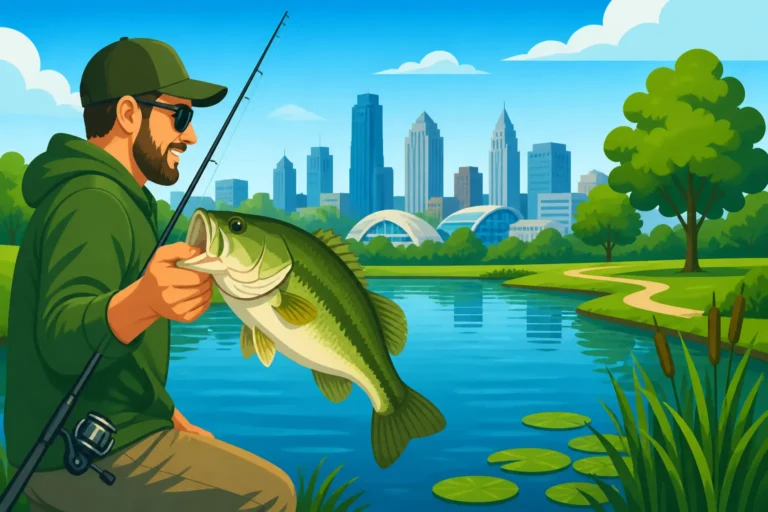
When it comes to beginner-friendly fishing, the Kansas Community Fishing Lakes (CFLs) program is an absolute gem. These are often smaller impoundments, frequently located within or very close to urban and suburban areas, making them incredibly convenient to access for a quick outing after work or on a weekend morning. The Kansas Department of Wildlife, Parks and Tourism (KDWP) actively manages these lakes to ensure good fishing opportunities, often stocking them regularly with popular species. This proactive management means higher catch rates, which is crucial for keeping new anglers engaged.
Lakes like Lake Shawnee in Topeka, Olathe Lake in Olathe, and Stone Lake near Wichita are prime examples. They boast numerous easy-access points, often including handicap-accessible fishing piers, paved parking lots, and nearby restrooms. You'll find a healthy mix of species here, including panfish like bluegill and crappie, as well as plenty of channel catfish. During cooler months, many CFLs are also stocked with rainbow trout, offering another exciting opportunity for beginners (though a Kansas Trout Permit Guide is typically required for trout). These lakes often have special regulations, so always check the Kansas Community Fishing Lake Rules before you go. The smaller size also means less wind exposure and significantly less boat traffic, creating a calm and safe environment perfect for learning the ropes of fishing.
Kansas State Fishing Lakes (SFLs)
Stepping slightly away from the urban bustle, Kansas State Fishing Lakes (SFLs) offer another excellent category for beginners. While sometimes a bit more rural than CFLs, they share many of the same advantages: they are managed by the KDWP for public fishing, generally have good access, and are often stocked to maintain healthy fish populations. They tend to be a bit larger than CFLs, but still smaller and more manageable than the vast reservoirs. This often translates to a more peaceful fishing experience with fewer crowds.
Consider places like Leavenworth State Fishing Lake or Butler State Fishing Lake. These lakes typically provide ample bank fishing opportunities and often have basic amenities like boat ramps (for smaller boats, usually electric motor only), picnic tables, and vault toilets. You'll find a similar array of beginner-friendly species—channel catfish, crappie, and bluegill are staples. The slightly larger size can sometimes hold bigger fish than a typical CFL, offering a potential step up without jumping into a huge reservoir. They're fantastic for those who want a bit more tranquility than an urban lake but still desire a straightforward, productive fishing experience. Make sure to consult the Kansas Fishing Regulations Explained for specific rules that might apply to SFLs.
Accessible Coves on Larger Kansas Reservoirs
While the giant Kansas reservoirs can seem daunting for beginners, many of them contain sheltered coves within state parks or recreation areas that offer surprisingly beginner-friendly fishing. These coves provide the benefits of a large lake's fish diversity and potential for bigger catches, but in a more protected, accessible setting. The key here is to stick to the developed areas with amenities.
For example, at Milford Lake, which is Kansas's largest lake, the many coves within Milford State Park offer excellent bank access and fishing opportunities. Similarly, Cheney State Park on Cheney Reservoir provides numerous accessible points. These areas typically have fishing piers, boat ramps, campgrounds, and restrooms, making them comfortable bases for a day of fishing. You might still encounter some boat traffic on the main lake, but within the coves, the waters are usually calmer. Species like white bass, crappie, and channel catfish can be found in these areas, often schooling up during certain seasons. If you're feeling adventurous and want a taste of a bigger lake without diving into the deep end, these state park coves are a great compromise. To make your planning easier, you can even explore guided trips with experienced local anglers on platforms like FishingBooker, who can point you to the best beginner-friendly coves. Remember, a Kansas State Park Fishing Permit Rules might apply to some areas within state parks.
Essential Tips for Your First Kansas Fishing Adventure
You've picked your beginner-friendly lake, now what? Getting started can feel like a lot to learn, but by focusing on a few key areas, you'll be well on your way to enjoying your time on the water. Don't let the sheer volume of gear or techniques intimidate you; simplicity is your friend when you're just getting started.
Simple Gear and Bait Choices
The biggest mistake new anglers make is thinking they need all the latest, most expensive gear. You absolutely do not. For your first few trips, a basic spin-cast rod and reel combo is perfect. These are incredibly easy to use, making casting straightforward, and they're durable enough to handle the inevitable bumps and drops. Look for a medium-light or medium action rod, about 5 to 6 feet long, which is versatile enough for panfish and smaller catfish. A 6-pound test monofilament line is a great all-around choice. This simple setup will be perfectly adequate for catching the majority of beginner-friendly species in Kansas. Our Best Rod and Reel Combo for Catfish article can give you a solid starting point for a versatile setup.
As for bait, keep it classic and effective. Live worms (like nightcrawlers or red wigglers) are universal fish magnets and work wonders for bluegill, crappie, and channel catfish. Corn is another surprisingly effective bait, especially for panfish. For channel catfish, stink bait or cut bait can be incredibly potent. A small hook (size 6 or 8 for panfish, size 4 or 2 for catfish), a few split-shot weights to get your bait down, and a bobber to signal bites are all you truly need. Forget the complicated lures for now; focus on what works and what's easy to manage. You can explore more options in our Best Bait for Kansas Catfish guide later, but for now, simple is best.
| Fish Species | Beginner-Friendly Baits | Hook Size (Approx.) | Where to Find Them (General) |
|---|---|---|---|
| Bluegill/Sunfish | Worms, small pieces of hot dog, corn, tiny jigs | #8 to #12 | Shallow, vegetated areas, near docks/piers |
| Channel Catfish | Worms, cut bait, stink bait, shrimp, chicken livers | #2 to #6 | Bottom of deeper holes, creek channels, near structure |
| Crappie | Small minnows, jigs (white, chartreuse), worms | #6 to #8 | Submerged timber, brush piles, bridge pilings, deeper cover |
| Rainbow Trout | PowerBait (corn, garlic scents), worms, small spinners | #8 to #12 | Stocked lakes, colder water, near aeration points |
Understanding Basic Regulations
While the thought of regulations might seem intimidating, it's absolutely crucial for responsible and legal fishing. The most important thing to know is that anyone 16 years of age or older needs a valid Kansas fishing license. This is non-negotiable, and fishing without one can lead to fines. You can easily purchase a license online through the KDWP website or at many bait shops and sporting goods stores. Check out our guide on Where to Buy a Kansas Fishing License for convenient options.
Beyond the license, familiarize yourself with basic length and creel limits for the species you're targeting. These limits are in place to help manage fish populations and ensure healthy fisheries for everyone. For example, knowing the Kansas Channel Catfish Daily Limit or if there are any length restrictions on crappie in your chosen lake is vital. The KDWP publishes an annual fishing regulations summary that outlines all the rules. It's available online and usually at license vendors. You don't need to memorize every single rule right away, but understanding the basics for your target species in your specific lake will save you a lot of trouble and contribute to conservation efforts. If you're ever unsure, don't hesitate to ask a local bait shop owner or consult a guide through a service like FishingBooker.
Patience, Observation, and Fun
Perhaps the most important "gear" for a beginner is patience. Fishing isn't always about constant action; sometimes it's about enjoying the peace and quiet of nature. Don't get discouraged if you don't catch a fish right away. Every angler, no matter how experienced, has slow days. Use this time to observe your surroundings: watch for birds, see how the wind affects the water, or simply appreciate being outdoors.
Observation is also a powerful learning tool. Pay attention to other anglers who are catching fish – what kind of gear are they using? Where are they casting? Are they fishing deep or shallow? Sometimes, just watching can give you valuable clues. Notice changes in the water, like ripples from a fish or insects buzzing around. And most importantly, remember to have fun! Fishing should be an enjoyable escape, a chance to relax and connect with nature. Celebrate every bite, even if it's just a small bluegill. These early experiences are about building a positive relationship with the sport, so keep a positive attitude, and the fish will eventually come. For a broader overview of when different species are most active, take a look at our Kansas Fishing Seasons Guide.
Graduating to More Advanced Kansas Waters
Once you've gained confidence in the calm, managed waters of CFLs and SFLs, you'll naturally start to look for new challenges and bigger fish. Kansas offers an incredible array of fishing opportunities for anglers ready to expand their horizons. The transition involves exploring larger bodies of water, targeting different species, and perhaps even trying new techniques.
Exploring Larger Reservoirs and Diverse Species
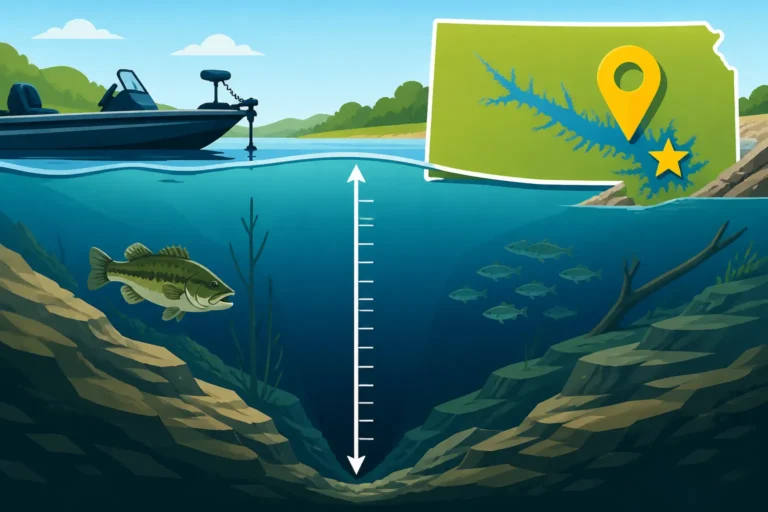
The next logical step after mastering the basics in smaller lakes is to venture out onto Kansas's major reservoirs. Lakes like Milford, Cheney, Wilson, and Tuttle Creek offer vast expanses of water and a much greater diversity of fish species. Here, you can start targeting more elusive fish like walleye, hybrid striped bass (wipers), and even trophy-sized blue catfish. These larger bodies of water present different challenges, such as understanding vast underwater structures, dealing with wind and waves, and often requiring more specialized equipment or techniques.
However, the rewards can be immense. Imagine the thrill of hooking into a hard-fighting wiper or a massive blue cat! Each reservoir often has its own reputation for specific species, so you can pick your next adventure based on what you want to catch. For instance, Milford is known for its walleye and crappie, while Cheney is famous for its wipers. Don't be afraid to try new things; this is where the real learning and excitement begin. If you're still a bit hesitant about tackling these bigger waters alone, booking a guided trip with an experienced local guide, easily found through a platform like FishingBooker, can be an invaluable way to learn the ropes of these larger, more complex systems.
Trying New Techniques and Expanding Your Gear
Moving beyond the basics also means delving into a wider array of fishing techniques. You might start experimenting with trolling for walleye, jigging vertically for crappie in deeper water, or even trying topwater lures for largemouth bass around submerged vegetation. Each species and each body of water will often dictate specific methods that are most effective. This is where researching articles like our Kansas Fishing Techniques for Beginners can really help you broaden your skill set.
As your techniques evolve, so too might your gear. You might invest in a dedicated spinning rod for crappie or a baitcasting setup for heavier catfish. Learning to use a fish finder to locate structure and schools of fish can be a game-changer on larger reservoirs. While this might sound like a lot, remember that fishing is a journey, and each new piece of knowledge or gear simply adds another layer of enjoyment to your passion. Take it one step at a time, and never stop learning from every cast and every catch.
Disclaimer
The information provided in this guide is for general informational purposes only and does not constitute legal advice. Fishing regulations in Kansas are subject to change, and it is the angler's responsibility to consult the most current Kansas Department of Wildlife, Parks and Tourism (KDWP) regulations prior to fishing. Always prioritize safety and adhere to all local and state laws.