Best Kansas Lake for Wiper Fishing
There’s nothing quite like the heart-pounding strike of a wiper, especially when you’re out on a beautiful Kansas lake, sun glinting off the water. But if you've ever spent hours cruising the lake, casting endlessly without a single hit, you know the frustration of chasing these elusive, hard-fighting hybrids. Finding the absolute best lake for wiper fishing in Kansas can feel like a secret handshake, but don't worry, this guide is here to break down exactly where these feisty fish thrive and how you can get in on the action.
Why Wipers Are a Top Target for Kansas Anglers
Wipers, those incredible hybrids of striped bass and white bass, are truly in a league of their own when it comes to freshwater fishing in Kansas. They're not just another fish; they're an experience. For many anglers, the pursuit of wipers becomes an obsession, and for good reason. Their unique blend of power and aggression makes them one of the most exciting species you can target in our state's waters.
The Thrill of the Fight
Let's be honest, we all love a good fight, and wipers deliver it in spades. Imagine this: you're reeling in your lure, feeling that familiar rhythm, and then BAM! Your rod is nearly ripped out of your hands. That’s a wiper strike, and it’s electrifying. These fish possess the powerful, sustained runs of their striped bass lineage combined with the aggressive, schooling nature of white bass. They don't just nibble; they attack.
When you hook into a decent-sized wiper, be prepared for a battle. They'll peel line off your reel with incredible speed, make sudden directional changes, and fight all the way to the boat. It’s a full-body workout and a test of your gear and your angling prowess. This sheer strength and relentless determination are precisely why so many Kansas anglers, myself included, dedicate their time and effort to chasing these formidable freshwater fighters. There's a deep satisfaction that comes from landing a hard-won wiper, knowing you've truly earned that catch.
Identifying Wiper Hotspots
Understanding where wipers prefer to hang out is key to finding them, and thankfully, our larger Kansas reservoirs often provide the perfect habitat. These fish are predators, constantly on the hunt for baitfish like shad. This means they tend to congregate in open water, particularly around areas where baitfish schools are abundant or where current creates feeding opportunities. Think main lake points, submerged humps, deep channels, and especially areas near the dam or river inflows.
Wipers are highly migratory and can cover significant distances in search of food. They don't typically hide in thick cover like bass; instead, they roam. This makes them challenging to pinpoint but incredibly rewarding when you do. Paying attention to bird activity, especially gulls diving, can often tip you off to schooling baitfish being pushed to the surface by hungry wipers. Knowing your Kansas Hybrid Striped Bass Identification and recognizing the subtle differences from their Kansas White Bass Identification cousins will also help you understand their behaviors and preferred haunts, ultimately leading you to more success on the water.
The Reigning Champions: Top Kansas Lakes for Wiper Fishing
Now, for the moment you've been waiting for! While many Kansas reservoirs hold wipers, a few truly stand out as consistent producers of both numbers and trophy-sized fish. These lakes have the ideal combination of expansive open water, robust baitfish populations, and varied structure that wipers love.
Cheney Reservoir: A Wiper Powerhouse
Hands down, if you're serious about wiper fishing in Kansas, Cheney Reservoir should be at the very top of your list. Located southwest of Wichita, this massive body of water is a true wiper factory. Its vast open waters provide ample room for large schools of shad, which in turn support an incredibly healthy and aggressive wiper population. Anglers consistently report fantastic action here, often encountering wipers that push the scales.
What makes Cheney so special? Beyond the abundant baitfish, the lake offers a diverse underwater topography with plenty of humps, submerged roadbeds, and main lake points that act as natural ambush spots for wipers. The dam face area, especially, can be a magnet for schooling fish. Many anglers looking to experience Cheney's incredible wiper action often consult guide services found on platforms like FishingBooker to maximize their chances. These local experts have the intimate knowledge of the lake's ever-changing patterns, making a guided trip a smart investment for a memorable day on the water. For an even deeper dive, check out our Cheney Reservoir Fishing Guide which details many other species thriving here, including their famous walleye, but the wipers truly shine. The dedicated Cheney Reservoir Wiper Fishing article also provides more targeted tips for this specific lake.
El Dorado Lake: Trophy Wiper Potential
Further east, El Dorado Lake near Augusta holds a well-deserved reputation for producing some truly monstrous wipers. While Cheney might offer higher numbers at times, El Dorado is where you go when you're dreaming of that personal best. The lake's robust forage base allows wipers here to grow to impressive sizes, offering an even more challenging and exhilarating fight. It’s a truly diverse fishery, but the wipers are definitely a highlight.
El Dorado features expansive flats, deep channels, and numerous submerged structures that big wipers utilize. Anglers often focus on areas around the dam, the river channel, and main lake points where baitfish are concentrated. Targeting these larger wipers often means adjusting your tackle and techniques, but the reward of landing a 10-pound-plus wiper from El Dorado is unparalleled. This lake is also known for its El Dorado Lake Striped Bass Fishing, and since wipers share many characteristics with their striped bass parents, the techniques often overlap, leading to success with both.
Wilson Lake: A Western Kansas Gem
Venturing into western Kansas, Wilson Lake stands out as another fantastic destination for wiper enthusiasts. Known for its incredibly clear water and stunning scenery, Wilson provides a different, yet equally exciting, wiper fishing experience. The clear water here means wipers often rely more on sight, making lure selection and presentation even more critical. However, when you find them, the action can be explosive.
Wilson Lake's rugged shoreline and deep, rocky structure provide excellent habitat for both baitfish and the predators that chase them. Main lake points, submerged islands, and areas where creek channels meet the main lake are prime locations. Due to the clarity, early mornings and late evenings, or even overcast days, can be particularly productive. For a comprehensive overview of this beautiful fishery, our Wilson Lake Fishing Guide offers insights into targeting all the game fish here, including its strong wiper population.
Clinton Lake: Eastern Kansas Accessibility
For anglers closer to the Topeka and Kansas City areas, Clinton Lake offers a convenient and productive option for wiper fishing. While perhaps not as renowned for trophy wipers as El Dorado or Cheney, Clinton consistently produces good numbers of healthy fish, making it a fantastic choice for a day trip or a weekend getaway. Its accessibility and consistent action mean more time fishing and less time driving.
Clinton Lake boasts diverse habitat, including standing timber, submerged creek channels, and expansive flats where wipers chase shad. The open water areas, especially in the main lake basin, are prime cruising grounds for schooling wipers. Pay attention to your electronics, looking for baitfish schools and arcs of larger fish just below them. Our Clinton Lake Fishing Spots article can provide even more detail on finding the best locations, whether you’re targeting wipers or other popular species in this thriving eastern Kansas fishery.
Here's a quick overview of these top wiper lakes:
| Lake Name | Primary Region | Wiper Reputation | Key Features for Wipers | Forage Base | Notes |
|---|---|---|---|---|---|
| Cheney Reservoir | South Central | Numbers & Size | Vast open water, diverse structure, dam | Shad | Consistent, high action |
| El Dorado Lake | East Central | Trophy Potential | Deep channels, extensive flats, dam | Shad | Known for larger, heavier wipers |
| Wilson Lake | Western | Clear Water Action | Rocky points, submerged islands, clear water | Shad | Sight fishing, scenic location |
| Clinton Lake | Eastern | Consistent Action | Standing timber, creek channels, accessible | Shad | Great for regular trips, good numbers |
Strategies for Success: Catching Wipers in Kansas
Catching wipers isn't just about showing up at the right lake; it's about understanding their behavior, knowing when and how to present your lures, and having the right gear. These fish are opportunists, but they can also be finicky, so having a solid strategy in place will drastically improve your chances.
Prime Seasons and Conditions
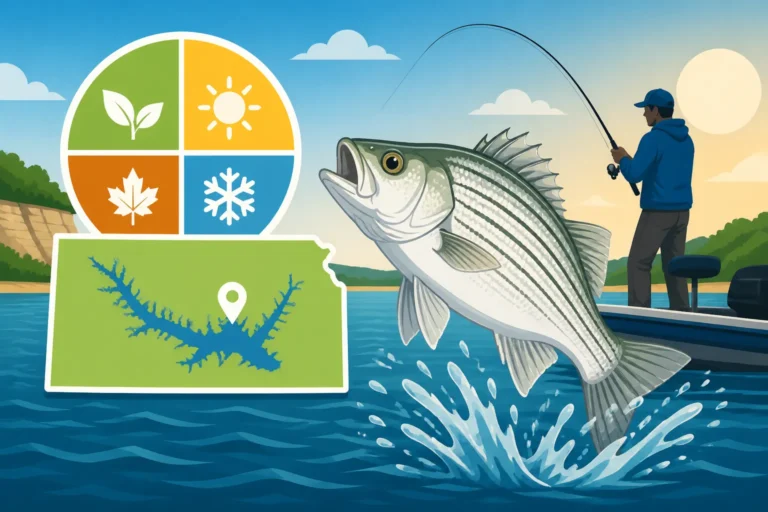
Wiper fishing in Kansas can be excellent throughout much of the year, but certain seasons and conditions definitely stand out. Spring, particularly April and May, is a fantastic time. As water temperatures rise, wipers become very active, feeding heavily and exhibiting "spawning run" behaviors up major tributaries, similar to their white bass relatives. This can create incredible opportunities for both boat and bank anglers.
During the summer, especially as temperatures peak, wipers often move to deeper, cooler water during the day but become extremely aggressive during low-light hours. Early mornings, late evenings, and even night fishing can be incredibly productive, especially with topwater lures when they're smashing shad on the surface. As fall approaches, wipers enter another major feeding frenzy, bulking up for winter. This is a prime time for targeting schools of actively feeding fish. Understanding these seasonal shifts and their impact on fish behavior, as detailed in our comprehensive Kansas Fishing Seasons Guide, is crucial for consistent success. Our Kansas Wiper Fishing Techniques article offers even more specific guidance.
Go-To Gear and Techniques
When it comes to gear, remember that wipers fight hard, so you'll want tackle that can stand up to the challenge. A medium-heavy to heavy action spinning or casting rod, around 7 to 7.5 feet long, paired with a reel spooled with 15-20 lb braided line and a fluorocarbon leader, is a great starting point. You need backbone to handle those powerful runs and stout hooks to keep them pinned. If you're looking for recommendations, many of the setups we discuss for Best Rod and Reel Combo for Walleye can often be adapted for wipers, as they require similar power and sensitivity.
As for techniques, trolling is incredibly effective, especially when wipers are scattered or holding deep. Crankbaits like Bandits, Berkley Flicker Shads, or custom painted lures that dive to the fish's depth can be deadly. Lipless crankbaits, like a silver or chrome Rat-L-Trap, are also fantastic, whether cast or trolled. When you find schooling fish, casting spoons, heavy jigs with soft plastic trailers (like Sassy Shads or Swim-N-Shiners), or topwater plugs (during low-light conditions) can lead to non-stop action. The key is often matching the hatch – finding out what baitfish the wipers are feeding on and imitating that size and color. Our article on the Best Lures for Hybrid Striped Bass offers a deeper dive into effective presentations. If you’re really serious about learning the ropes, consider hiring a local guide through platforms like FishingBooker; they can teach you invaluable techniques specific to the local waters.
Planning Your Wiper Adventure
A successful fishing trip, especially for an exciting species like wipers, often comes down to good planning. Beyond knowing where the fish are, you need to understand the rules and logistics to ensure a smooth and enjoyable experience.
Essential Licenses and Regulations
First and foremost, you absolutely need a valid Kansas fishing license. There’s no getting around it, and getting caught without one can lead to fines and a ruined day. The good news is, getting a license is straightforward, and we've got you covered with our detailed Kansas Fishing License Guide. Remember, your annual license typically expires on December 31st each year, regardless of when you bought it, so always double-check its validity before heading out.
Beyond the license, it’s crucial to understand the specific regulations for wipers in Kansas. While limits can sometimes vary by waterbody or year, generally, the statewide regulation for striped bass and hybrid striped bass (wipers) is a daily creel limit of two fish, with only one of those fish allowed to be over 25 inches in length. This regulation is in place to protect the larger, trophy-sized fish and ensure a healthy population for future angling enjoyment. Always consult the current Kansas Fishing Regulations Summary before you go, which you can find through resources like our Kansas Fishing Regulations Explained article. Ignorance of the rules is never an excuse, so taking a few minutes to review them is time well spent.
Lodging and Guide Services
When planning a multi-day trip to one of these prime wiper lakes, you'll want to think about where to stay. Many of the top wiper lakes, like Cheney and Wilson, are home to fantastic state parks that offer a range of camping options, from primitive sites to full RV hookups and even cabins. These parks often provide easy access to boat ramps, fishing piers, and other amenities, making them ideal bases for your fishing adventures. Checking the specific state park websites for reservations is always a good idea, especially during peak season.
For those who want to maximize their chances, or perhaps learn the ropes from a seasoned pro, consider hiring a fishing guide. A local guide brings invaluable expertise, knowing the lake's current patterns, the best spots for wipers, and the most effective techniques for the day. This can be especially beneficial if you're new to a particular lake or new to wiper fishing altogether. Websites like FishingBooker are an excellent resource for finding reputable Kansas fishing guides who specialize in wipers, allowing you to browse profiles, read reviews, and book directly. Investing in a guide can turn a potentially frustrating trip into a highly successful and educational one, drastically increasing your odds of landing that trophy wiper.
Disclaimer
Please remember that fishing conditions, regulations, and fish populations can change. Always consult the latest Kansas Department of Wildlife, Parks and Tourism (KDWP) regulations before heading out on the water. This guide is for informational purposes only and does not constitute legal advice or guarantee fishing success.