Kansas River Fishing Access Points Near Lawrence
Finding reliable and accessible fishing spots along the sprawling Kansas River, especially near a busy area like Lawrence, can feel like trying to find a needle in a haystack. Many anglers are left frustrated, unsure where to launch a boat, cast a line from the bank, or even what fish species are biting in the "Kaw." This comprehensive guide is here to cut through that confusion, giving you the insider knowledge on the best fishing access points near Lawrence, what you can expect to catch, and how to make your trip a success.
Understanding the Kansas River Fishery Near Lawrence
The Kansas River, affectionately known as the Kaw, is a unique and often overlooked gem in the state's fishing landscape. Unlike the serene, clear waters of many reservoirs, the Kaw offers a wilder, more dynamic fishing experience. Its often turbid waters, strong currents, and ever-changing sandbars present both challenges and incredible opportunities for anglers willing to explore.
What Makes the Kansas River Unique for Anglers?
The Kansas River, running right past Lawrence, is a living, breathing waterway that changes with the seasons and rainfall. It's primarily a warm-water fishery, known more for its robust catfish populations than for typical reservoir dwellers like walleye or crappie, though these can be found in certain areas, especially near dam structures or where tributaries enter. The river’s bottom is a mix of sand, gravel, and submerged timber, creating a complex habitat. After heavy rains, the river can swell and become very muddy, affecting fishing success, but it also flushes out food, often making the fishing incredible once the water starts to drop and clear slightly. The constant current means fish are often structure-oriented, holding behind obstacles or in deeper holes, waiting for food to wash by. It's a different game compared to stillwater fishing, requiring different techniques and a keen eye for subtle changes in the water.
This dynamic environment means that understanding the river's character is crucial. You'll often find yourself adapting to conditions, whether that means moving to a calmer eddy or switching your bait presentation. The river’s wild nature also means less fishing pressure in some areas compared to popular lakes, offering a sense of solitude and discovery. However, it also means fewer developed amenities in many spots, so preparedness is key. If you're used to fishing small ponds or community lakes, the Kaw is a whole new adventure, and knowing how to approach it will greatly enhance your enjoyment and success.
Key Fish Species to Target in the Kaw
When you're fishing the Kansas River near Lawrence, you're primarily hunting for some of the toughest, most hard-fighting fish Kansas has to offer. The reigning kings of the Kaw are undoubtedly the catfish species.
- Channel Catfish: These are the most abundant and widely distributed catfish in the river. They're opportunistic feeders and can be caught almost anywhere, from shallow riffles to deep holes. They put up a fantastic fight and are excellent table fare. You'll often find them congregating in areas with moderate current, especially around fallen trees or rock piles. The river provides an ideal environment for them to thrive, growing to impressive sizes.
- Blue Catfish: While less common than channel cats, blue catfish are present, especially in the deeper, swifter sections of the river. They are notorious for their immense size and incredible strength. Landing a trophy blue cat from the Kaw is a badge of honor for any angler. They prefer live or cut bait and tend to hold in the deepest parts of the channel or below dams where oxygen levels are high. Keep an eye on the specific regulations regarding these giants, as some areas or times might have different limits.
- Flathead Catfish: The true ambush predators of the river, flatheads are found around heavy cover like log jams, undercut banks, and rock formations. They almost exclusively prefer live bait – think smaller bluegill, sunfish, or carp – and are known for their brutal, drag-screaming runs. Catching a large flathead requires patience and heavy-duty gear, but the reward is well worth the effort. The Kansas Flathead Catfish Daily Limit is something every angler should be familiar with before heading out.
- White Bass and Hybrid Stripers (Wipers): During specific times of the year, particularly spring and early summer, white bass make significant runs upriver to spawn. These schooling fish provide fast-paced action and are a blast to catch on light tackle. Wipers, a hybrid cross between white bass and striped bass, are also present and offer a similar, albeit even stronger, fight. Look for them feeding on shad in open water, often indicated by diving birds. The Kansas White Bass Run Timing is a critical piece of information for anglers targeting these species.
- Other Species: While less targeted, you might also encounter carp (common and grass carp), freshwater drum, and various sunfish species. Occasionally, during colder months or near dam structures, walleye or even sauger might be caught, especially if they've migrated up from a reservoir. Some anglers also target paddlefish during specific seasons, often below the larger dams, but this requires specialized snagging gear and a Kansas Paddlefish Snagging Season Dates permit.
Prime Public Access Points for Fishing Near Lawrence
Finding a good spot on the Kansas River is all about knowing where you can safely and legally get to the water. Lawrence offers several excellent options, ranging from urban parks to more remote boat launches.
Popular Bank Fishing Spots
For many anglers, especially those just starting out or without access to a boat, bank fishing is the way to go. Near Lawrence, there are some fantastic spots to cast a line from shore.
- Clinton Lake Outlet Park (Below Clinton Lake Dam): While technically flowing into the Kansas River (via the Wakarusa River), this area is an incredible fishing hotspot just southwest of Lawrence and a crucial tributary to the Kaw. The outflow from Clinton Lake creates a dynamic environment with varying currents and depths, attracting a wide array of fish. It's particularly renowned for its crappie and white bass fishing, especially during their spawning runs. Many anglers also find good success targeting channel catfish and even flatheads in the deeper pools and log jams. The park offers ample parking, paved paths, and relatively easy access to the water's edge. You'll often see families here, making it a great, accessible option. Just be mindful of swiftly changing water levels if the dam's gates are opened.
- Lawrence Riverfront Park: Located right in downtown Lawrence, this park offers excellent river access with paved trails and some designated fishing areas. It's a popular spot for urban anglers, especially for those targeting channel catfish and occasional blue cats. The river bottom here consists of a mix of rock and sand, with some deeper scour holes created by the current. You can cast from the banks, often finding good success with bottom rigs. It’s also a fantastic spot to observe the river and enjoy the city backdrop. While it's convenient, remember it can get busy, so respecting other users is key.
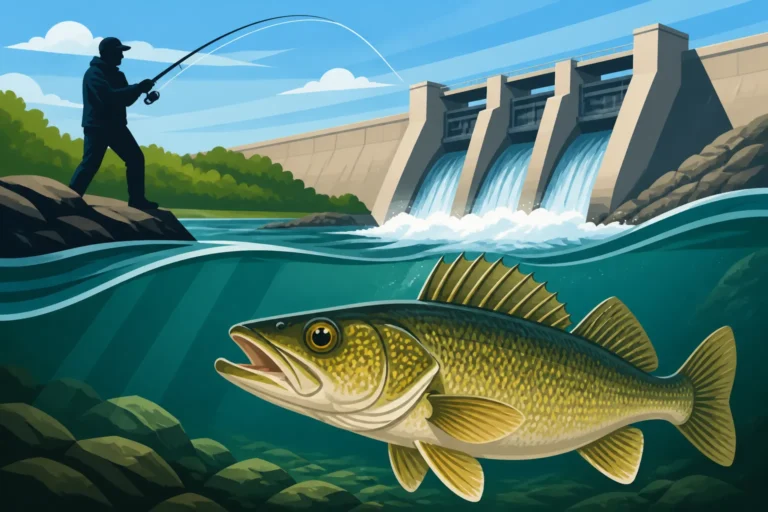
- Bowersock Dam Area (Downtown Lawrence): Downstream from Riverfront Park, the area directly below the historic Bowersock Dam is a perennial hotspot. The turbulent water below the dam churns up baitfish and creates excellent feeding opportunities for larger game fish. This is a prime location for big channel catfish, blue catfish, and even some hefty flatheads. White bass and wipers will also congregate here, especially during spawning runs or when actively feeding. Access can be a bit more challenging and you need to be extremely careful due to strong currents and potential snags. Always observe safety guidelines, and never venture into restricted areas. Fishing from designated access points is usually the safest bet. This is where you'll want heavy tackle and perhaps a Best Rod and Reel Combo for Catfish.
Boat and Kayak Launch Options
For those who want to explore more of the Kaw or reach those elusive mid-river structures, a boat or kayak is essential. Lawrence provides good options for launching.
- Lawrence Riverfront Park Boat Ramp: This public boat ramp is conveniently located within Riverfront Park, making it easy for anglers with trailers to access the river. It's a popular launch point for both powerboats and kayaks, providing direct access to the main channel of the Kansas River. From here, you can motor upstream or downstream, exploring various sandbars, wing dikes, and deeper holes that are inaccessible from shore. The ramp is well-maintained and offers good parking for vehicles with trailers. Keep in mind that during periods of low water, launching larger boats can sometimes be tricky. This ramp is a fantastic starting point for a full day of river exploration.
- Eudora Public Boat Ramp (East of Lawrence): A bit further downstream and east of Lawrence, the Eudora Public Boat Ramp offers another excellent launch point. This ramp provides access to a slightly different section of the Kaw, often with different current patterns and habitat features. It's typically less crowded than the Lawrence ramp, especially on weekdays, offering a more serene launch experience. From Eudora, you can work your way upriver towards Lawrence or continue downstream to explore areas further east. This ramp is particularly useful for anglers targeting blue catfish or paddlefish, as deeper holes and faster currents can be found in these downstream sections. Before heading out, ensure your vessel is properly registered according to the Kansas Boat Registration for Anglers guidelines.
- Kayak and Canoe Access Points: Beyond the formal ramps, many areas along the Kaw near Lawrence offer informal access for kayaks and canoes. These often include sandy beaches on public lands or roadside pull-offs where the bank is gentle enough to slide a small craft into the water. Places like the confluence of the Wakarusa River with the Kaw, or various spots along the river's numerous public easements, can be great for paddlecraft. Kayak fishing offers a unique advantage, allowing you to silently approach fish in shallow areas or navigate around snags where larger boats can't go. Always scout these informal spots beforehand and prioritize safety, especially regarding currents and potential obstacles. If you're new to kayaking the river, consider reviewing a Kansas Kayak Fishing Gear Guide for essential equipment.
Navigating Smaller Tributaries and Creeks
While the main stem of the Kansas River is the primary draw, don't overlook the potential of its smaller tributaries and creeks, particularly the Wakarusa River, which joins the Kaw southwest of Lawrence. These smaller waterways can offer unique fishing opportunities, especially during specific times of the year.
- Wakarusa River Confluence: The Wakarusa River, particularly its lower stretches as it approaches the Kaw, can be a fantastic place to fish. During spring spawning runs, white bass and crappie will often push up into the Wakarusa from the main river. Catfish are also abundant throughout its length. Access points can be more limited, often involving hiking through public lands or seeking permission from private landowners. These smaller rivers tend to be less intimidating for beginner river anglers due to less intense currents, but they can still hold surprisingly large fish. The mouth of the Wakarusa as it enters the Kaw is an especially productive area, creating current seams and eddies that attract hungry fish.
- Other Smaller Creeks: Numerous smaller creeks and streams feed into the Kansas River around Lawrence. While many of these are too small or shallow for consistent fishing, some of the larger ones, especially after a period of good rainfall, can hold fish that have moved in from the main river. Always check local regulations, and be extremely respectful of private property. Many of these smaller waterways flow through private land, and trespassing is never an option. Focus on public easements or areas clearly marked for public access. These spots are often best explored on foot, and can offer a more tranquil fishing experience, perhaps catching bluegill or small channel cats.
Essential Tips for Successful Kansas River Fishing
Fishing the Kansas River is a different beast than stillwater lakes. The current, turbidity, and structure all play a role. Being prepared with the right gear, knowledge, and safety precautions will greatly increase your chances of success.
Gear and Bait Recommendations
Forget your ultralight panfish setup; the Kaw demands some serious muscle, especially if you're targeting those robust catfish.
- Rods and Reels: For catfish, you'll want heavy-action casting or spinning rods, typically 7 to 9 feet long, paired with reels spooled with at least 20-30 lb monofilament or braided line. This setup allows you to cast heavy weights, absorb powerful runs, and have the backbone to pull fish out of snags. For white bass or smaller channel cats, a medium-heavy spinning setup with 10-15 lb line will suffice. The Best Rods and Reels for Kansas Fishing guide can offer more specific recommendations.
- Terminal Tackle: A variety of weights (pyramid, egg, or flat sinkers from 1-4 ounces, depending on current) are essential to hold your bait on the bottom. Strong, sharp hooks are paramount. Circle hooks (sizes 2/0 to 8/0) are excellent for catfish, as they promote lip-hooking, reducing harm to the fish and making release easier. Swivels are also key to prevent line twist.
- Bait:
- Cut Bait: Shad, carp, skipjack herring, or even chicken liver are highly effective for channel and blue catfish. Fresh cut bait often outperforms frozen.
- Live Bait: For flathead catfish, live bluegill, sunfish, or small carp are king. Present them near cover on a sturdy bottom rig.
- Stink Bait/Prepared Baits: While less effective for flatheads, these can be deadly for channel catfish, especially in slower currents. Brands like Sudden Impact or Catfish Charlie are popular choices.
- Artificial Lures: For white bass and wipers, small spoons, inline spinners (like Rooster Tails), jigging spoons, or even shallow-diving crankbaits can be very effective, especially during feeding frenzies. For catfish, some anglers have success with scented soft plastics. The Best Bait for Kansas Catfish provides more in-depth information.
- Other Essentials: A sturdy landing net designed for large fish is a must. Pliers for hook removal, a good headlamp for night fishing, and a cooler for keeping your catch fresh are also crucial. Don't forget bug spray, sunscreen, and plenty of water!
Safety Considerations
The Kansas River can be a powerful and unpredictable environment. Prioritizing safety is non-negotiable, whether you're on the bank or in a boat.
- Current Awareness: The Kaw's current can be deceptively strong. Always be aware of river conditions, especially after heavy rains when currents intensify and water levels rise. If you're wading, ensure you have stable footing and never wade in swift, deep water.
- Life Jackets: If you're in a boat, canoe, or kayak, wearing a properly fitted life jacket is not just a good idea, it's often legally required. Even experienced paddlers can be caught off guard by unexpected currents or submerged obstacles. Children under 13 are legally required to wear a life jacket on vessels in Kansas. Consult the Kansas Life Jacket and Boating Safety Guide for full details.
- Obstacles and Snags: The river bottom is full of snags – fallen trees, rocks, and debris. This can be frustrating for anglers losing tackle, but it also creates excellent fish habitat. Be prepared to lose some gear. For boaters, be vigilant for submerged logs or sandbars that can appear suddenly.
- Weather Changes: Kansas weather can change rapidly. Keep an eye on the forecast and be prepared for sudden thunderstorms or cold fronts. Strong winds can also make boating difficult.
- Bank Stability: Riverbanks can be undercut and unstable, especially after high water. Always watch your footing and avoid standing too close to the edge of steep banks.
- Buddy System: Whenever possible, fish with a buddy, especially if you're exploring new areas or fishing from a boat. If something goes wrong, having someone else there can make all the difference.
Understanding River Conditions
The Kansas River is a dynamic system, and its conditions can vary dramatically from day to day, even hour to hour. Being able to read the river and understand how water levels, clarity, and current affect fish behavior is a skill that comes with experience.
- Water Levels: River levels are arguably the most critical factor. The Kansas River's level fluctuates significantly, often in response to rainfall upstream or dam releases. You can monitor river levels through USGS river gauges, which provide real-time data for various points along the Kaw, including near Lawrence.
- Rising Water: During periods of rising water, especially after heavy rains, the river becomes muddy and swift. Fishing can be challenging initially, as fish scatter and visibility is low. However, as the water begins to crest and then slowly recede, fishing can pick up dramatically, particularly for catfish, as the high water brings new food sources into the main channel. Fish might move into flooded backwaters or slower eddies.
- Falling Water: As water levels drop, fish tend to consolidate in deeper holes, channels, or around persistent structure. This can make them easier to locate. The water clarity might also improve.
- Normal Flow: During stable periods of normal flow, fish establish predictable patterns around structure like wing dikes, log jams, and current seams.
- Water Clarity: The Kaw is generally a turbid river, often with a brownish hue. However, extreme muddiness (like chocolate milk) can make fishing tough. Catfish are less affected by low visibility than sight-feeding species like white bass or walleye, as they rely heavily on scent. As the water clears a bit after a flood event, fishing often improves.
- Current: The current is a defining feature of river fishing. Fish use current to their advantage, holding just out of the main flow to conserve energy while waiting for food to be swept to them. Look for eddies, current seams (where fast and slow water meet), slack water behind islands or wing dikes, and deeper holes where the current slows down. These are prime ambush points. Learning How to Fish a Current Seam for Catfish can be a game-changer. Adjust your weight to ensure your bait stays on the bottom in the desired location without rolling too quickly downstream. Too little weight, and your bait will blow away; too much, and it won't drift naturally.
Regulations and Best Practices for Kaw Anglers
To ensure the Kansas River remains a fantastic fishing destination for generations to come, it's crucial that all anglers understand and adhere to the state's regulations and practice responsible angling.
Kansas Fishing License and Regulations
Before you even cast a line in the Kansas River, you need to ensure you're properly licensed. All residents and non-residents over the age of 16 are required to possess a valid Kansas fishing license. There are various types of licenses available, from annual to one-day permits, so choose the one that best fits your needs. You can usually purchase these online through the Kansas Department of Wildlife, Parks and Tourism (KDWP) website, or from licensed vendors like bait shops and sporting goods stores. The Kansas Fishing License Guide is an excellent resource for all the details on types, costs, and where to buy.
Beyond the license, it's absolutely vital to be familiar with the specific fishing regulations for the Kansas River. These include:
- Creel Limits: The maximum number of fish you can keep for each species per day. For example, the Kansas Channel Catfish Daily Limit is quite generous, but other species might have stricter limits.
- Length Limits: Minimum or maximum lengths for certain species to protect breeding stock or trophy fish. While the Kaw generally doesn't have as many specific length limits as some reservoirs, always check for catfish or other species you might encounter.
- Gear Restrictions: Specific rules on the types of fishing gear allowed. For instance, trotlines and jug lines have particular regulations regarding tagging and attendance, which are important to understand if you plan to use them. For an exhaustive overview, check out the Kansas Fishing Regulations Explained.
- Special Permits: If you're targeting specific species like trout in stocked waters (though less common in the Kaw itself), or paddlefish, additional permits may be required.
Ignorance of the law is no excuse, and wardens patrol the Kaw. Fishing without a license or violating regulations can result in fines and other penalties. Always carry your license with you when fishing.
Respecting Private Property and River Etiquette
Much of the land bordering the Kansas River is privately owned. It's imperative to always respect private property and only access the river through designated public access points or with explicit permission from landowners. Trespassing is illegal and can lead to unpleasant confrontations or legal trouble.
When fishing in public access areas, remember good river etiquette:
- Leave No Trace: Pack out everything you pack in, and perhaps even pick up some litter left by others. Keep the river environment clean for everyone.
- Courtesy to Others: Share the space. If a spot is crowded, be considerate of other anglers. Don't cast over someone else's line or crowd their fishing area.
- Noise Levels: While the river can be loud, try to keep your noise levels down, especially if others are fishing nearby.
- Boat Ramp Etiquette: If you're using a boat ramp, be efficient with your launch and retrieval to avoid holding up others. Prepare your boat before backing down the ramp.
Conservation and Catch-and-Release
Practicing conservation is a responsibility for all anglers. While it's certainly fun to keep a few fish for a delicious meal, consider practicing catch-and-release, especially for larger breeding-size fish or species that are less abundant.
- Handling Fish: If you plan to release a fish, handle it carefully. Wet your hands before touching the fish to protect its slime coat. Support its body horizontally, especially large fish, to avoid internal damage. Remove the hook quickly and gently. If the fish is deeply hooked, cut the line as close to the hook as possible.
- Releasing Fish: Return fish to the water as quickly as possible. If the fish appears stressed, hold it gently in the water, facing into a mild current, until it regains its strength and swims away on its own.
- Knowledge is Power: Understand the role each species plays in the ecosystem. By releasing larger, healthier breeding fish, you contribute to the sustainability of the fishery. Even if you plan to keep fish, adhere strictly to length and creel limits.
The Kansas River is a fantastic resource, and by fishing responsibly and respectfully, we can ensure it remains a vibrant and productive fishery for years to come. Whether you're a seasoned catfisherman or a beginner looking to explore new waters, the Kaw near Lawrence offers unique and rewarding angling experiences.
Kansas River Fishing Access Points Near Lawrence
Here's a quick overview of some key access points and what you can expect:
| Access Point | Type of Access | Primary Target Species | Notes |
|---|---|---|---|
| Clinton Lake Outlet Park | Bank Fishing | Crappie, White Bass, Channel Catfish, Flathead Catfish | Below Clinton Lake dam; excellent for runs, good amenities |
| Lawrence Riverfront Park | Bank & Boat Launch | Channel Catfish, Blue Catfish, White Bass | Urban access, paved trails, public boat ramp, can be busy |
| Bowersock Dam Area | Bank Fishing (Careful) | Channel Catfish, Blue Catfish, Flathead Catfish, Wipers | Turbulent water below dam, high potential for trophy fish, strong currents |
| Eudora Public Boat Ramp | Boat Launch | Channel Catfish, Blue Catfish, Paddlefish | East of Lawrence, often less crowded, good access to deeper sections |
| Wakarusa River Confluence | Kayak/Bank (Informal) | White Bass, Crappie, Channel Catfish | Where Wakarusa meets Kaw; productive during runs, limited formal access |
Disclaimer
The information provided in this guide is for general informational purposes only and is not intended as legal advice. Fishing regulations and access points can change. Always consult the official Kansas Department of Wildlife, Parks and Tourism (KDWP) website or publications for the most current regulations, license requirements, and public access information before planning your fishing trip. Always prioritize safety when on or near the water.